Johan Budi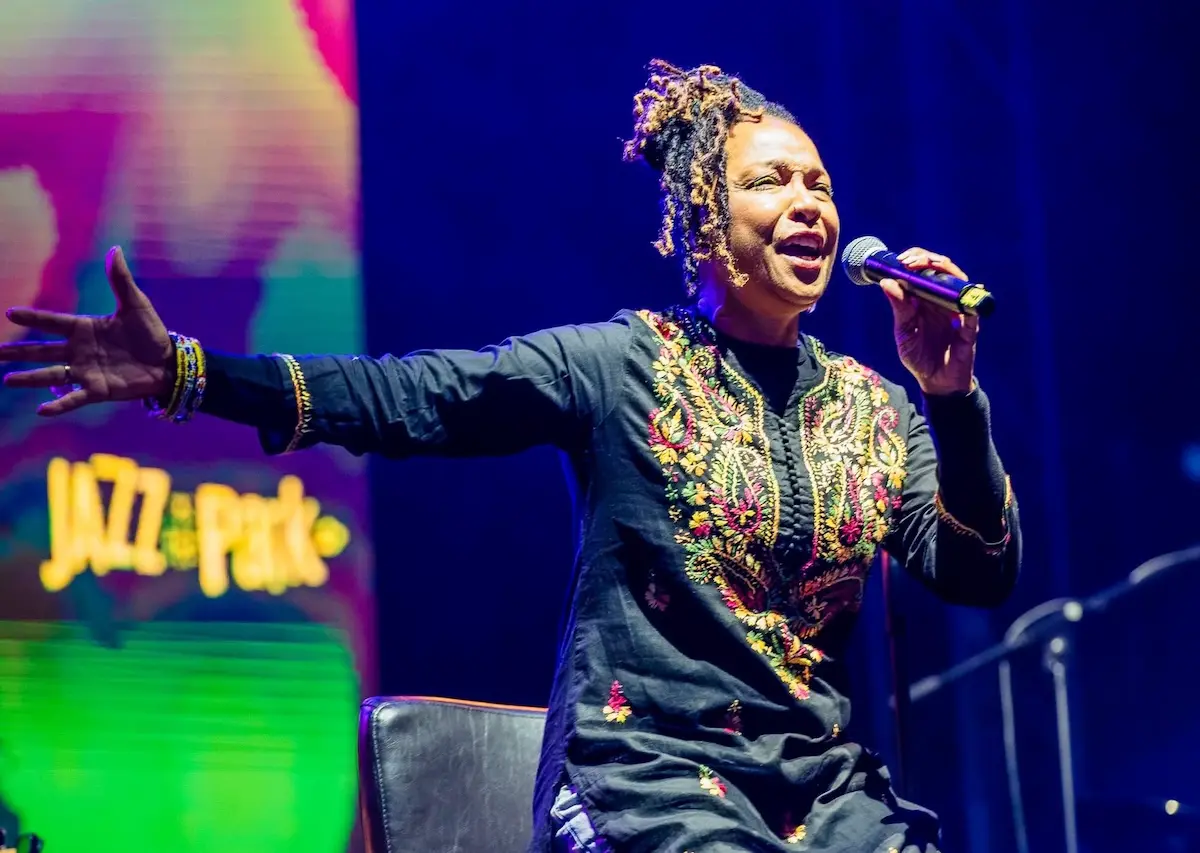
The 2026 edition of the Jazz in the Park Festival recently concluded its three-day run in Cluj-Napoca, further cementing its reputation as one of Eastern Europe’s most distinctive cultural gatherings. Held from June 5 to June 7, the event transformed the Romulus Vuia Ethnographic Park into a sprawling open-air concert hall, attracting an estimated 7,000 visitors per day. As Romania’s second-largest city and a burgeoning European tech and cultural hub, Cluj-Napoca provided a sophisticated backdrop for a festival that prioritizes community, heritage, and avant-garde musical exploration over commercial mass appeal. The festival’s daytime format, beginning in the early afternoon and concluding by 11:00 PM, fostered a multi-generational atmosphere where families and their pets mingled among four stages set against the backdrop of traditional Romanian rural architecture.
The Ethnographic Setting and Festival Atmosphere
The Romulus Vuia Ethnographic Park, the oldest museum of its kind in Romania, established in 1929, served as more than just a venue; it was an integral part of the festival’s identity. Spanning several hectares, the park features authentic peasant households, wooden churches, and workshops transported from various regions of Transylvania. By placing contemporary jazz and world music within this historical context, organizers created a juxtaposition between the preservation of the past and the evolution of modern art.
The logistics of the 2026 edition reflected a high level of organizational maturity. To maintain the serene environment and ensure clear sightlines for all attendees, the festival enforced a strict "no umbrella" policy, with items confiscated at the entrance. This decision, while initially met with minor scrutiny, proved effective in fostering a shared viewing experience during the brief periods of light rain. The favorable weather conditions for most of the weekend allowed for maximum utilization of the park’s sprawling lawns, where the audience—ranging from toddlers to retirees—engaged with the performances in a relaxed, picnic-style setting.
The Nik Bärtsch Residency: A Study in Ritual and Precision
Central to the 2026 program was the residency of Swiss pianist and composer Nik Bärtsch. Known for his "Ritual Groove Music," Bärtsch’s presence was a constant thread throughout the three-day event. Dressed in his signature black robe, Bärtsch opened the festival on Friday with a solo piano performance that emphasized his minimalist and architectural approach to composition.
Bärtsch’s career trajectory provided a significant talking point among industry observers present at the festival. His decision several years ago to depart from the prestigious ECM label to found his own imprint, Ronin Rhythm Records, was a move that granted him total aesthetic autonomy. This independence has allowed him to foster a specific community of musicians, such as the reed player Sha, and to treat jazz not as a rigid genre but as a "practice and an attitude."
On Saturday, Bärtsch was joined by his celebrated quartet, Ronin. The performance drew heavily from their latest album, Spin, delivering a set characterized by hypnotic, modular rhythms. The precision of the ensemble, combined with the organic acoustics of the outdoor stage, created a "festive trance" state among the listeners. The residency culminated on Sunday in a duo performance with Greek pianist Tania Gianouli. Set against the silhouette of a historic wooden church, the two pianists engaged in a dialogue that blended Bärtsch’s rhythmic discipline with Gianouli’s lyrical and often turbulent European jazz sensibilities. The announcement during their set that their debut collaborative album would be released in October 2026 added a layer of anticipation to the performance, which held the audience in a state of rapt silence.
Legacy and Reinterpretation: The Simone Connection
One of the most anticipated acts of the weekend was Lisa Simone, daughter of the legendary High Priestess of Soul, Nina Simone. Now 64, Lisa Simone has carved out a distinct path, having entered the professional music industry later in life following a career in the United States Air Force and on Broadway. Her performance in Cluj-Napoca was a sophisticated tribute to her mother’s repertoire, yet it was delivered with a vocal timbre and stage presence that were uniquely her own.
Accompanying her was veteran British drummer Paul Robinson, whose inclusion provided a direct historical link to the material. Robinson served as Nina Simone’s drummer for nearly two decades, from 1984 until her passing in 2003. This connection lent an air of authenticity to the performance as Lisa Simone revisited classics and originals her mother made famous. The set served as a reminder of the personal and political weight of the Simone legacy, bridging the gap between the civil rights-era protest music of the 20th century and the contemporary jazz landscape.
Global Perspectives and Virtuosity
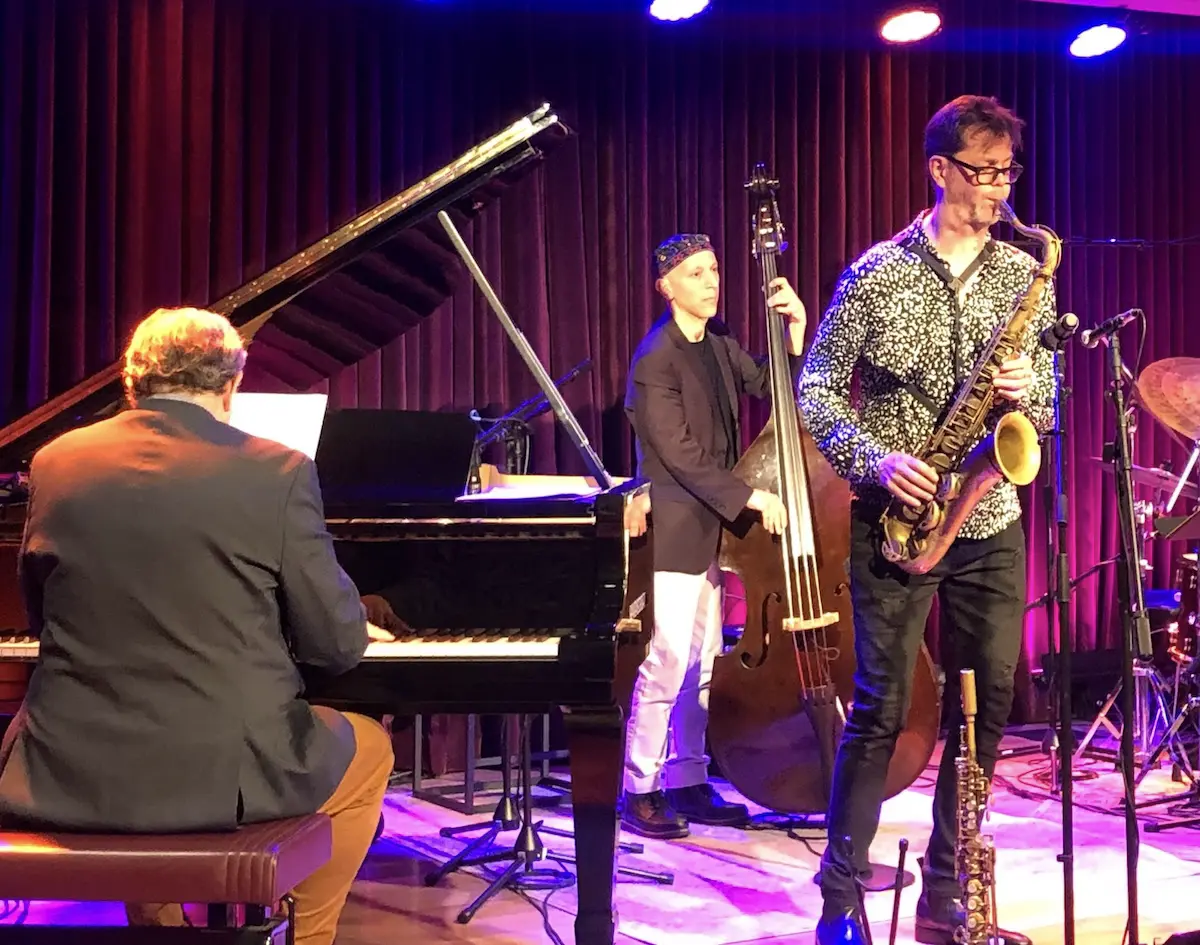
The 2026 lineup was notable for its geographical and stylistic breadth. A standout performance came from a trio led by Norwegian pianist Bugge Wesseltoft, featuring the venerable bassist Arild Andersen and tabla virtuoso Sanskriti Shrestha. This ensemble represented a masterclass in cross-cultural fusion, where Nordic jazz’s spaciousness met the intricate rhythmic cycles of Indian classical music. The improvisational fluidity between the three musicians highlighted the festival’s commitment to high-level technical mastery.
Further enriching the global palette was Lebanese oud master Rabih Abou-Khalil. His quartet, featuring long-time collaborator Jarrod Cagwin on percussion and two members of Poland’s acclaimed Atom String Quartet—violinist Mateusz Smoczyński and cellist Krzysztof Lenczowski—blended Middle Eastern sonorities with European chamber jazz. Abou-Khalil’s performance was peppered with his trademark dry wit, noting the "challenges" of playing the eight-string oud compared to the four-string violin, while the ensemble’s performance demonstrated a seamless integration of diverse musical traditions.
Adding a vibrant Caribbean influence to the Transylvanian landscape, Cuban violinist and vocalist Yilian Cañizares delivered a set that balanced technical brilliance with a message of "light and hope." Her performance was a highlights of the festival’s final day, emphasizing the role of the artist as a source of resilience in turbulent times.
Local Innovation and Modern Grooves
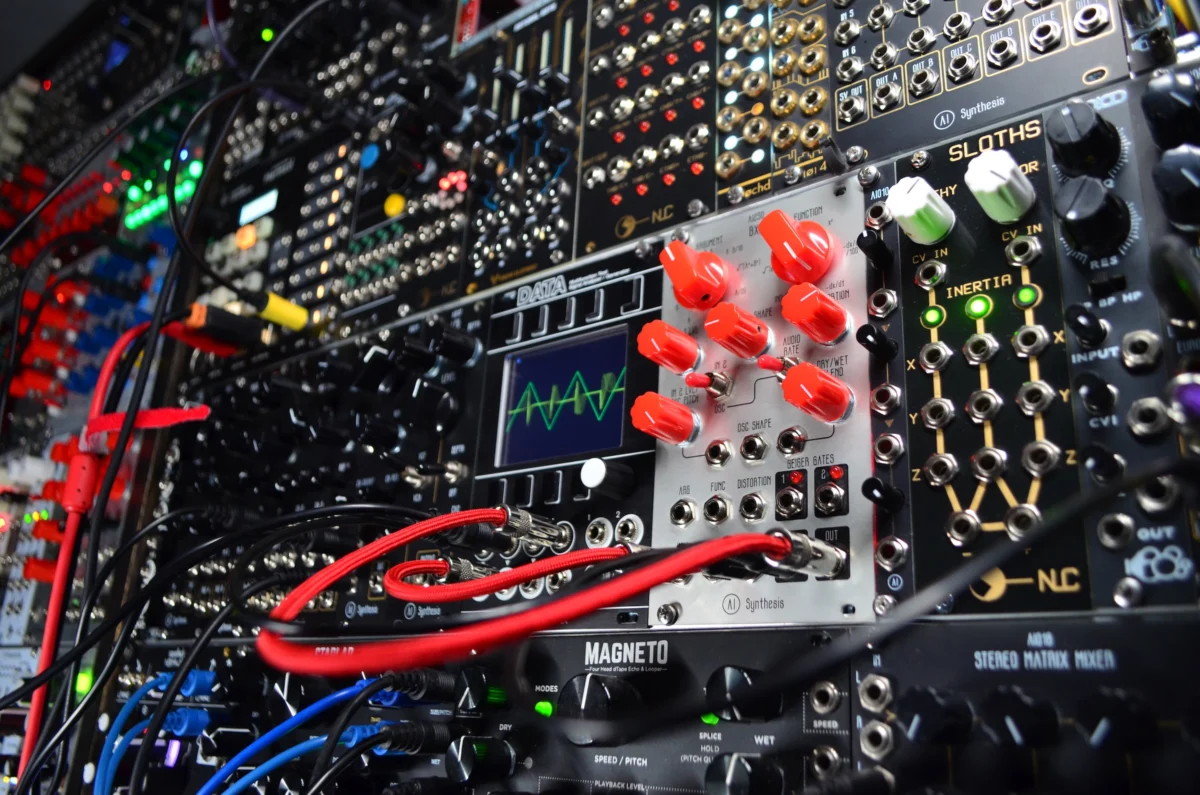
The festival also provided a platform for Romanian artists to showcase the evolution of the domestic jazz scene. Pianists Teo Pop and Ștefan Rus delivered a high-energy performance that moved away from the minimalist leanings of the Bärtsch residency toward a more groove-oriented, electronic-infused sound. Utilizing a combination of traditional piano, organ, and synthesizers, the duo created a danceable atmosphere that resonated with the younger segments of the crowd.
This energy was echoed by the Ziggy Zeitgeist trio from Berlin. Led by the Australian-born drummer, the group blurred the lines between jazz improvisation and club-oriented dance music. Their set mirrored the energy of the DJ stages located elsewhere in the park, illustrating the festival’s success in appealing to both purists and those who view jazz through the lens of modern electronic production.
The Music Gallery and "Sounds of Resistance"
Beyond the live performances, the Jazz in the Park organizers expanded the festival’s intellectual reach through the Music Gallery project. Located in the center of Cluj-Napoca, the gallery hosted an interactive exhibition titled "Sounds of Resistance." Originally delayed by the global pandemic, the venue has become a permanent fixture for music education and history.
The exhibition explored the historical role of music as a tool against oppression. A key interactive feature allowed visitors to engage with a terrestrial globe; by selecting different cities, they could listen to tracks that defined moments of social or political upheaval—ranging from the punk rebellion of the Sex Pistols in London to protest songs from Eastern Europe’s own complex history. This thematic focus on "resistance" provided a deeper context for the performances at the park, linking the aesthetic beauty of jazz to its roots in social struggle and freedom of expression.
Economic Impact and Future Outlook
The success of the 2026 edition has immediate implications for the local economy and the regional festival circuit. According to preliminary reports, the festival saw a robust pre-sale for its next iteration. Approximately 1,400 tickets for the 2027 festival were sold on-site, bolstered by an "early-bird" incentive for the first 500 purchasers. The 2027 dates have already been confirmed for June 25 to June 27.
The festival’s ability to attract 7,000 daily visitors to a specialized ethnographic site underscores the growing demand for "boutique" festival experiences that prioritize quality of life and cultural depth over sheer volume. Furthermore, the event serves as a significant driver for tourism in Cluj-Napoca, filling hotels and increasing foot traffic for local businesses.
Looking ahead, the Jazz in the Park brand will continue its activities later this year with the International Jazz in the Park Competition. Scheduled for September 18–20, 2026, in Cluj-Napoca’s Central Park, the competition aims to discover and support emerging talent, ensuring a pipeline of new artists for future editions of the main festival. By balancing a high-profile international residency program with grassroots talent development and historical education, Jazz in the Park has established a sustainable model for cultural festivals in the 21st century.