
 Mia Khoirunisa
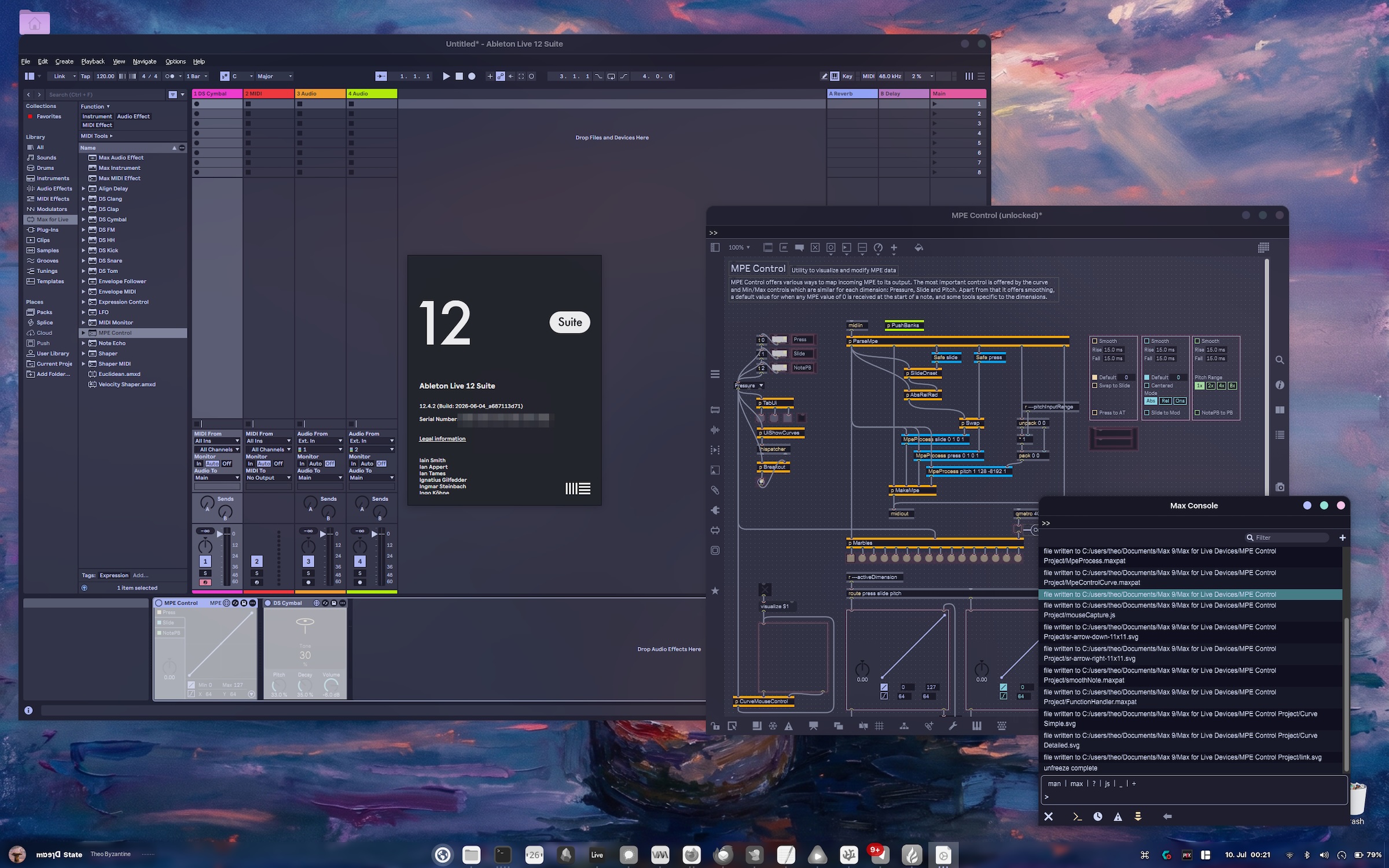
The long-standing quest for native Ableton Live functionality on Linux has taken a significant, albeit unofficial, leap forward. A community-driven initiative has successfully developed a suite of patches for the Wine compatibility layer, enabling Ableton Live 12, Max for Live, and even hardware integration with Push 2 and Push 3 controllers to operate on Linux-based operating systems. While not officially supported by Ableton AG, the results are reportedly so robust that they are virtually indistinguishable from native performance, signaling a potential paradigm shift for music producers who prefer open-source environments.
The Wine Advantage: Bridging the Windows-Linux Divide
For individuals unfamiliar with the technology, Wine (originally an acronym for "Wine Is Not an Emulator") serves as a crucial compatibility layer. It allows applications designed for the Microsoft Windows operating system to run directly on Unix-like systems, including Linux, without the overhead or performance penalties associated with traditional emulation. This distinction is key: Wine translates Windows API calls into POSIX calls on the fly, enabling applications to interact with the underlying operating system as if they were natively developed for it.
The effectiveness of Wine is well-established, particularly within the gaming community, where it has been instrumental in bringing a vast library of Windows-exclusive titles to Linux. This success has often raised the question of why the professional audio and music technology sectors have been slower to embrace such solutions. The demonstrated willingness of gamers to invest in and utilize Wine for premium experiences suggests a precedent that music tech developers could potentially follow, especially considering the growing market for sophisticated digital audio workstations (DAWs) and hardware controllers.
A Deep Dive into the Live on Linux Project
The breakthrough comes from the efforts of developer "shibco" (Cade), based in Berlin, who has meticulously crafted and documented a set of Wine patches specifically tailored for Ableton Live. The project, hosted on GitHub under the repository shibco/ableton-linux, details an extensive list of features and functionalities that have been successfully implemented. This includes the core Ableton Live 12 DAW, the powerful Max for Live environment for custom device creation, and critically, support for Ableton’s flagship Push hardware, specifically the Push 2 and Push 3 models.
The repository provides direct access to the Wine patches and an installer designed to streamline the setup process. While the initial announcement noted that Push 3 support might have been an area of ongoing development or dependent on hardware availability for testing, the overall ambition of the project is clear: to offer a comprehensive Ableton Live experience on Linux.
This development bypasses the need for users to modify core Ableton Live binaries or engage in complex system configurations. Instead, the focus is on enhancing the Wine environment itself, making it a more hospitable platform for Windows-based audio software. This approach ensures that users can leverage their existing, legally purchased Ableton Live licenses and any associated paid plugins without compromising their investment or encountering licensing issues.
The Broader Implications for Music Technology and User Freedom
The implications of this unofficial support extend far beyond a niche user base. The music technology industry has, for decades, been heavily reliant on a select few dominant operating systems, primarily Windows and macOS. This dependency, while historically pragmatic, presents significant risks for both individual creators and the industry as a whole.
Recent trends underscore these vulnerabilities:
- Platform Volatility: Changes in corporate strategies by major OS vendors like Apple and Microsoft can have unforeseen consequences for software compatibility and developer support. Microsoft’s evolving business models and Apple’s hardware-centric ecosystem development, for instance, can create uncertainty.
- Security and Control: Increased emphasis on security measures, such as mandatory age verification or proprietary system architectures, can limit user freedom and data control.
- AI Integration and Future Developments: The rapid advancement of artificial intelligence and its integration into operating systems could also introduce unforeseen challenges or shifts in how software is developed and deployed.
- Corporate Leadership Changes: Shifts in leadership within major tech companies can lead to abrupt changes in product roadmaps and support policies, potentially impacting long-term software viability.
In this context, an open-source operating system like Linux offers a compelling alternative. Its transparent development, community-driven nature, and inherent flexibility provide a more stable and predictable foundation for creative endeavors. The ability to run professional-grade software like Ableton Live on Linux, even through unofficial means, highlights the potential for greater independence from proprietary ecosystems.
The success of the Live on Linux project also serves as a powerful argument for increased official support from music technology developers. While platforms like Ardour (open-source) and commercial offerings from companies like Pianoteq, Bitwig, and Sinevibes have long been available on Linux, the absence of major players like Ableton Live has been a significant gap. This development could encourage other developers to explore Linux compatibility, fostering a more diverse and resilient music technology landscape.
The concept of a "Steambox" for music production – a dedicated, optimized hardware/software solution for music creation – is also brought to the fore. While previous attempts may have faced technical hurdles, the advancements in Wine and the general maturity of Linux as a platform suggest that such a proposition could be more viable today than ever before.
Furthermore, Linux’s inherent strengths in security and privacy are increasingly relevant. As concerns about data collection, user tracking, and digital identity verification grow across various sectors, including those with significant LGBTQ+ and trans community engagement, the appeal of a more privacy-conscious and customizable operating system intensifies.
Community and AI: A Glimpse into Modern Development Practices
The shibco/ableton-linux repository also provides a transparent disclosure regarding the use of artificial intelligence in its development process. The project’s documentation explicitly states: "Local models (Qwen 3.6) and Claude Opus were used during QA testing, documentation checking, and to help setup the build pipeline at the very end of this project’s release." This level of disclosure aligns with emerging best practices for AI integration in software development, acknowledging the agentic assistance used while maintaining human oversight and validation. This transparency is crucial for building trust and understanding in an era where AI’s role in creative and technical fields is rapidly evolving.
A Look Ahead: The Future of Music Production on Linux
The unofficial enablement of Ableton Live 12 on Linux is more than just a technical workaround; it represents a potential inflection point for music production workflows. It democratizes access to powerful creative tools, enhances user autonomy, and underscores the viability of open-source platforms in professional creative fields. While official support from Ableton AG would undoubtedly be the ultimate goal, the dedication and ingenuity demonstrated by the community, exemplified by shibco’s efforts, have opened a new chapter for Linux users eager to engage with one of the world’s most popular digital audio workstations.
The project’s success could catalyze further innovation, potentially leading to a more robust Linux audio ecosystem, encouraging other software developers to follow suit, and ultimately providing creators with greater freedom and flexibility in their artistic pursuits. The journey from a proof-of-concept to widespread adoption may be long, but this development has laid a critical foundation.
Background Context and Timeline
The desire for Ableton Live on Linux has been a persistent theme within the Linux audio community for years. Early discussions and attempts often revolved around virtualization or complex workarounds, none of which offered a seamless or performant experience. The Wine project itself has been in continuous development since its inception in the mid-1990s, steadily improving its compatibility with a wide range of Windows applications.
The release of Ableton Live 12 in late 2023 and early 2024 provided a new target for these community efforts. The development of the specific Wine patches detailed in the shibco/ableton-linux repository represents a concentrated effort over a period that, while not precisely dated in the provided text, clearly signifies recent activity. The fact that it encompasses core DAW functionality, Max for Live, and hardware integration suggests a substantial development cycle, likely involving iterative testing and refinement.
The initial mention of Push 3 support, and the developer’s potential lack of immediate access to the hardware, indicates that this aspect might be an evolving feature. Push hardware has historically been tightly integrated with Ableton Live, and replicating this level of functionality through a compatibility layer presents unique challenges. However, the inclusion of Push 2 support already demonstrates significant progress.
The implicit timeline suggests that these patches have been developed and tested in parallel with the broader adoption of Live 12, bringing cutting-edge Ableton technology to the Linux platform in a remarkably short timeframe, given the unofficial nature of the work.
Supporting Data and Technical Considerations
While specific performance benchmarks are not detailed in the original content, the assertion that the experience is "just about indistinguishable from native support" is a strong indicator of the patches’ effectiveness. This implies that key performance metrics such as CPU usage, audio latency, and stability are comparable to running Live on Windows.
The Wine architecture, as previously mentioned, translates Windows API calls to POSIX. For a complex application like Ableton Live, this involves translating a multitude of calls related to:
- Audio Subsystem: DirectSound, ASIO (though ASIO drivers typically require specific kernel modules or ALSA configurations on Linux, often mediated by JACK).
- MIDI Input/Output: Windows MIDI API translated to ALSA MIDI or other Linux MIDI frameworks.
- Graphics Rendering: DirectX or OpenGL calls translated to Vulkan, OpenGL, or other Linux graphics APIs.
- File System Access: Standard Windows file I/O operations mapped to Linux file system operations.
- Hardware Communication: USB device enumeration and communication for controllers like Push.
The success of this project suggests that shibco has successfully addressed these translation layers for the specific requirements of Ableton Live 12 and its associated hardware. The use of JACK (often associated with professional audio on Linux) is implied, as it is a common and robust audio server for low-latency audio processing on Linux systems.
Official Responses and Developer Statements
As of the information provided, there have been no official statements or reactions from Ableton AG regarding this unofficial Wine support. Typically, software companies do not officially endorse or support third-party solutions that enable their software to run on unsupported operating systems, especially when achieved through compatibility layers.
However, the community’s proactive development and the positive reception of such initiatives can sometimes influence future official roadmaps. Developers often monitor community sentiment and technological advancements. It is plausible that Ableton AG is aware of these efforts, and it may inform their long-term strategy regarding broader operating system support.
The explicit disclosure of AI usage by the developer is a positive indicator of responsible development practices. This transparency, as highlighted in the original article, is becoming increasingly important in the tech industry and sets a precedent for how such integrations should be communicated to the user base.
Broader Impact and Future Implications
The primary impact of this development is the empowerment of Linux users who are also Ableton Live enthusiasts. It removes a significant barrier to entry for those who prefer the flexibility and openness of Linux for their creative workflows. This could lead to:
- Increased Linux Adoption in Music Production: More producers may consider or switch to Linux as their primary OS, knowing that professional-grade tools are accessible.
- Stimulation of Linux Audio Development: The success of this project might inspire further development in areas like Linux audio drivers, DAWs, and plugin support, creating a more comprehensive and competitive ecosystem.
- Reduced Vendor Lock-in: As users gain more options for running their preferred software, the industry’s dependence on a few dominant operating systems could decrease, fostering greater resilience and user choice.
- Potential for Innovation: A more diverse OS landscape for music production can lead to novel approaches and integrations that might not emerge in a more homogenous environment.
The project also serves as a testament to the power of community-driven innovation in software development. By addressing a long-standing need through collaborative effort and technical expertise, individuals can significantly impact the usability and accessibility of professional tools. The future may well see more such community-led initiatives bridging the gaps in software compatibility, ultimately benefiting a wider range of users.