Indra Aziz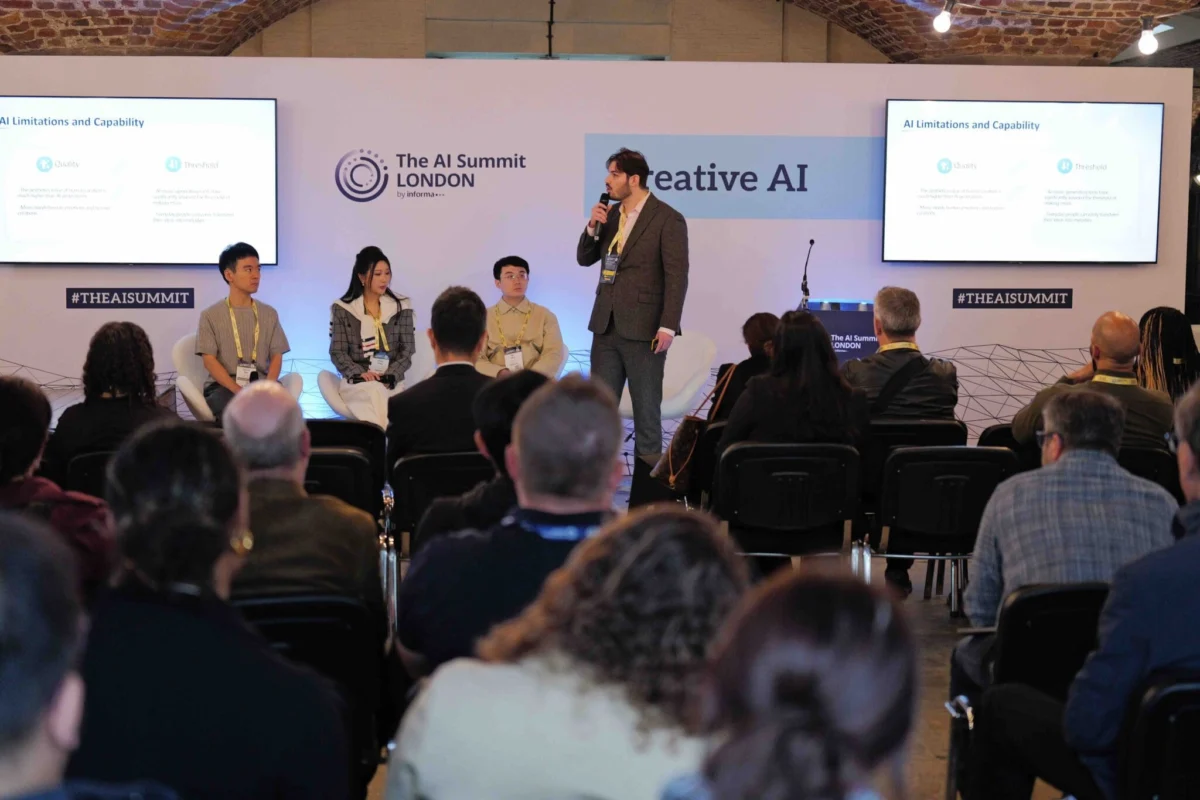
The 10th anniversary edition of AI Summit London served as a crucial nexus for industry leaders, technologists, and creative minds to grapple with the accelerating integration of artificial intelligence into the fabric of music creation. Snow Jiang, founder and CEO of Cheerful Music, was a prominent voice at the event, participating in a pivotal panel discussion that delved into the complex relationship between AI and human artistry. The summit, a landmark event for the AI community, provided a platform to examine how this transformative technology is not only reshaping industries but also prompting fundamental questions about the nature of creativity itself.
The AI-Generated vs. Human-Created Music Debate
At the heart of the discussions at AI Summit London was the panel titled "Can AI Make Human Music More Valuable?" Jiang, alongside Cheerful Music UK A&R Manager Sergio Veloz and producer He Zhu, navigated the increasingly pertinent question facing the global music industry: as AI tools become more sophisticated and widely accessible, what facets of music creation and appreciation remain uniquely human?
The consensus among the panelists was that while AI can undoubtedly streamline and augment various stages of music production, certain core elements of artistic expression are profoundly resistant to technological replication. Emotional resonance, nuanced cultural understanding, and the distinct perspectives that define artistic vision are qualities that AI, in its current form, struggles to genuinely embody.
Sergio Veloz articulated this sentiment, stating, "At Cheerful Music, we see AI as a tool that expands creative opportunity rather than replaces artistic value. As technology lowers the barriers to music production, the conversation is shifting from who can create to who can truly connect." This perspective underscores a growing sentiment within the industry: the democratization of production tools through AI does not diminish the importance of genuine artistic connection with an audience.
Audience Engagement in the Age of Automation
The panel also extensively explored how audience engagement is emerging as a critical differentiator in an era where content creation is increasingly subject to automated processes. In a landscape saturated with AI-assisted or AI-generated content, the ability to foster a genuine connection with listeners becomes paramount.
A compelling case study presented during the session was Cheerful Music’s virtual artist, Lynn (玲娜贝儿). Despite persistent rain that dampened the outdoor activities at the London event, Lynn’s promotional materials reportedly garnered significant attention from attendees. Eyewitness accounts and the label’s own observations indicated that attendees were seen photographing Lynn’s on-screen presence and actively searching for the character on social media platforms, demonstrating an unexpected level of engagement with a digital entity.
The success of Lynn’s track "RED," which has reportedly amassed over 210 million views across short-form video platforms, was also highlighted. This project exemplifies Cheerful Music’s hybrid approach, skillfully blending AI-generated vocals with lyrics and melodies crafted by human songwriters. This strategy positions AI not as a replacement for human talent but as a powerful collaborator that can enhance the creative output.
Cheerful Music’s Vision for Virtual Artists
Looking towards the future, Cheerful Music announced its strategic expansion into a broader roster of virtual artists. Upcoming characters such as YAN (言) and PeanutsJack (花生酱) are set to join Lynn, signaling a commitment to exploring new frontiers in digital entertainment and artist development. This initiative suggests a long-term vision where virtual personas can cultivate dedicated fan bases and contribute significantly to the music ecosystem.
An intriguing observation from the summit organizers was the composition of the audience’s inquiries. A notable proportion of questions originated from individuals outside the traditional music industry, indicating that the discourse surrounding AI and creativity is resonating across a diverse range of sectors, transcending the boundaries of entertainment and technology. This cross-disciplinary interest underscores the far-reaching implications of AI’s impact on creative fields.
Navigating Copyright, Rights, and Authenticity
Beyond showcasing their innovative projects, the discussions at AI Summit London also confronted some of the most pressing ethical and legal challenges facing the AI music sector. Issues surrounding copyright, the rights of artists whose work may be used to train AI models, and the broader concept of authenticity in music were central to the debate.
Snow Jiang firmly asserted Cheerful Music’s commitment to human creativity, emphasizing that while fully AI-generated music continues to navigate a complex legal landscape, their projects are deliberately anchored in human artistry. The company’s methodology involves commissioning songs from human writers first, with technology then employed to support specific aspects of the production process. This contrasts with a reliance on simplistic, one-click AI composition.
This philosophy is intrinsically linked to the development of their virtual artist, Lynn. Jiang explained that AI is utilized to enhance the efficiency of producers, while the vocal model itself is trained on a diverse array of licensed voices. Crucially, she stressed that every artist whose voice contributes to the system is compensated through formal licensing agreements. These arrangements are characterized by Cheerful Music as collaborative partnerships rather than outright buyouts, ensuring fair remuneration for the vocal talent involved.
Redefining Artist-Audience Relationships
The conversation also challenged conventional assumptions about how AI-generated artists gain traction with audiences. Cheerful Music’s strategy diverges from an exclusive focus on traditional streaming algorithms. Instead, the company prioritizes engagement on short-form video and social media platforms, leveraging virtual characters as conduits to forge authentic fan relationships through music. This approach acknowledges the evolving ways in which audiences discover and interact with artists in the digital age.
The Future of Music: Responsible Implementation Over Pure Capability
Perhaps the most significant takeaway from Jiang’s remarks was her forward-looking perspective on the industry’s future. She posited that success will hinge less on the sheer technological capability of AI and more on its responsible and ethical implementation. While streaming services are becoming increasingly adept at identifying automated content, Jiang argued that AI should be viewed as a collaborative tool, not a shortcut to artificial virality. She acknowledged that data and algorithms can indeed enhance efficiency and help identify audience trends, but insisted that these benefits should not come at the expense of artistic originality or the fundamental rights of creators.
Broader Implications and the Enduring Human Element
While many of the complex questions surrounding AI in music remain subjects of ongoing debate across the industry, the discussions at AI Summit London signaled a growing consensus. The advent of increasingly ubiquitous AI-generated content may, paradoxically, serve to amplify the perceived value of distinctly human qualities in art. Audiences, it appears, will continue to seek out the emotional depth, personal narrative, and unique perspective that only human creators can imbue into their work.
The fact that AI Summit London, in its 10th year, dedicated significant attention to the nuances of music creation highlights the transformative power of artificial intelligence. As this technology continues its rapid evolution, the conversations around authenticity, creativity, and value in music are set to intensify. The events of AI Summit London suggest that the rise of AI might not diminish the importance of human artistry but rather place it under an even brighter spotlight, reminding us of the irreplaceable elements that make music a profoundly human endeavor. The ongoing exploration of these themes is critical for shaping a future where technology and creativity can coexist and flourish ethically.