Indra Aziz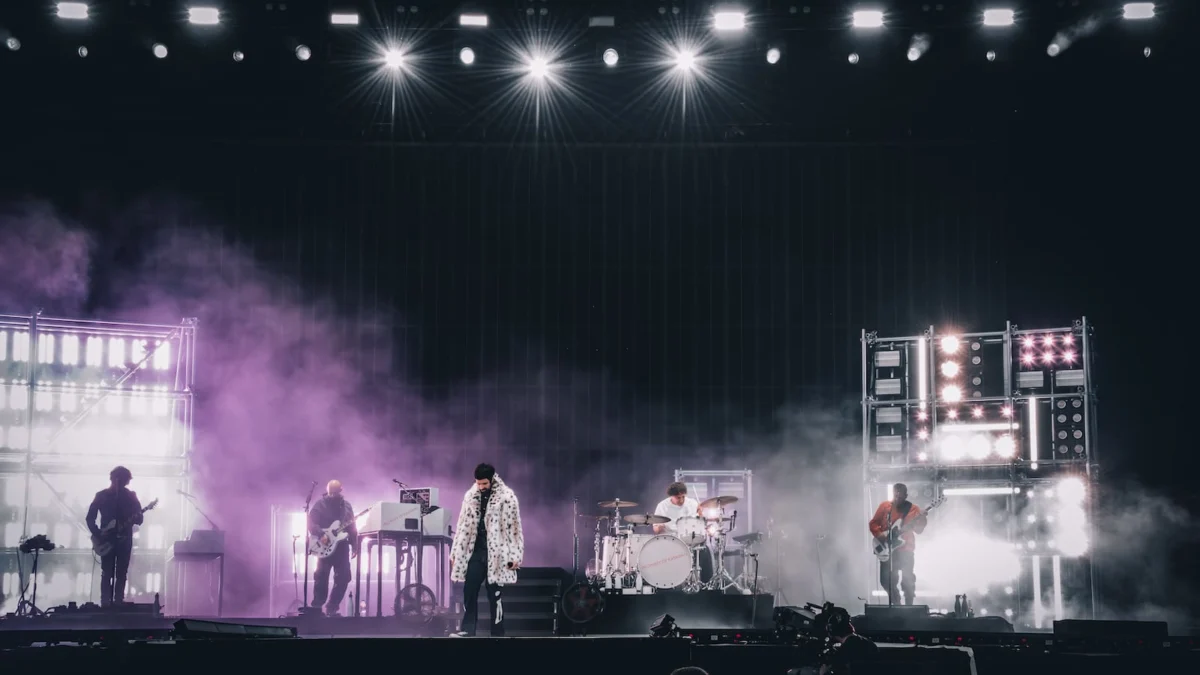
Glasgow, Scotland – The ninth iteration of Glasgow’s much-anticipated TRNSMT music festival descended upon Glasgow Green this past weekend, facing a familiar adversary: the notoriously unpredictable Scottish weather. Thousands of music enthusiasts braved downpours, a sea of ponchos becoming an almost obligatory accessory, as they navigated the iconic parkland. This year’s festival, while offering a strong lineup and a vibrant atmosphere, also presented a nuanced picture of the contemporary festival landscape, marked by shifts in audience engagement and the enduring appeal of both established and emerging artists.
The initial impressions of Friday’s attendance suggested a potentially more subdued start than in previous years. Unofficial merchandise vendors, a common sight around the city centre, hawked football scarves, flags, and the ubiquitous ponchos, signaling the familiar festival buzz. However, a noticeable quietness on the ground, despite a reported drop in ticket prices, prompted contemplation. Several factors were cited as potential contributors: the national football team’s presence at a major tournament in Boston, the persistent torrential rain, or perhaps a more profound indication of evolving preferences among festival-goers in Glasgow. This year’s TRNSMT unfolded against a backdrop of both climatic challenges and evolving cultural currents within the music festival scene.
Friday: A Mix of Established Icons and Rising Stars Amidst the Elements
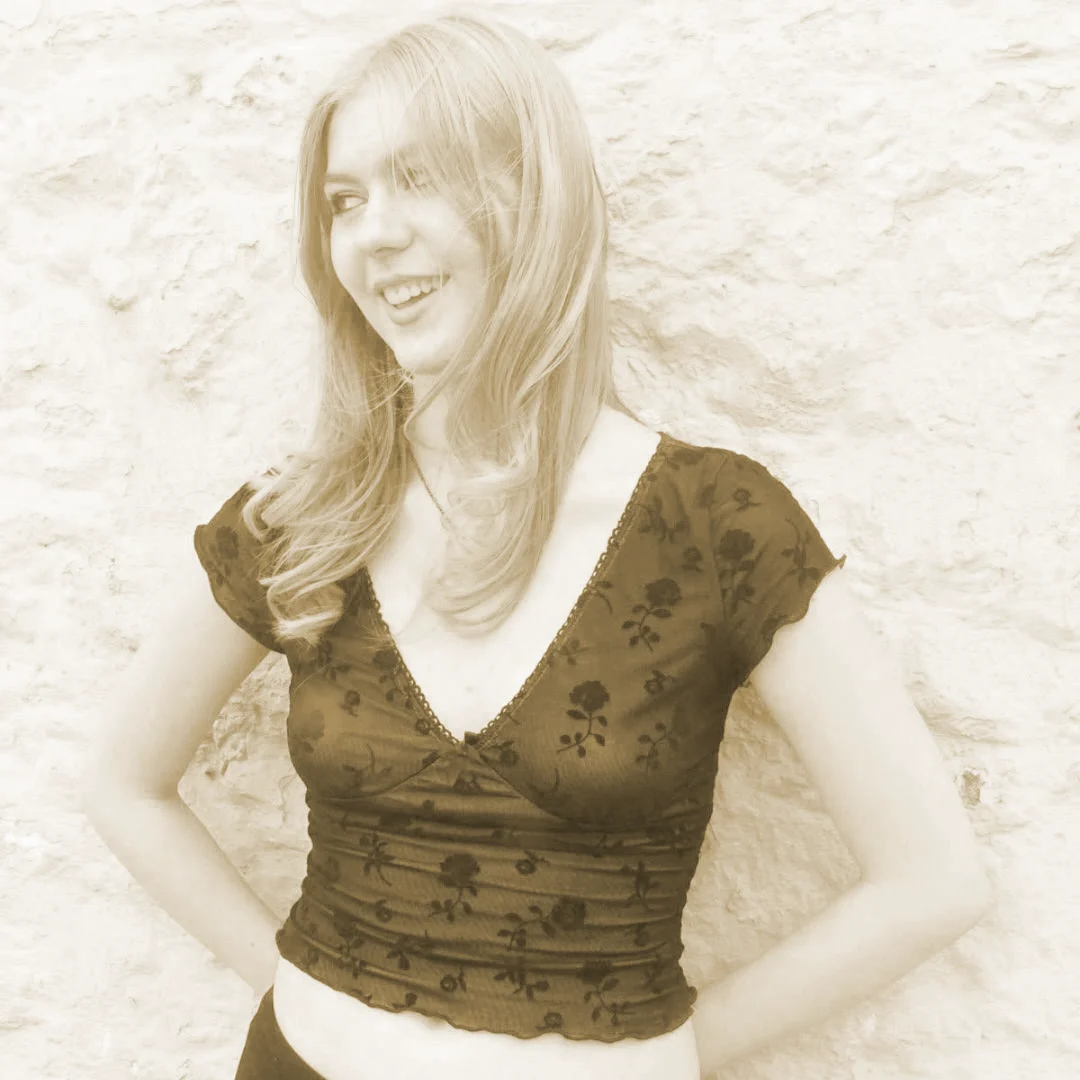
The festival officially kicked off with a diverse array of talent, highlighting TRNSMT’s commitment to showcasing a broad spectrum of musical genres. Alice Faye, an artist noted for her interest in more diverse and alternative sounds, opened proceedings on the BBC Introducing Stage. Faye herself commented on the demographic of the festival, observing, "I’ve done a lot more alternative, vintage-style festivals where there is an older crowd. I think this is more mixed." This sentiment underscores TRNSMT’s ambition to attract a wider audience base beyond traditional indie music aficionados.
Faye’s participation also highlighted the festival’s role in supporting emerging artists. Reflecting on her slot at TRNSMT, she stated, "Firstly, it means a slot at TRNSMT. This was such a big deal to me, not that I’m such a weird artist, but I didn’t know if I was ever going to get to play the festival. Getting backing from BBC Scotland means a lot to me because I’m still an independent artist." Her perspective also touched upon the festival’s perceived demographic, noting, "It’s definitely for young people, but I might just be saying that because it’s the first festival I went to when I was fifteen, so I’m like, ‘the young kids get to come out to this!’" This observation aligns with the general consensus of a notably young audience, a characteristic not unexpected for a summer festival situated in a city centre location.
When comparing TRNSMT to other Scottish festivals, Faye offered a unique perspective: "It feels very Glaswegian, right? Having done Belladrum, that feels very Scottish, but it doesn’t feel as streamlined as Glasgow vibes. It’s also Glasgow Green, so it’s a historical part of town. It’s funny, last time I was here it was for the Christmas fayre, I was like, ‘okay, where the dodgems are, I’ll be playing there!’" This connection to the historic venue and the city’s unique character adds another layer to the festival’s identity.
Following her set, Faye expressed anticipation for catching other acts, including Wolf Alice and James Emmanuel, indicating a shared enthusiasm for the diverse lineup that characterized the weekend. Later that evening, Wolf Alice delivered a powerful performance on the main stage, with lead singer Ellie Rowsell engaging the crowd before launching into a set that included the sun-drenched "Just Two Girls" and the anthemic closer "Don’t Delete The Kisses."
Friday night’s headliner, Richard Ashcroft, drew a significant crowd. Despite attempts to leave early to avoid the surge, the iconic opening chords of The Verve’s hit "Lucky Man" proved irresistible, drawing many back to the site. The day, despite its initial quietness and sodden footwear, offered a gratifying experience, blending the opportunity to witness classic acts with the discovery of new musical talent.
Saturday: A Shift in Weather and a Surge of Local and International Talent
As Saturday dawned, the weather improved, drying the grass and allowing festival-goers to settle in for a day of diverse performances. Broggyal, the second band on the main stage, captivated the audience with their energetic blend of trad and punk sensibilities, eliciting enthusiastic responses from the crowd.
A visit to the King Tut’s Stage offered a chance to see The Rooks perform. It was also here that conversations were held with Dublin folk band Madra Salach and Glasgow-based indie rock band Tina Sandwich. Paul Banks, frontman for Madra Salach, expressed his affinity for Scotland, stating, "I love coming to Scotland. It just feels like a home away from home." This sentiment highlights the strong cultural and musical ties between Ireland and Scotland, often celebrated at such events.
Madra Salach’s trajectory exemplifies the rapid growth experienced by many independent artists. Having played a 120-capacity venue in Glasgow in March, the band is slated to perform to a 600-person audience at St. Luke’s in October. Banks described this progression as "mad," particularly noting the contrast with their familiar Dublin venue scene, moving from a "Workmen’s to a Vicar Street." This rapid ascent is indicative of a thriving independent music scene and the opportunities presented by festivals like TRNSMT for bands to reach wider audiences.
Among the up-and-coming acts on the BBC Introducing Stage, alternative group Tanzana garnered attention. Banks noted their past support for Madra Salach, stating, "They supported us in McChuills, and a big chunk of our UK leg." Tanzana was also a top pick for Tina Sandwich, with both bands sharing the BBC Introducing Stage. Tilly O’Connor, lead singer of Tina Sandwich, expressed confidence in their performance, vowing, "We’re going to cover our stage for sure."
The BBC Introducing Stage on Saturday was a showcase for some of Scotland’s most promising bands, including the indie folk outfit Lacuna and the Britpop-influenced Sister Madds. The Main Stage also boasted a strong lineup, with O’Connor highlighting The Fratellis and Kasabian as particular draws, noting the latter as the site of her "first gig ever."

Tanzana, a five-piece band formed in 2023, made their festival debut at TRNSMT. Describing it as their "first kind of outdoor festival," they expressed an inability to compare it to others. Since their formation, they have made a significant impact on the Scottish music scene, supporting artists such as Lucia and the Best Boys and Madra Salach. Their performance on the BBC Introducing Stage later that afternoon delivered an indie-gothic sound that resonated with the audience.
Saturday night concluded with Kasabian headlining to a lively crowd, with attendees enjoying the final moments of the day as the sun set, a stark contrast to the initial rainy start.
Sunday: A Gradual Increase in Attendance and a Celebration of Scottish Talent
By Sunday, TRNSMT’s site was a hive of activity, with Scotland flags and drink carriers scattered across Glasgow Green. This day marked the busiest of the weekend, suggesting a growing momentum as the festival progressed. The Main Stage was a focal point, beginning with Katie Gregson-MacLeod, who performed to an engaged audience, many of whom had secured prime spots for CMAT’s subsequent set.
Gregson-MacLeod reflected on the audience’s reception, stating, "The heart of it is the same; they’re warm and welcoming. They were equally lovely." She also expressed her admiration for the entire Main Stage lineup, admitting, "The whole lineup on the main stage is superb; if I could have a lawn chair there, I would." Her set included the debut of two new songs, "Good Guess" and "Nothing Really Changes," which she described as bringing "a new kind of excitement." The latter track, she explained, was inspired by a period of returning to her hometown, reflecting on how she felt "the exact same way as when I was 18, 19."
Westside Cowboy took to the King Tut’s Stage, their performance bathed in sunlight. Guitarist James Bradbury playfully urged the audience to also catch Perrie on the main stage, highlighting the abundance of choices available. The band’s performance was characterized by an honest sound and a palpable closeness, demonstrating a deep love for their craft.
Following a break to escape the midday sun, the focus returned to the Main Stage for Irish artist CMAT. Her theatrical and joyous performance was a highlight of Sunday, delivering politically charged and engaging songs like "Euro Country" with undeniable life and exuberance. Her stage presence, including a costume choice that prompted audience interaction, cemented her as a standout act.
The festival concluded with a strong showing from established Scottish artists. Amy MacDonald performed a set of her classic hits, including "Mr Rock and Roll" and "This Is The Life," before the confetti-strewn finale by Lewis Capaldi. Capaldi’s performance drew a vast and appreciative crowd, with attendees singing along to his most beloved tracks such as "Someone You Loved," "Hold Me While You Wait," and "Before You Go."
The festival experience concluded with a memorable, albeit slightly inebriated, interaction with a fellow attendee during Capaldi’s cover of "Have You Ever Seen The Rain?" Leaving just before the final song to navigate the departing crowds, the sound of "Someone You Loved" still echoed.
Analysis and Implications: Evolving Festival Dynamics
TRNSMT 2026, in its ninth year, presented a fascinating case study in the evolution of music festivals. The initial quieter attendance on Friday, coupled with the reported price adjustments, could indicate a broader trend in audience behavior. In an era of increased streaming accessibility and a multitude of entertainment options, festivals may need to continually innovate to attract and retain attendees. The competition for audience attention, both from other events and the allure of staying home, is significant.
The festival’s success in featuring a diverse range of artists, from established headliners to emerging local talent, is a key strength. The BBC Introducing Stage, in particular, served as a vital platform for discovering new sounds and supporting the vibrant Scottish music scene. This commitment to nurturing emerging artists not only benefits the musicians but also enriches the festival experience for attendees seeking novelty.
The weather, an age-old variable in outdoor events, undeniably played a role in shaping the festival’s atmosphere and attendance. However, the gradual increase in crowd size throughout the weekend suggests that the quality of the lineup and the overall festival experience can overcome such challenges. The sense of community and shared experience, so integral to the appeal of music festivals, was evident, particularly on the final day.
TRNSMT’s continued presence as a staple cultural event in Glasgow underscores its importance in the city’s calendar. The festival’s ability to adapt to changing audience expectations and to consistently deliver a compelling musical program will be crucial for its sustained success in the years to come. The blend of global headliners with a strong representation of local and national talent appears to be a winning formula, fostering both a sense of national pride and a connection to the international music scene. As the festival landscape continues to evolve, TRNSMT’s commitment to showcasing a broad spectrum of music and its deep roots in Glasgow’s cultural fabric position it well for future editions.
Words: Margot Macleod
Photography: Craig McConnell