Indra Aziz
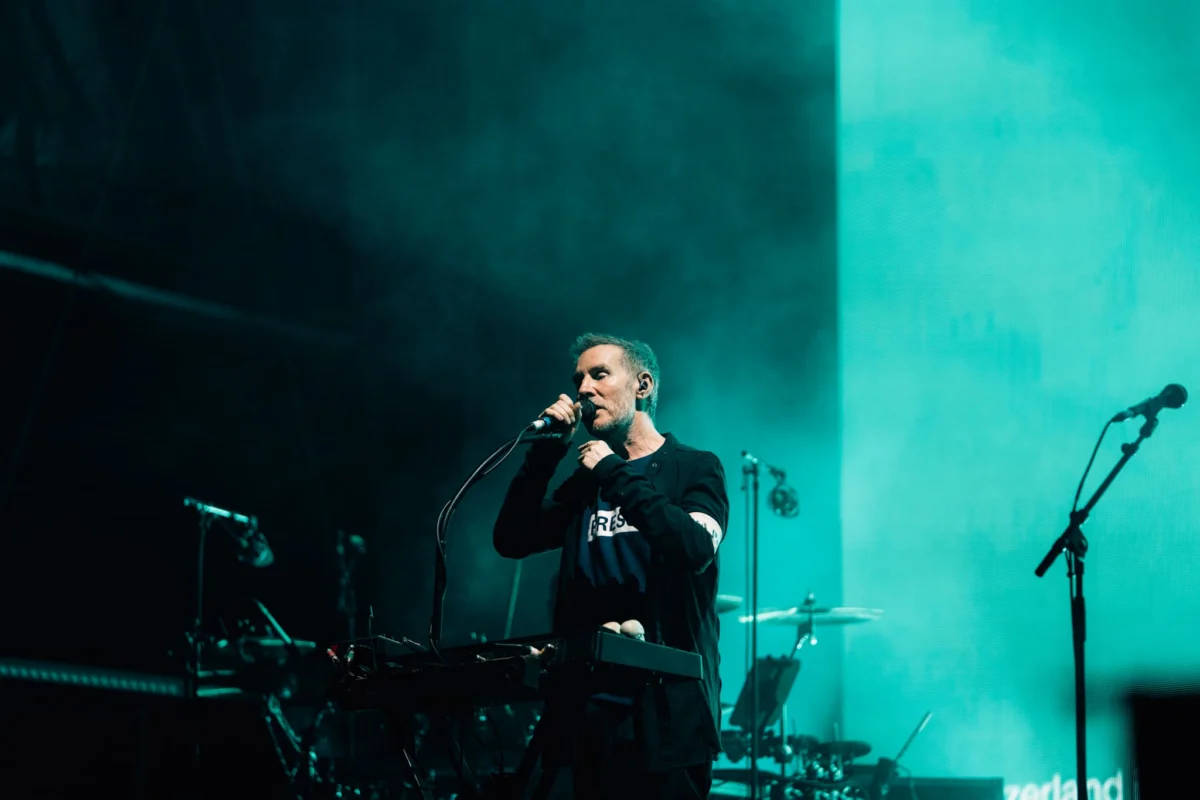
Renowned electronic music duo Bicep has officially made their highly anticipated return to the global music landscape with a robust, collaborative triple release featuring the tracks Air, Lemonader, and Viper. Out now via Ninja Tune, the expansive project bridges the gap between the Northern Irish producers’ foundational rave roots and forward-thinking sonic experimentation. Born out of an intensive period of studio collaboration with seminal Warp and Throttle Records artist and electronic producer Clark, the release serves as a definitive statement of intent for the next phase of the duo’s career. Alongside Clark, the project benefits from targeted vocal contributions, with SOARR lending their voice to Air and Saskia completing the lineup on Viper. Accompanying visual elements for the release draw heavily upon the raw, burgeoning energy of the underground free party movement, paying homage to the subculture that initially shaped the artists involved.
Chronology of the Collaboration and Studio Evolution
The genesis of this triple release traces back to a strategic operational shift for Bicep, who recently relocated to a new, purpose-built studio. For years, the Belfast-born duo—comprising Matt McBriar and Andy Ferguson—relied on standard production environments that, while effective for crafting club-ready anthems, limited certain facets of their recording process. The construction of a dedicated, in-house vocal booth fundamentally altered their workflow, allowing them to capture live, in-the-room performances for the first time in their career.
During this transitional period, McBriar and Ferguson joined forces with electronic auteur Clark. Known for his intricate, emotionally resonant, and boundary-pushing output on Warp Records, Clark injected a fresh dynamic into the studio sessions. The creative partnership was not merely a superficial remix swap or a distanced file-sharing exercise; rather, it involved deep, physical collaboration in the newly minted studio space. This environment facilitated the organic integration of vocalists SOARR and Saskia, transforming the traditional Bicep instrumental template into something more narrative-driven and vocally focused. The resulting tracks—Air, Lemonader, and Viper—represent the culmination of months of meticulous sound design, writing, and engineering within this upgraded production hub.
Supporting Data and Industry Context
The release of Air, Lemonader, and Viper on Ninja Tune highlights the enduring commercial and critical viability of underground electronic music within the modern streaming and physical markets. Ninja Tune, an independent record label established in 1990 by Coldcut, has long served as a premier incubator for boundary-pushing electronic talent, making it a fitting home for a project that marries club hedonism with IDM (Intelligent Dance Music) intricacies.
Bicep’s commercial footprint has grown exponentially over the past decade. Following the breakout success of their 2017 self-titled debut album on Ninja Tune—which charted in the UK Official Albums Top 20—and their critically acclaimed 2021 sophomore record Isles, which peaked at No. 2 on the UK charts, the duo has transitioned from underground club favorites to global festival headliners. Their live shows, lauded for their immersive visual production and sonic clarity, have sold out iconic venues worldwide, including London’s Alexandra Palace and O2 Academy Brixton. By bringing in Clark—an artist with a deep, revered catalog spanning two decades—Bicep has strategically anchored their pop-leaning crossover appeal back into the bedrock of left-field electronic innovation. Furthermore, the inclusion of up-and-coming vocal talents SOARR and Saskia reflects a broader industry trend of major electronic acts leveraging grassroots talent to inject authenticity and diverse emotional resonance into their recorded output.
Official Statements and Creative Insights
Addressing the monumental shift in their production methodology, Bicep offered detailed commentary regarding the creation of the new material and the collaborative synergy that drove the sessions.
This really marks the start of a new chapter for us, the duo stated. Moving into a new studio, where we built our own vocal booth, has completely transformed how we work. We’ve finally managed to step up our recording process, allowing us to collaborate live in the room with amazing vocalists like SOARR and Saskia to add a whole new layer to our sound.
The producers also expressed profound admiration for their studio partner, emphasizing the unique dimension that Clark contributed to the collaborative framework. On top of that, it was a genuine pleasure to collaborate with Clark, one of our all-time favorite producers, Bicep noted. He has brought another dimension to the project and really pushed us to the next level while keeping our core energy intact.
The sentiment underscores a mutual respect between pillars of contemporary electronic music, merging Bicep’s knack for euphoric, stadium-sized melodic hooks with Clark’s penchant for textured, unpredictable soundscapes. The visual component of the release, directed to capture the grassroots momentum of underground free parties, serves as a visual manifesto, reminding audiences of the countercultural spaces where electronic music first forged its community bonds.
Broader Impact and Market Implications
The arrival of Air, Lemonader, and Viper carries significant implications for the trajectory of contemporary electronic music production. As commercial dance music increasingly leans toward algorithmic optimization and rapid-fire single releases, Bicep’s deliberate investment in a physical studio space and long-form collaborative writing sessions demonstrates a commitment to craft and artistic longevity.
By integrating Clark into the core production fold, Bicep has effectively bridged two distinct lineages of British and Irish electronic music: the melodic, club-focused heritage of late-2000s blog house and classic rave, and the cerebral, texture-heavy IDM tradition championed by Warp Records. This cross-pollination appeals to both aging clubbers nostalgic for warehouse aesthetics and younger, streaming-native listeners who consume electronic music through cinematic visualizers and playlist-curated formats.
Moreover, the emphasis on live vocal integration via SOARR and Saskia signals a structural evolution in Bicep’s live performance capabilities. Historically known for high-octane DJ sets and instrumental live hardware shows, the incorporation of dedicated vocalists opens up viable pathways for more dynamic, song-oriented live performances on future tour itineraries. As Ninja Tune continues to champion the release across global radio syndicates, digital streaming platforms, and independent record stores, Air, Lemonader, and Viper stand as a masterclass in how established electronic acts can successfully reinvent their creative parameters without alienating their core demographic.