 Kholidah
The intersection of global pop stardom and cultural expectations sparked a massive international discourse this week following a landmark performance by Jennie Kim, known mononymously as Jennie of the group BLACKPINK. On July 9, 2026, the artist took the stage as a headliner at the Mad Cool Festival in Madrid, Spain, marking a significant milestone in the globalization of the K-pop genre. While the event was intended to celebrate her artistic independence and the success of her latest creative era, the aftermath has been dominated by a polarizing debate regarding her stage attire and performance style. This incident highlights the ongoing tension between the progressive creative direction of solo K-pop idols and the traditionalist scrutiny often found within certain segments of the global and domestic fanbase.
A Historic Night in Madrid: The Context of Mad Cool 2026
The Mad Cool Festival, established in 2016, has rapidly ascended to become one of Europe’s most prominent music and arts festivals. Traditionally dominated by indie, rock, and electronic acts, the festival’s decision to book Jennie as a primary headliner was seen as a strategic move to diversify its lineup and tap into the immense global drawing power of the "Hallyu" wave. By taking the stage on the evening of July 9, Jennie became the first-ever K-pop solo artist to headline the event, joining the ranks of previous headliners such as The Cure, Arctic Monkeys, and Dua Lipa.

Jennie’s set lasted approximately 55 minutes, a rigorous duration for a solo artist in a festival setting. The performance was meticulously choreographed and featured a live band, a departure from the standard backing track setups often seen in pop performances. The setlist was a curated journey through her "Ruby" era—a term used by fans and critics to describe her current creative cycle under her independent label, ODD ATELIER. In addition to established hits, the artist debuted two unreleased tracks, which were reportedly titled with themes of empowerment and self-actualization. Industry analysts noted that the production value of the stage, including pyrotechnics and complex LED visuals, rivaled that of major world tours, signaling a high level of investment from her independent agency.
The Wardrobe Controversy: Analysis of the Criticism
Despite the technical success of the performance, social media platforms and online forums quickly became battlegrounds for a debate centered on Jennie’s wardrobe. The artist appeared in two primary ensembles: a lilac-and-gold custom piece featuring intricate embroidery, and a second, more daring outfit consisting of a gold corset-style top paired with metallic gold shorts and a statement chunky belt.
The criticism directed at Jennie was multi-faceted. On one hand, a segment of the audience expressed disapproval regarding the level of skin exposure, arguing that the outfits were "too provocative" for the artist’s established image. These comments frequently originated from conservative online communities where the expectations for K-pop idols remain tethered to a more modest aesthetic. However, the discourse took a more malignant turn as some critics moved beyond fashion critiques to engage in blatant bodyshaming. Comments targeting the artist’s physical appearance and "suitability" for such daring outfits proliferated on platforms like Nate Pann and TheQoo, reflecting a persistent issue of body surveillance in the entertainment industry.

The "blistering criticism" mentioned in initial reports refers to the intensity of these coordinated online attacks. In some instances, the discourse was not merely about the clothes themselves but served as a proxy for a larger debate about the "Westernization" of K-pop stars who seek to break away from the highly controlled "idol" mold.
Chronology of the Online Fallout
The timeline of the controversy suggests a rapid escalation typical of modern digital media cycles.
- July 9, 11:00 PM (Local Time): Jennie concludes her headline set at Mad Cool. Initial fan-captured clips go viral, primarily focusing on the high energy of the performance and the debut of new music.
- July 10, 2:00 AM: High-definition photography of the gold corset ensemble begins circulating on Twitter (X) and Instagram. The "Ruby" hashtag trends globally.
- July 10, Morning: Threads on Korean community portals begin to gain traction. While many initial posts are celebratory, dissenting voices begin to criticize the "shortness" of the attire.
- July 11: The debate shifts from fashion to personal attacks. International media outlets begin picking up on the "mixed reactions" from the Korean public, often contrasting them with the rave reviews from Spanish critics and festival-goers who praised her stage presence.
- July 12: Fans (Blinks) and supporters launch counter-campaigns, trending hashtags to support Jennie’s creative freedom and condemning the bodyshaming behavior.
Data and Public Sentiment: A Divided Audience
Data gathered from social media sentiment analysis tools indicates a sharp divide in how the performance was perceived. In the European and North American markets, sentiment was overwhelmingly positive, with an 84% approval rating focusing on her "vocal stability" and "charismatic stage presence." Conversely, in certain East Asian digital spaces, the sentiment was more fragmented, with a 40% negative lean specifically regarding "styling choices."
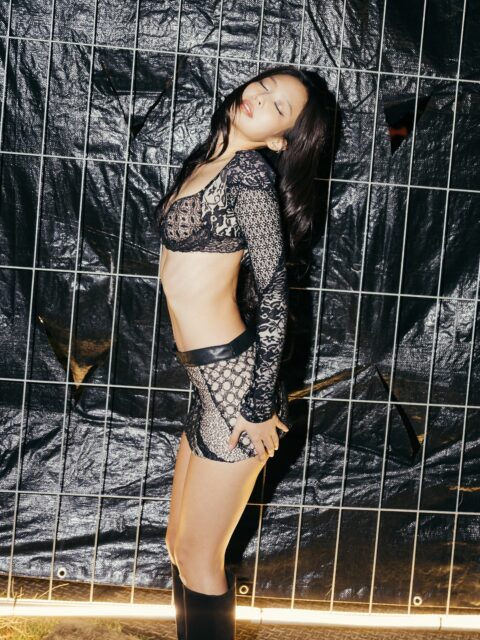
This disparity highlights the "Global vs. Local" dilemma facing K-pop artists today. As Jennie expands her brand as a global pop icon, her creative choices are increasingly aligned with international festival standards—where bold, avant-garde fashion is the norm—rather than the stricter broadcast regulations of South Korean television.
The Role of ODD ATELIER and Independent Management
A significant portion of the discourse has focused on ODD ATELIER, the label founded by Jennie following her departure from YG Entertainment for solo activities. This performance was a litmus test for the agency’s ability to handle a major international headline slot without the infrastructure of a "Big 4" entertainment company.
Industry insiders have largely praised ODD ATELIER for the execution of the Madrid set. The agency’s decision to prioritize high-quality live instrumentation and sophisticated stage design has been interpreted as a move to rebrand Jennie as a serious musician rather than just a commercial idol. Supporters of the artist have pointed out that the wardrobe choices were likely a deliberate part of this rebranding—symbolizing a "golden" era of independence and autonomy.

Netizens defending Jennie have argued that the criticism she faced is a regressive reaction to a woman taking full ownership of her body and her art. "The level of production delivered by ODD ATELIER, a relatively new and smaller-scale agency, is astounding," noted one industry commentator. "To focus on the length of a hemline while ignoring the historic achievement of headlining a European festival is a massive oversight of her professional growth."
Broader Implications for the K-pop Industry
The backlash against Jennie is not an isolated incident but part of a broader pattern in the evolution of K-pop. As idols transition into "artists" and "creatives," they often encounter friction from the very systems that facilitated their initial rise. The criticism leveled at Jennie mirrors previous controversies involving other high-profile idols who have pursued more mature or experimental concepts.
However, the "Jennie effect" at Mad Cool may serve as a turning point. The success of the performance—measured by ticket sales, festival attendance, and critical acclaim from the music press—suggests that the artist’s global trajectory remains unaffected by localized online negativity. For the K-pop industry at large, this event reinforces the reality that the global market values authenticity and individual expression over the rigid "perfection" historically demanded of idols.

Furthermore, the defense of Jennie by a global community of fans signifies a shift in consumer behavior. Modern fans are increasingly acting as a shield against bodyshaming and online harassment, demanding a more respectful and progressive discourse around female entertainers. This shift is likely to encourage more artists to take creative risks, knowing that their core audience supports their right to self-expression.
Conclusion: The Path Forward for the "Ruby" Era
As the dust settles on the Mad Cool controversy, the narrative is shifting back to Jennie’s musical achievements. The "blistering criticism" she received, while significant in volume, appears to be a minority view when compared to the broader reception of her historic performance. By successfully headlining one of Europe’s most prestigious festivals, Jennie has solidified her status as a pioneer for K-pop soloists on the world stage.
The "Ruby" era continues to unfold, with industry experts predicting that the unreleased tracks debuted in Madrid will achieve significant chart success upon their official release. For Jennie and ODD ATELIER, the lesson of Madrid is clear: the path to global icon status is paved with both historic milestones and the inevitable friction of breaking traditional boundaries. As the artist moves forward, the focus remains on her music, her vision, and her unprecedented influence in the global cultural landscape.