 Kholidah
The global music industry is currently centered on the impending release of "Normal," the highly anticipated second single from BTS’s latest studio album, ARIRANG, following the release of a provocative and widely discussed music video teaser on July 15, 2026. This latest creative direction from the world-renowned septet has ignited a complex debate across social media platforms regarding gender standards, artistic freedom, and the unique level of scrutiny applied to the group’s public image. As the music video is scheduled for a full global release on July 17, 2026, the 20-second preview has already accumulated millions of views, demonstrating the group’s unwavering ability to command the cultural zeitgeist.
A Visual Departure from the Extraordinary
The teaser for "Normal" offers a stark departure from the polished, high-concept visuals typically associated with K-pop’s global representatives. The clip features the members of BTS lined up at a row of urinals in a public restroom setting. The scene unfolds with leader RM entering the space and scanning for an available spot, capturing a moment that is intentionally mundane and arguably "normal," fitting the song’s title.
This aesthetic choice follows a sophisticated "tabloid-style" marketing campaign that preceded the video. In the days leading up to the teaser, fans and passersby in major global cities reported sightings of physical advertisements designed to mimic sensationalist newspaper headlines. These ads, which featured the members in various candid and seemingly unposed scenarios, served to prime the audience for a project that explores the boundaries between the idols’ public personas and their private, everyday realities.
The ARIRANG Era: Context and Chronology
The track "Normal" serves as a pivotal moment in the promotional cycle for the ARIRANG album. While the group has explored themes of self-love, social commentary, and personal growth in previous eras, ARIRANG appears to be a more grounded, perhaps even deconstructive, look at their status as cultural icons.
The timeline of this release has been meticulously managed by BIGHIT MUSIC:
- Early July 2026: Mysterious "tabloid" advertisements appear in Seoul, New York, London, and Tokyo, featuring grainy, paparazzi-style imagery of BTS.
- July 10, 2026: The tracklist for the ARIRANG album is officially unveiled, with "Normal" identified as the second lead single.
- July 15, 2026: The official music video teaser for "Normal" is uploaded to HYBE’s YouTube channel, immediately trending in over 50 countries.
- July 16, 2026: Social media discourse reaches a fever pitch as fans and critics analyze the bathroom concept and its broader implications.
- July 17, 2026: The full music video and digital single are slated for release at 1 PM KST.
Analyzing the Controversy: Gender Standards and Social Media Reaction
The "Normal" teaser has become a lightning rod for discussions regarding double standards in the entertainment industry. Shortly after the video’s debut, a segment of social media users raised questions about the reception of such a concept if it were executed by a female idol group. These critics argued that a girl group depicting a bathroom scene—even one as sanitized as the BTS teaser—would likely face immediate backlash, accusations of indecency, or a loss of "brand purity."
"But if a girl group did this…" became a recurring sentiment among observers on X (formerly Twitter). This perspective highlights a long-standing critique of the K-pop industry, where female performers are often held to more rigid standards of decorum and visual presentation than their male counterparts.
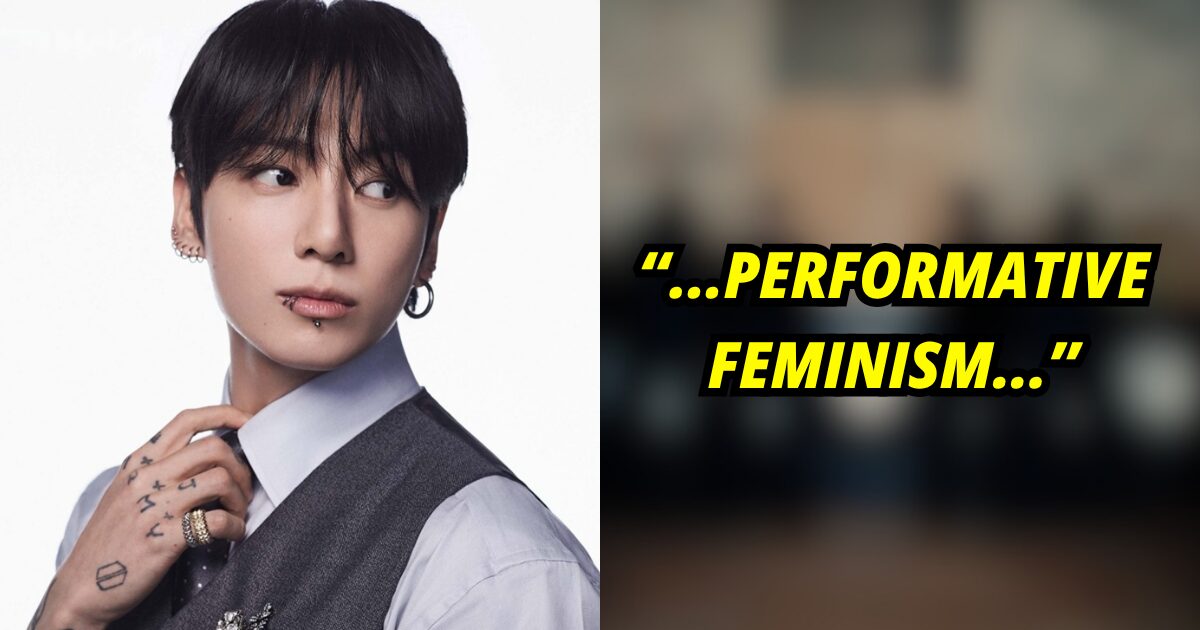
Conversely, many defenders of the group and cultural commentators pointed out that the scrutiny BTS faces is often disproportionate due to their unparalleled visibility. Supporters argued that the group is frequently subjected to "performative feminism" from critics who use BTS as a proxy for larger systemic issues within the industry. One viral response noted that the teaser contained no actual indecency and that the bathroom setting was a common cinematic trope used to humanize characters.
Furthermore, fans pointed out that the "bathroom concept" is not entirely unprecedented for female artists. Various female idols have utilized restroom settings for photo shoots or music video scenes to convey themes of vulnerability or rebellion. However, the specific act of "using" a urinal—even as a simulated comedic or mundane moment—is a visual largely restricted to male performers in South Korean media.

Historical Precedents in K-Pop Visuals
The use of bathroom imagery to convey "realness" or subversion has roots in earlier K-pop generations. Observers were quick to reference the 2015 music video for "ZUTTER" by BIGBANG’s sub-unit GD & T.O.P. In that video, the two rappers are seen in a highly stylized bathroom scene, which at the time was viewed as a rebellious statement against the hyper-sanitized image of idols.
By revisiting this type of imagery in 2026, BTS appears to be engaging with a lineage of "idol deconstruction." By placing the world’s most famous pop stars in the most common of environments, the "Normal" teaser functions as a literal interpretation of its title. It challenges the "god-like" status often attributed to the group, suggesting that despite the stadium tours and diplomatic appointments, they remain tethered to the same biological and social realities as their audience.
Marketing Strategy and Artistic Intent
The "tabloid" aesthetic of the ARIRANG campaign suggests that "Normal" may be a commentary on the invasive nature of fame. Throughout their career, BTS has been the subject of intense media scrutiny and constant surveillance by both fans and paparazzi. By leaning into a tabloid visual style, the group may be reclaiming the narrative, turning the "lens" back on the absurdity of the media’s obsession with their every move.
Industry analysts suggest that this strategy is designed to create "friction" in the public eye. "BTS is at a stage where they don’t need to play it safe," says a Seoul-based media consultant. "By releasing a teaser that sparks debate over gender double standards and ‘appropriate’ idol behavior, they are ensuring that the conversation remains centered on them. It is a calculated move to prove their artistic maturity and their willingness to challenge the ‘perfect idol’ archetype."
Broader Impact and Industry Implications
The debate surrounding "Normal" reflects a maturing K-pop audience that is increasingly concerned with social issues, including gender equality and the ethics of idol management. While the controversy may seem localized to social media, it has broader implications for how agencies approach creative concepts in the future.
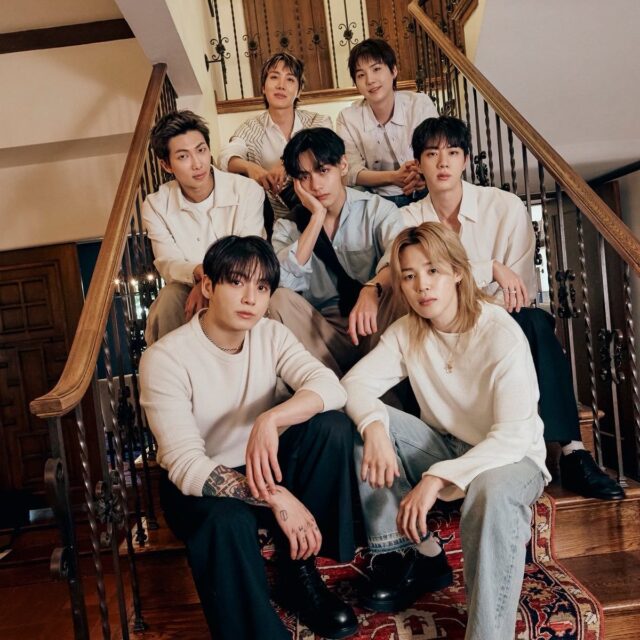
If "Normal" is received as a critical and commercial success, it could pave the way for other groups—both male and female—to experiment with more "gritty" or mundane concepts that move away from the traditional fantasy-driven visuals of K-pop. However, the debate also serves as a reminder that the industry still struggles with a "gendered" lens of criticism. The fact that a 20-second clip of a bathroom scene can spark a global conversation about misogyny indicates that the audience is looking for more than just music; they are looking for a reflection of modern social dynamics.
Conclusion: Anticipation for the Full Release
As the countdown to July 17 continues, the "Normal" teaser has successfully achieved its primary goal: total market saturation and intense public engagement. Whether the song is a satirical take on fame or a sincere exploration of the "normal" man behind the global icon, BTS has once again proven their ability to provoke thought and command attention.
The ARIRANG album is expected to break several pre-order records, and the "Normal" music video is projected to reach 100 million views within its first few days of release. Beyond the numbers, however, the lasting impact of this release may lie in the conversations it has started—forcing fans and critics alike to examine the boundaries of the "normal" and the "extraordinary" in the world of global pop music.
With the full video set to be released soon, the music industry awaits to see how the septet will conclude this visual narrative and whether the full context of the "bathroom scene" will resolve or further fuel the current social discourse. For now, BTS remains at the center of a complex intersection of art, gender politics, and global superstardom.