 Johan Budi
The contemporary global jazz landscape exists in a perpetual state of tension between institutional standardization and avant-garde exploration. As higher education institutions across the first world continue to graduate unprecedented numbers of formally trained jazz musicians annually, critics and industry observers face a pressing question: How do these emerging artists secure a viable commercial audience, and more critically, how do they preserve artistic freshness within a genre defined by heavy historical precedent? Two recent releases—Caktus x Ojkos and their collaborative album Øyeblikk, alongside veteran Danish pianist Ole Matthiessen’s career-spanning compilation Subcurrents—offer two distinct case studies in answering these modern dilemmas. Released via Sonic Transmissions Records and Storyville Records respectively, these projects illuminate contrasting trajectories within the European jazz ecosystem, reflecting decades of stylistic evolution, compositional rigor, and the persistent challenges of modern music marketing.
The Institutional Factory and the Quest for Freshness
For decades, conservatory systems in Europe and North America have operated as efficient incubators for technical proficiency. However, this industrial-scale production of jazz graduates has frequently drawn skepticism regarding artistic originality. When every graduate possesses master-level command of harmony, rhythm, and ensemble interaction, the differentiator shifts from execution to compositional identity. In an environment oversaturated with technically flawless yet derivative recordings, listeners and critics increasingly demand music that engages both the intellectual faculties and the emotional core.
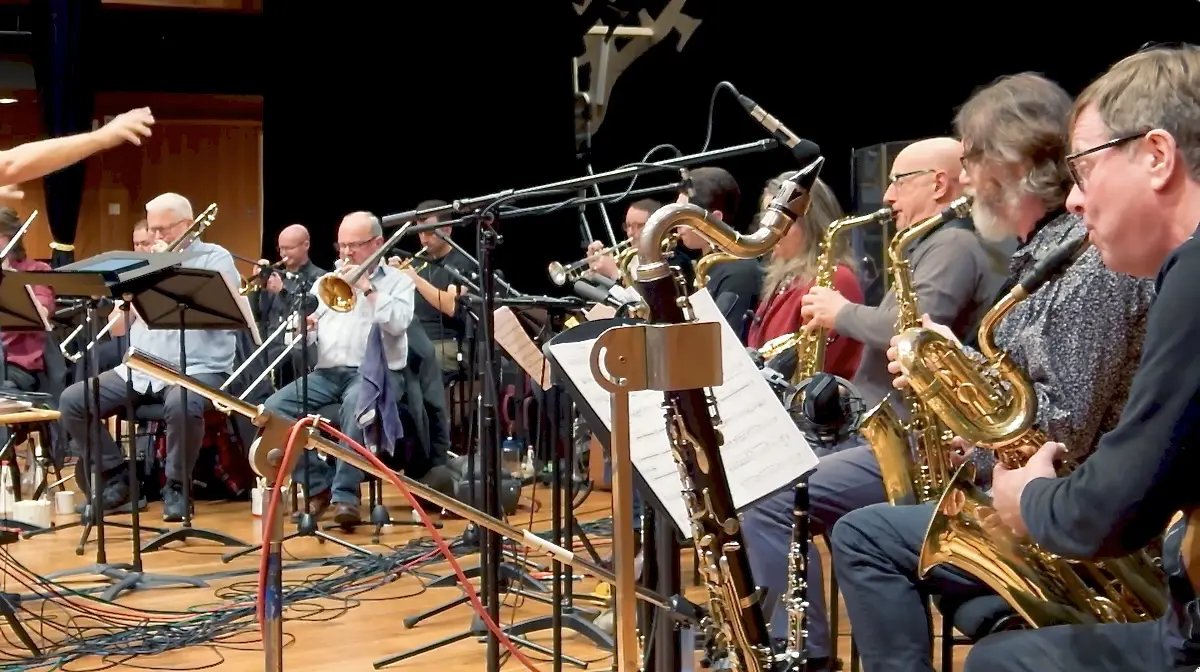
Øyeblikk, the ambitious collaborative effort between the experimental large ensemble Ojkos and the avant-garde composition project Caktus, emerges as a rare triumph within this crowded marketplace. Recorded live at the prestigious Victoria Nasjonale Jazzscene in Oslo, Norway, the album manages to sidestep the academic sterility that often plagues large-ensemble contemporary jazz. Instead, it offers a deeply layered listening experience characterized by structural intrigue, proving that repeated engagement yields substantial artistic dividends.
Compositional Craftsmanship and Ensemble Dynamics on Øyeblikk
At the center of Øyeblikk’s artistic success is clarinetist and alto saxophonist Maria Dybbroe, who is solely responsible for the album’s sophisticated compositions. Dybbroe weaves a complex tapestry of subtle influences that remain refreshingly understated throughout the 64-minute and 58-second runtime. Rather than wearing her inspirations on her sleeve, she synthesizes diverse musical movements into a cohesive, unpretentious sonic vocabulary.
The track Kalvoya serves as a prime example of this methodology. The piece navigates an atmosphere of unsettled serenity, seamlessly incorporating elements of Terry Riley-esque minimalism alongside structural cues reminiscent of Wadada Leo Smith’s expansive works for larger ensembles. Approximately four minutes into Kalvoya, the composition blossoms organically, acting as a structural preamble to a soaring, uncredited trumpet solo. The transition is entirely lacking in contrivance, demonstrating a mature approach to large-ensemble pacing that avoids the trap of gratuitous instrumental display.
Another centerpiece of the album is Min Have, which spans nearly 12 minutes. The piece exhibits a rare appreciation for subtlety and nuance in contemporary jazz composition. Dybbroe and the ensemble deliberately maintain a healthy distance from commercial accessibility and overt dance-floor grooves, while equally avoiding the stereotypical affectations of the academic jazz purist—the furrowed brow and the stroked chin. The music projects a cool, slightly forbidding exterior, yet beneath the surface lies a beating heart and a genuine sense of sonic discovery that remains scarce in modern releases.
The Broader Landscape and Commercial Realities of Modern Jazz
Despite its critical triumph, the commercial reality facing Øyeblikk underscores the systemic inequities of the contemporary music industry. In an era dominated by algorithmic streaming preferences and high-budget marketing campaigns lavished upon hyper-commercialized, superficial pop music, progressive jazz releases frequently struggle for visibility. Observers note that albums requiring active, contemplative listening secure only a fraction of the promotional capital and uncritical media endorsements afforded to more mainstream, digestible genres.
Even within specialized jazz circles, physical record sales and targeted marketing budgets have contracted significantly over the past decade. Independent labels such as Sonic Transmissions Records rely heavily on dedicated subscriber bases, critical advocacy, and European cultural grants to sustain operations. Yet, releases of the caliber of Øyeblikk—featuring a sprawling lineup including Tancred Heyerdahl Huso and Lyder Ovreas Roed on trumpets, a formidable trombone section comprising Magnus Murphy Joelson, Johannes Fosse Solvang, and Jorgen Bjelkerud, alongside woodwinds, guitar, cello, basses, vibraphone, and dual percussionists—represent the pinnacle of contemporary Nordic jazz innovation. Alongside tracks like Staerk Strom, Fornebu, Trollhattan, and Det Nye Ar, the album stands as a formidable contender for year-end critical accolades, highlighting the robust health of Oslo’s underground and experimental jazz scenes.
Ole Matthiessen: Subcurrents and the Retrospective View
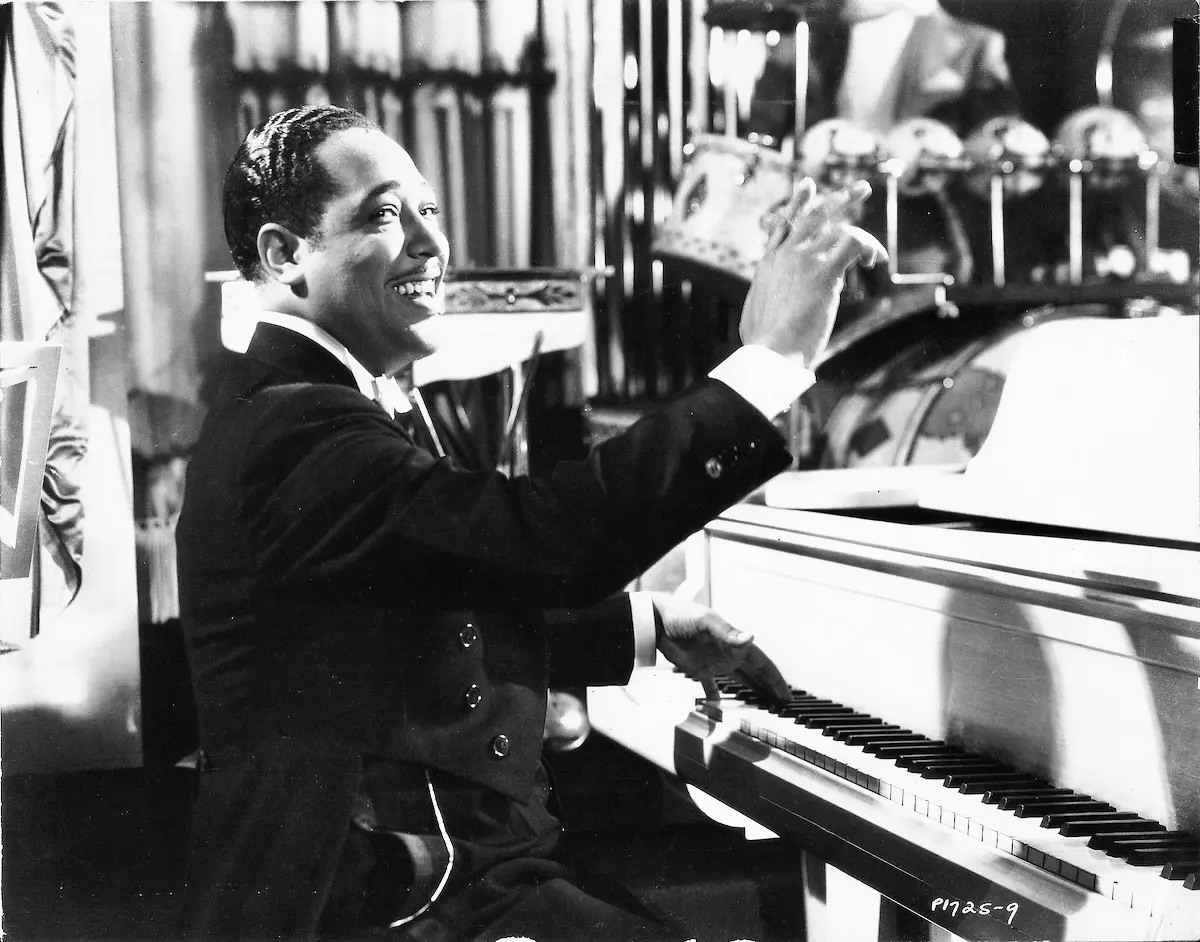
In stark contrast to the sprawling collaborative energy of Caktus x Ojkos, Danish pianist Ole Matthiessen offers a deeply personal, longitudinal retrospective with his career-spanning compilation Subcurrents, released on Storyville Records. Matthiessen, who celebrated his 80th birthday earlier this year, occupies a fascinating space in Danish jazz history. Despite a career spanning well over half a century, he remains a relatively obscure figure outside of dedicated Scandinavian jazz circles, making Subcurrents a vital historical document for international listeners.
Spanning recordings captured between 1968 and 2023, the 71-minute and 23-second compilation provides a panoramic overview of an industrious and stylistically versatile career. Matthiessen’s artistic journey has traversed diverse settings and line-ups, ranging from intimate, contemplative piano solos to exploratory electro-acoustic configurations incorporating custom-built, invented instruments. However, musicologists and critics reviewing the compilation have pointed out a persistent artistic paradox: while the breadth of Matthiessen’s career is undeniable, the recordings occasionally lack the sharp edge and distinct artistic identity required to make the music truly compelling on an international stage.
Chronological Evolution and Retrospective Analysis of Matthiessen’s Work
The chronological architecture of Subcurrents is anchored by its bookends: two freshly recorded solo piano title tracks captured in November 2025. These pieces resonate with the accrued weight of a lifetime spent navigating the piano keyboard and the broader European jazz milieu. Eschewing wasted energy or virtuosic grand gestures, Matthiessen approaches the instrument with meditative economy. Yet, when placed beside historical masters of the idiom such as Bill Evans or Geri Allen, the lyrical core of Matthiessen’s solo work occasionally feels restrained, lacking the laser-focused emotional intensity that defined the high-water marks of 20th-century jazz piano.
Moving backward through the chronological timeline of the compilation reveals a restless spirit willing to experiment across stylistic boundaries. Among the historical artifacts presented, Tapping, performed by the ensemble Global Units, emerges as a critical highlight. This track engages listeners precisely because it ventures furthest from safe, orthodox notions of traditional jazz vocabulary. Music critics examining Tapping have drawn intriguing stylistic parallels to the pioneering work of the American psychedelic/proto-industrial band Fifty Foot Hose, while noting an equally strong kinship with the electric-fusion experiments Miles Davis pursued in the late 1960s and early 1970s.
Further back in the timeline, the Poul Ehlers Quartet recording from late December 1968, featuring the track Den Toppede Hone, captures the fervent, rolling expressionism that characterized the late-1960s European avant-garde. While the performance demonstrates admirable stylistic fluency with the period’s prevailing idioms, it suffers from a certain lack of individual distinctiveness—a limitation compounded by its brief duration of under four minutes, which leaves little room for deep thematic development. Featuring collaborations with notable Scandinavian players such as Erling Kroner on trombone, Jesper Zeuthen on saxophone, and vocalist Malene Bichel, the tracks compiled across Subcurrent 1, Footloose, Istanbul Memories, One For Ben, and Subcurrent 2 map out a quiet, persistent trajectory through the changing tides of Danish modern music.
Comparative Implications for the Future of Jazz
Examined side by side, Caktus x Ojkos’s Øyeblikk and Ole Matthiessen’s Subcurrents articulate the dual trajectories defining contemporary jazz scholarship and production. On one hand, the collaborative vigor of the Norwegian scene demonstrates that collective composition, cross-generational ensemble integration, and uncompromising artistic vision can yield startlingly fresh results. By refusing to pander to commercial expectations, Dybbroe and her peers have crafted a modern masterwork that challenges institutional stagnation.
Conversely, Matthiessen’s career retrospective offers a sobering reminder of the realities facing lifelong musicians operating outside the global spotlight. It underscores the fact that longevity and stylistic diversity do not automatically equate to enduring historical impact, even as they preserve valuable chapters of regional jazz history. As the international jazz community continues to grapple with the influx of conservatory-trained talent and the shifting economics of recorded music, releases like these will serve as essential benchmarks—measuring not only how far the genre has traveled, but how it intends to sustain its creative pulse in the decades ahead.