Mia Khoirunisa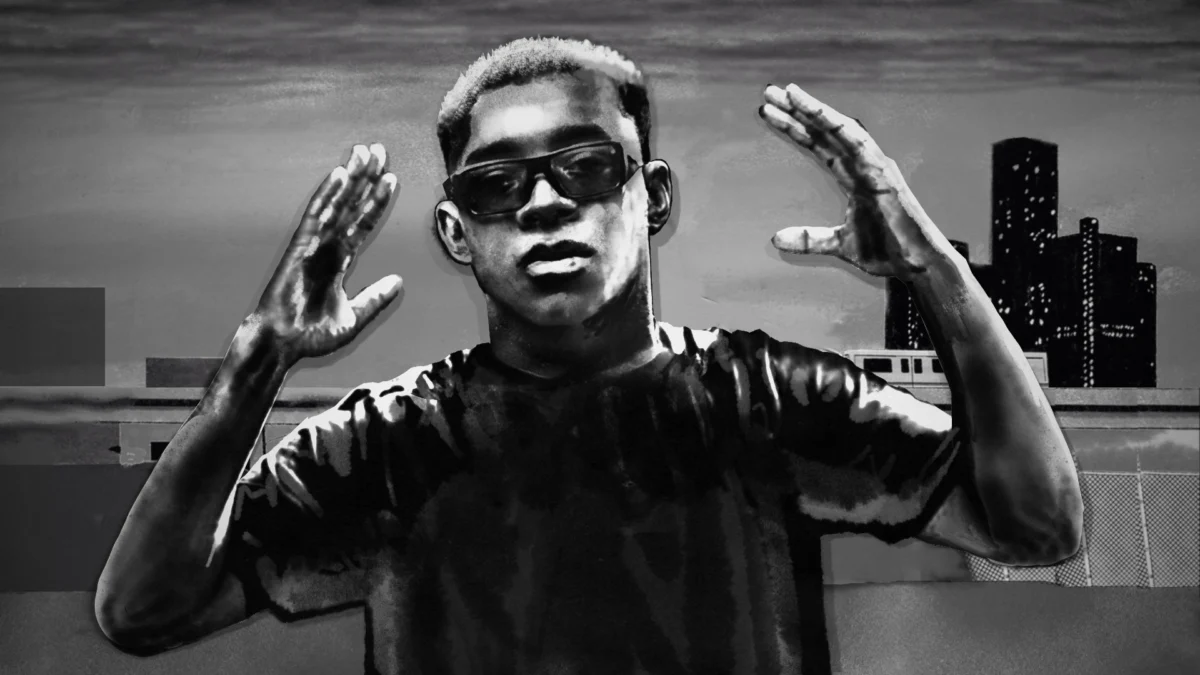
The global celebration of electronic music culture known as 909 Day has yielded one of its most culturally significant programming highlights, featuring techno originator and member of the legendary Belleville Three, Kevin Saunderson. In collaboration with Roland, Saunderson is conducting a comprehensive, free public workshop centered on the iconic TR-909 rhythm composer and the evolution of hardware drum synthesis. Hosted live from Detroit at Waajeed’s esteemed Underground Music Academy (UMA)—situated on the very same historic street that once housed Motown Records—the event offers both in-person attendance and a worldwide live stream for producers, enthusiasts, and music historians alike.
This convergence of electronic music royalty, historic geography, and cutting-edge music technology underscores the enduring impact of Detroit’s contribution to global dance culture. By bridging the gap between vintage analog hardware and modern production ecosystems, the workshop serves as both a masterclass in rhythm programming and a tribute to the foundational architecture of modern techno and house music.
Chronology of the Event and Registration Details
The 909 Day programming schedule was structured to accommodate a global audience while anchoring the physical experience deeply within Detroit’s rich musical ecosystem.
- Announcement and Reveal: The workshop was officially unveiled as a headline event for the annual 909 Day celebrations, highlighting Roland’s ongoing initiatives to connect historical electronic instruments with contemporary creators.
- Registration Window: In-person registration at the Underground Music Academy opened immediately following the announcement, with slots remaining available until September 11.
- Live Workshop Execution: The masterclass is scheduled to take place on Saturday, running from 3:00 PM to 6:00 PM Eastern Standard Time (Detroit). To accommodate international participants, the broadcast times are synchronized to 6:00 PM to 9:00 PM in Berlin, and 1:00 PM to 4:00 PM on Sunday in Japan.
- Global Access: Alongside the physical workshop at UMA, Roland has made a dedicated live stream publicly accessible via YouTube, ensuring that producers across different continents can participate in real-time.
The Intersection of History and Hardware: From the TR-909 to the TR-1000
The curriculum of the workshop focuses heavily on direct, hands-on engagement with hardware architecture. Saunderson, alongside co-presenter Dustin Good, is utilizing the session to explore the operational nuances of the original Roland TR-909—a drum machine that fundamentally altered the trajectory of electronic music in the early 1980s—alongside contemporary hardware developments such as the TR-1000.
Beyond brand-specific functionalities, the instructional scope of the workshop extends to broader sound-design principles. Participants are learning how to patch, layer, and manipulate drum synthesis across various hardware formats. This technical focus emphasizes that the enduring utility of classic drum machines lies not in the passive replication of factory presets, but in their capacity for dynamic, real-time sound shaping and rhythmic improvisation.
Industry observers have noted that integrating hardware rhythm boxes directly into live DJ sets—treating a drum machine essentially as an additional deck—remains an underutilized performance strategy. By demonstrating how to organically weave hardware percussion into a live mixing environment, Saunderson and Good are encouraging a departure from static sequencing toward more fluid, interactive performance models.
Background Context: Kevin Saunderson and the Detroit Techno Blueprint
To understand the weight of Saunderson’s involvement in this educational initiative, one must examine his foundational role in the genesis of electronic dance music. Alongside high school compatriots Juan Atkins and Derrick May—collectively known as the Belleville Three—Saunderson pioneered the sound of Detroit techno during the early-to-mid 1980s.
Operating under various monikers, most notably as the creative force behind KMS Records and the internationally acclaimed group Inner City, Saunderson helped propel underground American dance music onto the global stage. Anthems such as "Big Fun" and "Good Life" combined the mechanical precision of Japanese drum machines with soulful vocal arrangements, establishing a blueprint that heavily influenced the development of European rave culture, house music, and contemporary pop production.
The decision to host the workshop at the Underground Music Academy, founded by producer and educator Waajeed, further roots the event in community empowerment. UMA has rapidly established itself as a vital institution for nurturing the next generation of Detroit artists, providing accessible, high-level education in music production, composition, and the business of art. Holding the masterclass on a street historically tied to the legacy of Motown serves as a deliberate symbolic link, positioning Detroit techno as the natural evolutionary successor to the city’s rich tradition of innovative soul and popular music manufacturing.
Multimedia Collaboration and the Rhythm Creators Series
In tandem with the live workshop, Roland expanded its digital footprint for 909 Day by releasing the latest installment of its ongoing Rhythm Creators animated series. Illustrated and animated by visual artist Vaughn Taormina—known locally for his contributions to the Murals in the Market initiative, including the visual work surrounding "Count Mack"—the animated short features Saunderson recounting the formative years of Detroit techno.
The video blends stylized visual art with original music scored by Taormina, offering viewers a narrative account of how machines like the TR-909 were utilized in underground Detroit spaces before achieving mainstream historical reverence. The collaboration underscores a broader marketing and cultural strategy by Roland to contextualize its hardware not merely as commercial consumer electronics, but as vital cultural artifacts that were molded by the socio-economic realities of post-industrial American cities.
Broader Implications and Industry Impact
The educational partnership between a major multinational music technology manufacturer and a localized, community-driven institution like the Underground Music Academy highlights a shifting paradigm in music retail and artist relations. Rather than relying solely on traditional promotional campaigns or digital influencer marketing, brands are increasingly investing in foundational education, historical preservation, and grassroots community engagement.
By placing legendary innovators like Kevin Saunderson in a classroom and streaming environment, initiatives of this scale democratize access to decades of accumulated studio wisdom. For emerging producers navigating an oversaturated digital market, direct instruction on hardware manipulation offers a tactile counterweight to software-based workflows.
Furthermore, the emphasis on live hardware performance challenges contemporary DJs and live acts to reconsider the boundaries of their stage setups. As demonstrated by spontaneous live implementations—such as artists integrating compact rhythm units into club booths at legendary venues like Berlin’s Tresor—the fusion of live electronic percussion with continuous DJ mixing continues to push the energetic boundaries of club culture.
Ultimately, the 909 Day collaboration between Roland, Kevin Saunderson, and the Underground Music Academy transcends a routine product demonstration. It serves as an active living archive, ensuring that the methodologies, history, and rebellious creative spirit of Detroit techno are successfully transmitted from the originators to the architects of the future.