 Mia Khoirunisa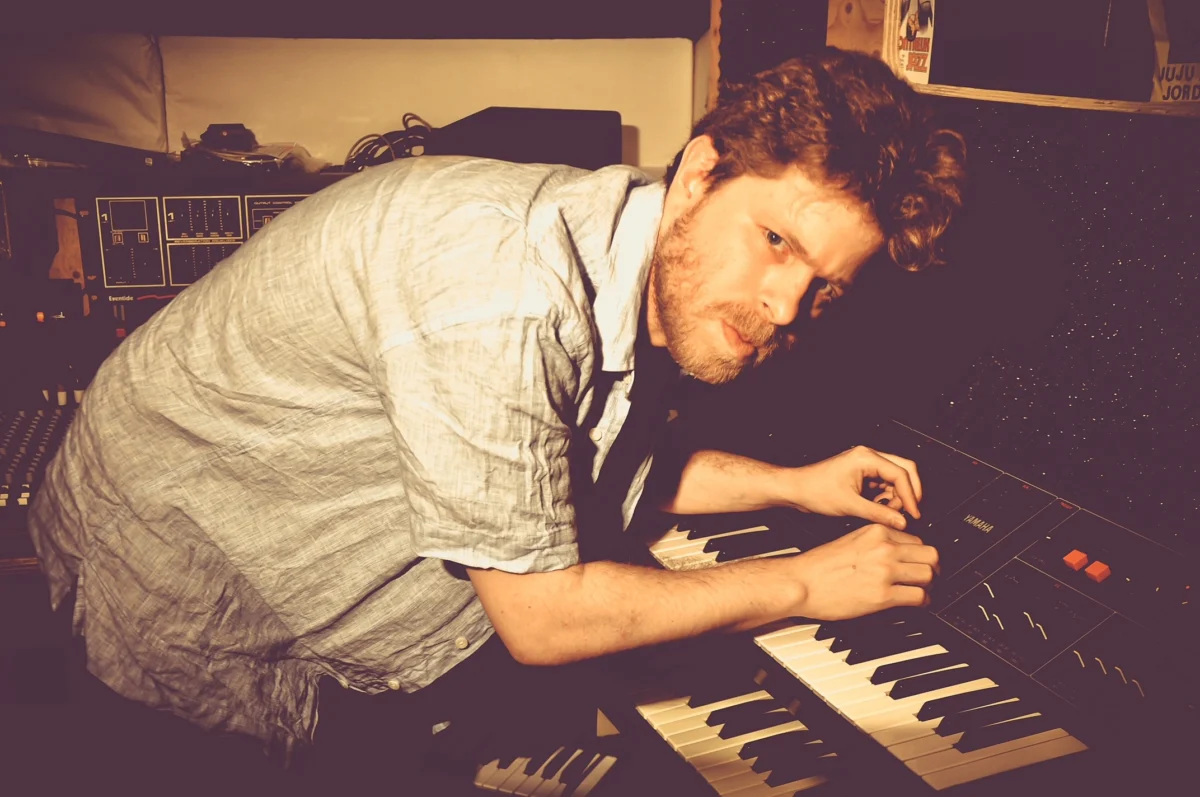
The ever-elusive Jordan Czamanski, a foundational figure in the dance music scene through his work with JuJu & Jordash and Magic Mountain High, is once again making waves with the release of "Clairvoyant Dimensions," a collaborative album with veteran saxophonist Jeff Hollie. Timed with this release, Czamanski sat down for an in-depth conversation, shedding light on his distinctive recording philosophy, the nuanced sonic textures of the album, and the surprisingly humorous genesis of their project’s moniker. This extensive discussion delves into Czamanski’s enduring commitment to hardware, the evolving vintage gear market, his return to MIDI composition, and the unique intersections of jazz, avant-garde, and electronic music that define his expansive artistic output.
The Evolution of a Sound: From Amsterdam to Toronto and Beyond
For two decades, Amsterdam served as Czamanski’s creative epicenter. However, the seismic shift brought on by the global pandemic prompted a significant lifestyle change. "I was based in Amsterdam for like 20 years," Czamanski explained, "then the pandemic happened, and I realized I was done with touring and done with that whole scene, for now. Touring for 15 years was kind of a nightmare for me!" This reevaluation led to his relocation to Toronto, marking a new chapter in his career and personal life.
Czamanski’s musical journey is characterized by a deep-seated preference for the tangible and the unscripted. As one half of JuJu & Jordash, alongside Gal Aner, he helped forge a distinctive brand of loose, live, and hardware-centric dance music that became intrinsically linked with the Dekmantel party and subsequent label. Expanding this collaborative circle to include David Moufang (aka Move D) in Magic Mountain High, and through his solo endeavors as Jordan GCZ, a consistent thread emerges: an aversion to rigid planning and a profound connection to the inherent qualities of "imperfect machines." This philosophy permeates his entire discography, emphasizing the raw energy of live performance and the unique sonic signatures of analog and vintage digital synthesizers.
"Clairvoyant Dimensions": A Fusion of Saxophone and Synthesizers
The album "Clairvoyant Dimensions" represents a significant collaboration between Czamanski and Jeff Hollie, a saxophonist with a rich history dating back to the late 1970s. Hollie’s diverse resume includes stints with avant-garde rock bands like Burning Sensation and Andy and the Rattlesnakes, as well as notable work with Frank Zappa. Recorded in Amsterdam prior to Czamanski’s move to Toronto, the album embodies his established creative methodology: connect the synthesizers, hit record, and improvise.
This "jam-first" approach means that only the most vital moments captured in the studio make it to the final product. The result is a sonic landscape that is both beautiful and unconventional, where Hollie’s expressive saxophone weaves through washes of processed haze. A standout track, "Duct Tape Blues," showcases a delicate, pulsing shimmer, the origin of which lies in an unexpected source tucked away within Czamanski’s extensive rack of equipment.
The Hardware Rig: A Musician’s Traveling Companion
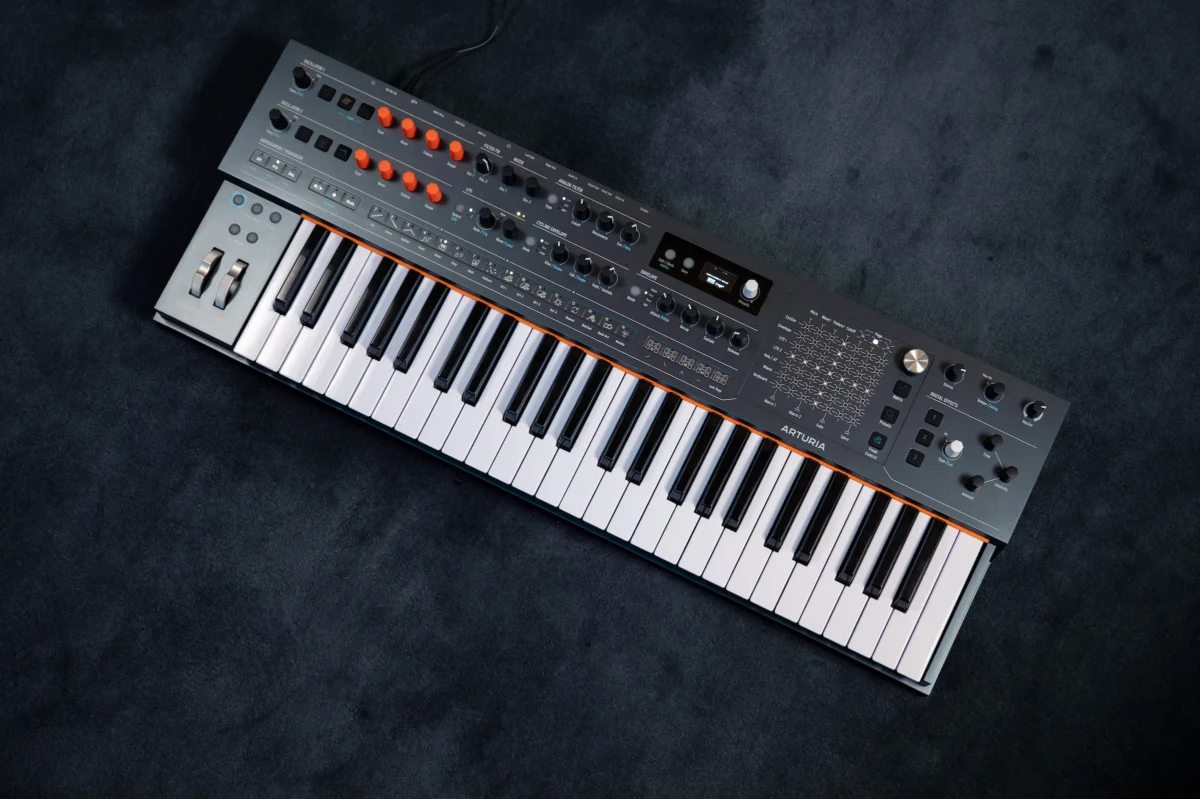
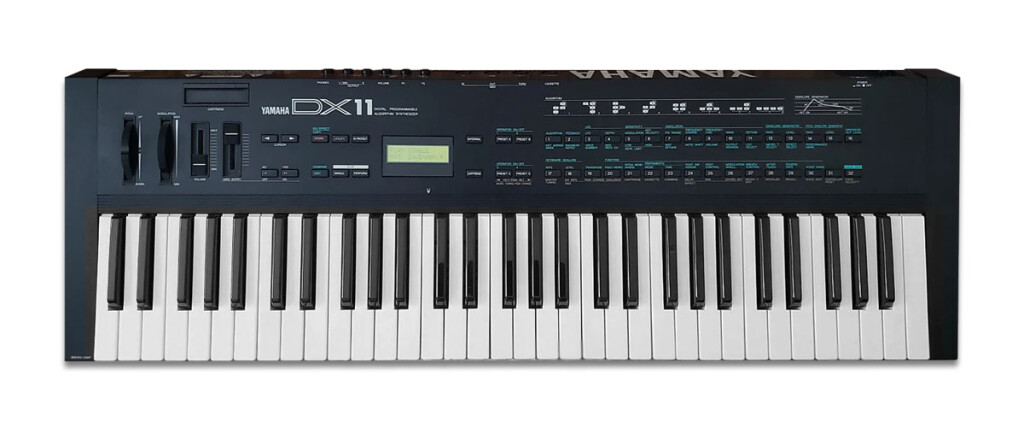
Czamanski’s dedication to hardware is not merely an aesthetic choice; it’s a practical necessity born from his improvisational performance style. His live setup evolved over the years into a meticulously protected rack system. This typically included a Roland TR-8S and TR-606 drum machines, an Oberheim Matrix 1000, a Yamaha DX11, a Korg Wavestation rack unit, and a couple of Arturia Keysteps.
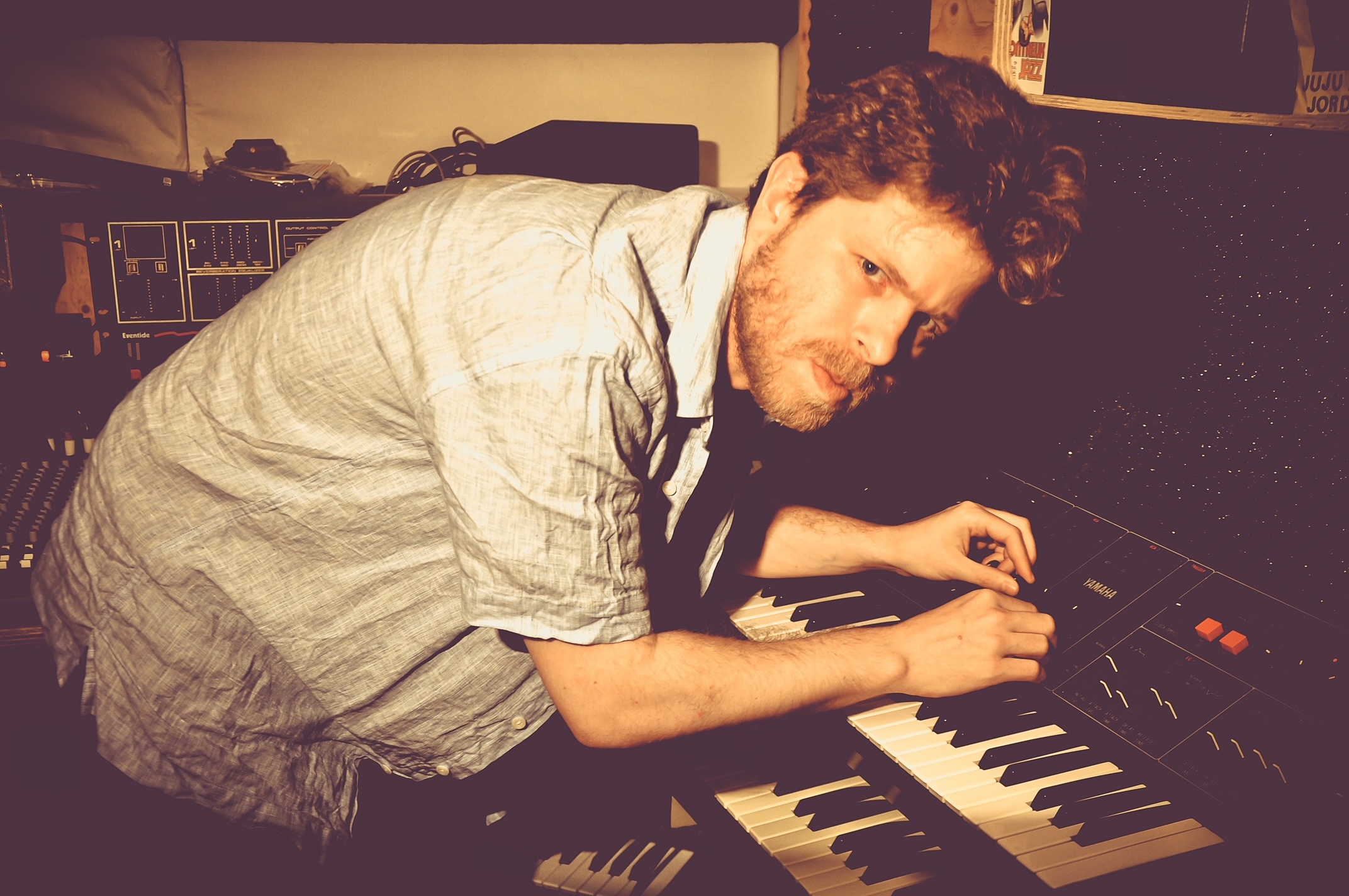
The Yamaha DX11, in particular, holds a special place in Czamanski’s arsenal. While acknowledging the iconic status of the DX7, he finds the DX11 a more pragmatic choice for touring. "It’s like the best of both worlds," he stated. "I prefer the DX7, but it’s very heavy. The DX11 has four operators, and they were very cheap, so I had three. Each time an airline destroyed one, I could just bring a different one on the next tour – that happened twice." This resilience, coupled with its distinct sonic character, made it a reliable workhorse.
The Golden Age of Affordable Gear and the Rise of Vintage Collectibles
The conversation inevitably turned to the burgeoning market for vintage synthesizers. Czamanski recalled a time when certain sought-after instruments were readily accessible and relatively inexpensive. "That gear was cheap and uncool then; now it’s collector money," he observed. He expressed astonishment at current market values, citing the Roland TR-909 fetching upwards of $7,000-$8,000 and the legendary CS-80 commanding prices exceeding $50,000.
This stark contrast highlights a significant shift in the perception and valuation of electronic musical instruments. For Czamanski, the intrinsic value lies not just in the sound but in the tactile experience and the limitations that foster creativity. He fondly remembers purchasing his Roland Juno-60 for a mere $600, a far cry from its current market value, which can exceed $2,500.
The Magic of Analog: Why Hardware Still Reigns Supreme
Czamanski’s preference for hardware extends to his production process, particularly when it comes to achieving a certain sonic authenticity. He remains a staunch advocate for the inherent sonic qualities of vintage digital synthesizers, such as those from the 1980s and early 1990s. While acknowledging the advancements in software emulations, he maintains that they cannot fully replicate the nuanced output of the original hardware.
"I don’t think it’s the chips – it really is the converters, the digital-to-analog conversion," Czamanski explained. "The outputs just sound so much better than just working in the box. Technically it should be possible to emulate a digital synth perfectly." This belief stems from his experience using software synthesizers for sketching ideas, such as the Dexed DX7 emulator. While useful for initial composition, he can discern a subtle, yet significant, difference in the audio output when comparing a software patch to its hardware counterpart. This sonic distinction, though perhaps imperceptible to the casual listener, is "painfully noticeable" to Czamanski, a seasoned sonic architect.
The Art of Improvisation: From Jam Sessions to Finished Tracks
The core of Czamanski’s creative output, from JuJu & Jordash to his solo work and collaborations, is rooted in improvisation. "Every album I’ve ever recorded in my life, all jams," he declared. This philosophy dictates his recording process: a multi-track setup is prepared, all instruments are connected, the record button is pressed, and the musicians engage in extended jam sessions.
"I set up the computer like a multi-track tape, basically hook up all the synths and drum machines I want to have on a separate channel, press record, jam for like half an hour – or with David Moufang, it’s usually like an hour – then just listen back to where the good bits are, chop them, and there’s an album," he described. Overdubs are rare, with the emphasis placed on capturing the spontaneous energy of the moment. "If it’s not there in the moment, it doesn’t really end up on the record."
This approach was consciously altered for his album "Hope Isn’t a Four Letter Word" on Quiet Details. For this project, Czamanski re-engaged with MIDI, syncing his digital synthesizers to allow for more deliberate composition and arrangement. This period also coincided with a personal challenge: quitting smoking weed for a year. "I’d had this weird sore on the roof of my mouth, and I thought I’d killed myself from smoking," he recalled. This enforced sobriety, while initially driven by health concerns, proved to be a catalyst for his creativity. "I think it jolted my creativity, so I recorded the album differently, spent more time on each track." This shift towards more thoughtful composition, he notes, aligns with his current work composing for film, which demands a different level of intentionality than his purely improvisational electronic music.
The Unlikely Duo: The Genesis of Mei Honeycomb
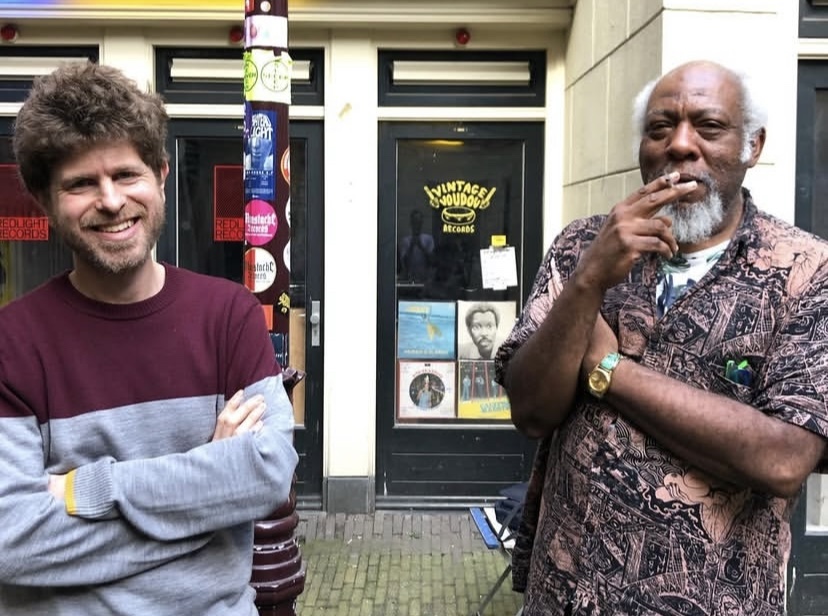
The formation of Mei Honeycomb, the project behind "Clairvoyant Dimensions," is a story rooted in long-standing musical relationships and a touch of playful irreverence. Czamanski first encountered Jeff Hollie approximately 20 years ago through mutual connections in Amsterdam’s vibrant live music scene. Hollie had even contributed to JuJu & Jordash’s debut album.
Their musical chemistry was evident, leading to live performances at early Dekmantel events. Czamanski describes Hollie not strictly as a jazz musician but as a funk player with a broad and open mind, evidenced by his diverse musical history, including a stint in an 80s metal band in Los Angeles. The genesis of the project was a series of studio jams and live performances that solidified their collaborative potential. The album’s release, however, faced delays when the originally intended label ceased operations. Czamanski eventually found a home for "Clairvoyant Dimensions" with Meakusma, a label he has known for many years.
The name "Mei Honeycomb" itself carries a peculiar and humorous backstory. Czamanski explains that the project initially involved his friend Ilya Ziblat, and they had a previous collaboration named "Mei Tahat." This name, he revealed, is Hebrew for "ass water," a moniker inspired by a recreational substance they dabbled with in the early 1990s due to its unpleasant taste. When Ziblat became less involved, the name was adapted. Jeff Hollie reportedly favored the word "honeycomb," leading to the combined moniker, Mei Honeycomb. This unconventional origin story underscores Czamanski’s penchant for embracing the unexpected and finding creative sparks in unlikely places.
Sonic Details: The Shimmer of "Duct Tape Blues"
The distinctive shimmering tones on "Clairvoyant Dimensions," particularly on "Duct Tape Blues," were a point of fascination. Czamanski revealed that this signature sound originates from his Oberheim Matrix 1000, a rackmount synthesizer known for its preset-based operation. However, he utilizes a custom knob interface, crafted by a German engineer, which transforms the Matrix 1000 into a fully programmable instrument.
"That sound that you’re referring to [on ‘Duct Tape Blues’] is like the resonant frequencies on the filter of the Matrix 1000 going, I think, through old Lexicon from the 80s," Czamanski elaborated. "It’s a long reverb, but on these very delicate resonant frequencies." He expressed his deep affection for the Matrix 1000, considering it an indispensable tool that features on "almost every track I record" due to its vast expressive capabilities. The fact that this unit has survived over a decade of touring without incident is a testament to its robustness and Czamanski’s careful handling.
Production Philosophy: Balancing Hardware and Software
In the mixing process, Czamanski continues to favor hardware. "Usually, the only processing I do in the box would be some EQ cleanup," he stated. He avoids software EQs for boosting frequencies, opting instead for subtle cuts. Hardware compressors are also preferred, although he acknowledges a limitation in his current setup, occasionally relying on software compressors from Waves or even Logic’s stock compressor for simpler tasks.
His hardware processing chain includes a JBL Urei Model 7110 compressor, a robust unit from the late 1980s. He also employs a Klemt Echolette, a vintage tape delay from the 1950s. While the tape delay functionality has been defunct since the 1990s, its preamp remains a vital component in his signal path, imparting a desirable sonic character, even inducing a form of compression when overloaded. Additionally, a spring reverb unit with an output limiter contributes to his distinctive squashed sounds.
The Eventide H3000 is another prized piece of hardware, reportedly gracing "probably on every track I’ve ever released." Its versatility, particularly its micropitch and reverb algorithms, makes it an invaluable tool. Czamanski’s acquisition of this unit for a mere $600 further emphasizes his knack for unearthing exceptional gear at accessible prices, a practice that has become increasingly challenging in today’s market.
Bridging Musical Divides: Jazz, Electronic Music, and the Saxophone Heresy
Czamanski’s musical roots lie in jazz and the avant-garde, though he emphasizes a self-taught approach. "No, I didn’t train, I just smoked a lot of weed and played a lot," he candidly admitted when asked about his formal musical education. His early musical explorations spanned from attempting Pet Shop Boys-esque renditions on a Yamaha workstation to discovering the darker soundscapes of Ministry and Skinny Puppy.
He observed a persistent divide between the worlds of electronic dance music and jazz, noting that "most of the techno nerds I encountered fucking hated saxophones." This sentiment was palpable even within the Dekmantel scene, where backstage mockery was directed at the inclusion of a live saxophonist. Conversely, in his earlier days gigging in Israel, jazz enthusiasts often dismissed electronic music as primitive and unsophisticated. Czamanski likens this generational divide to the punk rock movement’s reception among progressive rock fans in the 1970s.
Despite this historical schism, Czamanski consistently sought to bridge these seemingly disparate genres. He cites Larry Heard, a figure whose work often blends deep house sensibilities with jazz-funk influences, as a significant inspiration. "That’s right, he was a prog rock drummer! My first demo, he’s the first person I sent it to. I wanted to release it on Alleviated." His admiration for Heard is profound, calling him "definitely one of my musical idols." This admiration for pioneers who successfully fused diverse musical elements underscores Czamanski’s own artistic ambition to create a sound that transcends traditional genre boundaries.
In his pursuit of this sonic synthesis, Czamanski’s journey with Jeff Hollie on "Clairvoyant Dimensions" represents a significant culmination. It is an album born from genuine collaboration, a deep understanding of analog and digital instrumentation, and an unwavering commitment to the raw, unfiltered expression of live performance. As Czamanski continues to navigate the evolving landscape of music production, his dedication to "imperfect machines" and the spirit of improvisation promises to yield further compelling and unexpected sonic explorations.