Johan Budi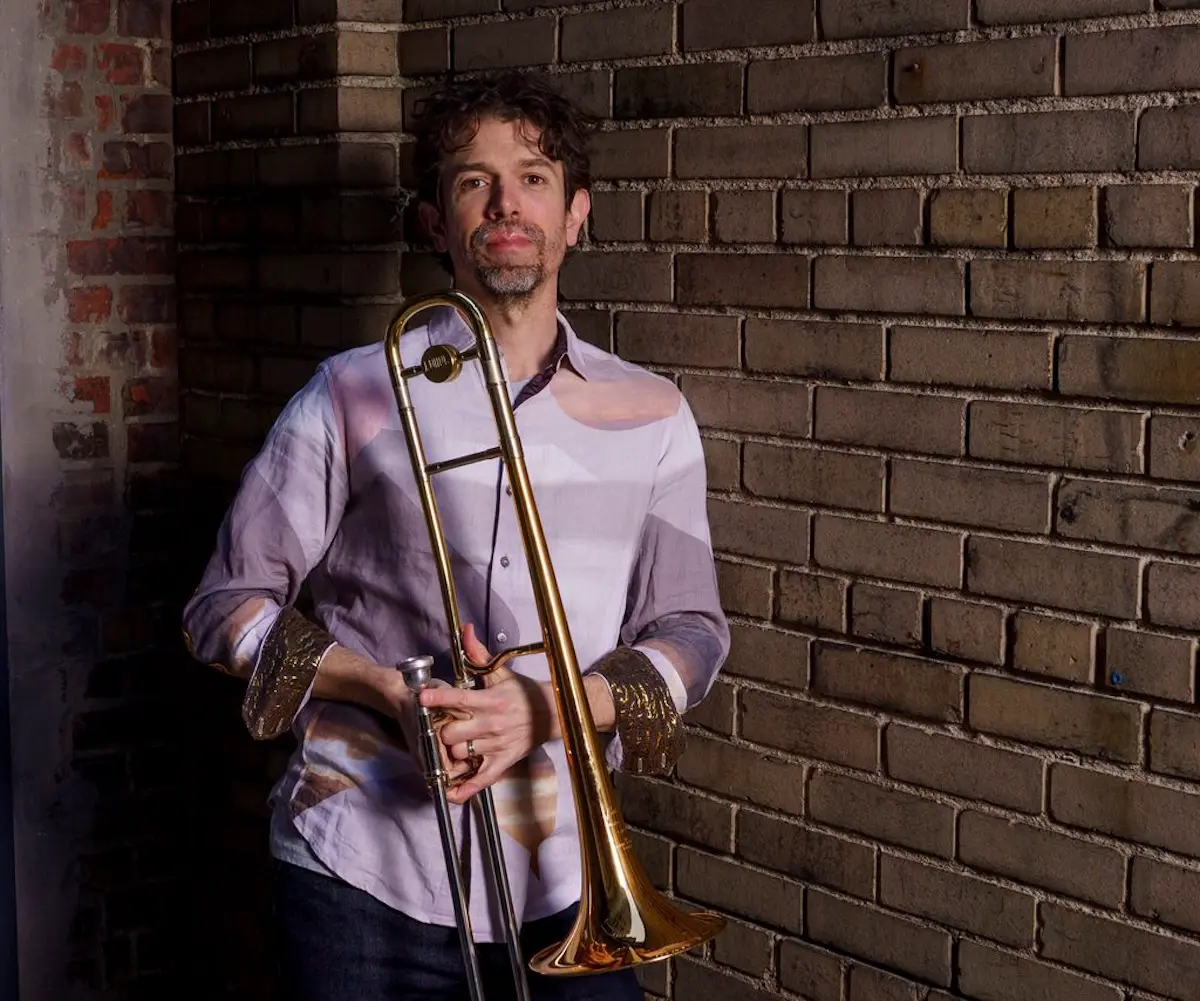
The modern global jazz landscape continues to find its vitality anchored in both historical retrospectives and contemporary cross-cultural collaborations. Recent months have brought forth a compelling trio of album releases and reissues that underscore the enduring influence of mid-century modernism, Brazilian bossa nova, and American West Coast cool. Featuring masterclasses from renowned trombonist Ryan Keberle, veteran bassist Frank Wagner, and a archival reissue of trumpet icon Chet Baker, these projects offer critics and enthusiasts a comprehensive look at how jazz traditions evolve across generations and international borders.
From the bustling recording studios of São Paulo to the historical archives of Milan and the contemporary rhythm sections of Brooklyn, the music industry is currently witnessing a renewed appreciation for structural complexity, lyrical sensitivity, and transnational artistic exchange. Industry analysts note that these releases arrive at a time when listeners increasingly seek out projects that bridge historical jazz idioms with Latin, European classical, and Afro-Cuban rhythmic frameworks.
Ryan Keberle Honors João Donato with Collectiv Do Brasil
The main facts surrounding the latest release from acclaimed trombonist Ryan Keberle center on his 14th album as a leader, titled Ryan Keberle’s Collectiv Do Brasil: Here Is Donato!. Recorded in São Paulo, Brazil, between January 17 and 19, 2024, and released via Alternate Side Records (ASR 022), the 40-minute album pays direct homage to the late João Donato, a foundational architect of bossa nova and Brazilian popular music. Keberle, recognized by DownBeat critics in 2024 as joint-top in the trombone category alongside Michael Dease, assembled an elite Brazilian rhythm section consisting of Felipe Silveira on piano and electric piano, Felipe Brisola on bass, Paulinho Vicente on drums, and Guegue Medeiros on percussion.
The chronology of Keberle’s career establishes the deep technical foundation that enabled this collaborative project. Having studied at the Manhattan School of Music under Steve Turre and at Juilliard under Wycliffe Gordon, Keberle has built a formidable reputation as an in-demand sideman for industry giants such as Maria Schneider, Wynton Marsalis, David Bowie, and Justin Timberlake. Beyond his performance credentials, he maintains an active academic presence on faculties at the Berklee College of Music, New York University, and London’s Royal Academy of Music.
The supporting data and musical analysis of Here Is Donato! reveal a stylistic alignment between Keberle’s unmuted, open-horn legato approach—reminiscent of jazz legends Urbie Green and Andy Martin—and Donato’s intricate harmonic language. Tracks like Tema Teimoso showcase an extended montuno, highlighting creative interplay between Keberle and Silveira. Meanwhile, the Afro-Cuban rhythms of E Menina and Celestial Showers capture the ensemble’s highest energy levels. Noteworthy structural elements include Silveira’s intriguing bitonality on Nao Tem Nada Nao, contrasted against the melancholic lyricism of Donato’s ballads Mentiras and Ate Quem Sabe.
Industry implications suggest that Keberle’s deliberate immersion into Brazilian musical traditions serves to broaden the stylistic boundaries of modern jazz trombone performance. By tackling repertoire historically reserved for pianists and guitarists, Keberle elevates the trombone’s status as a viable vehicle for intricate bossa nova interpretations. Cultural commentators have observed that this transatlantic collaboration reflects a growing industry trend where American jazz artists actively seek localized authenticity by recording within the country of origin of the musical style they explore.
Holland Court Jazz Trio Unveils Genre-Bending Debut Inverted Tango
Turning from South American grooves to the eclectic urban jazz scene of New York City, the Holland Court Jazz Trio has made its recording debut with Inverted Tango, released through Composers Concordance Records. Recorded in Brooklyn on June 18 and 19, 2025, the 57-minute album features bassist and leader Frank Wagner, pianist Dave Marck, drummer Dave Meade, and guest violinist Ben Sutin. The release blends early 20th-century minimalism, Argentine tango, Caribbean rhythms, and modern jazz interpretations.
The chronology and background of the ensemble are anchored by Wagner’s extensive career. A alumnus of the Berklee College of Music where he studied under Steve Swallow and Ron McClure, Wagner has performed alongside jazz royalty including Buddy Rich, Glenn Miller, Milt Jackson, and Eartha Kitt. In 1988, Wagner collaborated with drummer Dave Meade to release the award-winning album Past, Present and Future on Jazzheads Records. The addition of pianist Dave Marck completes the core trio for this long-awaited debut recording.
A detailed examination of the album’s tracks demonstrates a deliberate subversion of traditional jazz forms. The title track, Inverted Tango, opens with Wagner’s resonant bass ostinato, evoking the minimalist structural ethos of Erik Satie before evolving into a tribute to master bandoneonist Astor Piazzolla. Other notable arrangements include Hi-Ya—a humorous contrafact of Thelonious Monk’s Bye-Ya utilizing Caribbean rhythms and a distinct 32-bar AABA form—and Phrygian Natural Fix, which serves as an extended vamp highlighting Meade’s inventive percussion work, frequently compared by critics to the stylings of Shelly Manne. Furthermore, the trio’s collaboration with guest violinist Ben Sutin on a high-energy reading of Jimi Hendrix’s Manic Depression bridges the gap between classic rock amplification and acoustic chamber jazz.
Musicologists and critics have responded positively to the trio’s stylistic fearlessness. Official reviews from contemporary jazz publications highlight the album as an example of successful cross-genre experimentation that avoids the pitfalls of superficial crossover attempts. By anchoring complex harmonic shifts in historical jazz foundations, the Holland Court Jazz Trio has established a distinct niche within the contemporary New York chamber jazz circuit.
Archival Reissue Spotlights Chet Baker’s Complex Italian Sojourn
Shifting back in time, the historical sector of the jazz market is illuminated by the WaxTime reissue of Chet Baker Sextet & Quartet (WaxTime 771678). Recorded in Milan, Italy, across sessions on September 25 and October 6, 1959, the 48-minute album captures the legendary trumpeter and vocalist during a turbulent yet creatively fertile period of his European residency. Baker is joined by an elite cadre of Italian jazz musicians, notably alto saxophonist Glauco Masetti and tenor saxophonist Gianni Basso, alongside pianist Renato Sellani, bassist Franco Cerri, and drummer Gene Victory.
The historical context surrounding the 1959 Milan sessions is marked by personal turmoil and geographical displacement. As noted in the album’s sleeve documentation, Baker maintained a long, complicated relationship with Italy, beginning with a successful European tour in 1955. That initial triumph was marred by tragedy when his pianist, Dick Twardzik, died of a drug overdose in Paris. Baker’s return to Italy in 1959 preceded a period of legal and personal difficulties, including an 18-month imprisonment in Lucca, Tuscany, shortly after these recordings were made. Despite these hardships, Baker integrated deeply into Italian culture, eventually mastering the language and viewing the country as a second home.
The musical structure of the album heavily reflects the West Coast cool jazz aesthetic, leading critics to suggest the record could aptly be titled Chet Baker In Los Angeles. Masetti’s fluent, Herb Geller-like alto lines and Basso’s swinging, Lester Young-influenced tenor set a relaxed, sophisticated tone. The repertoire features staple bebop compositions such as Sonny Rollins’s Pent-Up House—recorded here for the first time by Baker—alongside Charlie Parker’s sinuous blues Cheryl, and standards like Lady Bird, Look For The Silver Lining, and Tune Up. The reduction of the horn section to a quartet format on ballad readings like My Old Flame and Indian Summer allows Baker’s characteristically lyrical, vulnerable trumpet tone to take center stage.
The broader implications of this archival release extend to the preservation and commercial viability of mid-century jazz recordings. Record collectors and historians emphasize that reissues of this caliber provide crucial documentation of how American jazz expatriates influenced and were influenced by burgeoning European jazz scenes in the post-war era. As the global jazz market continues to value both historical masterworks and contemporary cross-cultural innovations, albums by Keberle, Wagner, and historical titans like Baker demonstrate that the genre remains as vibrant, diverse, and interconnected as ever.