Indra Aziz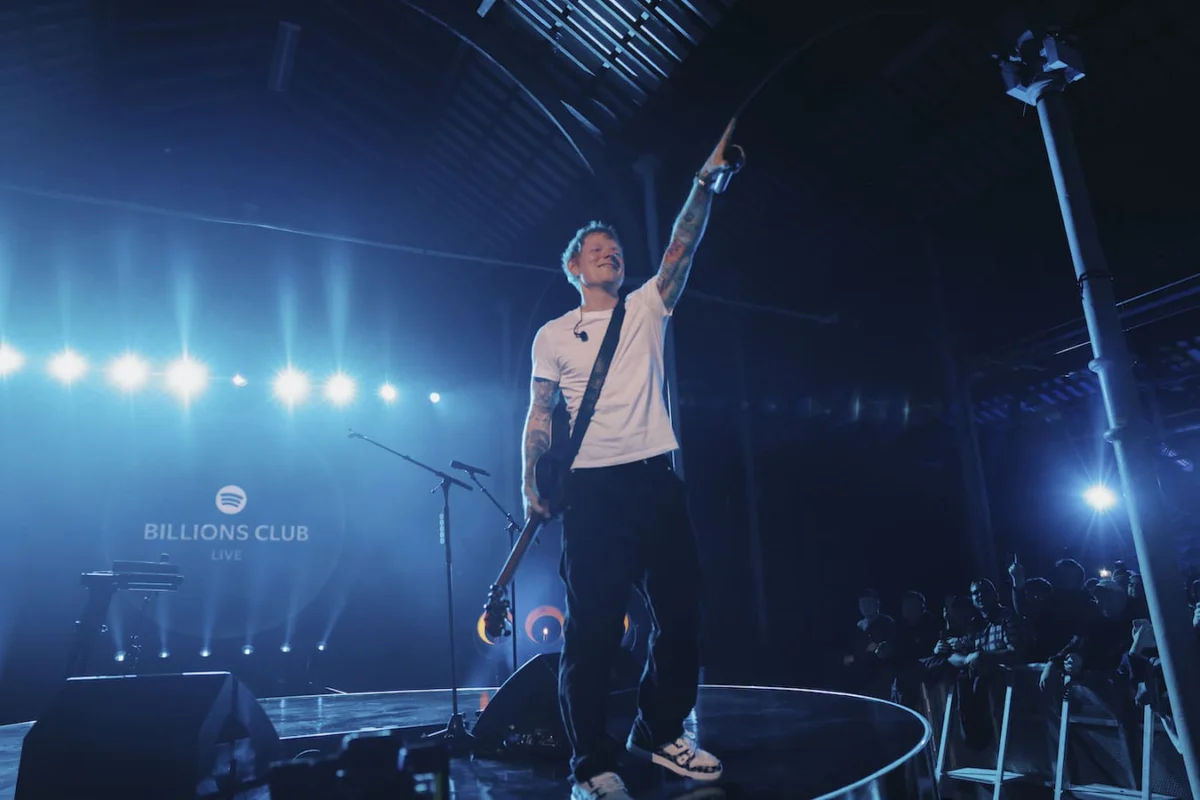
British singer-songwriter Ed Sheeran addressed a tumultuous week of high-profile controversies, artist boycotts, and intense political scrutiny during a sold-out concert in Philadelphia on September 19. Stepping onto the stage amidst a wave of intense public pressure, the musician delivered a deeply personal and emotional monologue to thousands of fans, attempting to navigate the precarious intersection of global politics, live entertainment, and artistic freedom. The address followed days of escalating backlash stemming from the abrupt removal of his North American tour support act, Macklemore, over the rapper’s pro-Palestinian advocacy.
The decision by tour organizers and venue stakeholders to expel Macklemore ignited a cascading series of events that severely disrupted the early stages of Sheeran’s major North American trek. What was intended to be a celebratory run of stadium dates quickly transformed into a public relations crisis, drawing sharp divisions among fans, industry insiders, and the supporting artists themselves. As Sheeran pressed forward with the concert, his spoken remarks marked a rare departure from his historically apolitical public persona, forcing the global pop star directly into the centre of one of the world’s most polarizing and sensitive geopolitical debates.
Chronology of a Tour in Crisis
The sequence of events that culminated in Sheeran’s Philadelphia address unfolded rapidly over the course of just a few days following the launch of his North American tour. The initial catalyst occurred when support act Macklemore expressed pro-Palestinian sentiments, drawing the immediate ire of prominent stadium figures, most notably Robert Kraft, owner of the venue where a high-profile performance was scheduled. Pressured by political and ownership dynamics, event organizers made the unilateral decision to force the American rapper off the tour, sparking immediate outrage among free speech advocates and supporters of the artist.
In the immediate aftermath of Macklemore’s dismissal, Ed Sheeran’s management released a preliminary statement addressing the incident. However, the communication was widely criticized by fans and fellow musicians for being evasive and failing to adequately defend artistic expression or address the underlying political tensions. The initial backlash intensified rapidly as solidarity walkouts began to sweep through the tour’s supporting lineup.
Within 48 hours of the initial controversy, Aaron Rowe, Lukas Graham, and FINNEAS announced their decisions to withdraw from the tour in protest. They were joined by the UK songwriter’s long-standing traditional backing band, Beoga, who also severed ties with the production. The mass departure left Sheeran’s tour schedule severely depleted and thrust the headliner under intense public scrutiny. Rather than postponing or canceling the Philadelphia date, Sheeran elected to move forward with the performance, utilizing the platform to directly address the unfolding crisis and the complex web of decisions that led to the mass artist walkout.
A Rare Political Stance from a Global Pop Star
Addressing the stadium crowd at the top of his set, Sheeran abandoned his usual lighthearted stage banter in favor of a measured, somber reflection on his role as a public figure. Acknowledging the gravity of the week’s events, the singer candidly admitted to making mistakes while navigating unprecedented pressures.
"I never wanted to be an activist musician, but this has put me in the middle of an important and passionate argument about free speech and the most complex political issue on the planet," Sheeran told the audience.
The artist articulated the difficult balance he faced regarding his performance in Philadelphia, specifically addressing whether proceeding with the concert implied a partisan political stance. Throughout his career, Sheeran has intentionally maintained a strictly apolitical posture, frequently emphasizing that his music and live performances are designed to serve as unifying cultural spaces rather than political pulpits. However, he noted that the humanitarian scale of the ongoing conflict in the Middle East rendered silence untenable.

"I have tried in my career not to be a political commentator of any kind, because I want my music and shows to be about unity, not division," Sheeran continued. "But this is a humanitarian issue, and I cannot hide how I feel about it anymore."
Going further than any previous public statements in his career, Sheeran directly addressed the October 7, 2023, Hamas-led attacks against Israel, characterizing them as "horrific" and stating that they "compounded centuries of Jewish pain." Simultaneously, he turned his focus to the military campaign in Gaza, describing the humanitarian toll as "catastrophic and unjustifiable and disproportionate."
"My heart has been broken by the scale of devastation and loss of civilian lives, of children’s lives, and this systemic injustice we’re seeing unfold in the West Bank cannot be overlooked," he added. Concluding his remarks, the singer expressed a commitment to listening and learning from various perspectives moving forward, while firmly asserting his desire for his concerts to remain inclusive environments where audience members with opposing viewpoints could peacefully coexist.
Industry Implications and the Broader Impact on Live Entertainment
The crisis surrounding Ed Sheeran’s North American tour highlights a growing and complex challenge within the contemporary live entertainment industry: the collision between international politics and commercial touring logistics. In an era where artists, fans, and venue owners are increasingly vocal about global human rights issues, major musical tours have transformed into inadvertent flashpoints for geopolitical advocacy.
The swift removal of Macklemore and the subsequent solidarity boycotts by high-profile support acts—including FINNEAS and Lukas Graham—demonstrate that modern touring artists face immense pressure from their peers to take definitive public stances. This dynamic creates high-stakes operational risks for major headliners. When corporate venue stakeholders, management teams, and performing artists diverge sharply on matters of free expression and political ideology, the stability of multi-million-dollar entertainment ventures can unravel in a matter of days.
Furthermore, Sheeran’s experience underscores the fine line global superstars must walk when addressing sensitive international conflicts. While corporate sponsors and venue operators often prefer to insulate live entertainment from controversial political discourse, artists with massive cultural platforms are increasingly finding that absolute neutrality is no longer viable in the eyes of their fanbases.
As the music industry continues to grapple with these realities, the fallout from the Philadelphia concert serves as a cautionary case study for tour promoters and management agencies worldwide. Balancing commercial obligations, venue partnerships, artist autonomy, and audience expectations requires unprecedented levels of diplomatic communication and crisis management.
Despite the turbulent week, representatives for the tour confirmed that the remaining North American dates will proceed as scheduled. Whether the mass departures of supporting acts and the intense public debate will permanently alter the operational framework of Sheeran’s current tour cycle remains to be seen. However, the Philadelphia address has undeniably redefined the narrative surrounding the artist’s public platform, signaling a profound shift in how one of pop music’s biggest stars engages with the turbulent realities of the modern geopolitical landscape.