Kholidah
In the second week of April 2026, the South Korean music industry became the epicenter of a complex cultural debate as two of the nation’s most influential musical exports, BTS and BIGBANG, executed high-profile performances that polarized public opinion. The discourse, which began on social media platforms such as X (formerly Twitter) and community forums like Pann, has evolved into a broader conversation regarding the authentic representation of Korean culture on the global stage. At the heart of the controversy are two distinct approaches to "national prestige": BTS’s large-scale, government-adjacent comeback concert at Gwanghwamun Square and BIGBANG’s subversive inclusion of trot music during their set at the Coachella Valley Music and Arts Festival in California.
The Gwanghwamun Spectacle: BTS and the Modernization of "Arirang"
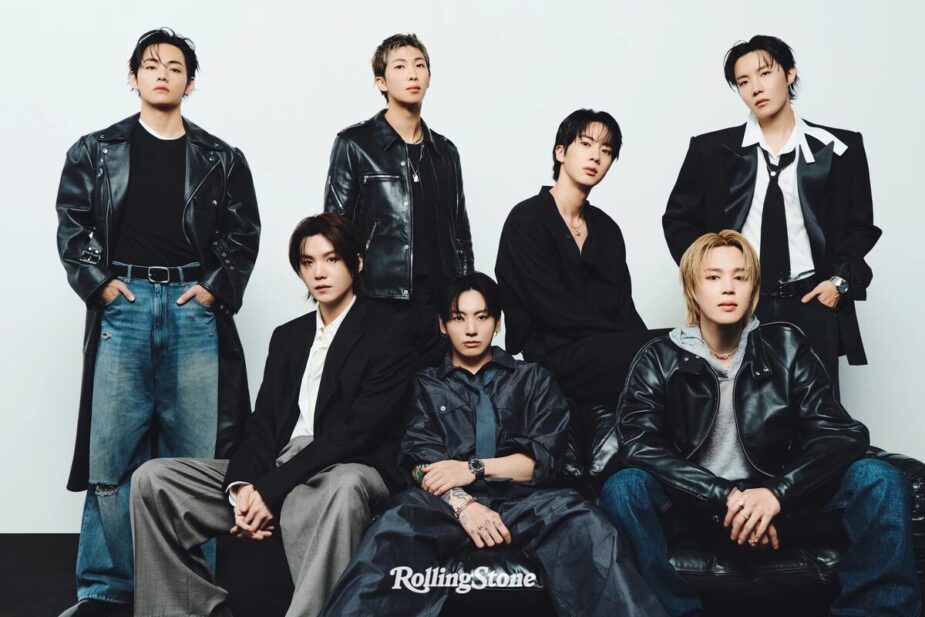
On April 9, 2026, HYBE’s flagship group, BTS, held a massive comeback concert at Gwanghwamun Square, a location of immense historical and political significance in Seoul. The event served as the official launch for their latest studio album, titled ARIRANG. The choice of venue was symbolic; Gwanghwamun is the site of the Statue of King Sejong the Great and Admiral Yi Sun-shin, representing the traditional heart of the Korean capital.
The concert’s centerpiece was a contemporary interpolation of "Arirang," a folk song often referred to as Korea’s unofficial national anthem and recognized by UNESCO as Intangible Cultural Heritage. BTS’s version incorporated English lyrics and modern pop production, a move intended to make the traditional melody accessible to the group’s massive international fanbase, known as ARMY. During the performance, the group led a singalong with tens of thousands of fans, aiming to create a moment of global unity centered on Korean heritage.
However, the event was not without its detractors. Critics on social media raised questions about the commercialization of national symbols. The debate intensified when a viral post on X criticized the group for leading an "Arirang" singalong in English at a site as sacred as Gwanghwamun, labeling the move as "fake madness"—a term used to describe a manufactured or performative attempt at cultural significance.

BIGBANG at Coachella: The Unexpected Revival of Trot
Simultaneously, across the Pacific, YG Entertainment’s BIGBANG made their long-awaited appearance at the Coachella Valley Music and Arts Festival. While the group performed their classic hits, it was a solo moment by member Daesung that captured the attention of the Korean public. Daesung chose to perform "Hando Chogua," a traditional trot song, in front of a predominantly Western audience.
Trot is a genre of Korean popular music known for its distinctive repetitive rhythm and vocal inflections, historically associated with the older generation and often sidelined in the global "K-pop" narrative. By "blasting" trot at one of the world’s most prestigious music festivals, BIGBANG was credited by some netizens with displaying "real madness"—a raw, unfiltered expression of Korean identity that did not cater to Western pop standards.
The contrast between BTS’s polished, institutionalized promotion of Korean culture and BIGBANG’s disruptive, genre-bending performance at Coachella became the catalyst for a heated online rivalry.
A Chronology of the Controversy
The timeline of the debate illustrates how quickly public sentiment shifted from celebration to scrutiny:
- April 9, 2026: BTS performs at Gwanghwamun Square. Initial domestic media coverage is overwhelmingly positive, focusing on the group’s role as "Special Presidential Envoys" and their contribution to national pride.
- April 11, 2026: ARIRANG tops global charts, but discussions begin to emerge regarding the linguistic choices in the title track’s lyrics.
- April 13, 2026: BIGBANG performs at Coachella. Clips of Daesung’s trot performance go viral on Korean community boards.
- April 14, 2026: A viral post on X compares the two events, using the "Fake vs. Real Madness" framework. This post garners millions of views and thousands of retweets within hours, moving the discussion to the Pann forum where it becomes a top-trending topic.
- April 15, 2026: Industry analysts and cultural critics begin weighing in on the implications of these performances for the future of "K-Culture" branding.
Supporting Data: The Impact of Global Performances
To understand the scale of the debate, one must look at the data surrounding these events. The Gwanghwamun concert was attended by an estimated 55,000 people in person, with a global livestream audience exceeding 12 million unique viewers. The economic impact for the city of Seoul was estimated at 150 billion KRW (approximately $110 million USD) in tourism and related spending.

Conversely, Coachella’s reach is defined by its cultural prestige and high-profile digital footprint. BIGBANG’s set was one of the most-searched performances of the weekend, with "Daesung Trot" trending at number one on MelOn and other Korean search engines for 48 consecutive hours. The divergence in data points—BTS’s massive numbers versus BIGBANG’s high engagement with a specific cultural niche—highlights the different ways "impact" is measured in the modern music era.
Public Sentiment and Official Responses
Public reaction has been sharply divided along generational and fandom lines. Supporters of BTS argue that the group has earned the right to represent Korea at Gwanghwamun and that modernizing "Arirang" is a necessary step for cultural preservation in a globalized world. "How is this not promoting national prestige?" one fan argued on Pann. "They are making the world sing our song in a way the world can understand."
In contrast, critics of the Gwanghwamun event argue that the government’s involvement and the heavy branding of the event felt "staged." These critics often pointed to BIGBANG’s Coachella performance as a more "authentic" display of Korean soul. "Trot is our roots," wrote one netizen. "Singing it at Coachella without caring if the foreigners understand the lyrics—that is true confidence in our culture."
While neither HYBE nor YG Entertainment has issued a formal statement regarding the fan-led debate, sources close to the labels suggest that both performances were calculated moves. HYBE’s strategy with BTS continues to focus on "soft power" and diplomatic cultural exchange, while YG Entertainment appears to be leaning into BIGBANG’s reputation as "rebels" of the industry who prioritize artistic spontaneity over polished diplomacy.
Fact-Based Analysis: The Evolution of "National Prestige"
The debate reflects a shifting paradigm in how South Koreans view their cultural exports. For much of the early 2010s, any global success by a Korean artist was viewed through the lens of guk-wi-seon-yang (promoting national prestige). However, as K-pop has become a dominant global force, the domestic audience has become more discerning and critical of how their culture is "packaged" for foreign consumption.
BTS’s Gwanghwamun concert represents the pinnacle of the "Cultural Envoy" model. By utilizing a historic landmark and a UNESCO-recognized song, the event was designed to be a definitive statement of Korean identity. The controversy arises from the tension between traditionalism and global pop aesthetics. The use of English lyrics in "Arirang" is a pragmatic choice for a global group, but for some, it represents a compromise of the song’s original spirit.
BIGBANG’s Coachella performance represents a different model: the "Cultural Disruptor." Trot music, often viewed as kitschy or outdated by younger demographics, was presented as a high-energy, legitimate musical form to an audience that had no prior context for it. This lack of "packaging" is what many netizens interpreted as "real madness"—an authentic, take-it-or-leave-it presentation of Korean life.
Broader Implications for the K-Pop Industry
The heated debate between the "Gwanghwamun Model" and the "Coachella Model" suggests that the K-pop industry is at a crossroads. As artists continue to break records, the pressure to represent the nation carries both immense rewards and significant scrutiny.
For future acts, the BTS vs. BIGBANG debate serves as a case study in the risks of cultural representation. While institutional support and historical settings can amplify a group’s status, they also invite accusations of being "government puppets" or "overly commercial." Conversely, while "authentic" or niche cultural displays can garner respect for their boldness, they may not always achieve the same level of systematic global reach as a synchronized, high-budget national campaign.
Ultimately, both performances succeeded in keeping Korean culture at the forefront of the global conversation. Whether through the massive, unified chorus of an English-interpolated "Arirang" at the heart of Seoul or the surprising, soulful notes of a trot song in the California desert, the diversity of Korean musical expression continues to challenge and expand the boundaries of what it means to be a global superstar in 2026. The debate, while heated, underscores the vitality of the South Korean music scene and the passionate engagement of its global audience.