Nayara Elvina
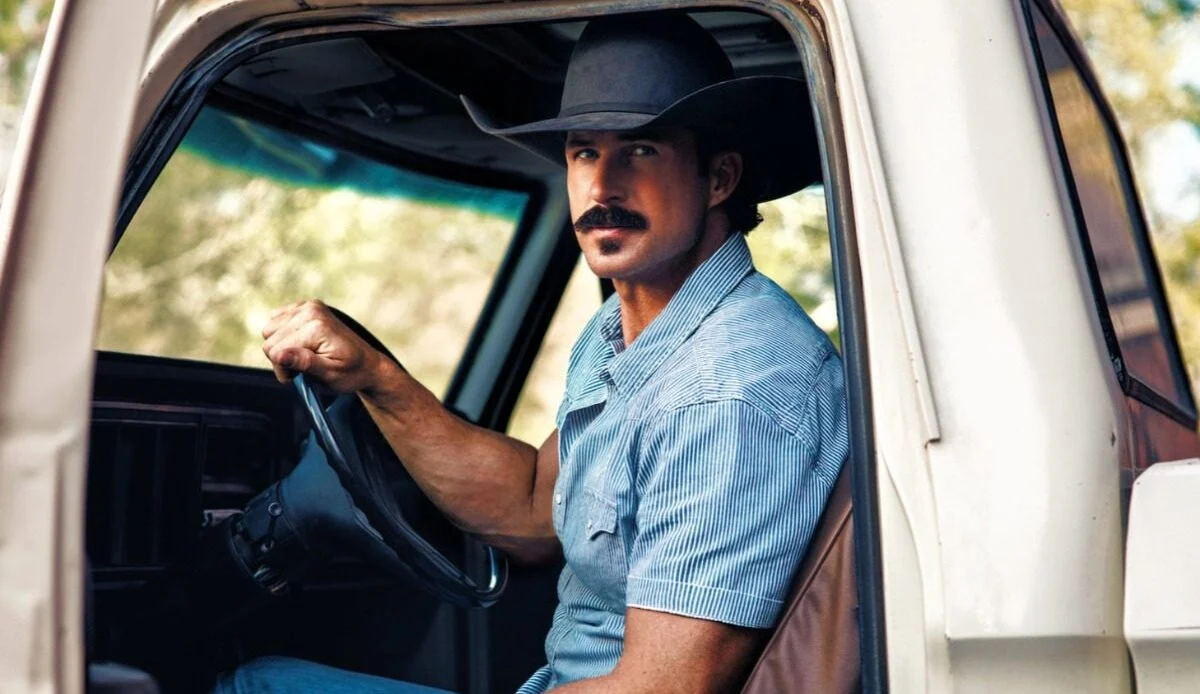
The intersection of sports and entertainment reached a significant cultural point during the most recent iteration of The Masters, where country music superstar Luke Bryan provided a rare glimpse into his perspective on his career and the broader narrative of the genre. Participating in the Under the Umbrellas video interview series, a high-profile media initiative hosted by the Augusta National Golf Club, Bryan addressed the persistent "party guy" label that has followed him since his rise to superstardom. While the setting was the serene and prestigious grounds of professional golf’s first major championship of the year, the conversation pivoted into a nuanced discussion regarding the evolution of country music, the "Bro Country" movement, and the depth of songwriting that Bryan believes often goes overlooked by casual listeners and critics alike.
The Context of the Under the Umbrellas Series at Augusta National
The Masters has long been regarded as one of the most traditional and exclusive events in the global sporting calendar. However, in recent years, the tournament has expanded its media footprint to engage a broader demographic, leveraging digital platforms and celebrity guest appearances to complement its traditional broadcast coverage. The Under the Umbrellas series, hosted by Kira K. Dixon, represents a strategic effort by the tournament organizers to humanize the event and showcase the diverse range of public figures who hold an affinity for the sport.
Luke Bryan’s selection for this series was a calculated and logical choice. Born and raised in Leesburg, Georgia, Bryan’s connection to the state and its most famous sporting event is deeply rooted in his personal history. As a lifelong resident of the South and an avid golfer, Bryan embodies the crossover between the rural traditions often celebrated in country music and the high-stakes, disciplined world of professional golf. During the interview, Bryan reflected on his upbringing in Georgia, noting how the Masters served as a perennial backdrop to his youth, symbolizing both regional pride and the pursuit of excellence.
The "Party Guy" Label and the Legacy of Bro Country
During the sit-down interview, Dixon prompted Bryan to discuss the parallels between the storytelling inherent in The Masters—a tournament defined by its historical lore and the "Amen Corner" narratives—and the storytelling found in country music. Bryan used this prompt to address a long-standing grievance regarding his public persona. For over a decade, Bryan has been a central figure in the "Bro Country" movement, a subgenre that dominated the Nashville airwaves throughout the 2010s.
Characterized by its fusion of country lyrics with rock and hip-hop production elements, the Bro Country era was defined by themes of rural partying, pickup trucks, and summertime romance. Bryan’s massive hits, such as "Country Girl (Shake It for Me)" and "That’s My Kind of Night," became the anthems of this movement. While these tracks propelled him to the status of a multi-time Entertainer of the Year and one of the best-selling artists in the genre’s history, they also solidified his reputation as a "party guy"—a label that Bryan admitted during the interview carries a certain weight.
"I think a lot of times, I get coined as the ‘party guy’ and all that, which is fun. I love having that in my repertoire," Bryan stated during the interview. However, he quickly transitioned to a defense of his broader body of work. He emphasized that beneath the upbeat, radio-friendly hits lies a catalog of songs that explore the "nuances of growing up in small town life." Bryan argued that the "ups and downs" of rural existence are just as central to his identity as the high-energy performances for which he is famous.
Chronology of an Evolving Career
To understand Bryan’s frustration with the "party guy" moniker, one must look at the timeline of his career and the shifting tides of the Nashville music industry.
- Early Career (2007–2010): Bryan entered the scene with a more traditional lean, focusing on relatable stories of Georgia life with albums like I’ll Stay Me and Doin’ My Thing. Songs like "Rain Is a Good Thing" began to show his penchant for catchy, lighthearted hooks, but the "party" label had not yet fully calcified.
- The Rise of Bro Country (2011–2015): This period saw the release of Tailgates & Tanlines and Crash My Party. These albums were commercial juggernauts, moving millions of units and cementing Bryan as a stadium-filling act. This was also the era when music critic Jody Rosen coined the term "Bro Country," specifically citing the lyrical tropes found in the works of Bryan, Jason Aldean, and Florida Georgia Line.
- Maturation and Reflection (2016–Present): While Bryan continued to release radio hits, he also leaned into more sentimental and socially conscious territory with tracks like "Drink a Beer," a somber meditation on loss, and "Most People Are Good," a song advocating for kindness and traditional values. Despite these efforts to diversify his emotional range, the mainstream perception remained largely tethered to his earlier, more boisterous hits.
In his conversation at Augusta National, Bryan suggested that this narrow perception fails to account for the comprehensive "American journey" that country music as a whole strives to document. He noted that the genre’s strength lies in its ability to house "serious songs, heartbreak songs, cheating songs, and bar songs" under one roof.
Supporting Data: The Impact of Bryan’s Commercial Success
The persistence of Bryan’s "party guy" image is partly due to the sheer scale of his commercial success during the Bro Country peak. According to industry data, Bryan has sold over 75 million records globally and has achieved nearly 30 number-one hits on the country charts. A significant portion of these chart-toppers fall into the category of high-energy, celebratory tracks.
From a marketing perspective, Bryan’s "party" persona has been immensely profitable. It allowed him to bridge the gap between country audiences and pop listeners, leading to his long-running stint as a judge on American Idol. However, this same success has created a "gilded cage" effect, where the artist’s more introspective work is often overshadowed by the commercial necessity of maintaining a high-energy brand.
Analysts of the genre suggest that Bryan’s comments at The Masters reflect a broader trend among veteran Nashville artists who seek to be recognized for their craft as they age. As artists move out of the "young hitmaker" phase of their careers, there is often a concerted effort to realign their public image with the traditional storytelling roots of the genre—a foundation that Bryan clearly values.
Official Responses and Industry Implications
While there have been no formal statements from Bryan’s management following the interview, the response from the country music community has been one of quiet solidarity. Many industry insiders acknowledge that the "Bro Country" label, while lucrative, became a pejorative term in some critical circles, often used to dismiss the technical skill and emotional depth of the artists involved.
The implications of Bryan’s remarks extend beyond his personal discography. By framing country music as the "story of the American journey," Bryan is positioning the genre as a vital cultural document. His comparison to The Masters—an event that prides itself on history and the passage of time—further elevates this narrative. It suggests that just as golf is more than just a game, country music is more than just entertainment; it is a reflection of the national character, encompassing both the celebration of the "party" and the quiet struggle of the "small town life."
Broader Impact on Genre Perception
Bryan’s interview serves as a reminder of the ongoing tension within the country music industry between commercial viability and artistic prestige. The "party guy" label is a symptom of a larger phenomenon where artists are often pigeonholed by their most successful singles. For Bryan, the goal appears to be a recalibration of his legacy—one where "Country Girl" can coexist with songs that address the complexities of the human experience.
As country music continues to expand its global reach, the stories told by its biggest stars will remain under intense scrutiny. Bryan’s defense of the genre’s storytelling at Augusta National highlights a desire for a more holistic understanding of the music. Whether the "party guy" label will eventually fade remains to be seen, but Bryan’s willingness to address it head-on suggests a new chapter in his career—one focused on the enduring power of the "American journey" rather than just the next Saturday night anthem.
In conclusion, Luke Bryan’s appearance at The Masters was more than a mere celebrity cameo. It was a moment of professional reflection for an artist who has stood at the center of the genre’s most successful and controversial era. By articulating the value of the "nuances" in his work, Bryan is challenging both his critics and his fans to look past the neon lights and see the storyteller underneath. As the echoes of the tournament fade, the conversation regarding Bryan’s place in the country music pantheon continues to evolve, shaped by his own words under the iconic umbrellas of Augusta National.