Indra Aziz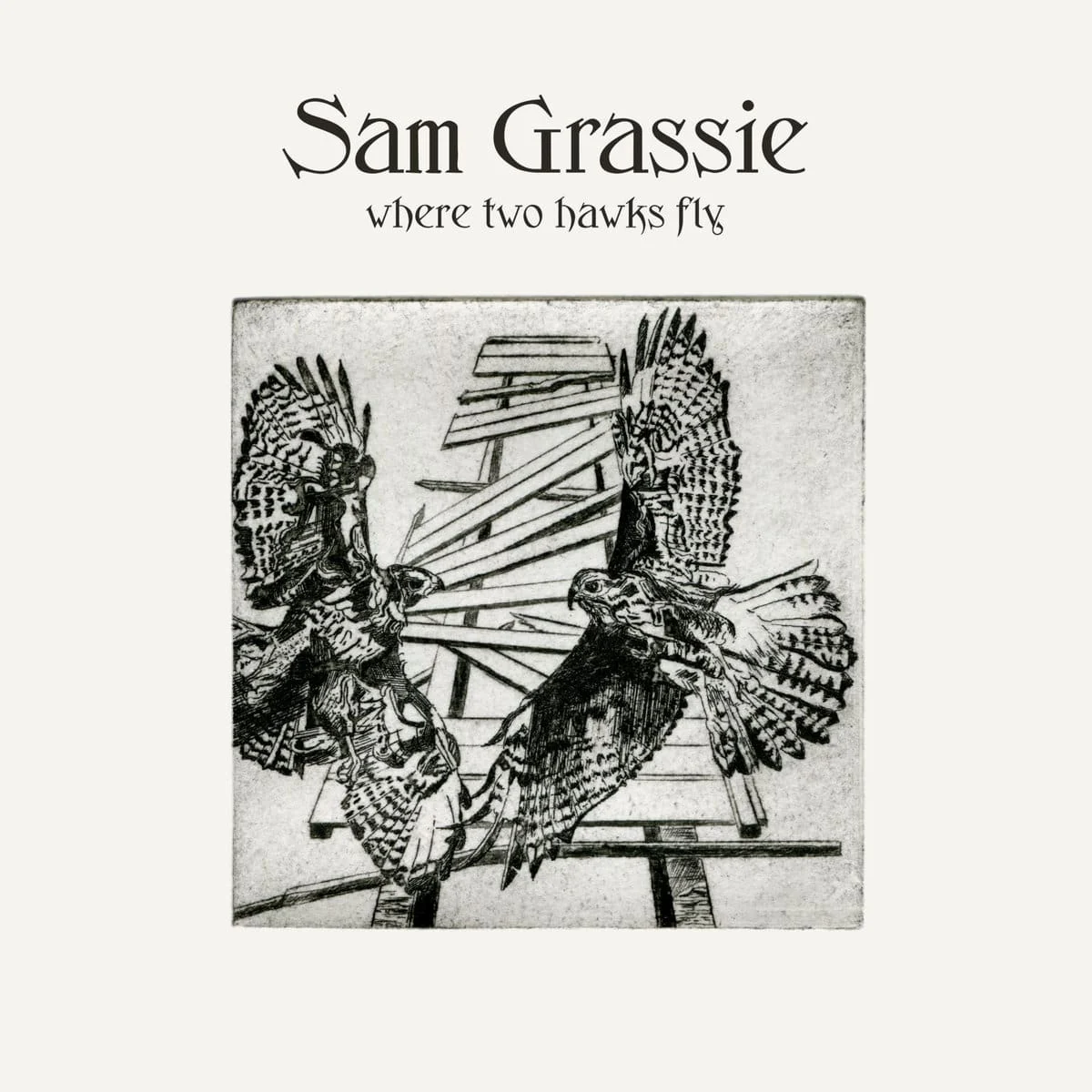
Sam Grassie, a pivotal figure within the expansive and fluid musical collective known as Broadside Hacks, has officially launched his highly anticipated solo album, "Where Two Hawks Fly." This significant release marks a new chapter for the exceptionally skilled guitarist, who has consistently demonstrated a profound ability to meld technical virtuosity with deep emotional resonance. Grassie’s extensive musical journey, which includes his impactful tenure with the acclaimed folk group Avocet, whose singular LP, "Lend Your Garden," remains a sought-after gem for enthusiasts of intricate acoustic music, has now culminated in a solo project that stands as a testament to his artistic evolution. "Where Two Hawks Fly" is not merely a collection of songs; it is a meticulously crafted soundscape that showcases Grassie’s mastery of the six-string, his evocative vocal delivery, and his sophisticated approach to arrangement, solidifying his position as a distinctive voice in contemporary folk.
The Genesis of "Where Two Hawks Fly"
The conceptualization and development of "Where Two Hawks Fly" represent a culmination of years of dedicated musical exploration for Sam Grassie. As a core member of Broadside Hacks, a collective known for its dynamic and ever-shifting membership, Grassie has been instrumental in shaping their on-the-road folk sound. The group’s commitment to a collaborative and improvisational spirit has undoubtedly influenced Grassie’s solo endeavors, allowing him to refine his personal musical language within a supportive and creatively stimulating environment. His prior involvement with Avocet, where he contributed significantly to their sole album, provided him with a foundational experience in studio recording and album production. This experience, coupled with his continuous engagement with the folk music scene, particularly through the lens of traditional British and Celtic influences, has informed the thematic and sonic palette of "Where Two Hawks Fly."
The album’s title, "Where Two Hawks Fly," evokes imagery of expansive landscapes and a sense of freedom, mirroring the freedom Grassie exercises in his musical expression. The project’s gestation period likely involved extensive songwriting, arrangement, and recording sessions, drawing upon a rich tapestry of influences that range from the foundational figures of British folk guitar, such as Bert Jansch and John Renbourn, to more contemporary experimental approaches to acoustic music. The process of bringing these meticulously arranged pieces to fruition would have involved careful selection of instruments, instrumentalists, and studio environments to capture the nuanced textures and emotional depth that characterize the final product.
A Sonic Journey Through "Where Two Hawks Fly"
The album opens with "Kishor’s," a piece that immediately immerses the listener in Grassie’s distinctive instrumental prowess. Tuned to the resonant DADGAD, this brooding instrumental serves as a perfect overture, allowing Grassie ample space to showcase his fingerwork and establish the album’s atmospheric tone. The intricate melodic lines and the subtle dynamics within "Kishor’s" hint at the technical sophistication that underpins the entire record.
Following this instrumental introduction, "Put The Blood" introduces a vocal element, elevated by the sensitive accompaniment of nimble double bass. Grassie’s vocal delivery on this track is described as stark and brooding, imbuing the lyrics with a palpable sense of weight and raw emotion. This juxtaposition of delicate instrumentation with a powerful vocal performance is a recurring motif throughout the album, demonstrating Grassie’s nuanced approach to songwriting and performance.
The album then transitions to "Abhail’s," a miniature composition that exudes a delicate beauty. This brief interlude serves as a gentle precursor to the more dramatic narrative of "Burning Of Auchindoun." This vocal piece is characterized by its evocation of "hell and brimstone," suggesting a powerful and potentially unsettling lyrical theme, delivered with the same emotional intensity that defines Grassie’s instrumental work. The ability of "Where Two Hawks Fly" to seamlessly navigate such diverse moods and sonic territories, from delicate miniatures to intense narrative pieces, is a testament to the cohesive vision that underpins the album. This unity is achieved not only through the careful selection of songs but also through the consistent flow of musical ideas and Grassie’s unwavering control over the album’s sonic architecture.
"Caol Rua" presents a beautifully rendered Celtic piece, offering a moment of melodic respite and serving as an ideal introduction to the subsequent baritone vocal track, "Sandwood Down To Kyle." This latter piece likely delves into storytelling, with Grassie’s lower vocal register adding a gravitas that complements the rich tradition of Scottish folk ballads.
The title track, "Where Two Hawks Fly," is presented as a significant showcase of Sam Grassie’s multifaceted talents. This expansive piece allows him to stretch his abilities as a guitarist, vocalist, and arranger to their fullest. It is described as an "enthralling depiction" and a "riveting piece," indicative of a composition that fully captures the artist’s command over his musicality. Such a track often serves as the artistic centerpiece of an album, encapsulating the core themes and ambitions of the project.
The album then takes a stylistic detour with "Thurso River Blues." This track possesses an air that is adjacent to the influential American primitive guitarist John Fahey. By re-imagining a Caithness tributary as having a connection to the Mississippi Delta, Grassie demonstrates a bold and imaginative approach to genre fusion. This atmospheric guitar piece likely explores the intersection of Scottish landscape and American blues traditions, creating a unique sonic dialogue.
"Orchy Falls" features a more expansive arrangement, incorporating electric guitar, precise double bass, and strings. This fuller orchestration builds to a "devastating" climax, suggesting a powerful and emotionally charged musical statement. The layered instrumentation in this track highlights Grassie’s ability to collaborate and orchestrate, moving beyond solo guitar performance to create dynamic ensemble pieces.
The album’s vocal selections conclude with the "magnificent final vocal" track, "False True Love." This title hints at a classic folk theme, and its placement as the penultimate song suggests a significant emotional arc. The album then bids adieu with the march-like instrumental, "Return To Fingal," providing a sense of closure and a final, memorable sonic impression.
Evolution and Artistic Intent
The article highlights that many of the songs featured on "Where Two Hawks Fly" may have been performed or recorded in other forms by Sam Grassie previously. This suggests an ongoing process of refinement and development in his musical arrangements. His "exhaustive work rate" implies a consistent dedication to his craft, allowing these compositions to evolve and mature over time. The "accumulative impact" of hearing these developed versions gathered in one place is described as "ferocious," underscoring the power and coherence of the album as a complete work. "Where Two Hawks Fly" is characterized as a record of "stark beauty," offering "untraditional takes on folk guitar" that are marked by "technical skill and ferocious individuality." This description positions Grassie as an artist who respects tradition while pushing its boundaries, carving out a unique space within the contemporary folk landscape.
Contextualizing Grassie’s Musical Lineage
Sam Grassie’s work on "Where Two Hawks Fly" is deeply rooted in the rich tradition of British folk guitar. The explicit mention of the "Jansch / Renbourn school" immediately places him within a lineage of influential guitarists who revolutionized acoustic music. Bert Jansch, a founding member of Pentangle, was renowned for his intricate fingerpicking, melodic sensibility, and innovative use of open tunings. Similarly, John Renbourn, another key figure in Pentangle, brought a classical and modal sensibility to folk guitar. Their collective influence paved the way for generations of acoustic guitarists who sought to expand the technical and expressive possibilities of the instrument.
Grassie’s embrace of DADGAD tuning, as evidenced in "Kishor’s," is a direct nod to this tradition. Open tunings like DADGAD offer a wider harmonic palette and facilitate unique voicings and resonant qualities that are distinct from standard tuning. This allows for a richer, more complex sound, often lending itself to the atmospheric and introspective qualities found in Grassie’s music.
The reference to John Fahey in "Thurso River Blues" further contextualizes Grassie’s sonic explorations. Fahey, a central figure in American primitive guitar, was known for his intricate solo guitar compositions, often drawing inspiration from American folk, blues, and even classical music. His work was characterized by its atmospheric qualities, modal explorations, and a deeply personal, often melancholic, aesthetic. Grassie’s apparent engagement with Fahey’s style suggests an interest in bridging geographical and stylistic divides, exploring the universal language of acoustic guitar music.
The inclusion of Celtic influences, particularly in pieces like "Caol Rua," points to another significant strand within the folk guitar tradition. The melodies and rhythmic patterns of Scottish, Irish, and Welsh folk music have long been a source of inspiration for guitarists, offering a wealth of material for reinterpretation and original composition.
Broader Implications and Artistic Standing
The release of "Where Two Hawks Fly" solidifies Sam Grassie’s reputation as a formidable solo artist. While his contributions to Broadside Hacks and Avocet have been significant, this album allows his individual artistic voice to take center stage. The critical acclaim and the 8/10 rating suggest that the album is being recognized for its artistic merit and its contribution to the contemporary folk music landscape.
Grassie’s approach—combining technical mastery with profound emotional expression and a willingness to explore diverse influences—positions him as an artist who respects the heritage of folk music while simultaneously pushing its boundaries. His work resonates with listeners who appreciate intricate instrumental virtuosity, evocative storytelling, and a deep connection to the natural world and traditional narratives.
The album’s success could have several implications:
- Increased Solo Opportunities: A well-received solo album often leads to more opportunities for solo touring and festival appearances, allowing Grassie to connect directly with a wider audience.
- Influence on Other Artists: Grassie’s innovative arrangements and stylistic fusions may inspire other musicians within the folk and acoustic music scenes.
- Continued Evolution of Broadside Hacks: The insights and experiences gained from his solo work can undoubtedly enrich his contributions to Broadside Hacks, further evolving the collective’s sound.
- Preservation and Innovation: By reinterpreting traditional themes and melodies with a modern sensibility, Grassie contributes to the ongoing preservation and evolution of folk music, ensuring its relevance for future generations.
The accompanying YouTube video for "The Burning of Auchindoun" serves as a powerful visual and auditory complement to the album, offering a glimpse into the narrative and emotional depth of Grassie’s work. Such multimedia integration is increasingly crucial in reaching and engaging contemporary audiences.
In conclusion, "Where Two Hawks Fly" is more than just a solo album; it is a declaration of artistic intent from Sam Grassie, showcasing a musician at the height of his powers. His ability to weave together technical brilliance, heartfelt vocal performances, and a deep understanding of musical tradition makes this record a compelling and essential listen for anyone interested in the evolving landscape of folk guitar music. The album stands as a testament to the enduring power of acoustic music to evoke emotion, tell stories, and connect with listeners on a profound level.