Nayara Elvina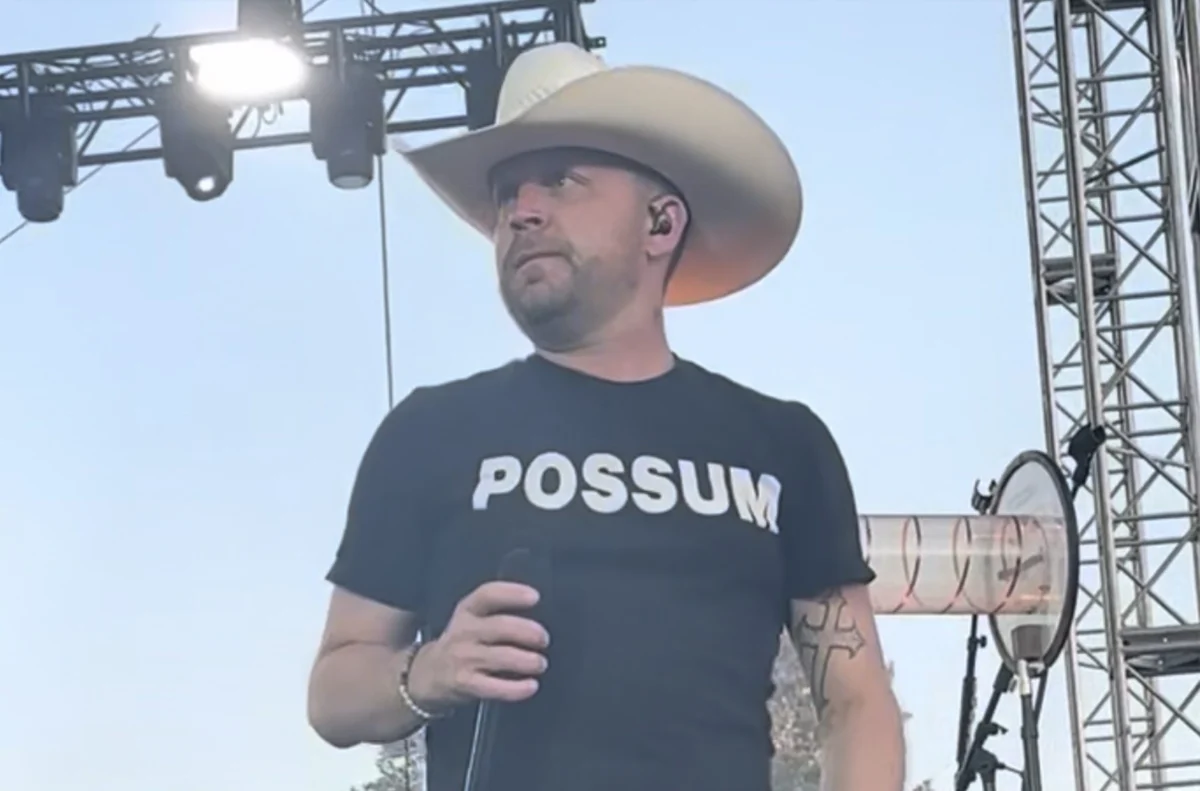
Justin Moore has solidified his standing as one of the most consistent and enduring forces in modern country music by securing his 14th career number-one single with the track “Time’s Ticking.” This achievement is not merely a personal milestone for the Arkansas native; it represents a historic moment in the landscape of country radio. The single’s ascent to the pinnacle of the charts concluded a 67-week journey, officially setting a new record for the longest climb to number one in the history of the country radio format. This slow-burn success underscores a shifting dynamic in how music is consumed and promoted within the genre, where longevity on the airwaves often dictates the ultimate reach of a contemporary hit.
The significance of Moore’s 14th chart-topper extends beyond the duration of its climb. With this latest accolade, Moore enters an elite echelon of performers, officially tying the career number-one total of the late George Jones. Often referred to as "The Possum," Jones is widely regarded as one of the greatest vocalists in the history of the genre, having maintained a career that spanned more than half a century. Additionally, Moore’s 14th hit places him in a tie with Keith Urban, another mainstay of the modern era. This statistical achievement positions Moore within the top 40 country artists of all time in terms of number-one singles, a feat that highlights his remarkable consistency over a career spanning nearly two decades.
A Career Defined by Consistency and Traditional Values
Justin Moore’s trajectory in Nashville began in 2002 when he moved to the city at the age of 18. At the time, the industry was undergoing significant transitions, moving away from the neotraditionalist boom of the 1990s and toward a more polished, pop-infused sound. Despite these trends, Moore remained committed to a sound rooted in traditional country themes: small-town life, blue-collar struggles, and domestic stability. His debut self-titled album, released in 2009 via The Valory Music Co. (an imprint of Big Machine Label Group), produced his first number-one hit, “Small Town USA.” This track served as a manifesto for his career, establishing a brand of relatability that resonated deeply with rural and suburban audiences alike.
Over the subsequent 15 years, Moore has methodically added to his tally of hits. His repertoire includes notable chart-toppers such as “If Heaven Wasn’t So Far Away,” “Til My Last Day,” “Lettin’ the Night Roll,” “You Look Like I Need a Drink,” and the more recent “Why We Drink” and “You, Me and Whiskey,” a duet with Priscilla Block. Unlike many of his contemporaries who emerged in the mid-2000s, Moore successfully navigated the "bro-country" era of the 2010s without significantly altering his musical DNA. While his 2016 album Kinda Don’t Care experimented with modern production elements in tracks like “Somebody Else Will,” he balanced the project with traditional offerings like the title track and the critically acclaimed “Hell On A Highway.”
Statistical Analysis of the 67-Week Chart Ascent
The record-breaking 67-week climb of “Time’s Ticking” provides a case study in the current state of country radio promotion. Historically, country singles would reach the top of the charts within 20 to 30 weeks. However, the saturation of the market and the integration of streaming data into radio programming have extended the life cycles of singles. Moore’s ability to maintain momentum for over a year on a single track is a testament to the persistent support of his fan base and the strategic patience of his promotional team.
Industry analysts note that such a lengthy climb requires a "perfect storm" of consistent listener requests, high streaming numbers, and sustained airplay across various radio conglomerates. Setting the record for the longest climb suggests that Moore’s music possesses a "sticky" quality—maintaining relevance long after the initial release period. This longevity is a key factor in why Moore has been able to produce hits across three separate decades, beginning with his 2009 debut and continuing through his 2024 single, “This Is My Dirt.”
Professional Reaction and the George Jones Comparison
The revelation that he had tied George Jones’s record was met with visible surprise by Moore during a recent interview with radio personalities Big D & Bubba. Moore’s reaction—described as one of genuine shock—reflects the reverence he holds for the genre’s pioneers. George Jones, whose career saw the release of over 150 singles, achieved his 14 number-one hits over a much longer period, reflecting a different era of chart mechanics. For Moore to reach that same number in less than 20 years is a reflection of the rapid-fire nature of modern music cycles, yet it does not diminish the gravity of being mentioned alongside an icon like Jones.
Moore’s humility regarding his success is a recurring theme in his public persona. During the interview, he recalled his early days in Nashville, stating that his initial goal was simply to secure a record deal so he could return to his hometown with a sense of accomplishment. "I thought, ‘Man, if I can just get a record deal, even if I don’t ever get to put anything out, then I can go back home and be proud,’" Moore remarked. He further noted that his primary motivation remains personal rather than professional, stating, “I’m still trying to make my mom and dad proud.”
The Cultural Impact of Non-Number One Hits
While the industry often uses number-one hits as the primary metric for success, Moore’s career is also defined by songs that achieved cultural ubiquity without reaching the top spot. A prime example is the 2011 single “Bait A Hook.” Despite being one of his most recognizable and frequently performed songs, it peaked at number 17 on the charts. In the age of social media, “Bait A Hook” has found a second life, frequently going viral on platforms like TikTok, demonstrating that chart position is not always synonymous with cultural impact.
Other tracks, such as the duet with Miranda Lambert, “Old Habits,” and the 2019 song “Someday I Gotta Quit,” have garnered critical praise for their songwriting and vocal performances, further cementing Moore’s reputation as a "singer’s singer" in the vein of his heroes. His participation in the "Still Playin’ Possum" tribute concert for George Jones in 2023 further illustrated the respect he has earned from both his peers and the estates of country music legends.
Implications for the Future of Justin Moore’s Legacy
The achievement of 14 number-one hits places Justin Moore in a strategic position as he enters the next phase of his career. He remains one of the few artists from the class of the late 2000s who continues to command significant airplay alongside younger, streaming-dominant artists. This staying power is often attributed to his refusal to "chase the next big thing," a common pitfall for veteran artists looking to remain relevant. By staying true to his neotraditionalist roots, Moore has cultivated a loyal demographic that values authenticity over trend-driven production.
As the country music industry continues to evolve with the influence of digital platforms and changing listener demographics, Moore’s milestone serves as a reminder of the value of the "slow and steady" approach. Tying George Jones is a symbolic passing of the torch of traditionalism. While Jones represented the hard-living, honky-tonk era of the 20th century, Moore represents the modern family man who still values the sonic hallmarks of that era—the steel guitar, the fiddle, and the relatable storytelling.
Looking ahead, Moore shows no signs of slowing down. With his 2024 single “This Is My Dirt” already gaining traction, the possibility of surpassing the 14-hit mark is high. Should he secure a 15th number-one, he will move past Jones and Urban, further climbing the all-time list and challenging the records of other legends such as Conway Twitty, Merle Haggard, and Alabama. For now, Moore appears content with his standing, viewing his career not through the lens of statistics, but through the fulfillment of a lifelong passion for country music and the continued pride of his family and community.
The record-breaking run of “Time’s Ticking” and the subsequent tying of George Jones’s record will likely be remembered as a turning point in Justin Moore’s career—the moment he transitioned from a reliable hitmaker to a certified veteran of the genre with a legacy that rivals the very icons who inspired him to move to Nashville over twenty years ago.