Reynand Wu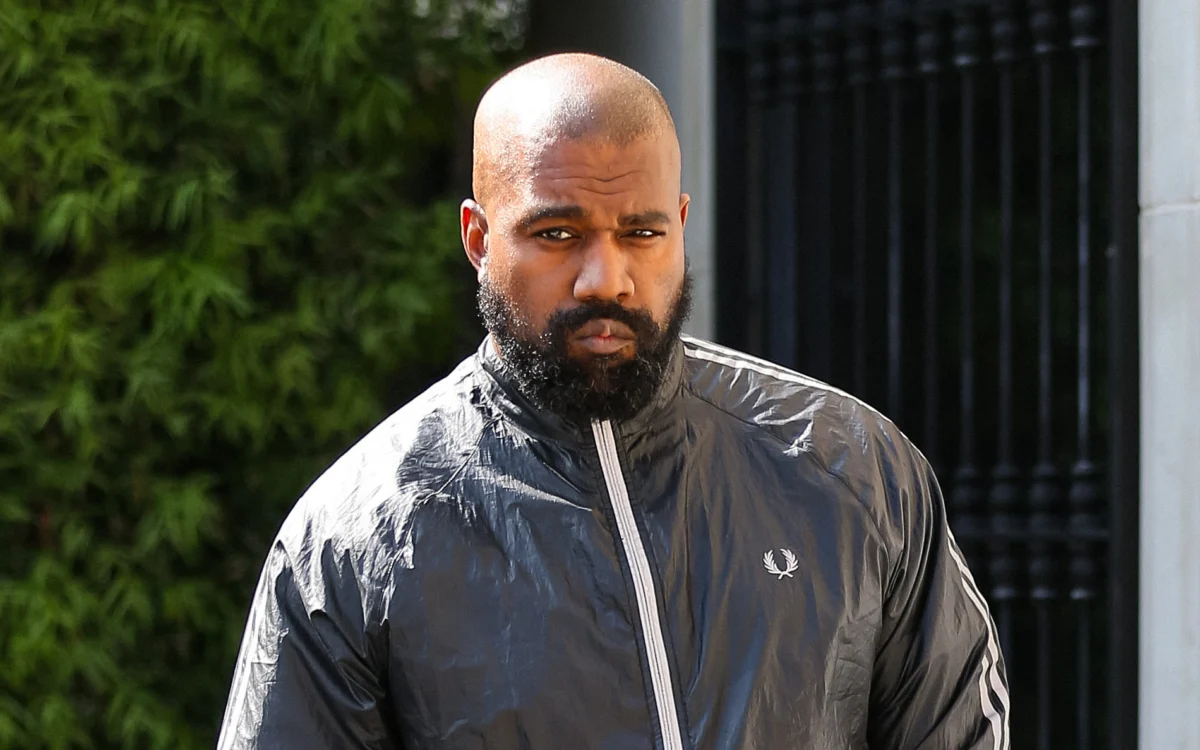
Wireless Festival, one of the United Kingdom’s most anticipated annual music events, has been abruptly canceled after its designated headliner, American rapper and fashion mogul Kanye West, officially known as Ye, was denied entry into the UK by the Home Office. The London-based rap and R&B festival made the startling announcement on Tuesday, April 7, confirming that the governmental decision to ban Ye from entering the country had left them with no alternative but to call off the entire event. The cancellation sent shockwaves through the UK music industry and left thousands of ticket holders in limbo, though the festival swiftly confirmed that all purchasers would receive an automatic full refund.
The decision by the UK Home Office to refuse Ye’s Electronic Travel Authorisation (ETA) application on Monday, April 6, citing that his presence would not be "conducive to the public good," marks a significant moment in the ongoing debate surrounding artistic freedom, accountability for public statements, and the responsibilities of event organizers. This unprecedented move came amidst a crescendo of public pressure from influential corporate sponsors, prominent anti-hate campaign groups, and even high-ranking UK political figures, all expressing deep concerns over the festival’s decision to book the highly controversial artist as its sole headliner for three nights.
The Genesis of Controversy: Ye’s Recent History
The events leading to the ban are deeply rooted in a series of highly inflammatory and widely condemned public statements made by Kanye West over the preceding years, particularly in late 2022 and early 2023. These controversies began to escalate dramatically when Ye displayed a "White Lives Matter" T-shirt at his Yeezy fashion show in Paris in October 2022, sparking widespread criticism. This was quickly followed by a string of antisemitic remarks made across various platforms, including social media posts, interviews, and podcasts.
Among the most egregious were tweets threatening to go "death con 3 on JEWISH PEOPLE" and repeated endorsements of antisemitic conspiracy theories. His rhetoric escalated further during an interview on Alex Jones’ InfoWars in December 2022, where he expressed admiration for Adolf Hitler and made several Holocaust-denying statements. These remarks led to the termination of lucrative partnerships with major brands such as Adidas, Gap, and Balenciaga, costing him billions and significantly impacting his business empire. His Donda Academy, a private school he founded, also faced scrutiny and eventually closed amid allegations of an unsafe and unaccredited learning environment.
These actions prompted widespread condemnation globally, leading to Ye being de-platformed from several social media sites and facing an almost universal backlash from public figures, human rights organizations, and the entertainment industry. The cumulative effect of these pronouncements laid the groundwork for the intense scrutiny that Wireless Festival faced upon announcing his headlining slot.
Mounting Pressure and Corporate Exodus
The announcement of Kanye West as the Wireless Festival headliner for July 10, 11, and 12, was met with immediate and fierce opposition. Critics argued that offering such a prominent platform to an individual with a history of antisemitic and pro-Nazi comments was irresponsible and harmful. The backlash quickly moved beyond social media discourse and into the corporate and political spheres.
In the days leading up to the ban, several major sponsors began to withdraw their support from Wireless Festival. Giants like Pepsi, PayPal, and Diageo, a multinational beverage alcohol company, publicly announced their decision to pull out. This corporate exodus signaled a clear stance against associating their brands with an artist whose public persona had become synonymous with hate speech. The withdrawal of such significant financial backing not only created immense logistical and financial challenges for the festival but also underscored the severe reputational risks involved in proceeding with Ye as a headliner. These companies, acutely aware of consumer sentiment and their own brand values, effectively voted with their feet, placing immense pressure on the festival organizers to reconsider their booking.
The political landscape also weighed in heavily. Prime Minister Sir Keir Starmer publicly voiced his "deep concern" over the festival’s decision to book Ye, reflecting a broader governmental unease with the potential for such a high-profile event to inadvertently normalize or platform controversial views. This level of political intervention in a cultural event is rare and highlighted the exceptional nature of the controversy surrounding Ye’s planned appearance.
The Home Office Decision: "Not Conducive to the Public Good"
The critical turning point came on Monday, April 6, when Kanye West submitted an application for an Electronic Travel Authorisation (ETA) to enter the UK. The UK Home Office, responsible for immigration and security, rejected his application the very next day, citing that his presence in the country would not be "conducive to the public good."
This specific legal clause is a powerful tool in UK immigration law, allowing the government to deny entry to individuals whose presence is deemed harmful to British society, public order, or national security. While the Home Office does not typically elaborate on individual cases, the context of Ye’s recent history made the application of this clause readily understandable. The implication was clear: the government determined that Ye’s recent pattern of behavior and public statements posed a risk of inciting hatred, offending significant portions of the population, or undermining social cohesion within the UK. This decision effectively shut down any possibility of Ye performing at Wireless Festival, irrespective of the festival organizers’ wishes.
The Home Office’s move sends a strong message about the UK’s zero-tolerance policy towards hate speech, particularly antisemitism, and its willingness to enforce immigration laws to protect public good and maintain social harmony. It sets a significant precedent for how the UK government might handle similar cases involving other public figures with controversial histories seeking to enter the country for performances or public engagements.
Ye’s Attempted Reconciliation and the Jewish Community’s Response
Prior to the official ban and the festival’s cancellation, Kanye West had attempted to address the growing backlash. On Tuesday, April 7, the same day the festival’s cancellation was announced, he issued a statement expressing a desire to "present a show of change" and "bring unity, peace and love through my music." He also extended an offer to meet with "members of the Jewish community in the UK in person, to listen."
This offer, while seemingly a gesture of reconciliation, was met with a cautious but firm response from the Board of Deputies of British Jews, a representative body for the UK’s Jewish community. They stated their willingness to meet with Ye as part of his "journey of healing," but crucially, only "after he agrees not to play the Wireless Festival this year." This condition underscored the community’s belief that a performance at such a high-profile event, given his recent history, would be premature and potentially cause further harm, regardless of any private apologies or promises of change. Their stance highlighted the deep wounds caused by his previous statements and the need for genuine, demonstrable remorse before any public rehabilitation could be considered. The Home Office’s subsequent ban rendered the Board’s condition moot regarding Wireless Festival, but the broader implication for future engagements remains.
Festival Republic’s Stance and the Debate on Artistic Freedom
Adding another layer of complexity to the narrative was the pre-ban defense of Kanye West offered by Melvin Benn, the managing director of Festival Republic, the company behind Wireless Festival. In a statement issued before the ban and cancellation, Benn expressed his personal abhorrence for Ye’s past comments about Jews and Hitler. However, he argued strongly for Ye’s right to perform, stating, "Ye’s music is played on commercial radio stations in this country. It is available via live streams and downloads in this country without comment or vitriol from anyone and he has a legal right to come into the country and to perform in this country."
Benn articulated a distinction between providing a platform for an artist’s music and endorsing their personal opinions. He asserted, "We are not giving him a platform to extol opinion of whatever nature, only to perform the songs that are currently played on the radio stations in our country and the streaming platforms in our country and listened to and enjoyed by millions." His defense also touched upon the concept of "forgiveness and giving people a second chance," suggesting these virtues were becoming "lost" in an increasingly divisive world. He urged people to "reflect on their instant comments of disgust… and offer some forgiveness and hope to him as I have decided to do."
Benn’s stance ignited a broader debate within the music industry and public sphere regarding artistic freedom versus social responsibility. While many supported the idea of separating the art from the artist or offering opportunities for redemption, a significant number of critics argued that the sheer magnitude and toxicity of Ye’s statements transcended mere "opinion" and warranted a stronger stance against providing him any platform, regardless of musical merit. The Home Office’s decision ultimately sided with the latter perspective, prioritizing public good over the festival’s argument for artistic liberty.
Broader Implications for the Music Industry and International Artists
The cancellation of Wireless Festival due to Kanye West’s UK ban carries significant implications for the global music industry. It highlights the increasing scrutiny faced by artists whose public personas extend beyond their music, particularly in an era where social media amplifies every statement and action. Festivals and promoters are now on notice that booking controversial figures comes with substantial financial, reputational, and governmental risks.
The incident underscores the growing power of corporate sponsors to influence festival lineups and ethical standards. Their rapid withdrawal from Wireless Festival demonstrates that commercial entities are increasingly unwilling to align themselves with artists whose controversies might damage their brand image or alienate their customer base. This trend could lead to a more conservative approach to artist bookings, potentially limiting opportunities for artists deemed "high-risk" due to their public conduct.
For international artists, the UK Home Office’s decision serves as a stark reminder of national immigration laws and the "public good" clause. It establishes a precedent that controversial statements made abroad can indeed impact an artist’s ability to perform in certain countries, irrespective of their fame or musical success. This could prompt artists to be more circumspect in their public discourse, understanding that their words carry real-world consequences beyond their home territories.
Financial and Reputational Fallout
The cancellation of Wireless Festival represents a substantial financial blow. While ticket holders will receive full refunds, the festival organizers, Festival Republic, will incur significant losses related to production costs, artist deposits, venue bookings, marketing, and staff salaries that cannot be recouped. Local businesses, including hotels, restaurants, and transportation services, which rely heavily on the influx of festival-goers, will also suffer considerable economic impact. The broader UK event industry, still recovering from various disruptions, will feel the ripple effects of such a high-profile cancellation.
Beyond the immediate financial losses, there is a significant reputational cost for Wireless Festival. While the cancellation was forced by a governmental ban, the initial decision to book Ye despite widespread controversy will likely be scrutinized. Future bookings may face heightened public and corporate scrutiny, and the festival may need to work to rebuild trust and assure its audience and partners of its commitment to responsible programming.
Contrast with US Engagements
In a notable contrast to his struggles in the UK, Kanye West has not faced similar governmental bans or widespread corporate boycotts on his home soil. He recently performed two sold-out shows at Los Angeles’ SoFi Stadium in support of his new album, Bully. These concerts featured appearances by a number of special guests, including Lauryn Hill, Travis Scott, and Don Toliver, demonstrating his continued ability to draw large crowds and collaborate with prominent artists within the United States.
This disparity highlights differing approaches to freedom of speech, artistic expression, and accountability across national borders. While the UK Home Office exercised its right to deny entry based on the "public good," the US legal and cultural landscape, with its strong emphasis on the First Amendment, typically allows for broader latitude in artistic expression, even when controversial. However, even in the US, Ye has faced significant public backlash and commercial consequences, demonstrating that while governmental bans may differ, the court of public opinion and corporate ethics can still exert immense pressure.
In conclusion, the cancellation of Wireless Festival following Kanye West’s UK ban is a multifaceted event with far-reaching implications. It underscores the complex interplay between artistic freedom, social responsibility, corporate ethics, and governmental authority in an increasingly interconnected and sensitive global landscape. The episode will undoubtedly serve as a cautionary tale and a significant case study for the music industry, artists, and event organizers worldwide as they navigate the evolving expectations of accountability in the public sphere.