Lana Akmaluna
The heart of Mexico City was transformed into a monumental open-air opera house on Saturday, April 18, 2026, as the world-renowned Italian tenor Andrea Bocelli headlined a free concert in the Zócalo, attracting an estimated crowd of more than 130,000 attendees. This landmark cultural event, sponsored by the Mexico City Government and Banco Plata, marked a significant moment in the city’s history of public performances, blending the rigors of classical opera with the vibrant rhythms of Mexican cumbia. The evening was characterized not only by Bocelli’s vocal prowess but also by high-profile collaborations with the legendary Mexican group Los Ángeles Azules and singer-songwriter Ximena Sariñana, creating a cross-genre spectacle that resonated through the Historic Center.
The Zócalo, formally known as the Plaza de la Constitución, has long served as the primary stage for Mexico’s most significant social and cultural gatherings. However, the presence of a classical figure of Bocelli’s stature provided a distinct atmosphere compared to the rock and pop acts that usually dominate the square. By sunset, the surrounding streets, including Madero, 20 de Noviembre, and 16 de Septiembre, were packed with residents and international tourists, many of whom watched the performance via large LED screens positioned strategically to accommodate the overflow from the main square.
A Repertoire of Classical Mastery and Popular Appeal
The concert commenced with a sophisticated selection of classical works, emphasizing Bocelli’s roots in the Italian bel canto tradition. Accompanied by the Orquesta Sinfónica de Minería, one of Mexico’s most prestigious musical institutions, and conducted by the maestro Carlo Bernini, Bocelli opened the night with powerful renditions of Giuseppe Verdi’s masterpieces. The program included "Di quella pira" from Il Trovatore and the universally recognized "La donna è mobile" from Rigoletto. These selections set a high technical bar for the evening, showcasing the tenor’s ability to project his signature emotive power across the vast expanse of the public square.
The first half of the performance was a testament to the enduring appeal of opera in Mexico. Bocelli was joined on stage by Puerto Rican soprano Larisa Martínez, whose performance of "Les filles de Cadix" was met with widespread acclaim. The two shared the stage for a series of emotional duets, drawing from La Traviata and La Rondine, which brought a sense of intimacy to the massive venue. Additionally, baritone Juan Carlos Heredia provided a robust performance of the "Toreador" song from Georges Bizet’s Carmen, further diversifying the evening’s operatic offerings. The Orquesta Sinfónica de Minería also highlighted excerpts from Bizet’s The Pearl Fishers, reinforcing the event’s commitment to high-level orchestral execution.

The Cultural Significance of the Cumbia Fusion
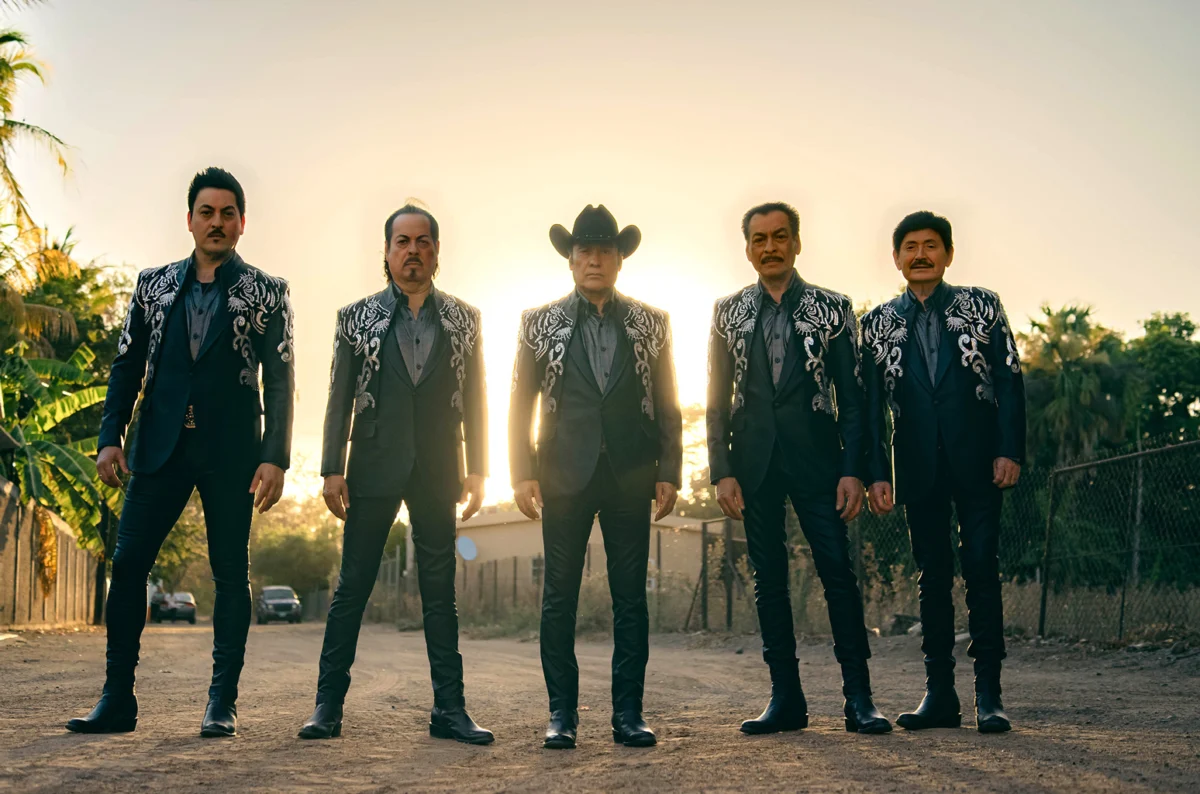
The evening took a dramatic and unexpected turn when the classical atmosphere transitioned into a celebration of Mexican popular music. The introduction of Los Ángeles Azules, the iconic cumbia group from Iztapalapa, shifted the energy of the crowd. In a move that local critics have noted as a significant moment of cultural democratization, Bocelli’s hit "Vivo Por Ella"—originally a 1996 duet with Marta Sánchez—was reimagined with the unmistakable cumbia rhythm that has defined Los Ángeles Azules for decades.
This fusion served as the emotional centerpiece of the night. Ximena Sariñana, a prominent figure in Mexican alternative pop, joined the ensemble to perform a new version of "Mis Sentimientos," turning the Zócalo into a massive dance floor. The collaboration culminated in a collective performance of Louis Armstrong’s "What a Wonderful World," featuring Bocelli, Sariñana, and Los Ángeles Azules. This segment of the concert illustrated a unique synergy between European classical traditions and Latin American popular genres, a hallmark of Bocelli’s career-long effort to bridge the gap between "high art" and the mainstream public.
Celebrating Three Decades of Romanza
Beyond the immediate spectacle, the concert served as a pivotal stop in the global celebration of the 30th anniversary of Bocelli’s seminal album, Romanza. Released in 1997, Romanza remains one of the best-selling albums of all time and is widely credited with launching Bocelli into international superstardom. According to Billboard data, the album dominated the World Albums chart for a record-breaking 51 weeks and peaked at No. 5 on the Classical Albums chart. Its crossover success was further evidenced by its No. 35 position on the all-genre Billboard 200.
The longevity of Bocelli’s career was a recurring theme throughout the evening. With 29 entries on the Billboard 200, including nine top 10 albums and a No. 1 spot for his 2018 release Si, Bocelli’s presence in Mexico City was more than just a free performance; it was a victory lap for a career that has successfully navigated the complexities of the modern music industry while maintaining a foundation in classical music.
Logistics, Sponsorship, and Urban Impact
The scale of the event required an immense logistical operation coordinated by the Mexico City government. Security personnel, emergency medical teams, and city workers were deployed in high numbers to manage the 130,000-strong crowd. The sponsorship by Banco Plata and the municipal administration allowed the event to remain free of charge, continuing a long-standing policy of providing high-quality cultural access to the city’s population regardless of socio-economic status.

Clara Brugada, a key figure in the city’s administration, noted via social media that the event was designed to be "inclusive and transformative," turning the Historic Center into a "temple of music." The economic impact on the surrounding area was also notable. Local hotels and restaurants reported near-capacity bookings, and the influx of tourists specifically for the Bocelli concert provided a significant weekend boost to the local economy. The use of high-definition screens and professional sound systems ensured that the auditory experience was consistent even for those blocks away from the stage, effectively turning the entire downtown area into a synchronized theater.
The Zócalo: A Stage for Global Icons
Andrea Bocelli now joins an elite list of international artists who have utilized the Zócalo as a platform for massive public engagement. The square has historically hosted legendary acts such as Paul McCartney, Roger Waters, and Justin Bieber. However, the attendance records for the Zócalo continue to be dominated by Latin artists.
On March 1 of the same year, Colombian superstar Shakira set a new historical record for the venue, drawing an unprecedented 400,000 people. Other top-tier attendance figures include the Argentine band Los Fabulosos Cadillacs, who drew 300,000 fans in June 2023, and the Mexican regional powerhouse Grupo Firme, who gathered 280,000 attendees in 2022. While Bocelli’s 130,000 figure is lower than these pop and regional records, it represents one of the largest audiences ever assembled for a classical-leaning performance in the history of the Americas, underscoring the tenor’s unique cross-demographic appeal.
Finale and Emotional Resonance
As the evening drew to a close, the atmosphere reached its peak with a performance of "Nessun dorma" from Giacomo Puccini’s Turandot. The aria, which has become Bocelli’s signature finale, was met with a standing ovation that lasted several minutes. The performance was accompanied by a synchronized fireworks display that illuminated the Metropolitan Cathedral and the National Palace, providing a visual crescendo to the musical program.
Visibly moved by the reception, Bocelli addressed the audience in Spanish, stating, "Thank you all, this is a wonderful night." The emotional resonance of the event was evident in the crowd, where many were seen moved to tears during the more somber operatic passages.

Analysis of Broader Implications
The success of the Bocelli concert in the Zócalo suggests a growing appetite for diverse cultural programming in Mexico City’s public spaces. By successfully integrating opera with cumbia, the event challenged traditional boundaries of "elite" versus "popular" culture. This strategy not only broadens the audience for classical music but also validates popular genres by placing them on the same prestigious stage.
Furthermore, the collaboration with local artists like Los Ángeles Azules and Ximena Sariñana ensures that these international events maintain a strong sense of local identity. For the city government, these concerts serve as a powerful tool for soft power and urban branding, positioning Mexico City as a premier global destination for major cultural events.
As the strains of the final notes faded into the night air of the Historic Center, the 130,000 attendees began their slow dispersal, marking the end of a night that will likely be remembered as a milestone in the city’s cultural calendar. The "monumental theater" of the Zócalo had once again proven its capacity to host the world’s most significant voices, bridging continents and genres in a single, emotional evening.