Nana Wu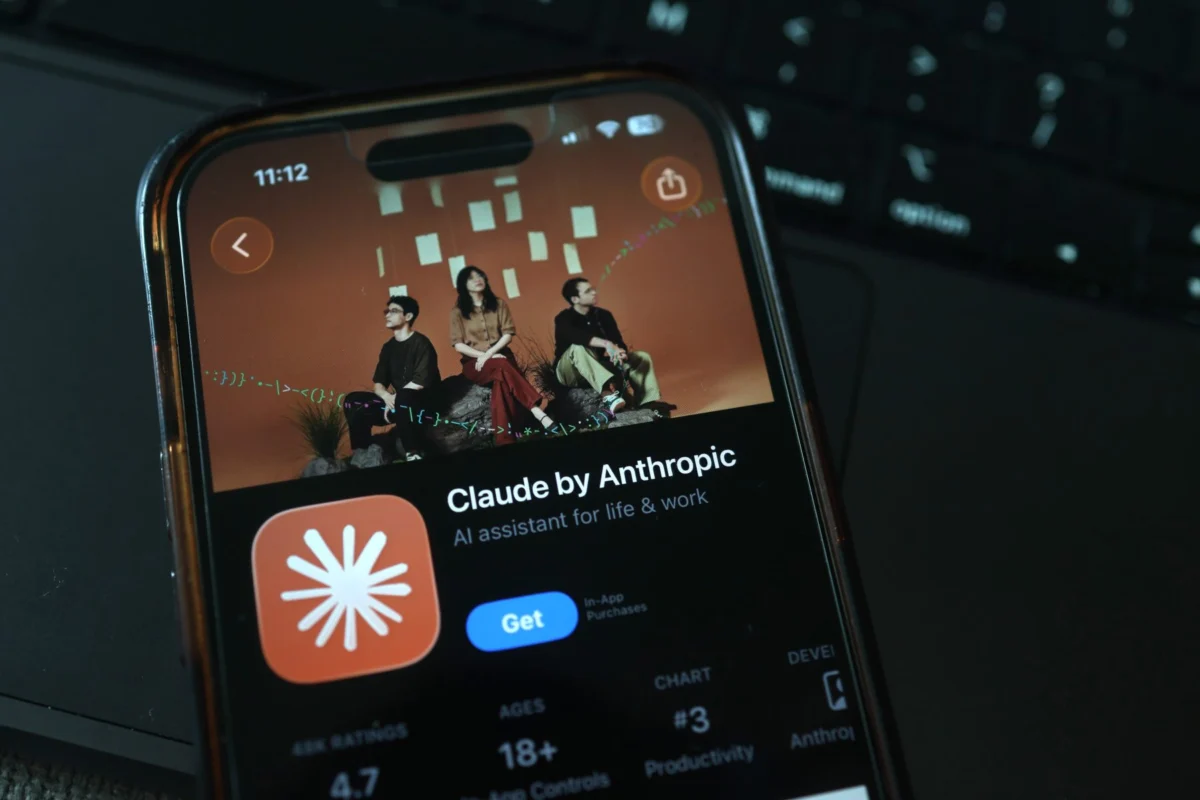
Anthropic, a leading artificial intelligence developer, has formally moved to end a significant copyright infringement lawsuit initiated by Universal Music Group (UMG) and a consortium of music publishers. The core of the dispute revolves around Anthropic’s alleged unauthorized use of copyrighted song lyrics to train its highly successful large language model (LLM), Claude. In a recent legal brief filed on Monday, April 20, 2026, Anthropic asserted that the publishers cannot credibly challenge the "transformative" nature of its AI training processes, a central tenet of the "fair use" doctrine in copyright law. This latest development marks a critical juncture in one of the most closely watched legal battles shaping the nascent but rapidly expanding AI industry.
The Heart of the Dispute: Fair Use and Transformative AI
The legal contention hinges on the interpretation of "fair use," a critical exception within U.S. copyright law that permits limited use of copyrighted material without acquiring permission from the rights holders. For a use to be considered fair, courts typically weigh four factors: the purpose and character of the use (including whether such use is of a commercial nature or is for nonprofit educational purposes); the nature of the copyrighted work; the amount and substantiality of the portion used in relation to the copyrighted work as a whole; and the effect of the use upon the potential market for or value of the copyrighted work.
Anthropic’s argument, as outlined in its April 20 filing, emphasizes the "transformative" aspect of its AI training. The company contends that Claude does not reproduce or perform the lyrics in their original form. Instead, it "ingests lyrics alongside trillions of other words to understand the interrelationships between words and concepts in human language." This process, Anthropic claims, transforms the raw data – including copyrighted lyrics – into an entirely new, functional output: a sophisticated AI model capable of complex tasks such as coding software, conducting research, and generating various forms of text documents. The company’s lawyers assert that this learning process is fundamentally different from a direct reproduction or derivative work, thereby falling squarely within the parameters of fair use. "Claude’s transformative training creates a flexible, general-purpose model that can be used in myriad beneficial ways — the vast majority of which are wholly unrelated to lyrics or music," Anthropic’s legal team stated.
Universal Music Group and its co-plaintiffs, however, view the situation starkly differently. In their filings last month, the music publishers urged a federal judge to declare Anthropic’s use of their intellectual property as unequivocally not fair use. They contend that the systematic ingestion of copyrighted material, without prior licensing or permission, constitutes a blatant infringement of their rights. The publishers argue that regardless of the subsequent "transformation" within the AI model, the initial act of copying and using their creative works for commercial training purposes is illegal. A representative for the music publishers, in a statement to Billboard on Tuesday, April 21, 2026, reiterated this stance: "There is no excuse for Anthropic’s blatant infringement of Publishers’ copyrighted song lyrics." They added that Anthropic’s recent filing is "wrong on the facts and the law in numerous respects," and that they look forward to rebutting these arguments in their upcoming opposition brief.

The Economic Impact and Market Harm Debate
Another critical component of the fair use analysis is the effect of the use upon the potential market for or value of the copyrighted work. Anthropic vigorously argues that the music publishers have failed to provide any evidence of market harm. In fact, the AI company pointed to statements made by UMG’s own chief digital officer, Michael Nash, during the company’s earnings call just last month. Nash reportedly told investors that "thoughtful analysis will conclude that the impact AI will have on our business will be overwhelmingly net positive." Anthropic leverages this quote to underscore its position that its AI technology is not directly competing with or devaluing the publishers’ existing markets for song lyrics or musical works.
The publishers, conversely, likely contend that while direct market harm might not be immediately apparent, the potential for future harm is substantial. They could argue that the unauthorized use of their content to train AI models creates a precedent that undermines the entire intellectual property ecosystem. If AI companies can freely use copyrighted works for training, it could erode the licensing market for creative content, potentially leading to a devaluation of creative output and impacting artists’ and publishers’ ability to monetize their work in the long term. This forward-looking perspective on market harm is a common argument in copyright cases involving emerging technologies, where the full economic implications are not yet clear.
A Chronology of Emerging Legal Battles
The lawsuit against Anthropic is not an isolated incident but rather a significant chapter in a broader, escalating legal conflict between content creators and generative AI developers. The timeline of these disputes underscores the rapid pace of AI development and the reactive nature of legal frameworks:
- Late 2023: Universal Music Group and a consortium of music publishers officially filed their lawsuit against Anthropic. This marked one of the first major legal challenges by the music industry against an AI developer specifically over the use of lyrics for LLM training.
- Late 2023 / Early 2024: The legal landscape expanded dramatically as all three major record labels – Universal Music Group, Sony Music Entertainment, and Warner Music Group – initiated separate but parallel copyright infringement cases against AI music generation companies, specifically Suno and Udio. These lawsuits targeted AI models designed to create new musical compositions and recordings, directly challenging the unauthorized use of copyrighted sound recordings and compositions for training.
- Late 2024 / Early 2025: Amidst the ongoing litigation, some partial licensing settlements were reportedly inked between certain music rights holders and AI music companies, suggesting a potential pathway for collaboration and authorized use, even as the broader legal questions remained unresolved. These settlements, though limited, hinted at a future where licensing agreements might become standard practice in the AI-creative industry interface.
- March 2026: The music publishers in the Anthropic case filed their brief, urging a federal judge to rule against Anthropic’s fair use defense, laying out their arguments for infringement and the lack of transformative use.
- April 20, 2026: Anthropic submitted its counter-brief, robustly defending its training practices under the fair use doctrine and challenging the publishers’ claims of market harm.
- April 21, 2026: The music publishers issued a public statement through Billboard, reaffirming their commitment to protecting their copyrighted works and dismissing Anthropic’s arguments.
This rapid succession of legal actions illustrates the profound tension between technological innovation and established intellectual property rights in the digital age.

Broader Industry Context and Parallel Lawsuits
The "unsettled legal question" of whether AI training constitutes fair use is a foundational issue currently being litigated across numerous sectors. Beyond the music industry, authors, visual artists, and software developers have also filed lawsuits against AI companies like OpenAI, Stability AI, and Midjourney, alleging similar copyright infringements. These cases collectively seek to define the boundaries of legitimate data sourcing for AI models.
For instance, authors’ guilds and individual writers have sued AI developers for ingesting vast quantities of copyrighted books to train LLMs, arguing that these models can then generate content that competes with or is derived from their original works. Similarly, visual artists have challenged image-generating AIs for using their artwork without permission, contending that the AI models are effectively creating "style copies" or derivative works that infringe on their creative rights. The outcomes of these diverse lawsuits will have far-reaching implications, potentially setting precedents that will govern the development and deployment of AI technologies for decades to come.
The music industry’s engagement in this battle is particularly significant given its long history of navigating technological disruption, from radio and tape recorders to digital downloads and streaming. Each new wave of technology has forced the industry to adapt its business models and legal strategies to protect its core asset: creative content. AI presents perhaps the most profound challenge yet, as it touches upon the very essence of creation and intellectual originality.
The Stakes: Economic and Creative Implications
The stakes in the Anthropic-UMG lawsuit, and indeed in all AI copyright cases, are immense. For the AI industry, a ruling against fair use could necessitate a complete overhaul of their data acquisition strategies, potentially leading to enormous licensing costs, slower development, and even legal challenges to existing models. If AI developers are compelled to license every piece of data used for training, it could create significant barriers to entry for smaller companies and stifle innovation. Conversely, a broad interpretation of fair use could empower AI companies but potentially undermine the financial viability of content creators, who rely on copyright to protect and monetize their work.

For the creative industries, the outcome will define the future value of their intellectual property. A favorable ruling for publishers could establish a clear pathway for licensing and compensation, allowing creators to participate in the economic boom of AI. It could also reinforce the principle that human creativity deserves protection and fair remuneration, even when its digital traces are used to fuel advanced algorithms. However, if AI training is broadly deemed fair use, creators might find themselves in a position where their work is used to train systems that then compete with them, without any direct compensation or recognition.
Beyond economics, there are profound philosophical questions at play concerning authorship, originality, and the nature of creative expression in an AI-augmented world. What does it mean to create when machines can generate highly sophisticated content? How do we distinguish between human ingenuity and algorithmic synthesis? These legal battles are not just about money; they are about defining the future relationship between technology and artistry.
Looking Ahead: An Evolving Legal Landscape
As the legal proceedings unfold, the focus will intensify on the specific nuances of Anthropic’s training methods and the actual outputs of the Claude AI. Expert testimonies on the technical aspects of large language models will be crucial, as judges and juries grapple with complex technological concepts that are far removed from traditional copyright infringement scenarios. The publishers will need to demonstrate that Claude’s use of lyrics is not merely "learning" but rather a form of exploitation that damages their market or creates a derivative work without authorization. Anthropic, on its part, must continue to emphasize the fundamental difference between data ingestion for model training and the generation of competing creative works.
The eventual ruling in this case, or any potential settlement, will undoubtedly influence similar lawsuits globally and could spur legislative action. Governments worldwide are already debating how to regulate AI, and copyright is a central component of these discussions. Lawmakers may step in to provide clearer guidelines for AI training data, potentially through new licensing frameworks or specific exemptions, rather than leaving it solely to the courts to interpret existing laws in a rapidly changing technological landscape. The Anthropic v. UMG case is therefore not just a dispute between two powerful entities; it is a bellwether for the future of intellectual property in the age of artificial intelligence.