Reynand Wu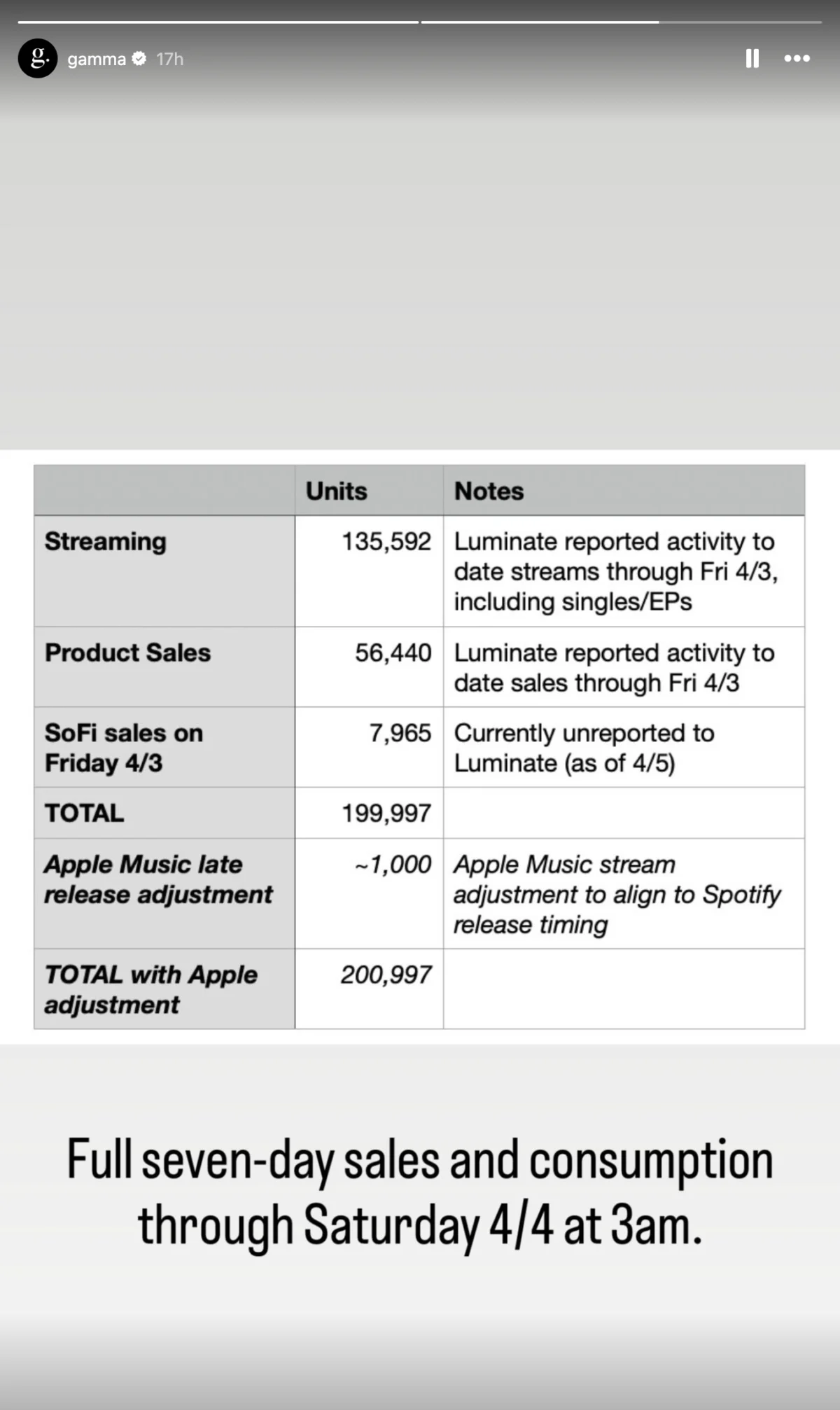
Kanye West’s latest album, Bully, has entered the highly competitive Billboard 200 chart with a notable debut, securing the number two position despite a preceding period marked by intense public scrutiny and controversy. The album’s initial performance has not only sparked discussions about chart metrics and data integrity but has also coincided with a significant escalation of public and corporate pressure surrounding West’s scheduled live performances.
A Complex Chart Debut for "Bully"
According to official figures released by Billboard, Bully garnered 152,000 equivalent album units in its inaugural week. This composite figure, which reflects a blend of traditional album sales, track equivalent albums (TEA), and streaming equivalent albums (SEA), positions the album as a strong contender in the contemporary music landscape. A detailed breakdown reveals that a substantial portion of this total, 96,000 units, was derived from streaming activity, translating to an impressive 98.43 million on-demand official streams across various platforms. The remaining 56,000 units were attributed to traditional album sales, indicating a solid base of physical and digital purchases.
However, the album was ultimately denied the coveted top spot on the Billboard 200 by K-Pop titans BTS. Their 10th album, ARIRANG, demonstrated remarkable staying power, accumulating 187,000 equivalent units in its second week on the chart. This robust performance followed an exceptional debut, where ARIRANG stormed to number one with an astounding 641,000 units, underscoring BTS’s formidable global fanbase and consistent commercial success. The competition from such a dominant act highlights the intense nature of the contemporary music market.
Kanye West’s Illustrious (and Interrupted) Chart Reign
The number two debut for Bully marks a significant deviation from Kanye West’s historical chart performance, bringing an end to an extraordinary 21-year streak of solo albums achieving the number one position. Since his critically acclaimed debut, The College Dropout, which similarly peaked at number two in 2004, every subsequent solo studio album released by West had successfully claimed the top spot. This impressive list includes seminal works such as Late Registration (2005), Graduation (2007), 808s & Heartbreak (2008), My Beautiful Dark Twisted Fantasy (2010), Yeezus (2013), The Life of Pablo (2016), Ye (2018), Jesus Is King (2019), and Donda (2021). The interruption of this two-decade-long dominance by Bully offers a moment for reflection on West’s evolving career trajectory and the shifting dynamics of the music industry. While a number two debut is still a remarkable achievement for any artist, for Kanye West, it represents a rare occurrence in his otherwise unblemished record of chart-topping solo releases.
The Gamma. Contention: A Challenge to Chart Authority
Adding a layer of complexity to Bully‘s chart narrative is the emergence of a direct challenge to Billboard‘s reported figures from Gamma., the distribution company behind the album. Gamma., founded by former Apple Music executive Larry Jackson, has publicly asserted that Bully actually achieved a higher first-week total, claiming over 200,000 equivalent units. This figure, if verified, would have been sufficient to surpass BTS and secure the number one spot for West.
Through a post on its Instagram Stories, Gamma. presented what it termed a "full seven-day sales and consumption" breakdown, meticulously detailing how Bully generated a total of 200,997 units. This direct contradiction of Billboard‘s official reporting has ignited a debate within the industry regarding the accuracy and transparency of chart data. At the time of this report, neither Billboard nor Luminate, the independent data company responsible for powering the Billboard charts, has issued an official response to Gamma.’s claims. This silence leaves a vacuum of information, prompting speculation and raising questions about the reconciliation process for such discrepancies.
Understanding Billboard’s Methodology and Data Integrity
To contextualize the Gamma. claims, it is essential to understand Billboard‘s intricate methodology for compiling the Billboard 200 chart. The chart ranks the most popular albums of the week in the U.S. based on equivalent album units. These units are derived from a combination of traditional album sales, track equivalent albums (TEA), and streaming equivalent albums (SEA). Currently, 1,250 paid subscription streams or 3,750 ad-supported streams from an album are typically equated to one album unit, while ten individual track sales from an album also count as one unit.
Luminate (formerly Nielsen Music/MRC Data) serves as the independent third-party data provider that collects and aggregates sales and streaming information from thousands of retailers, digital music providers, and streaming services. This data is then vetted and processed before being delivered to Billboard for chart compilation. The integrity of the charts relies heavily on the accuracy and consistency of Luminate’s data collection and verification processes. Discrepancies, while not unprecedented, are usually addressed through transparent communication between the data provider, Billboard, and the affected labels or distributors. The current lack of a public statement from Billboard or Luminate regarding Gamma.’s counter-claims leaves the situation unresolved and fuels ongoing discussions about the mechanisms of chart reporting.
The Shadow of Controversy: Kanye West’s Public Image and Past Remarks
The commercial performance and chart debates surrounding Bully are inextricably linked to a broader and more significant narrative: the ongoing fallout from Kanye West’s history of controversial remarks, particularly those deemed antisemitic. Over the past few years, West has repeatedly made public statements that have drawn widespread condemnation, leading to the termination of lucrative corporate partnerships and a significant erosion of his public image.
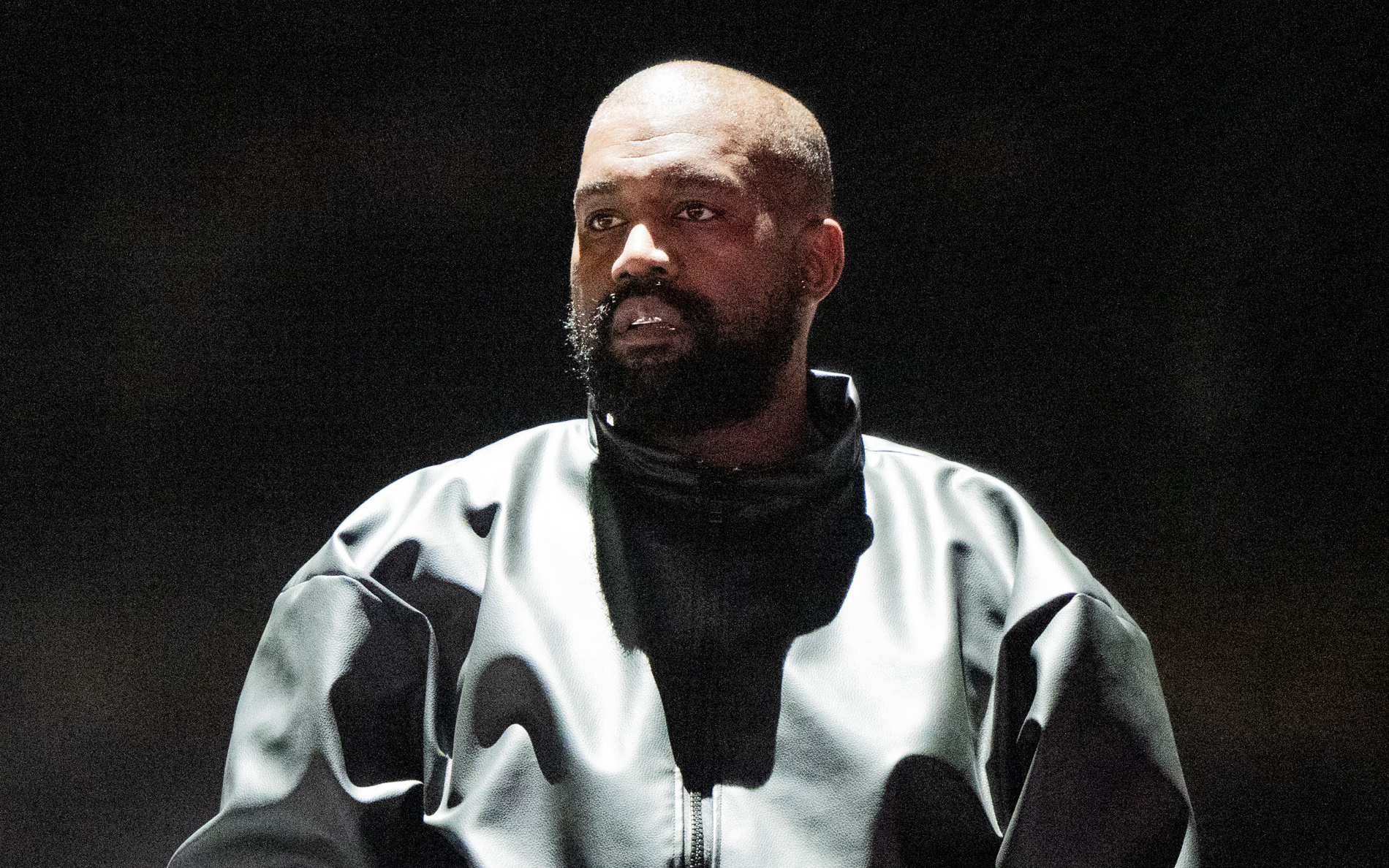
Key instances of his controversial rhetoric include comments made in late 2022, such as threatening to go "death con 3 on Jewish people" on social media. He also made numerous statements in interviews and on podcasts accusing Jewish individuals of controlling media, finance, and other aspects of society, echoing dangerous antisemitic tropes. Furthermore, West publicly praised Adolf Hitler and expressed admiration for Nazism, statements that sent shockwaves globally and drew severe criticism from Jewish organizations, political leaders, and the general public. These remarks led to the severing of his long-standing and highly profitable partnerships with Adidas and Gap, among others, resulting in billions of dollars in lost earnings and significantly damaging his brand. The impact of these controversies has been profound, transforming public perception of the artist and creating a challenging environment for any new commercial endeavor.
Wireless Festival: A Crucible of Corporate and Political Pressure
The contentious atmosphere surrounding Kanye West has reached a critical juncture with his announced headlining sets at London’s Wireless Festival in July. These performances have ignited a firestorm of scrutiny, culminating in significant corporate withdrawals and strong political condemnation.
Timeline of Escalation:
- Announcement of Headlining Sets: Kanye West is confirmed as a headliner for all three nights of Wireless Festival, scheduled for July, following recent sold-out shows at Los Angeles’ SoFi Stadium in support of Bully.
- Initial Public Reaction: The announcement immediately draws criticism from various advocacy groups and members of the public, citing West’s well-documented history of antisemitic remarks.
- Corporate Exodus: In recent days, a cascade of major sponsors has publicly withdrawn their support from Wireless Festival. These include global beverage giant Pepsi, financial technology leader PayPal, and drinks conglomerate Diageo. The departure of such high-profile corporate partners signals a clear aversion to brand association with West amidst the controversy, highlighting the severe commercial risks involved.
- Political Condemnation: The controversy has transcended the cultural sphere, reaching the highest echelons of British politics. Sir Keir Starmer, the then-leader of the Labour Party (now Prime Minister), publicly expressed his "deep concern" that the controversial rapper had been booked to perform "despite his previous antisemitic remarks and celebration of Nazism." Similarly, London Mayor Sadiq Khan voiced his protest, adding significant political weight to the calls for reconsideration of West’s booking. These statements from prominent political figures underscore the gravity of the situation and the broad societal impact of West’s past actions.
The pressure on Wireless Festival organizers is immense, balancing contractual obligations and potential fan demand with the moral, ethical, and commercial implications of hosting an artist facing such widespread condemnation.
The Economics of Live Music: Brand Risk vs. Artist Appeal
The situation at Wireless Festival exemplifies a growing challenge for the live music industry: balancing the allure of a major artist with the significant brand risks associated with their controversies. For festival organizers, securing a high-profile act like Kanye West can drive ticket sales and generate massive publicity. However, when that artist’s public persona becomes deeply contentious, it creates a dilemma. Sponsors, who are crucial for the financial viability of large-scale festivals, are increasingly sensitive to public sentiment and brand safety. Associating with an artist linked to antisemitism or other forms of hate speech can lead to severe reputational damage, consumer boycotts, and financial penalties.
The withdrawal of major sponsors like Pepsi, PayPal, and Diageo is not merely a symbolic gesture; it represents a substantial financial blow to the festival. These companies invest millions in sponsorship deals, expecting positive brand exposure and alignment with inclusive values. Their departure forces organizers to confront the economic reality of maintaining their event amidst a storm of negative publicity. This scenario also sets a precedent for future bookings, indicating that artists with histories of extreme controversial behavior may find it increasingly difficult to secure mainstream festival slots without facing similar backlash and sponsor flight.
Strategic Album Extensions: The "Bully" Deluxe Edition
Amidst the chart contention and festival controversies, Kanye West’s distribution partner, Gamma., has also teased future plans for Bully. In a separate Instagram Story, Gamma. announced, "Bully deluxe on the way." This move suggests an imminent expanded edition of the album, a common strategy in the modern music industry designed to extend an album’s lifespan, boost its chart performance, and generate renewed interest.
Deluxe editions typically feature additional tracks, remixes, or alternative versions of existing songs, providing new content for fans and encouraging further streaming and sales activity. The release of a deluxe version often allows an album to re-enter the charts or climb higher in subsequent weeks, leveraging the initial momentum of the standard release. Details regarding the Bully deluxe edition, such as a release date, the number of bonus songs, or potential new collaborations, have yet to be officially announced. This strategic release could serve as an attempt to reignite commercial interest in Bully, potentially allowing it to achieve a higher chart position in a future week, especially if Gamma.’s initial sales figures were indeed more robust than Billboard reported.
Navigating a Multifaceted Landscape: The Road Ahead for Kanye West
Kanye West’s journey with Bully is proving to be a multifaceted challenge, encompassing chart performance scrutiny, data integrity debates, and severe public and corporate backlash. While a number two debut is a commendable achievement for most artists, for West, it signifies the end of an unparalleled chart-topping streak, compounded by an ongoing dispute over its true commercial standing. The unresolved claims by Gamma. against Billboard‘s official numbers introduce an element of uncertainty into the album’s initial success, raising questions about data transparency in the digital age.
More profoundly, the intensifying controversy surrounding his Wireless Festival appearances underscores the lasting and significant impact of his past antisemitic remarks. The withdrawal of major sponsors and the strong condemnation from political leaders highlight a critical juncture for West’s career, demonstrating the tangible consequences of his public statements on his commercial viability and public perception. As West navigates this complex landscape, the release of a deluxe edition for Bully may represent an attempt to regain momentum. However, the broader implications of his controversies for his long-term career trajectory, his ability to secure major brand partnerships, and his standing in the global music industry remain profound and far-reaching. The coming weeks and months will undoubtedly reveal more about how West and his team plan to address these interwoven challenges.