Nayara Elvina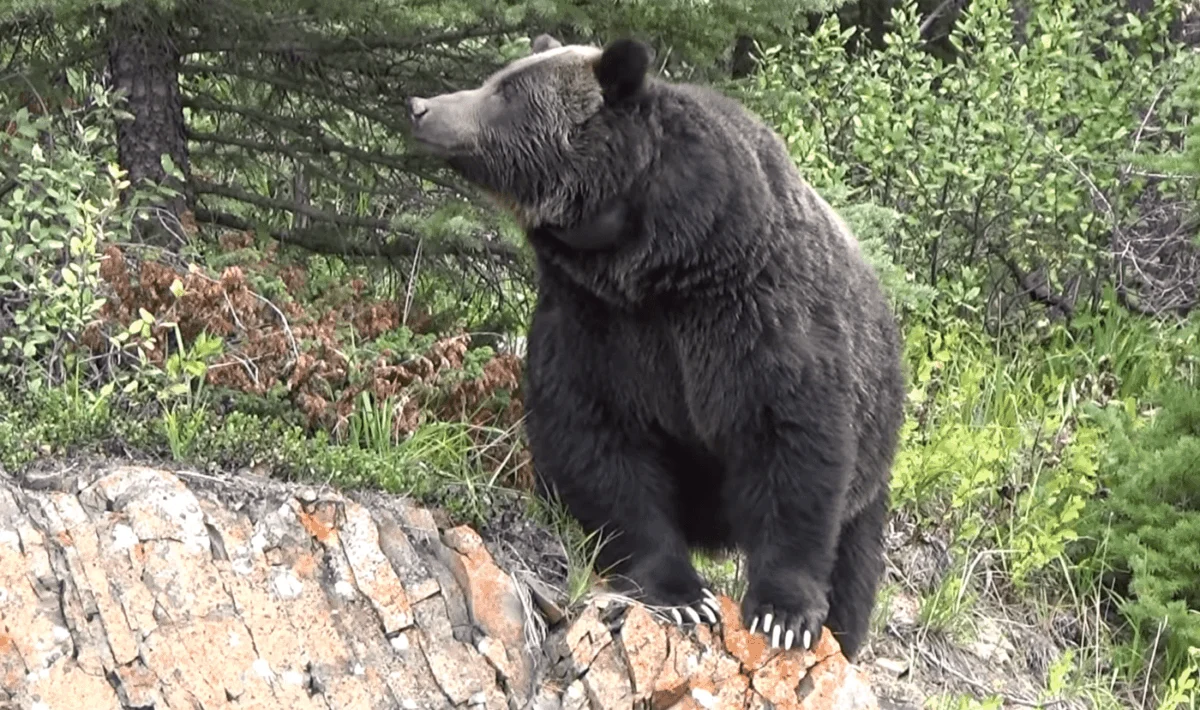
Two soldiers assigned to the U.S. Army’s 11th Airborne Division are recovering from serious injuries following a predatory encounter with a brown bear during a training exercise in the Alaskan wilderness. The incident, which occurred in the remote Arctic Valley training area of Joint Base Elmendorf-Richardson (JBER), has reignited national discussions regarding wildlife safety protocols and the efficacy of non-lethal deterrents. According to official reports from both military and state wildlife authorities, the soldiers’ possession and immediate deployment of bear spray are being cited as the primary reasons the encounter did not result in a double fatality.
The attack took place on Thursday, April 16, as the soldiers were participating in a land navigation course. Land navigation is a core military competency that requires personnel to traverse rugged, often unmapped terrain using only a map, compass, and physical markers. This type of training frequently places service members in isolated environments where human-wildlife conflict is a persistent risk. In this instance, the soldiers were operating in the Arctic Valley, a region known for its dense brush and significant populations of Ursus arctos, or the Alaska brown bear.
Chronology of the Incident and Emergency Response
The encounter unfolded rapidly in the morning hours. While moving through a heavily wooded section of the JBER training grounds, the two soldiers inadvertently surprised a brown bear. Wildlife experts from the Alaska Department of Fish and Game (ADF&G) suggest the bear had likely recently emerged from its winter den. Post-hibernation bears are often in a state of physiological stress, seeking high-calorie food sources while remaining highly protective of their immediate territory.
Upon the bear’s charge, the soldiers utilized their issued bear spray, a pressurized aerosol deterrent containing high concentrations of capsaicin and related capsaicinoids. Despite the deployment of the spray, the bear managed to make physical contact, inflicting what have been described as serious injuries on both individuals. However, the chemical irritant functioned as intended, causing the bear to break off the attack and retreat from the area.
Immediately following the encounter, the soldiers were able to signal for medical assistance. First responders from JBER, along with ADF&G personnel, arrived at the scene to provide emergency medical treatment and secure the perimeter. The injured service members were subsequently evacuated to a nearby medical facility for stabilization and long-term care. In a subsequent sweep of the area, ADF&G staff found no sign of the bear, suggesting the animal had fled deep into the surrounding wilderness to escape the effects of the deterrent.
Official Statements and Investigative Findings
In the wake of the attack, the Alaska Department of Fish and Game issued a formal press release detailing the preliminary findings of their investigation. The agency emphasized the role of the deterrent in preventing a more tragic outcome.
"Employees of the Alaska Department of Fish and Game (ADF&G) responded to the location of a reported bear attack Thursday, April 16, in Anchorage on Joint Base Elmendorf-Richardson (JBER)," the statement read. "Two soldiers sustained injuries in the attack during a land navigation training event on JBER. They reported having bear spray with them to responding personnel. No bears were encountered at the site by first responders or ADF&G staff during the subsequent investigation."
Regional Supervisor Cyndi Wardlow further underscored the gravity of the situation and the department’s commitment to analyzing the event to improve future safety. "We hope both individuals have a full and quick recovery, and our thoughts are with them during this time," Wardlow stated. "ADF&G will continue investigating the circumstances that led to the attack and try to learn everything we can about what happened to increase public safety around wildlife in Alaska. In this case, having bear spray with them in the field may have saved their lives."
The Science of Deterrents: Bear Spray vs. Alternative Methods
The JBER incident provides a stark case study in the effectiveness of bear spray compared to other common, yet often less effective, deterrent methods. Bear spray is designed to create a large cloud of irritant that affects a bear’s mucous membranes, eyes, and respiratory system. Unlike a firearm, which requires extreme precision under duress, bear spray provides a "barrier" of protection that can deter a charging animal even if the user’s aim is slightly off.
The effectiveness of this tool stands in contrast to passive deterrents, such as "bear bells." Recently, a viral video from California’s Mt. Wilson Trail highlighted the limitations of noise-makers. A hiker wearing bells encountered a bear that not only ignored the sound but proceeded to "bluff charge" the individual. While the hiker in that instance was unharmed, wildlife biologists note that bears in high-traffic areas, such as those near Los Angeles or Anchorage, can become habituated to human sounds. In some cases, constant, rhythmic noises like bells may even pique a bear’s curiosity rather than acting as a warning.
Data from the University of Calgary and other wildlife research institutions suggest that bear spray is effective in over 90% of close-range encounters with various bear species. In contrast, the use of firearms in similar situations has a lower success rate in preventing injury to the human involved, often due to the difficulty of hitting a rapidly moving target in a way that immediately incapacitates the animal.
Environmental Context: The 11th Airborne and the Alaskan Spring
The 11th Airborne Division, known as the "Arctic Angels," is specifically trained to operate in the extreme environments of the North. However, even with specialized training, the biological realities of Alaska in April present unique hazards. This period marks the transition from winter dormancy to spring activity for Alaska’s bear population.
During this time, bears are often "food-stressed." The scarcity of early-season forage means bears may be more defensive of carcasses or specific territory. The Arctic Valley, while used for military training, is also a vital corridor for wildlife. The intersection of high-intensity military training and active wildlife corridors necessitates a complex management strategy. JBER maintains strict regulations regarding food storage and waste management to prevent bear habituation, but "surprise encounters" remain an inherent risk of operating in the Alaskan bush.
Broader Implications for Public Safety and Training Protocols
The JBER attack serves as a critical reminder for both military personnel and civilians regarding the necessity of active deterrents. The Alaska Department of Fish and Game continues to advocate for a multi-layered approach to safety:
- Situational Awareness: Making noise (talking or clapping) to avoid surprising an animal, particularly in dense brush or near running water.
- Deterrent Readiness: Carrying bear spray in an accessible holster—not inside a backpack—where it can be reached in seconds.
- Behavioral Knowledge: Understanding the difference between a predatory stalk and a defensive charge. In defensive encounters, such as the one at JBER, standing one’s ground and using a deep, firm voice can sometimes de-escalate the situation, though bear spray remains the recommended primary defense.
For the U.S. Army, this incident may prompt a review of safety briefings for soldiers participating in land navigation. While the soldiers in this case were praised for their preparedness, the severity of their injuries highlights the unpredictable nature of apex predators.
Statistical Analysis of Bear Encounters in Alaska
Statistically, bear attacks in Alaska remain rare relative to the number of people who recreate and work in the outdoors. On average, Alaska sees between five and ten bear-related hospitalizations per year, with fatalities occurring approximately once every one to two years. However, as urban sprawl continues around Anchorage and more people utilize the surrounding wilderness, the frequency of "close encounters" has seen a marginal increase.
The successful use of bear spray by the 11th Airborne soldiers adds to a growing body of evidence supporting the mandatory carriage of such deterrents for all personnel operating in the Alaskan interior. Wildlife officials reiterate that while no deterrent is 100% foolproof, the presence of a capsaicin-based spray significantly shifts the odds in favor of human survival.
As the two soldiers continue their recovery, the 11th Airborne Division and the ADF&G will likely use this event as a definitive example of how equipment and training can mitigate the dangers of the "Last Frontier." The investigation remains ongoing as authorities monitor the Arctic Valley for any further signs of aggressive bear activity to ensure the safety of other service members and the general public who utilize the adjacent recreational lands.