Aveline Kirana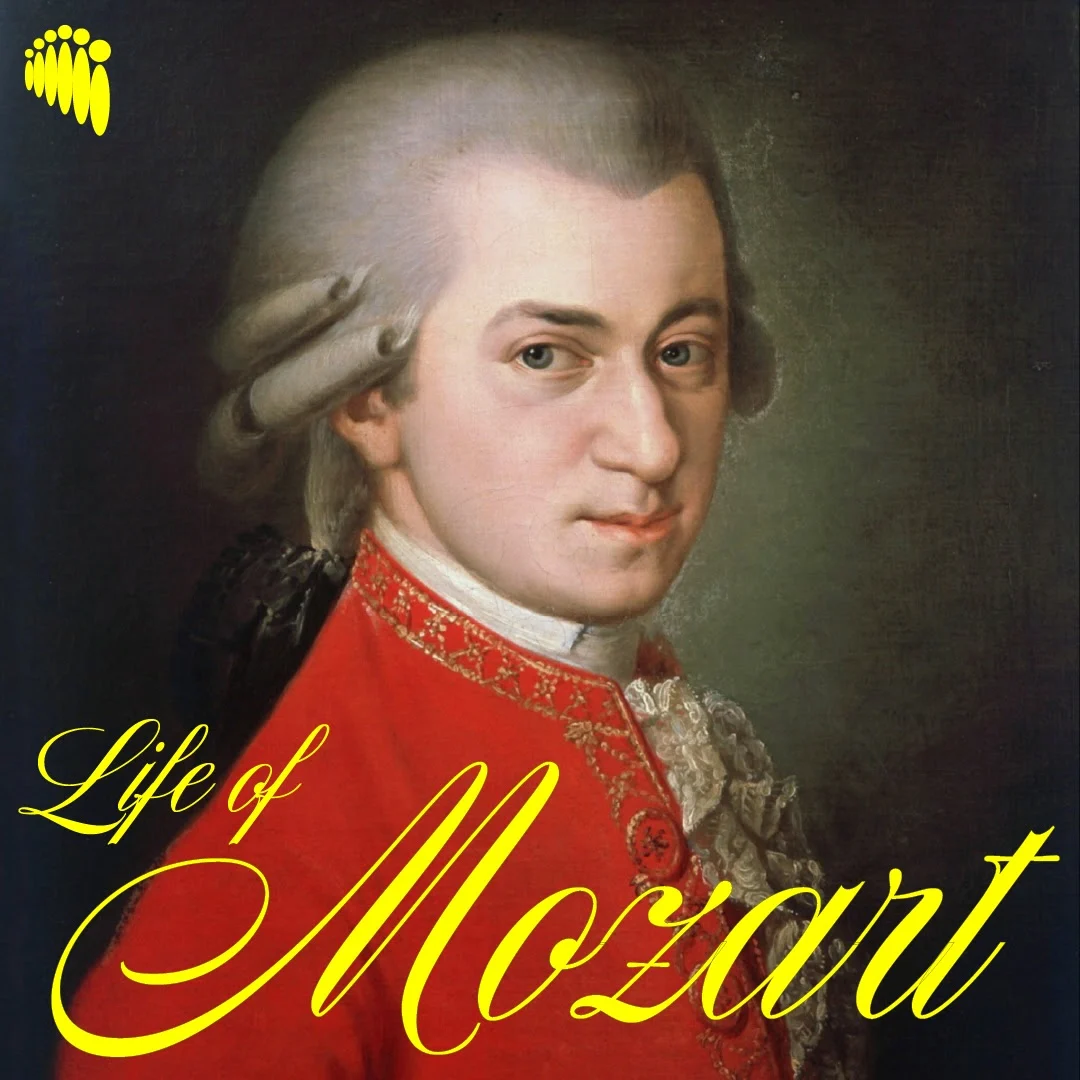
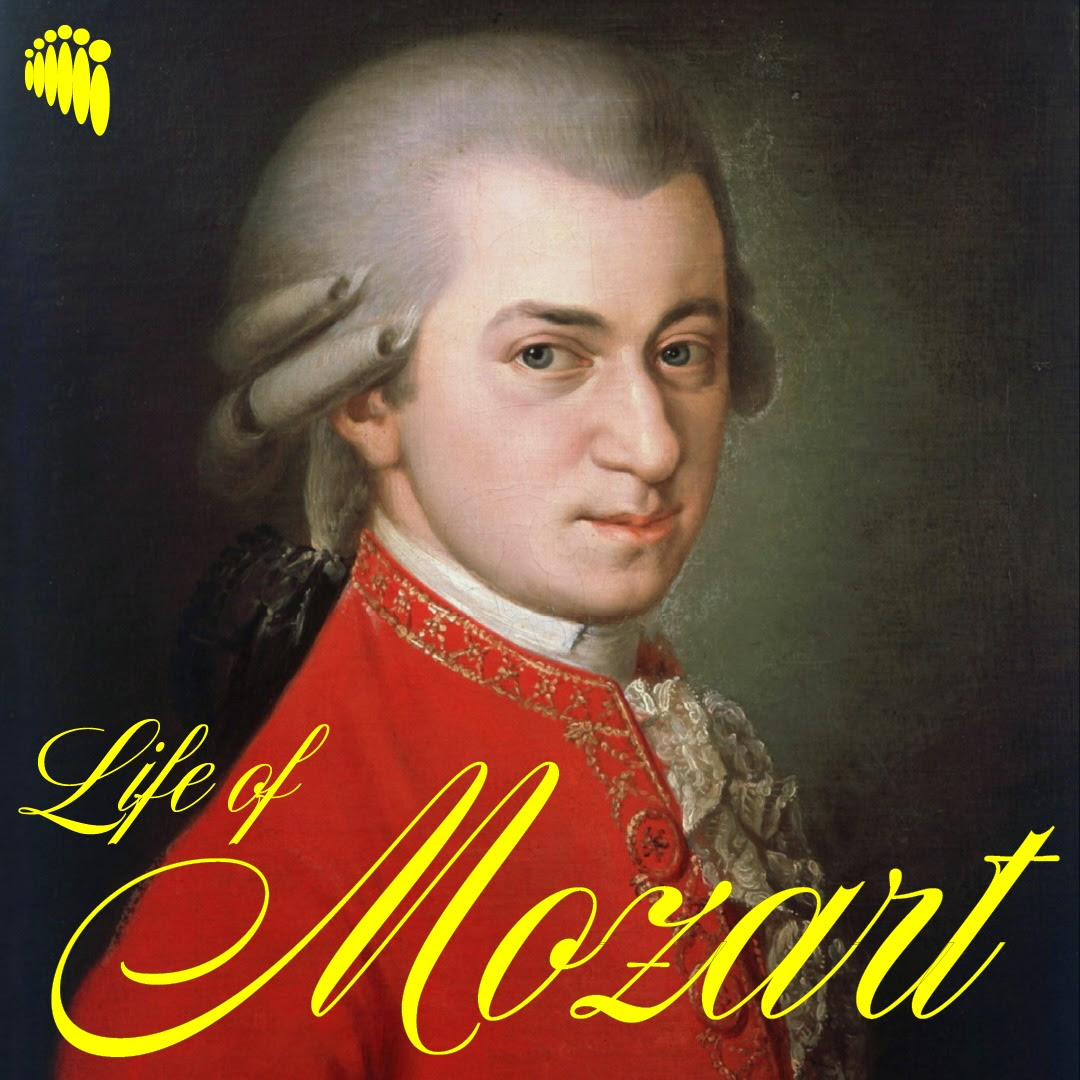
The Pasadena Choral Society is set to present a compelling program titled "Life of Mozart" on Wednesday, May 20, 2026, at 7:30 p.m. This free, public performance will take place at the San Marino Community Church, offering an immersive experience into the life and final masterpiece of one of history’s most celebrated composers. The program uniquely intertwines a performance of Mozart’s profound "Requiem" with a dramatic portrayal of the composer himself, bringing to life the circumstances surrounding its creation.
A Dramatic Exploration of Genius and Mortality
At the heart of "Life of Mozart" is the ambitious pairing of musical brilliance and biographical narrative. The Pasadena Choral Society, renowned for its exceptional choral performances, will deliver Mozart’s "Requiem," a work often described as one of the most moving and enigmatic pieces in the classical repertoire. This powerful choral mass, left unfinished at Mozart’s death, has long captivated audiences and scholars alike with its dramatic intensity and spiritual depth. The performance of this iconic work will serve as the musical anchor for the evening, allowing the full emotional weight of Mozart’s final composition to resonate.
Complementing the musical performance will be a dramatic narrative brought to life by musician and actor Milo Brody. Brody is set to embody Wolfgang Amadeus Mozart, drawing from excerpts of the composer’s own letters. This approach promises to offer a deeply personal and authentic glimpse into Mozart’s world, shedding light on the composer’s thoughts, struggles, and the specific context in which the "Requiem" was conceived. The use of primary source material, such as Mozart’s correspondence, is a deliberate choice to provide an unvarnished and intimate portrayal, moving beyond historical conjecture to present a more humanized portrait of the genius.
The Life and Local Roots of Milo Brody
Milo Brody brings a unique set of experiences and a deep connection to the Pasadena community to his role. A native of Pasadena, Brody’s artistic journey began within the very institutions that are now supporting this significant event. His early involvement with the Pasadena Chorale’s "Listening to the Future" young composer program signifies a long-standing engagement with the organization and its commitment to nurturing emerging talent. Furthermore, his education at the Pasadena Waldorf School, where he honed his musical skills with the Pasadena Youth Symphony Orchestra, underscores a formative period of artistic development within the local cultural landscape.
Currently, Brody is pursuing a dual degree in Trombone Performance and English at the prestigious Oberlin College and Conservatory. His academic pursuits reflect a multifaceted artistic sensibility, blending instrumental mastery with a keen understanding of literature and narrative. At Oberlin, he is an active participant in the conservatory’s vibrant musical life, performing with the Oberlin Orchestra, the Brass Ensemble, and the Baroque Ensemble. His vocal contributions to the Collegium Musicum further demonstrate a broad engagement with various facets of classical music performance. This blend of instrumental prowess, acting talent, and academic rigor makes Brody exceptionally well-suited to portray the complex figure of Mozart, bridging the gap between musical execution and dramatic interpretation.
The Pasadena Chorale: A Legacy of Excellence
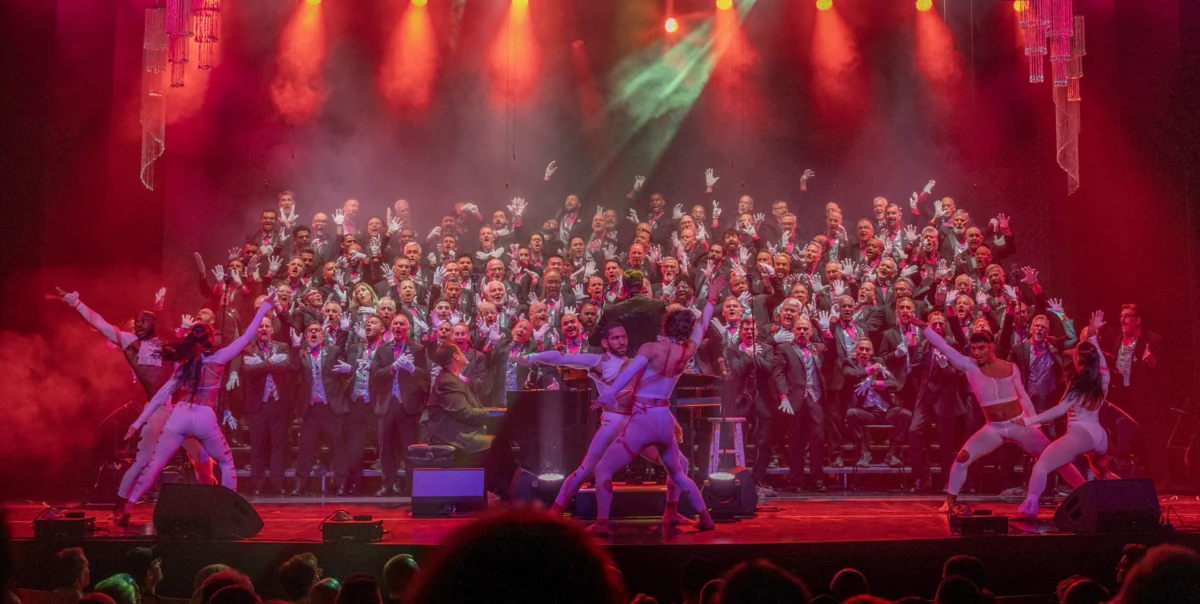
The Pasadena Choral Society represents a significant and relatively recent addition to the esteemed Pasadena Chorale. Founded in 2009, the Pasadena Chorale has rapidly established itself as a leading force in the choral music scene. Its dedication to artistic excellence and community engagement has culminated in numerous accolades, most notably being named the winner of the 2024 American Prize in Choral Performance. This prestigious award is a testament to the ensemble’s consistent high quality of musicality, interpretive depth, and overall contribution to the field of choral arts. The "Life of Mozart" program, therefore, is being presented by an organization with a proven track record of delivering outstanding musical experiences. The formation of the Pasadena Choral Society as a distinct ensemble within the larger Chorale structure indicates a strategic expansion of their programming and a commitment to engaging with a wider repertoire and audience.
The Enduring Mystery of Mozart’s Requiem
Mozart’s "Requiem in D minor, K. 626," remains one of the most compelling and debated works in classical music history. Composed in the final months of his life in 1791, it was commissioned under mysterious circumstances by a messenger from an unknown patron. Mozart, already in declining health, was reportedly deeply affected by the commission, believing he was writing his own funeral music. He died before completing the entire work, leaving behind sketches and fragments. The "Requiem" was famously completed by his pupil Franz Xaver Süssmayr, who claimed to have worked from Mozart’s notes and instructions.
The narrative aspect of the Pasadena Choral Society’s presentation will likely delve into the dramatic irony of Mozart composing his own requiem, a work intended for the deceased, while grappling with his own mortality. The letters of Mozart, known for their wit, candor, and occasional anxieties, offer a rich source of material to explore his state of mind during this period. Topics such as his financial struggles, his intense creative process, and his personal relationships could be illuminated, providing context for the emotional depth of the "Requiem."
The "Requiem" itself is structured into fourteen movements, though some are incomplete. It is known for its dramatic contrasts, from the terrifying power of the "Dies Irae" to the serene beauty of the "Lacrimosa." The work’s enduring appeal lies not only in its musical genius but also in the profound questions it raises about life, death, faith, and legacy. By juxtaposing this powerful music with a narrative portrayal of its creator, the Pasadena Choral Society aims to offer a holistic and deeply human understanding of this extraordinary composition.
Historical Context and Artistic Significance
The late 18th century was a period of immense artistic and intellectual ferment. The Enlightenment had championed reason and humanism, yet the burgeoning Romantic sensibility was beginning to explore deeper emotional and spiritual themes. Mozart, a prodigious talent who bridged the Classical and early Romantic eras, embodied this transition. His music, characterized by its clarity, elegance, and profound emotional resonance, often explored the full spectrum of human experience.
The "Requiem" stands as a particularly poignant testament to this. While the Classical tradition emphasized balance and form, the "Requiem" ventures into more profound, almost existential territories. The dramatic narrative planned for the May 2026 performance will allow audiences to connect the composer’s personal life – his triumphs, his struggles, his very human frailties – with the transcendent power of his music. This biographical approach can demystify the genius, presenting Mozart not as an ethereal being, but as a man grappling with the universal realities of life and death, channeling these experiences into a masterpiece that continues to move listeners centuries later.
Broader Implications and Community Impact
The presentation of "Life of Mozart" by the Pasadena Choral Society offers several significant benefits to the community. Firstly, its designation as a free, open-to-the-public performance ensures accessibility, allowing individuals from all economic backgrounds to experience world-class classical music and engaging theater. This commitment to inclusivity is a hallmark of many successful arts organizations and fosters a more vibrant and culturally enriched community.
Secondly, the program’s focus on local talent, particularly Milo Brody, highlights the importance of supporting and nurturing artists with roots in the Pasadena area. This not only provides valuable performance opportunities for emerging artists but also strengthens the connection between the community and its cultural institutions. Brody’s journey from local programs to a prestigious conservatory and now a featured role in a significant production serves as an inspiring example for young aspiring musicians.
Thirdly, the event serves as a significant platform for the Pasadena Chorale and its Choral Society. Winning the American Prize in Choral Performance in 2024 positions the ensemble as a nationally recognized entity. Hosting a program of this caliber, featuring a significant work like the "Requiem" and a compelling narrative, further solidifies their reputation and attracts a broader audience, potentially including patrons from outside the immediate Pasadena area. This increased visibility can lead to greater support, both financial and participatory, for the Chorale’s ongoing mission.
Finally, the educational component, with the dramatic portrayal drawing from Mozart’s letters, offers a unique learning opportunity. Audiences will not only hear the music but also gain insights into the historical and personal context of its creation. This multi-layered approach can deepen appreciation for classical music and the historical figures who shaped it, potentially sparking new interest in the genre among those who may not typically attend classical concerts. The integration of performance and narrative is a powerful pedagogical tool that can make complex historical and musical subjects more accessible and engaging.
The "Life of Mozart" performance on May 20, 2026, is poised to be more than just a concert; it is an artistic and educational endeavor designed to illuminate the enduring legacy of Wolfgang Amadeus Mozart through a unique blend of musical performance, dramatic interpretation, and historical context, all presented by a distinguished local ensemble.