Muhammad Ibadurrohman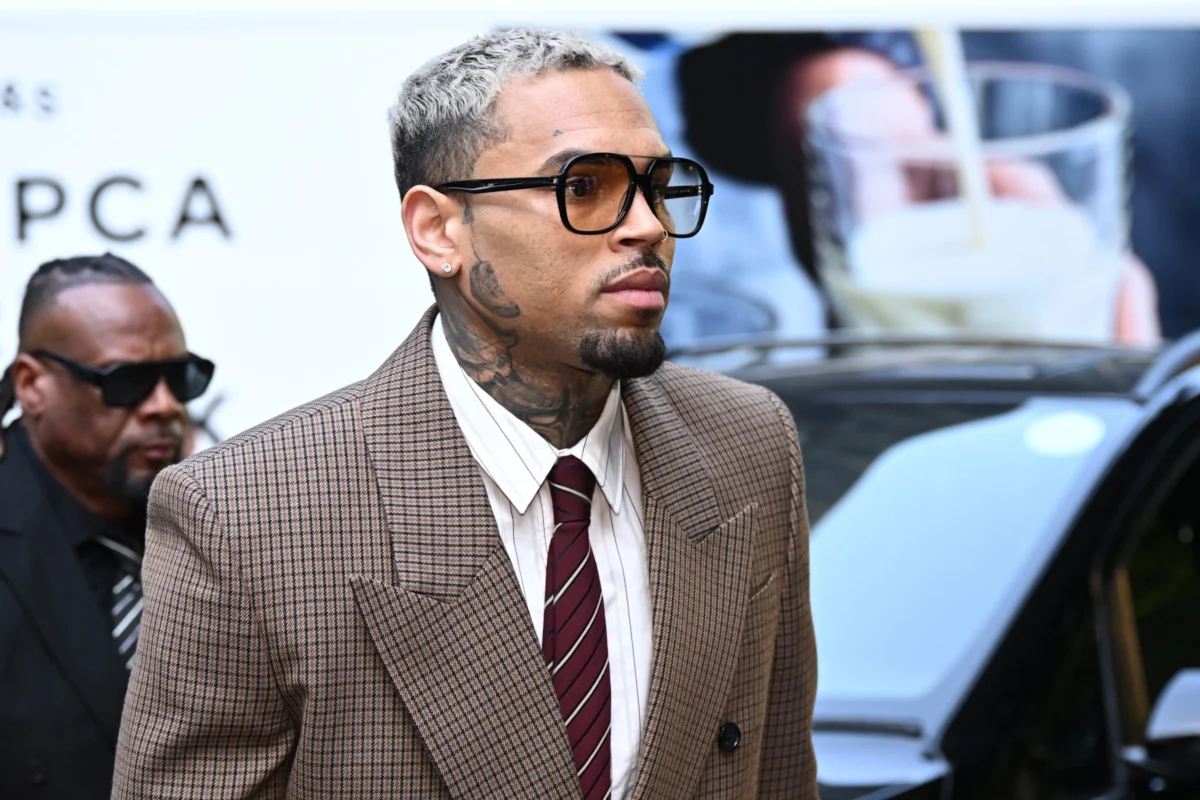
Los Angeles, CA – Lawyers representing R&B superstar Chris Brown are actively petitioning a Los Angeles judge to prohibit any mention of his well-documented 2009 domestic assault on then-girlfriend Rihanna, as well as his pending UK criminal assault case, during an upcoming civil trial. The civil suit stems from a 2020 incident where his former housekeeper, Maria Avila, alleges she sustained severe injuries from a dog bite at Brown’s Tarzana residence. Brown’s legal team argues that introducing these past events would improperly sway the jury, encouraging a decision based on "character or emotion" rather than the facts presented in the dog bite case.
The trial, slated to commence in mid-June, centers on claims made by Maria Avila, who, along with her husband and sister, is seeking substantial financial damages from the Grammy-winning artist. Avila asserts that in 2020, while performing her duties at Brown’s Los Angeles-area home, she was "viciously and brutally mauled" by Hades, Brown’s 200-pound Caucasian Shepherd dog. According to court filings, Avila claims the attack occurred without provocation as she was taking out the trash, resulting in the dog "ripping off large chunks of her skin." She further alleges that Brown, upon witnessing the horrific incident, fled the scene with Hades, leaving her "alone and bleeding profusely." Avila’s lawsuit details a litany of "permanent and debilitating injuries," including facial disfigurement, scarring, vision loss, and nerve damage, for which she holds Brown liable. Her legal argument hinges on the assertion that Brown should have been aware of the Caucasian Shepherd breed’s purported "propensity for unprovoked violence." Brown has consistently denied any liability for the alleged incident.
Defense Strategy: Shielding Character Evidence from the Jury
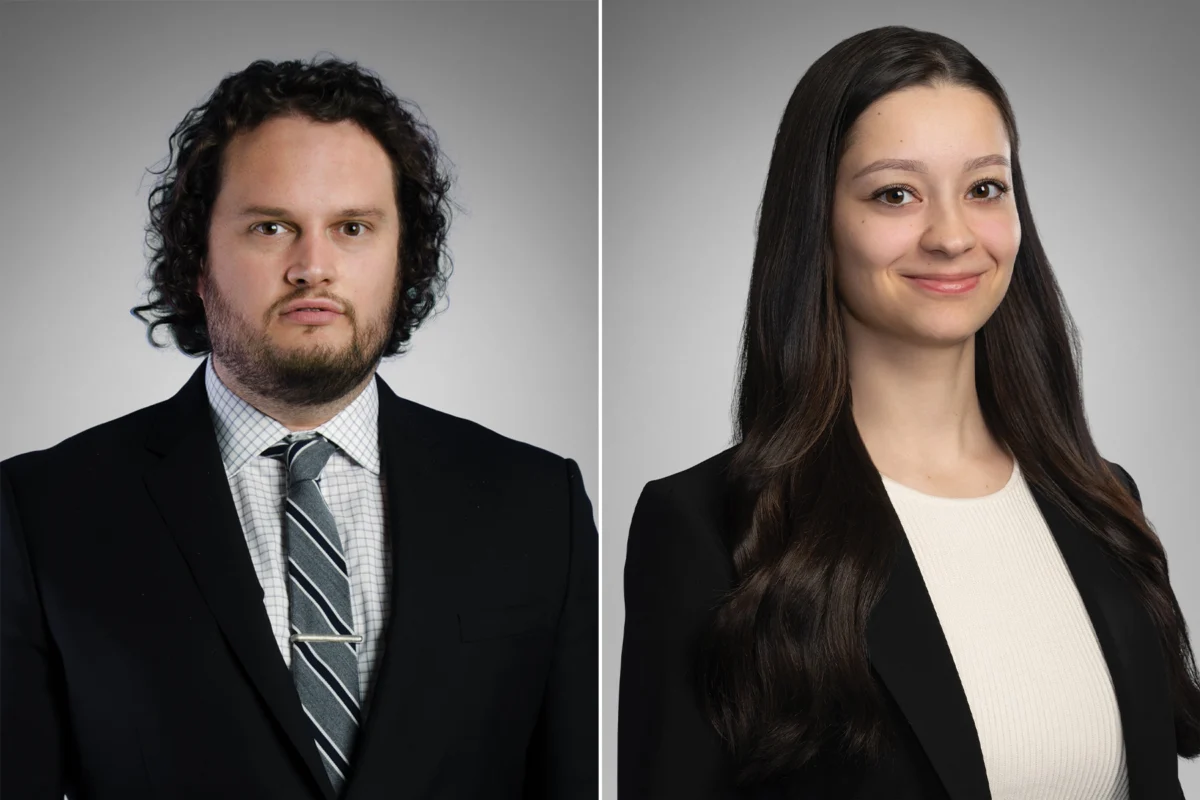
With the trial date rapidly approaching, the admissibility of specific evidence has become a central point of contention between the legal teams. Attorneys Michael Schonbuch and Abigail Morelli, representing Chris Brown, filed a pretrial motion in January, explicitly requesting the exclusion of any references to the singer’s extensive domestic violence record. This includes his felony plea in connection with the notorious 2009 assault on Rihanna, an event that garnered international headlines and significantly impacted Brown’s public image and career trajectory.
In their motion, Brown’s lawyers articulated their concern that allowing the jury to hear about these past "domestic violence incidents at trial would encourage the jury to decide the case based on character or emotion, rather than the facts and applicable law." This legal strategy is designed to compartmentalize the current civil dispute, preventing it from being tainted by Brown’s previous legal troubles, which they contend are irrelevant to the dog bite allegations.

Similarly, Brown’s legal counsel also sought to bar any mention of his pending criminal charges in the United Kingdom. This case involves an alleged assault on music producer Abraham Diaw with a bottle at a London nightclub in 2023. Brown, along with co-defendant Omololu Akinlolu, pleaded not guilty to charges of causing grievous bodily harm with intent at a hearing in June of the previous year. Brown’s attorneys argue that referencing these unproven charges would "invite jurors to draw improper character inferences and view the defendant as a criminal or otherwise morally blameworthy," thereby prejudicing their client in the civil trial.
Prosecution’s Counter: Relevance and Prematurity
In a response filing submitted on Monday, April 27, Nancy Doumanian, the attorney representing Maria Avila, vehemently opposed Brown’s motions. Doumanian characterized the defense’s requests as "overbroad, premature and legally unsound." She argued that it is currently too early in the legal process to definitively determine whether evidence of Brown’s criminal record, or other aspects of his past, will be relevant to the dog bite trial.
Doumanian suggested that such evidence might become appropriate material for cross-examination, particularly "if defendants or their witnesses testify in a manner that portrays defendant as law-abiding or non-threatening." This argument highlights a common legal tactic: while character evidence is often inadmissible to prove propensity, it can sometimes be introduced to impeach a witness’s credibility or to rebut claims made by the opposing side about their client’s character. The judge will be tasked with balancing these competing interests, considering the potential for prejudice against the need for a full and fair presentation of evidence.
A Look Back: The Infamous 2009 Rihanna Incident
The 2009 assault on Rihanna remains one of the most significant and widely publicized incidents in Chris Brown’s career, casting a long shadow over his public persona. In February 2009, prior to the Grammy Awards, Brown physically assaulted then-girlfriend and fellow R&B star Rihanna, leaving her with visible injuries. The incident led to widespread condemnation, a felony charge, and an intense media frenzy. Brown subsequently pleaded guilty to felony assault and was sentenced to five years of probation, community service, and domestic violence counseling.
The legal repercussions and public outrage profoundly impacted Brown’s career, leading to cancelled appearances, lost endorsements, and a period of significant public scrutiny. Despite his continued musical success, the incident has remained a recurring topic in discussions about his personal conduct and has frequently been referenced in subsequent legal challenges. The indelible mark left by this event on public memory is precisely what Brown’s legal team is striving to prevent from influencing the jury in the current civil case.

The Pending UK Criminal Case
Beyond the domestic assault conviction, Chris Brown is currently facing serious criminal charges in the United Kingdom. The charges stem from an alleged incident in 2023 at a London nightclub, where he is accused of causing grievous bodily harm with intent by attacking music producer Abraham Diaw with a bottle. The specifics of the alleged attack and the extent of Diaw’s injuries have not been fully disclosed, but the charges themselves indicate a serious allegation of violence.
Brown made a public appearance at Southwark Crown Court in London on July 11, 2025, where he, alongside co-defendant Omololu Akinlolu, entered pleas of not guilty. The progression of this case adds another layer of legal complexity to Brown’s life, as he navigates simultaneous legal battles across different jurisdictions. The UK charges, while unrelated to the dog bite incident in Los Angeles, present another instance where his character and alleged propensity for violence could be brought into question, underscoring his legal team’s urgency to keep such information separate from the upcoming civil trial.
Legal Precedents and the Admissibility of Character Evidence
The debate over the admissibility of character evidence is a common and often critical juncture in both criminal and civil trials. Generally, courts are cautious about allowing "propensity evidence," which suggests that a person acted in a certain way in the past and therefore is likely to have acted similarly in the current instance. The concern is that such evidence can unfairly prejudice a jury, leading them to convict or find liability based on a defendant’s past actions or perceived bad character rather than the specific facts of the case at hand.
However, there are exceptions. In civil cases, while a defendant’s character is usually not directly at issue in the same way it might be in certain criminal defenses, prior bad acts can sometimes be admissible for other purposes. These include establishing motive, opportunity, intent, preparation, plan, knowledge, identity, absence of mistake, or lack of accident. As Avila’s attorney, Nancy Doumanian, suggests, such evidence might also be allowed for impeachment purposes – that is, to challenge the credibility of a witness (including the defendant) who testifies in a way that contradicts their known past actions or character. For example, if Brown were to testify that he is a consistently responsible and non-violent individual, his past record could potentially be introduced to challenge that assertion. The presiding judge will be required to weigh the probative value of the evidence (its relevance to the specific claims in the dog bite lawsuit) against the potential for undue prejudice. This judicial discretion is a cornerstone of ensuring a fair trial.
Trial Timeline and Broader Implications
The immediate future holds critical decisions for Chris Brown’s legal standing. A judge is scheduled to issue a ruling on the pivotal pretrial motions on June 5, determining what evidence will be presented to the jury. Just ten days later, on June 15, the trial itself is slated to commence. The outcome of the judge’s ruling on the admissibility of character evidence could significantly shape the narrative within the courtroom and influence the jury’s perception of Brown.

Beyond the immediate financial implications of the dog bite lawsuit, which could be substantial given the alleged severity of Avila’s injuries, this ongoing legal saga has broader ramifications for Chris Brown’s public image and career. Despite his consistent chart success and devoted fan base, Brown has frequently faced scrutiny over his personal conduct and recurring legal issues. Each new legal challenge, regardless of its specific nature or outcome, contributes to a public narrative that can affect endorsement opportunities, public appearances, and the perception of his brand.
For public figures, especially those with a history of controversy, managing reputation amidst legal battles is a perpetual challenge. While the legal system operates on specific rules of evidence and procedure, public opinion often does not. The legal team’s efforts to keep the focus solely on the dog bite incident underscore the strategic importance of insulating the current case from Brown’s past, aiming to secure a verdict based strictly on the facts presented in court, rather than on broader societal judgments about his character. As the trial looms, the entertainment world and legal observers will be closely watching the proceedings, not just for the verdict, but for the implications it carries for a star who has repeatedly found himself embroiled in legal controversy.