Aveline Kirana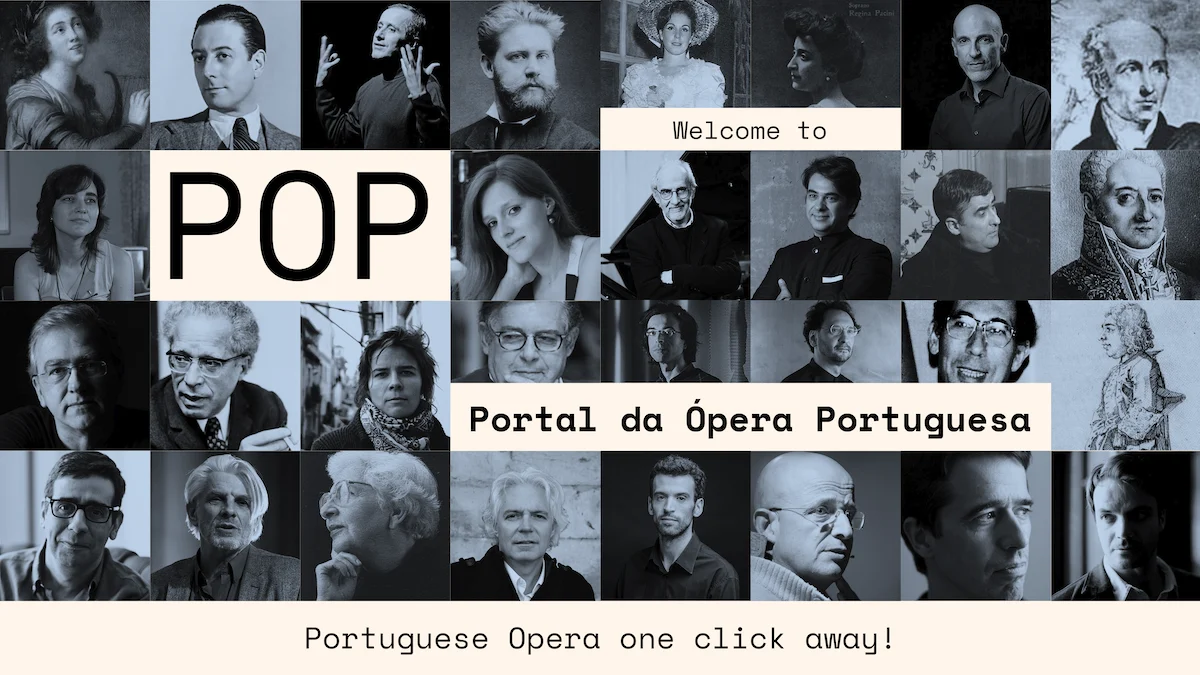
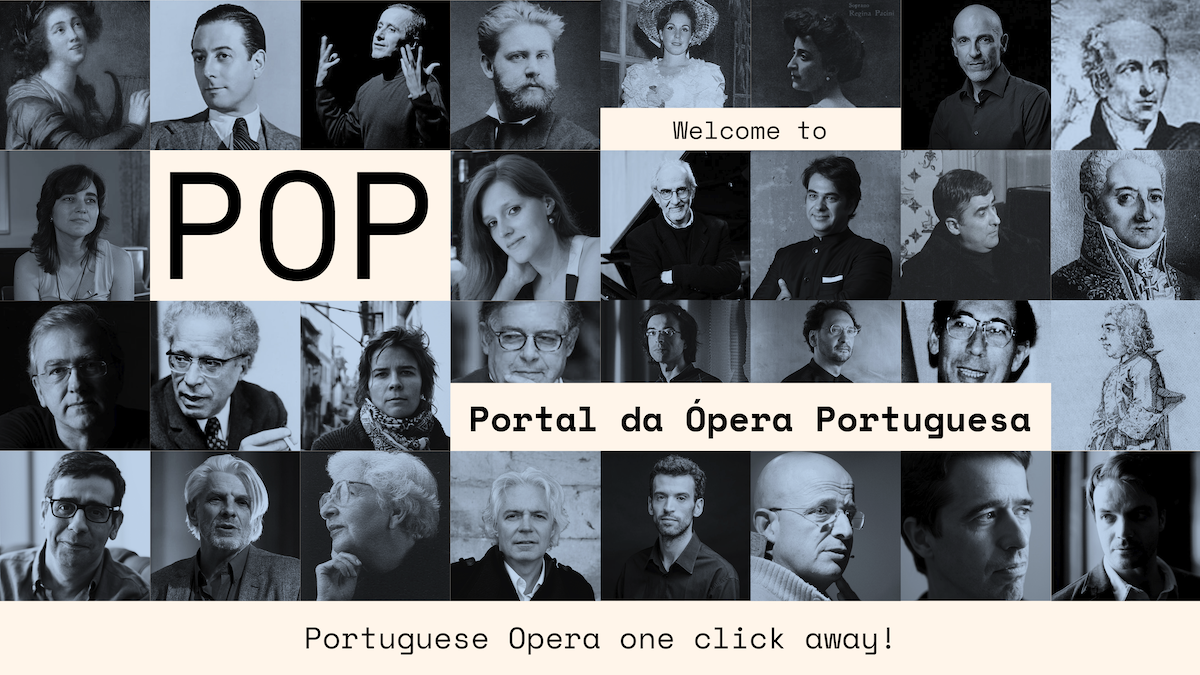
Ópera do Castelo has unveiled a groundbreaking digital initiative, the Portuguese Opera Portal (POP), a comprehensive online platform meticulously designed to safeguard and promote the rich and often overlooked legacy of Portuguese opera. This ambitious project promises to democratize access to a wealth of operatic works, composers, and historical information, making them readily available to scholars, performers, and opera enthusiasts worldwide. The launch signifies a pivotal moment in the dissemination of Lusophone operatic culture, aiming to bridge gaps in knowledge and accessibility that have long hampered its wider recognition.
A Digital Repository for a Storied Tradition
The Portuguese Opera Portal is an ambitious undertaking, aiming to consolidate an extensive database of information pertaining to Portuguese opera. The platform currently boasts details on over 60 distinct composers, whose contributions span centuries of musical innovation. Complementing this composer roster is an impressive catalog of more than 160 operas, tracing the evolution of the genre from the 18th century right up to contemporary creations. Each operatic entry is designed to be an informative resource, providing users with detailed synopses that illuminate the dramatic narratives, comprehensive character lists that identify the operatic personalities, precise instrumentation details that reveal the orchestral forces at play, and crucial historical context that situates each work within its cultural and artistic milieu.
A cornerstone of the POP’s commitment to accessibility is its extensive provision of musical scores. The portal will make available a substantial collection of 60 full scores and numerous excerpts, offering invaluable resources for study and performance. Of particular significance are the 26 complete scores and 16 voice and piano reductions, all of which will be offered as free downloads. This commitment to open access is a deliberate strategy to foster greater engagement with Portuguese opera, enabling conductors, singers, students, and researchers to explore and perform these works without the traditional barriers of costly acquisition or limited availability. Furthermore, recognizing the global reach of opera, an English-language version of the portal is in development, signaling Ópera do Castelo’s dedication to international dissemination and fostering cross-cultural appreciation.
Addressing a Long-Standing Challenge
The impetus behind the creation of the Portuguese Opera Portal stems from a deeply felt need within the operatic community. Catarina Molder, the esteemed soprano and producer who spearheaded the POP’s development, articulated the challenges that performers and scholars have historically faced. "Whenever I wanted to put together a program with Portuguese opera, it was no simple task," Molder explained in a press release. "Only by contacting conductors or other singers who had already performed the works could we access the scores. Even now, this is how we have access to some of the past repertoire that we will make available." This personal experience highlights the fragmented and often ad-hoc nature of accessing scores for less frequently performed works, a situation that the POP directly addresses by centralizing these resources.
The arduous process of score acquisition often involved navigating a complex network of personal contacts and institutional archives, a process that could be time-consuming and, at times, fruitless. For composers whose works have fallen into obscurity, or for those operas that have not been widely programmed in recent decades, scores can become exceptionally difficult to locate, let alone obtain in performable editions. Molder’s statement underscores the practical, day-to-day hurdles that have prevented a more robust engagement with the Portuguese operatic canon. The POP, therefore, is not merely an archival project; it is a practical solution designed to empower the operatic community and facilitate the revival of neglected masterpieces.
A Foundation of Scholarly Rigor and Institutional Collaboration
The development of the Portuguese Opera Portal has been a meticulous process, grounded in scholarly expertise and collaborative effort. The scientific coordination of the project was entrusted to JoÓo Figueiredo Costa, a respected figure in musicology. Costa, along with a dedicated editorial team comprising four accomplished musicologists, has meticulously curated and verified the vast amount of information now available on the portal. This scholarly oversight ensures the accuracy and reliability of the data presented, providing a trustworthy resource for academic research and informed appreciation.
The project has also benefited from significant institutional partnerships, drawing on the invaluable resources of some of Portugal’s most prestigious cultural institutions. Collaborations with the National Library (Biblioteca Nacional de Portugal), the FundaçÓo Calouste Gulbenkian, and the Teatro Nacional de SÓo Carlos (TNSC) have been instrumental in providing access to primary source materials, historical documents, and existing collections of scores and libretti. These collaborations underscore the widespread recognition of the POP’s importance and the collective commitment to preserving and promoting Portuguese musical heritage. The National Library, for instance, is a repository of countless historical manuscripts and printed scores, while the Gulbenkian Foundation has a significant collection of Portuguese music. The TNSC, as Portugal’s premier opera house, holds a wealth of performance history and archival materials.
Expanding the Editorial Horizon
In conjunction with the launch of the Portuguese Opera Portal, Ópera do Castelo has also inaugurated a new editorial imprint, Ópera do Castelo EdiçÓes. This publishing arm signifies a commitment to bringing new and rediscovered Portuguese operas to a wider audience through physical recordings. The debut release from this imprint is a significant one: a double CD featuring António Chagas Rosa’s opera O Homem dos Sonhos (The Man of Dreams). This opera, which premiered in 2022 at the SÓo Luiz Teatro Municipal, represents a contemporary contribution to the Portuguese operatic landscape. The release of this opera on CD not only documents a significant recent premiere but also makes a new work accessible to listeners beyond the immediate performance context. This dual approach, combining digital access with physical releases, demonstrates a comprehensive strategy for nurturing and showcasing Portuguese opera.
Chronology of a Landmark Initiative
The journey towards the launch of the Portuguese Opera Portal represents a culmination of dedicated work and strategic planning. While specific dates for the project’s inception are not detailed in the initial announcement, the development process can be inferred to have involved several key phases:
- Conception and Planning: Recognizing the critical need for a centralized platform for Portuguese opera, Catarina Molder likely initiated the conceptualization of the POP. This phase would have involved defining the portal’s scope, objectives, and target audience.
- Scholarly Collaboration and Data Curation: The formation of the editorial team and the establishment of scientific coordination by JoÓo Figueiredo Costa mark the beginning of the data-gathering and verification phase. This would have involved extensive research, cataloging, and digitization of materials.
- Institutional Partnerships: Securing collaborations with key institutions such as the National Library, FundaçÓo Calouste Gulbenkian, and the TNSC would have been crucial for accessing archival resources.
- Platform Development: The technical development of the digital portal itself, ensuring its functionality, user-friendliness, and capacity to host extensive data, would have been a significant undertaking.
- Editorial Imprint Launch and Debut Release: The establishment of Ópera do Castelo EdiçÓes and the subsequent recording and release of António Chagas Rosa’s opera O Homem dos Sonhos likely occurred in parallel with or just prior to the POP’s public launch, showcasing the integrated nature of Ópera do Castelo’s endeavors.
- Public Launch: The official unveiling of the Portuguese Opera Portal marks the culmination of these efforts, making the platform accessible to the public.
This phased approach underscores the considerable planning and execution required for such a significant cultural initiative.
Supporting Data and Potential Impact
The scope of the Portuguese Opera Portal, as evidenced by the inclusion of over 60 composers and 160 operas, speaks volumes about the depth and breadth of Portugal’s operatic tradition. This data provides a crucial baseline for understanding the genre’s historical development and its national significance. For comparison, consider the operatic output of other European nations, many of which have well-established national opera archives and readily available repertoires. The POP aims to bring Portuguese opera to a comparable level of accessibility and recognition.
The free availability of 60 full scores and excerpts, including 26 complete scores and 16 voice and piano reductions, represents a significant economic and practical boon for the operatic community. Historically, the cost of acquiring rare or out-of-print scores could be prohibitive for many individuals and smaller opera companies. By removing this financial barrier, the POP encourages exploration and performance, potentially leading to a resurgence of interest in works that have been rarely heard.
The planned English-language version of the portal is a strategic move with significant implications for international outreach. It signals an intent to engage with a global audience, attracting foreign scholars, performers, and opera enthusiasts to explore the unique contributions of Portuguese composers. This could lead to increased international programming of Portuguese operas, greater academic research in the field, and a broader appreciation of Portugal’s cultural heritage on the world stage.
Broader Implications for Cultural Preservation and Dissemination
The launch of the Portuguese Opera Portal is more than just the creation of a website; it is a vital act of cultural preservation and a powerful engine for dissemination. In an era where digital platforms are increasingly central to how we access and consume information, such initiatives are crucial for safeguarding artistic legacies that might otherwise be lost to time or neglect.
The portal’s emphasis on historical context and detailed information for each opera serves to educate and engage audiences, fostering a deeper understanding and appreciation of the art form. By providing synopses, character lists, and historical backgrounds, the POP makes opera more accessible to newcomers, demystifying a genre that can sometimes be perceived as exclusive or inaccessible.
Furthermore, the initiative directly supports living composers and contemporary operatic creation by highlighting the tradition from which they emerge. The release of Chagas Rosa’s opera underscores this commitment to contemporary Portuguese opera, demonstrating that the genre is a vibrant, evolving art form, not just a historical relic. The POP, therefore, acts as a bridge between past, present, and future, creating a continuous narrative for Portuguese operatic culture.
The success of the Portuguese Opera Portal will likely be measured not only by the number of downloads or website visits but also by its impact on the performance and study of Portuguese opera. If it inspires more opera companies to program these works, more students to study Portuguese composers, and more audiences to discover the richness of this repertoire, then Ópera do Castelo’s ambitious initiative will have achieved its profound objective: to ensure that Portuguese opera not only survives but thrives.