Kholidah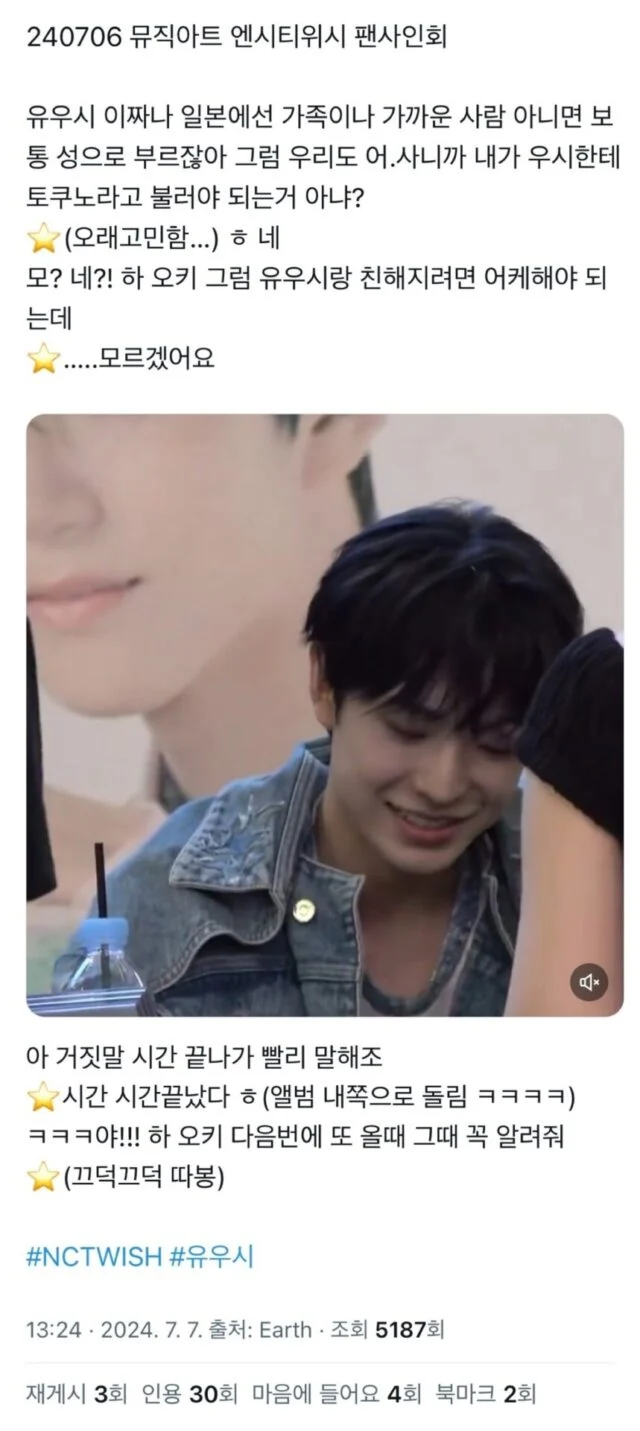
The landscape of the South Korean entertainment industry is one defined by high expectations regarding the "fan service" and public persona of its idols. Recently, Yushi, a prominent member of SM Entertainment’s newest sub-unit, NCT Wish, has found himself at the center of a burgeoning controversy that touches upon professional conduct, interpersonal etiquette, and sensitive historical narratives. Following a series of viral posts on prominent online communities such as theqoo, netizens have begun to question Yushi’s suitability for the idol profession, citing a pattern of behavior that many perceive as dismissive, cold, or overtly blunt. These allegations have been compounded by unverified but widely circulated claims regarding his family’s historical background, creating a multifaceted crisis for the rookie artist.

Patterns of Criticism Regarding Fan Interactions
The primary catalyst for the current wave of criticism stems from a compilation of fan experiences during recent promotional events. In the K-pop industry, "fansigns" (events where fans purchase large quantities of albums for a chance to speak with an artist) and "video call fansigns" are considered premium interactions. Fans often spend significant financial resources and emotional energy to prepare for these moments. Consequently, the artist’s responsiveness is scrutinized as a measure of their professional dedication.
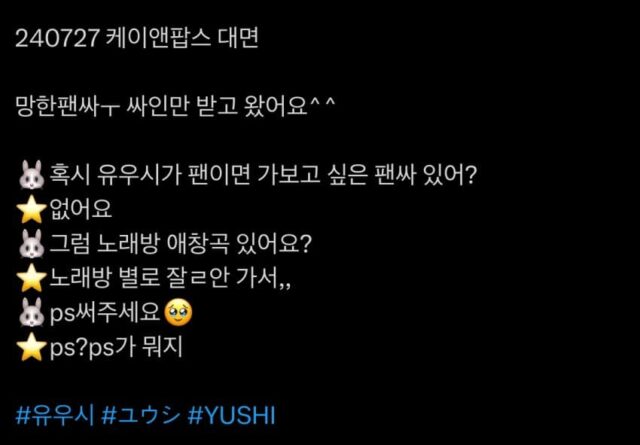
One specific instance that gained traction involved a fan’s account of a "failed fansign." According to the fan, when asked which other idol’s fansign Yushi would want to attend if he were a fan himself, the artist replied with a succinct "None." While some might interpret this as honesty or a lack of interest in the fan culture, many netizens viewed it as a refusal to engage in the lighthearted, imaginative dialogue typical of these events. Furthermore, when asked about his favorite song to sing at a noraebang (karaoke room), he reportedly stated he does not go to them. The interaction culminated in Yushi questioning the meaning of "PS" (Post Script), a standard request in K-pop where fans ask idols to write a short personal message next to their signature. The fan alleged that Yushi was likely aware of the term, suggesting his confusion was a form of disengagement.

Another reported incident occurred during a video call. A fan had traveled to a beach specifically to provide a scenic backdrop for their conversation, hoping to share a pleasant visual experience with the idol. When Yushi provided a lukewarm response, the fan asked if he disliked the sea, to which he simply replied, "Yes." While personal preferences are subjective, the lack of effort to acknowledge the fan’s specific labor in choosing the location was highlighted by critics as a lack of professional empathy.
The Cultural Nuance of Naming and Communication Styles
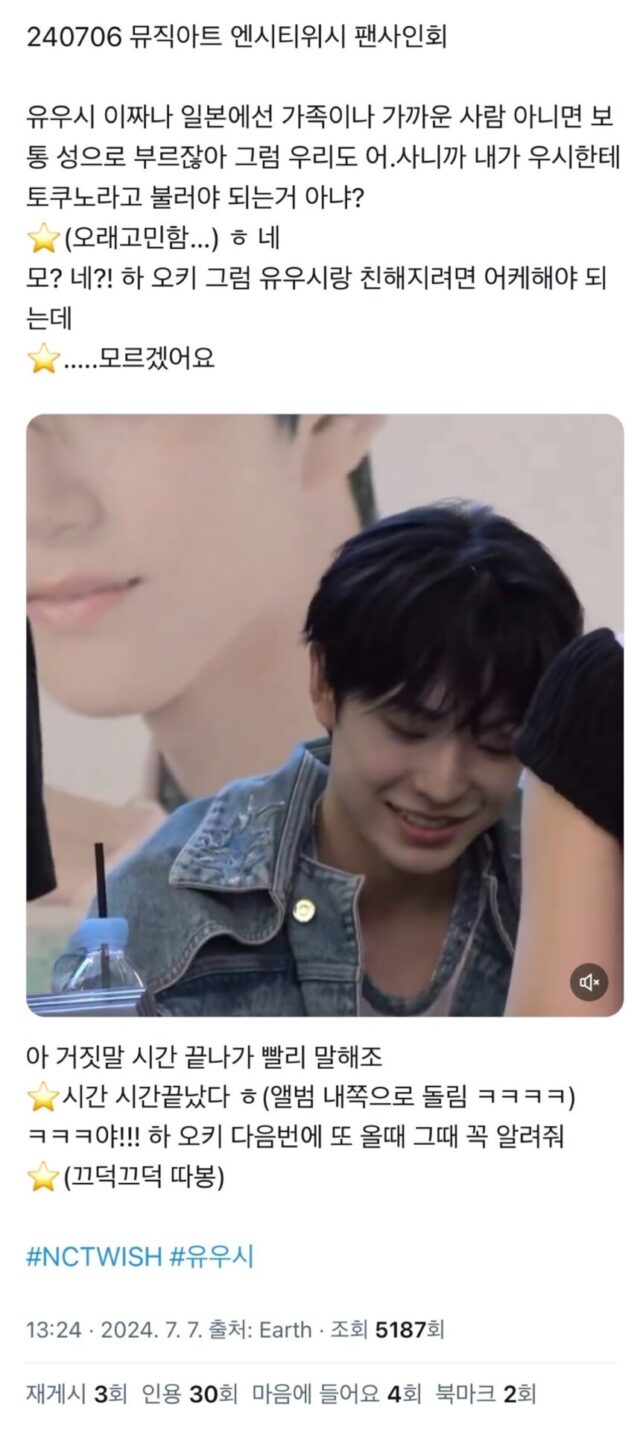
A third incident that sparked debate involved a discussion regarding Japanese naming conventions. A fan noted that in Japan, it is customary to use surnames unless individuals are close friends or family. The fan proposed calling Yushi by his surname, "Tokuno," to reflect their currently "awkward" or professional distance. After a long pause, Yushi reportedly agreed. When the fan followed up by asking how they could bridge that distance and become closer, Yushi allegedly responded, "I don’t know."
This exchange has been analyzed by cultural commentators from two perspectives. On one hand, Yushi’s supporters argue that as a Japanese member of a group primarily focused on the Japanese market, his communication style may be more reserved or literal than the highly performative "boyfriend/girlfriend" persona often expected of Korean idols. On the other hand, critics argue that the idol industry is fundamentally built on the "parasocial relationship," and a refusal to participate in the "getting closer" narrative undermines the core appeal of the group.
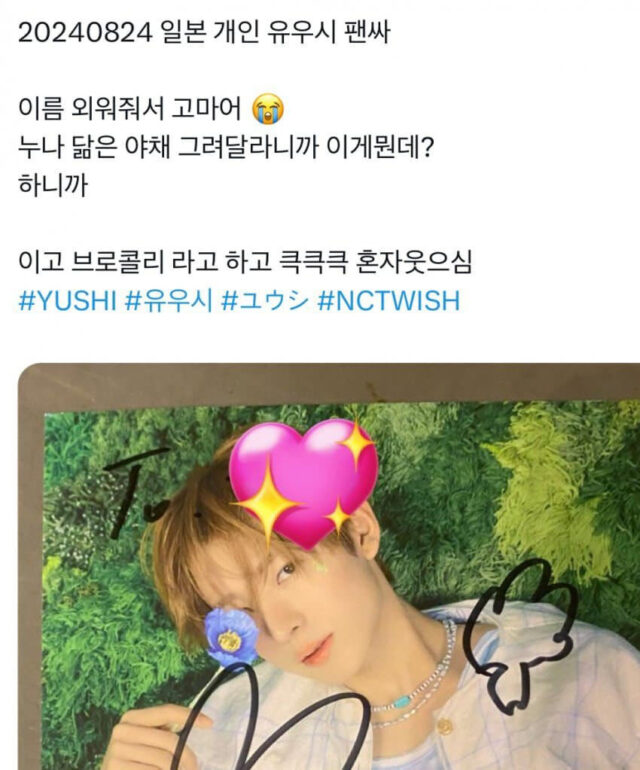
The tension escalated further when a fan asked Yushi to draw her as a vegetable. He chose to draw a broccoli and reportedly laughed to himself during the process. While seemingly innocuous, fans later discovered a previous interview where Yushi mentioned that he once hated broccoli. This led to speculation that the drawing was a subtle, internal joke at the fan’s expense, further fueling the narrative of a "disrespectful" attitude.

Professional Obligations and the Digital Space
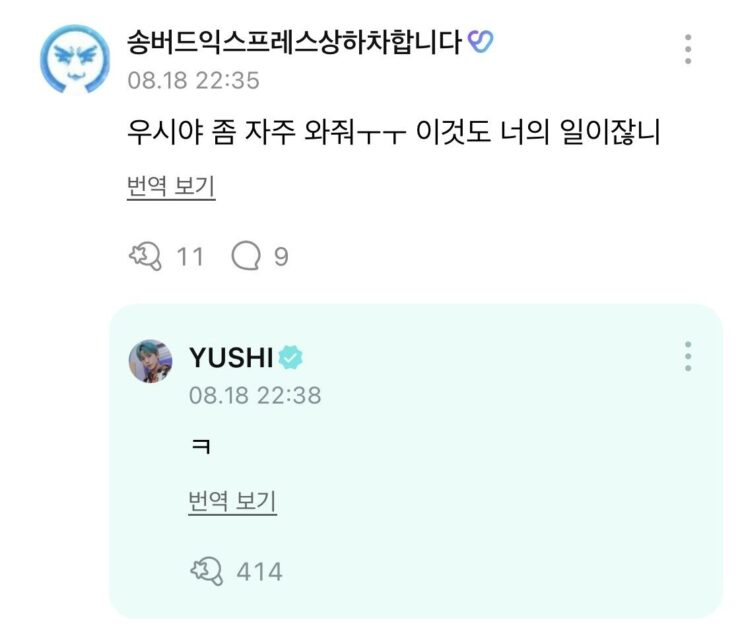
In the modern K-pop era, platforms like Weverse and Bubble serve as essential bridges between artists and their global audience. These platforms are often monetized, and consistent communication is viewed as a key performance indicator for a successful idol. A viral screenshot recently showed a fan advising Yushi to "come to Weverse often as it was also a part of the job." Yushi’s response—a simple "lol" (or the Korean equivalent "ㅋㅋㅋ")—was interpreted by many as a flippant dismissal of a legitimate professional critique.
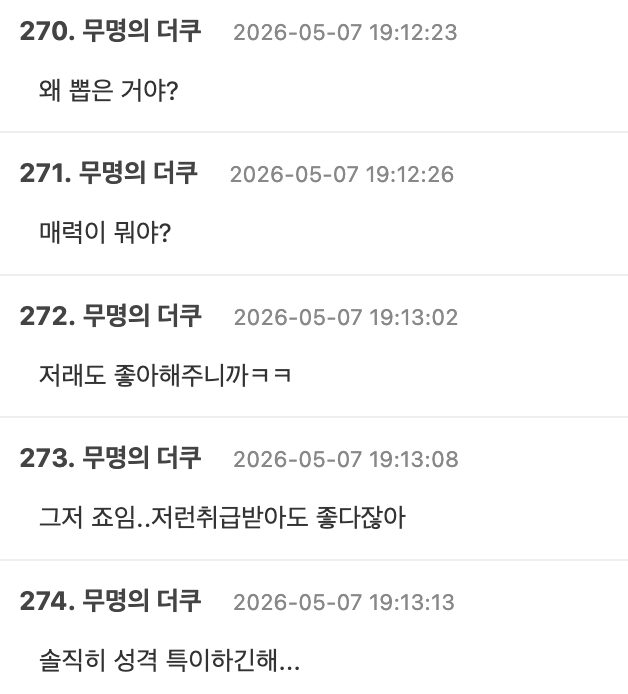
The cumulative effect of these small interactions has led to a broader discussion on the "Idol Identity." Netizens on theqoo and other platforms have voiced concerns that Yushi’s "unique personality" may be a euphemism for a lack of passion for the traditional duties of a celebrity. One commenter noted, "The fansign is a place where fans go to feel appreciated for their support. If an idol treats it like a chore they can’t wait to finish, it hurts the brand of the entire group."
Historical Sensitivities and Family Background Allegations
Beyond behavioral critiques, Yushi is currently navigating a much more sensitive controversy regarding his family history. Allegations have surfaced on social media claiming that Yushi is a descendant of a Japanese general who served during the Imperial Japanese occupation of South Korea. These claims are largely based on the rarity of his surname, Tokuno, and geographical links to historical figures from that era.
It is important to note that these allegations remain unconfirmed and are currently categorized as online speculation. However, in the context of South Korean public discourse, any perceived link to the colonial era is a matter of extreme national sensitivity. For a Japanese idol working within the Korean entertainment system, such rumors—regardless of their veracity—can pose a significant threat to their domestic career. SM Entertainment has not yet issued an official statement regarding these specific claims, which has led to a vacuum of information that some netizens are filling with further conjecture.
Chronology of the Controversy
To understand the weight of these issues, it is necessary to look at the timeline of NCT Wish’s emergence:
- Late 2023: NCT Wish is formed through the survival show NCT Universe: LASTART, with Yushi being one of the first confirmed members due to his high ranking and technical skills.
- February 2024: The group officially debuts, positioning themselves as a "fresh" and "youthful" unit aimed at both the Japanese and Korean markets.
- March – April 2024: Initial fansign events take place. While mostly positive, isolated accounts of Yushi’s "cold" demeanor begin to surface on X (formerly Twitter).
- May 2024: A comprehensive post on theqoo compiles multiple fan accounts, causing the narrative to go viral. Simultaneously, the "Tokuno" family history rumors begin to gain traction on YouTube and TikTok.
- Current Status: The debate remains polarized between fans who defend Yushi’s introverted nature and critics who demand a higher standard of professional conduct.
Industry Analysis: The Evolution of Fan Service
The backlash against Yushi highlights a growing divide in the K-pop industry regarding the expectations placed on "Gen 5" idols. As the industry becomes more globalized, there is a clash between different cultural communication styles. Japanese idols often maintain a clearer boundary between their private and public selves, whereas the Korean idol model emphasizes "Aegyo" (acting cute) and constant emotional availability.
However, the financial reality of the industry cannot be ignored. With the decline of physical album relevance for music consumption, the "fansign economy" has become a primary revenue driver. When fans pay hundreds or thousands of dollars for a few minutes of an artist’s time, the "product" being sold is the interaction itself. From a business perspective, a "lukewarm" response is often viewed as a defective product.
Broader Implications for NCT Wish and SM Entertainment
NCT Wish was designed to be the final expansion of the NCT brand, a project that has spanned nearly a decade. As the "final" unit, the group carries the burden of maintaining the brand’s prestige while carving out a unique identity. Controversies surrounding a core member like Yushi can have a "halo effect," negatively impacting the public perception of the other members—Riku, Sakuya, Daeyoung, Ryo, and Jaehee.
For SM Entertainment, the challenge lies in balancing the artist’s authentic personality with the market’s demands. If Yushi is naturally introverted or struggles with the high-pressure social environment of fansigns, the agency may need to provide additional "media training" or adjust the format of their fan engagements. Conversely, if the historical allegations continue to persist, the agency may be forced to provide a formal clarification to prevent a long-term boycott from the Korean general public.
Conclusion
The controversy surrounding NCT Wish’s Yushi serves as a case study in the complexities of modern celebrity. In an era where every interaction is recorded and shared, the margin for error for a rookie idol is razor-thin. Whether Yushi’s behavior is a result of a "unique personality," a cultural misunderstanding, or a lack of professional training remains a subject of intense debate. However, as NCT Wish continues its promotional activities, the resolution of these issues—and the management of Yushi’s public image—will be critical to the group’s long-term success in the competitive Hallyu landscape. For now, the industry watches closely to see if SM Entertainment will take proactive steps to address the concerns of the fanbase or if the "unsuitable to be an idol" narrative will continue to gain momentum.