Nayara Elvina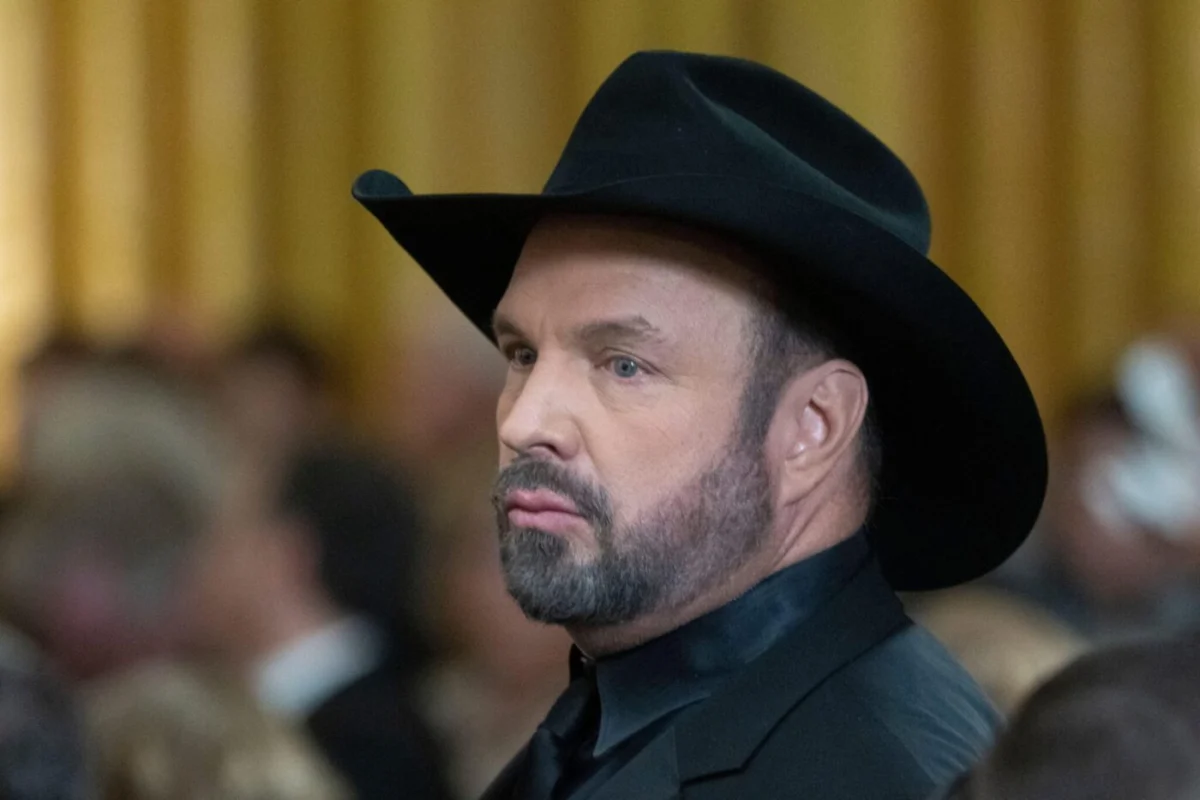
The legal battle surrounding country music icon Garth Brooks and allegations of sexual assault has reached a procedural standstill following a significant ruling from the United States Court of Appeals for the Fifth Circuit. This week, a three-judge panel denied a motion filed by Brooks’ legal team to expedite an appeal concerning the anonymity of his accuser. The decision ensures that the underlying merits of the case—which include harrowing allegations of rape and sexual misconduct—will remain secondary to a protracted dispute over whether the plaintiff can proceed under the pseudonym "Jane Roe."
This latest development marks a strategic setback for Brooks, who has sought to move the litigation forward rapidly to address what he characterizes as a "shakedown" and a meritless attack on his reputation. Conversely, the ruling provides a tactical window for the accuser, a former hair and makeup artist for the singer, whose legal strategy has focused on maintaining her privacy while the case moves through the appellate process. As it stands, the litigation is unlikely to see significant movement on its core allegations until late 2025, leaving one of the most high-profile scandals in modern country music history in a state of judicial limbo.
The Genesis of a Dual-State Legal Conflict
The complexities of the case are rooted in its unusual origin, which involves two competing lawsuits filed in different jurisdictions within days of each other. The legal firestorm began in late 2024, but the seeds were sown earlier when Brooks filed a preemptive lawsuit in a federal court in Mississippi. In that initial filing, Brooks identified himself as "John Doe" and his accuser as "Jane Roe." The objective of the Mississippi suit was to block the woman from filing her own complaint, with Brooks alleging that she was attempting to extort him for millions of dollars by threatening to go public with fabricated stories of sexual assault.
However, the preemptive strike was countered almost immediately. The accuser filed her own civil complaint in California, a state with robust laws regarding sexual assault litigation. Unlike Brooks’ filing, her California complaint named the singer explicitly, though she continued to identify herself as "Jane Roe." By naming Brooks in the California filing, the accuser effectively ended the singer’s anonymity, triggering a global media cycle and forcing the Mississippi court to reconsider the necessity of pseudonyms for both parties.
The allegations contained in the California lawsuit are severe. The plaintiff alleges that during her years of employment with Brooks, she was subjected to multiple instances of sexual assault and a specific incident of rape in 2019 during a work trip to Los Angeles. Brooks has vehemently denied every allegation, maintaining that the relationship was professional and that the lawsuit is a calculated attempt to extract a settlement from his high-profile estate.
The Dispute Over Anonymity and the "Cat Out of the Bag" Ruling
The current appellate delay centers on a September ruling by U.S. District Judge Henry Wingate in Mississippi. Following the disclosure of Brooks’ identity in the California case, Brooks amended his Mississippi complaint to include the real names of both himself and his accuser. He argued that by naming him in the California case and including identifying details about her professional history, the accuser had forfeited her right to anonymity.
The accuser’s legal team petitioned Judge Wingate to sanction Brooks for revealing her identity and requested a protective order to allow her to continue using the "Jane Roe" pseudonym. They argued that the public disclosure of her name would lead to harassment, professional blacklisting, and further trauma.
Judge Wingate, however, sided with Brooks. In a sharply worded order, the judge noted that the accuser’s identity was already effectively public knowledge due to the information shared in the California filings and subsequent internet sleuthing by the public. Judge Wingate famously remarked that the "cat was already out of the bag," suggesting that the court could not grant a level of confidentiality that the parties themselves had already compromised. Furthermore, the judge observed that the plaintiff seemed more focused on exposing Brooks’ identity than protecting her own, a factor that weighed heavily in the court’s decision to deny her request for anonymity and sanctions.
The Fifth Circuit’s Intervention and the Ticking Clock
Unsatisfied with Judge Wingate’s ruling, the accuser appealed to the Fifth Circuit Court of Appeals. This appeal triggered a "stay" on the Mississippi proceedings, meaning that no discovery, depositions, or motions regarding the actual sexual assault allegations can proceed until the anonymity issue is resolved.
Recognizing the potential for a lengthy delay, Brooks’ attorneys filed a motion to expedite the appeal. Their argument was built on the principle of judicial economy and the preservation of evidence. Brooks’ legal team highlighted that the allegations date back several years, and as time passes, the memories of potential witnesses are likely to fade.
The most compelling point in Brooks’ motion for urgency was the recent passing of his longtime publicist, Nancy Seltzer. Brooks identified Seltzer as a key witness who could have provided testimony crucial to his defense. Her death, according to the filing, serves as a stark reminder that the continued delay of the case poses a tangible risk to the integrity of the evidence. Brooks’ team pointed out that the case has been pending for nearly 20 months, with approximately 80% of that time spent in a state of "stayed" proceedings.
Despite these concerns, the Fifth Circuit panel remained unswayed. By denying the motion to expedite, the court signaled that it does not view the anonymity dispute as an emergency requiring a departure from the standard appellate timeline.
Timeline of Future Proceedings
The denial of the motion to expedite sets a clear, albeit slow, schedule for the coming months. According to the court’s order, the briefing schedule is as follows:
- May 20, 2025: Deadline for the accuser ("Jane Roe") to file her opening brief outlining why the lower court erred in denying her anonymity.
- June 2025: Brooks will have 30 days following the filing of the accuser’s brief to submit his response.
- July 2025: The accuser will then have an additional 21 days to file a final reply brief.
Once the briefing stage is complete, the Fifth Circuit must decide whether to schedule oral arguments, which could push the timeline into late summer or early autumn. A final written opinion from the appellate court is not expected until the fall of 2025 at the earliest. Only after this ruling is issued can the case return to the lower courts to begin the "merits phase," where the actual facts of the sexual assault allegations will be litigated.
Broader Implications and the Celebrity Legal Landscape
The Garth Brooks case is being closely watched by legal experts as a litmus test for how courts handle the intersection of celebrity, anonymity, and "preemptive" litigation. The use of a preemptive lawsuit by a high-profile defendant to label an accuser an extortionist is a relatively rare but increasingly debated tactic.
From a public relations standpoint, the delay is a double-edged sword. For Brooks, the prolonged litigation keeps the allegations in the public consciousness without providing a venue for a quick exoneration. For the accuser, the delay provides a shield against immediate public identification in court records, but it also postpones any potential for legal closure or financial restitution.
The case also highlights the differing judicial climates between California and Mississippi. California’s legal system often provides more robust protections for plaintiffs in sexual misconduct cases, whereas the Mississippi federal court’s refusal to grant anonymity reflects a more traditional view of the "public’s right to know" in judicial proceedings.
As the music industry continues to grapple with the aftermath of the "Me Too" movement, the outcome of the Brooks litigation—whenever it finally reaches a courtroom—will likely set a precedent for how future allegations against major public figures are managed. For now, the Fifth Circuit’s refusal to rush ensures that the "Jane Roe" vs. Garth Brooks saga will remain a fixture of the legal news cycle for at least another year.