Muhammad Ibadurrohman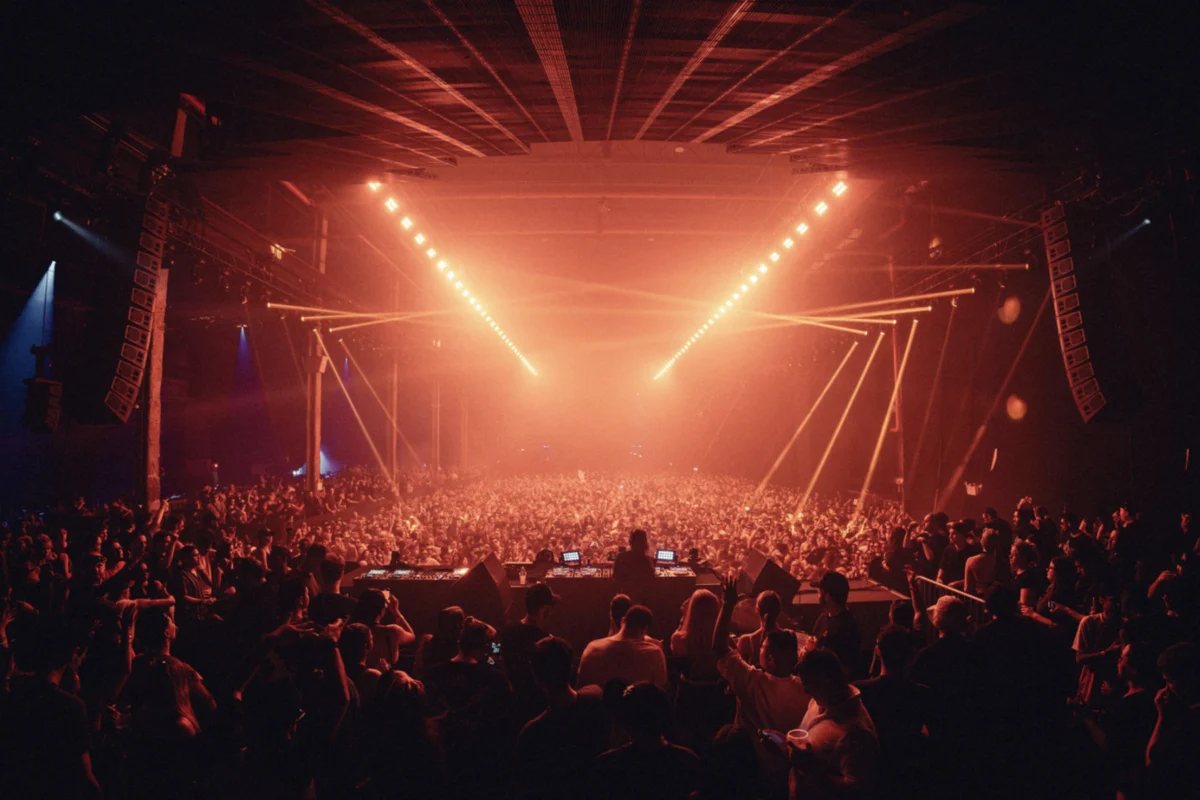
Brooklyn Storehouse, the expansive 104,000-square-foot cultural and dance music venue situated within the historic Brooklyn Navy Yard, is slated to permanently close its doors this fall. A representative for the venue confirmed to Billboard that the industrial space, which has served as a vibrant hub for electronic music and diverse cultural events since its inauguration in mid-2024, will be repurposed to advance critical climate infrastructure and clean energy production initiatives. This strategic transition underscores the Brooklyn Navy Yard Development Corporation’s (BNYDC) ongoing commitment to sustainable urban development and green innovation, aligning with broader city and state environmental objectives. The closure will culminate in a series of final performances, concluding with a special Halloween weekend event, marking the end of its two-year tenure as a significant fixture in New York City’s dynamic nightlife landscape.
The Rise and Impact of Brooklyn Storehouse
Since its grand opening in mid-2024, Brooklyn Storehouse rapidly ascended to prominence within the competitive New York City cultural scene. Conceived as a collaborative venture between independent promoters TCE Presents, the parent company of renowned event producer Teksupport, and UK-based live events giant Broadwick Live, the venue quickly distinguished itself through its sheer scale and raw, industrial aesthetic. Occupying a massive warehouse space, it offered a unique, immersive environment that resonated with the ethos of large-scale electronic music events, a style often associated with European club culture and burgeoning in the American market. The venue’s impressive 104,000 square feet allowed for a flexible layout, accommodating thousands of attendees and enabling ambitious production designs that transformed the industrial shell into a captivating audiovisual spectacle.
Over its relatively short but impactful existence, Brooklyn Storehouse played host to an illustrious roster of international and domestic electronic music acts, solidifying its reputation as a premier destination for dance music enthusiasts. Headlining performances included sets from global icons such as Justice, Fisher, Zedd, Subtronics, isoXO, Rezz, and Mau P. These artists, representing a diverse spectrum of electronic genres from house and techno to bass music, consistently drew capacity crowds, contributing significantly to Brooklyn’s cultural economy and cementing the borough’s status as a global epicenter for electronic music innovation. Beyond its direct economic contributions through ticket sales, employment for staff, and ancillary spending by attendees in local businesses, the venue fostered a sense of community among music lovers and provided a crucial platform for both established and emerging artists. Its ability to host large-scale events in a dedicated, professionally managed space filled a notable void in a city where such venues are increasingly scarce, offering an alternative to more traditional clubs and smaller underground parties.

A "Meanwhile Project" Concludes Its Mission
The temporary nature of Brooklyn Storehouse was an integral aspect of its original conception, as confirmed by venue representatives. "Brooklyn Storehouse was conceived as a meanwhile project — a temporary activation of a site within the Brooklyn Navy Yard during a period of transition," explained a spokesperson. This model of "meanwhile use" is an increasingly common strategy in urban planning, where vacant or underutilized properties are temporarily activated for cultural, commercial, or community purposes during an interim phase before permanent redevelopment. This approach allows for vibrant urban spaces to emerge quickly, generating economic activity and cultural value while long-term plans for a site are finalized or funding is secured.
The choice of the Brooklyn Navy Yard for such a project was deliberate. The 300-acre industrial waterfront complex, with its rich history dating back to shipbuilding during World War I and II, has undergone significant revitalization efforts in recent decades. The BNYDC, which manages the yard, has been instrumental in transforming it into a thriving industrial park focused on innovation, advanced manufacturing, and creative industries. The temporary activation of the warehouse as Brooklyn Storehouse brought a dynamic cultural dimension to this evolving landscape, attracting a diverse audience and showcasing the adaptive potential of the yard’s historic structures. The agreement for its tenancy was always time-limited, with the understanding that the site would eventually transition to a different, more permanent use in line with the Navy Yard’s long-term strategic vision. The current plan to repurpose the site for climate infrastructure and clean energy production represents the realization of this predetermined transition, signaling a shift towards the next phase of the BNYDC’s development strategy.
The Brooklyn Navy Yard’s Green Transformation
The decision by the BNYDC to repurpose the Brooklyn Storehouse site for climate infrastructure and clean energy production is a significant development that underscores New York City’s broader commitment to environmental sustainability and green economic growth. This initiative aligns perfectly with the Navy Yard’s mission to foster innovation and create jobs in burgeoning industries, particularly those focused on combating climate change. The transformation of a large industrial space into a hub for climate solutions reflects a growing trend in urban redevelopment, where cultural and entertainment venues cede space to critical infrastructure projects that address pressing global challenges.
While specific details of the climate infrastructure project are yet to be fully disclosed, such initiatives typically encompass a range of activities. This could include the manufacturing and assembly of components for renewable energy systems, such as solar panels, wind turbine parts, or battery storage units. It might also involve the development of research and development facilities for green technologies, or even serve as an operational center for urban climate resilience projects, such as storm surge protection or sustainable waste management solutions. For Brooklyn and New York City, investing in clean energy production and climate infrastructure is paramount. The city faces unique vulnerabilities to climate change, including rising sea levels and extreme weather events. By fostering industries that directly address these challenges, the BNYDC contributes to the city’s long-term resilience, creates high-skill green jobs, and positions the Navy Yard as a leader in sustainable urban industrial development. This strategic shift is projected to generate substantial economic benefits, including new employment opportunities and the attraction of further investment in green technologies, solidifying New York’s role in the global climate economy. Environmental advocacy groups and local government officials are expected to laud this transition as a proactive step towards a more sustainable future for the city.

Impact on New York’s Electronic Music Scene
The impending closure of Brooklyn Storehouse will undoubtedly leave a significant void in New York City’s electronic music ecosystem. For decades, the city has grappled with the challenges of sustaining large-scale venues for dance music, a genre deeply rooted in the city’s cultural history but often marginalized by real estate pressures, zoning restrictions, and evolving urban landscapes. The scarcity of expansive, legitimately sanctioned spaces has historically pushed much of the scene into temporary warehouse parties or smaller, more intimate club settings. Brooklyn Storehouse, with its vast capacity and professional operation, offered a crucial alternative, allowing for the staging of events comparable to major festivals or European superclubs.
Its departure means the loss of a key platform for both globally renowned DJs and local talent to perform on a grand scale. The impact will be felt by artists who relied on such venues for tour stops, by production companies that specialized in large-scale event staging, and most acutely, by the thousands of fans who regularly sought out its unique atmosphere. While New York City boasts a vibrant network of smaller clubs and pop-up venues, the ability to host an audience of several thousand for a single electronic music event is a rare commodity. The closure may intensify competition for existing large-scale spaces like Avant Gardner or Terminal 5, or it may spur the creative community to seek out and develop new "meanwhile" sites, albeit with the inherent impermanence that characterized Brooklyn Storehouse. This situation highlights the ongoing tension between urban development and the preservation of cultural spaces, particularly those that cater to niche but passionate communities like electronic music enthusiasts. Industry experts suggest that while the immediate impact will be a contraction of available large-format options, the resilient nature of New York’s nightlife often leads to the emergence of new concepts and venues, adapting to the city’s ever-changing landscape.
Behind the Scenes: Partnership Dynamics and Legal Tensions
The operation of Brooklyn Storehouse was a result of a significant transatlantic partnership between TCE Presents, a New York-based entity known for its highly successful Teksupport events, and Broadwick Live, a prominent UK-based live events company celebrated for venues like Printworks London. This collaboration brought together local expertise in navigating New York’s intricate event landscape with Broadwick Live’s experience in transforming industrial spaces into world-class music destinations. The synergy between these two entities was crucial in establishing Brooklyn Storehouse as a premier venue in a relatively short period.
However, the backdrop of the venue’s closure is further complicated by an ongoing legal dispute involving TCE Presents co-founders Rob Toma and Mike Vitacco. The two partners are currently embroiled in dueling lawsuits, each alleging that the other is attempting to push them out of the company. Within the context of this legal battle, Vitacco notably alleged that Toma "spread unauthorized information about Brooklyn Storehouse, prematurely informing people in the industry that the venue is closing." While the venue’s official statement attributes the closure solely to the predetermined "meanwhile project" timeline and the BNYDC’s repurposing plans, the internal corporate strife within one of its founding entities adds a layer of complexity to the narrative. It suggests potential internal communication breakdowns or strategic disagreements that, while not the direct cause of the closure, may have influenced its handling or public perception. Such disputes, common in high-stakes industries like live events, can strain operational efficiency and impact public relations, even when the underlying business decision is driven by external factors like lease agreements or redevelopment plans. This highlights the intricate web of business, legal, and operational factors that often influence the lifespan and public narrative of major cultural venues.

A Farewell Season: Remaining Shows and Legacy
As Brooklyn Storehouse prepares for its final curtain call, the venue has announced a series of concluding performances designed to celebrate its legacy. The calendar for its remaining months includes highly anticipated sets from a diverse array of electronic artists. Fans can look forward to upcoming shows featuring Beltran, Max Dean b2b Luke Dean, Black Tiger Sex Machine, and Four Tet. These performances are expected to draw large crowds, offering attendees a last chance to experience the unique atmosphere and state-of-the-art sound and lighting systems that defined Brooklyn Storehouse. The venue has also promised additional shows leading up to its ultimate farewell, culminating in a special Halloween weekend closing event. This final celebration is anticipated to be a momentous occasion, bringing together artists, industry professionals, and devoted fans for a collective send-off.
The legacy of Brooklyn Storehouse, though brief, will be remembered for its significant contribution to New York City’s cultural fabric. It demonstrated the viability and demand for large-scale electronic music venues in the city, provided an unparalleled platform for global talent, and proved the success of the "meanwhile use" model in revitalizing urban industrial spaces. Its closure serves as a poignant reminder of the transient nature of many cultural spaces in rapidly developing urban environments, particularly when situated within areas earmarked for strategic industrial transformation. The venue’s impact will undoubtedly resonate for years to come, influencing future ventures and solidifying the ongoing importance of adaptive reuse in fostering vibrant cultural scenes, even if temporary.
Broader Implications and Future Outlook
The closure of Brooklyn Storehouse and its repurposing for climate infrastructure reflect broader trends at the intersection of urban development, cultural policy, and environmental sustainability. The "meanwhile use" model, while effective for temporary activations, inherently poses challenges for long-term cultural stability. Cities like New York, facing intense real estate pressure, must continually balance the demand for cultural spaces with economic development goals and increasingly, environmental imperatives. The Brooklyn Navy Yard’s transition from cultural hub to green industry nexus exemplifies this complex interplay. It underscores a strategic pivot towards a future where industrial zones are not merely sites of production but also centers for innovation in sustainable technologies.
For the electronic music community, the challenge remains to secure and sustain spaces that can accommodate its growth and evolving needs. While the loss of Brooklyn Storehouse is significant, it also presents an opportunity for innovation in venue models and a renewed focus on advocating for permanent cultural infrastructure. The broader implications suggest a future where urban spaces are increasingly dynamic, constantly evolving to meet the most pressing needs of society, whether they be cultural expression or environmental protection. The story of Brooklyn Storehouse, from its vibrant opening to its planned green transformation, serves as a compelling case study in the ever-changing landscape of modern metropolises, where cultural vibrancy and ecological responsibility must navigate a shared, finite urban footprint.