Nayara Elvina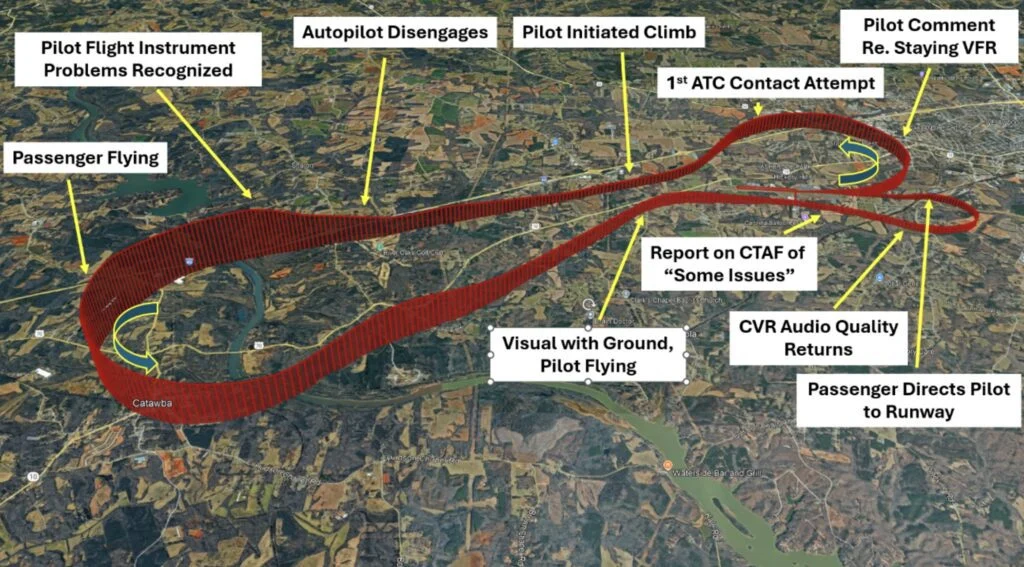
The legal aftermath of the tragic aviation accident that claimed the life of retired NASCAR driver Greg Biffle and six others has intensified as his ex-wife, Nicole Lunders, filed a comprehensive negligence lawsuit against Biffle’s estate. The complaint, filed on behalf of the estate of their daughter, Emma Biffle, alleges that a series of avoidable pilot errors and mechanical oversights led to the December 18, 2025, crash in North Carolina. This legal action marks the third major wrongful death claim brought against the estate in recent months, further complicating the administration of Biffle’s assets amid ongoing criminal investigations into fraud and burglary targeting his properties.
Overview of the Fatal December 2025 Accident
On the morning of December 18, 2025, a private Cessna Citation II, registered to a company owned by Greg Biffle, departed from Statesville Regional Airport in North Carolina. Within ten minutes of takeoff, the aircraft lost altitude and crashed, resulting in the deaths of all seven individuals on board. The victims included Greg Biffle, 56; his wife, Cristina Grossu; their children, Emma and Ryder; longtime NASCAR crew member Craig Wadsworth; the pilot, Dennis Dutton; and his son, Jack Dutton.
The loss of Biffle, a champion in both the NASCAR Xfinity Series and the Craftsman Truck Series, sent shockwaves through the motorsports community. However, as the National Transportation Safety Board (NTSB) began its investigation, technical and procedural discrepancies emerged. The preliminary report, released in early 2026, highlighted several points of concern regarding cockpit communication, pilot certification, and the mechanical state of the aircraft prior to departure.
The Allegations: Procedural Failures and Mechanical Oversight
The lawsuit filed by Nicole Lunders, who was married to Biffle from 2008 until 2016, contends that the "negligent conduct" leading to the catastrophe began long before the aircraft reached the runway. According to the complaint, the flight crew failed to adhere to standard safety protocols that are fundamental to multi-engine jet operations.
Instrument Flight Rules (IFR) and Weather Conditions
One of the primary allegations in the Lunders complaint involves the failure to activate an Instrument Flight Plan (IFR). While a plan had been filed, it was never activated. Given the overcast weather conditions reported on the morning of the crash, the lawsuit argues that the crew should have maintained constant radio contact with air traffic control. Instead, the aircraft reportedly attempted to remain below the cloud layer to maintain visual contact with the ground—a maneuver the complaint describes as a "perilous" decision that frequently leads to controlled flight into terrain (CFIT) or obstacles.
Engine Start Issues and Battery Depletion
The lawsuit provides a detailed narrative of the mechanical difficulties faced during the pre-flight phase. Lunders alleges that one of the Cessna’s engines failed to start initially. To compensate, the pilots used a "cross-start" procedure, drawing power from the functioning engine to jump-start the second. However, the complaint alleges that the crew failed to engage the generator after the second engine was started.
In aviation, the generator is critical for replenishing the battery and powering the aircraft’s avionics and flight instruments. By taking off with the generator in the "off" position, the aircraft was essentially running on limited battery power. The lawsuit claims that as the battery drained during the climb, the cockpit instruments began to malfunction, leading to the confusion that ultimately caused the crash.
Cockpit Communication and Pilot Ratings
The NTSB preliminary report and the subsequent lawsuit both highlight significant issues regarding who was at the controls of the aircraft. While Dennis Dutton was the designated pilot-in-command, his son, Jack Dutton, was seated in the co-pilot’s chair. Greg Biffle, also a licensed pilot, was actively involved in the cockpit decision-making process.
However, the NTSB confirmed that neither Jack Dutton nor Greg Biffle possessed the specific type rating required to serve as a co-pilot for the Cessna Citation II. This model of aircraft requires specific certification for multi-pilot operations, raising questions about the legality and safety of the cockpit configuration during the flight.

The Generator vs. Alternator Confusion
Voice recordings from the cockpit captured Biffle and the Duttons discussing a thrust reverser light and discrepancies in engine power gauges. During the ascent, Dennis Dutton noted that his altitude indicator and other primary flight displays on the left side of the cockpit were failing. He subsequently handed control of the aircraft to his son.
The lawsuit points to a specific moment where Biffle suggested the issue might be related to an "alternator." The NTSB noted that the Cessna Citation II is equipped with generators, not alternators. While this may seem like a semantic error, the complaint suggests it reflects a lack of familiarity with the specific systems of the aircraft. By the time the crew realized the generator was off and restored power, the aircraft was already in a critical state of descent.
A Growing Web of Legal and Financial Complications
The lawsuit from Nicole Lunders is not the only legal challenge facing the Biffle estate. Earlier this year, the estates of Dennis Dutton and Jack Dutton filed separate wrongful death lawsuits, each seeking $15 million in damages. These suits allege that Biffle, as the owner of the aircraft and a participant in the cockpit, shared responsibility for the safety of the flight.
The administration of Greg Biffle’s estate has been further hampered by external criminal activity. Jordyn Carpenter Biffle, Greg’s niece and the administrator of the estate, has had to navigate a series of financial setbacks:
- Bank Fraud: Authorities are currently investigating a sophisticated fraud scheme in which an individual allegedly accessed Biffle’s private bank accounts shortly after the crash, embezzling hundreds of thousands of dollars.
- Residential Burglary: Biffle’s primary residence in Mooresville, North Carolina, was targeted by thieves who reportedly stole $30,000 in cash and valuables while the property was vacant following the tragedy.
These incidents have added a layer of complexity to the probate process, as the estate must now defend against multi-million dollar lawsuits while simultaneously cooperating with law enforcement to recover stolen assets.
Technical Analysis of the Cessna Citation II
The Cessna Citation II (Model 550) is a light corporate jet that saw extensive production between the late 1970s and the mid-2000s. Known for its reliability, the aircraft is nonetheless demanding of its pilots, particularly regarding its DC electrical system.
In a standard operating environment, the twin generators are designed to handle the entire electrical load of the aircraft. If the generators are not engaged, the aircraft relies on two lead-acid or nickel-cadmium batteries. These batteries have a limited life—often less than 30 minutes depending on the load of the avionics and lights. The allegations in the Lunders lawsuit suggest a "cascading failure" scenario: the initial failure to engage the generators led to a slow depletion of power, which caused the flight instruments to provide erroneous data or fail entirely, leading to spatial disorientation for the pilots.
Timeline of the Final Flight (Based on NTSB Preliminary Data)
- 10:05 AM: The Cessna Citation II begins taxiing at Statesville Regional Airport. Cockpit voice recorder (CVR) captures discussion regarding a thrust reverser indicator light.
- 10:07 AM: Takeoff roll begins. Biffle notes a power imbalance between the left and right engines.
- 10:09 AM: During the initial climb, Dennis Dutton reports a failure of the altitude indicator. Control is transferred to Jack Dutton.
- 10:11 AM: The crew discusses electrical issues. Biffle identifies the generator/alternator issue.
- 10:13 AM: Jack Dutton broadcasts a radio message stating the aircraft is "having some issues" and intends to return to the airport.
- 10:14 AM: The crew confirms they have visual contact with the runway.
- 10:15 AM: GPS and audio data terminate as the aircraft loses altitude and speed, crashing short of the runway.
Broader Implications for Private Aviation
The litigation surrounding the Biffle crash underscores the critical importance of strict adherence to Type Rating requirements and Checklist Philosophy in general aviation. The "Owner-Pilot" dynamic, where a high-profile owner is present in the cockpit alongside a hired pilot, can sometimes lead to a breakdown in Crew Resource Management (CRM).
Safety experts often point to the "authority gradient" in such cockpits, where the distinction between the pilot-in-command and the aircraft owner becomes blurred, potentially leading to hesitant decision-making during emergencies. The final NTSB report, which is expected to be released in late 2026, will likely provide definitive conclusions on whether the lack of proper certification and the confusion over electrical systems were the primary causes of the accident.
As the legal proceedings move forward, the Biffle estate remains at the center of a multifaceted crisis involving aviation safety, estate law, and criminal justice. For the families of the seven victims, the resolution of these lawsuits may provide answers, but the tragedy remains a somber reminder of the unforgiving nature of flight when procedural standards are not met.