Muhammad Ibadurrohman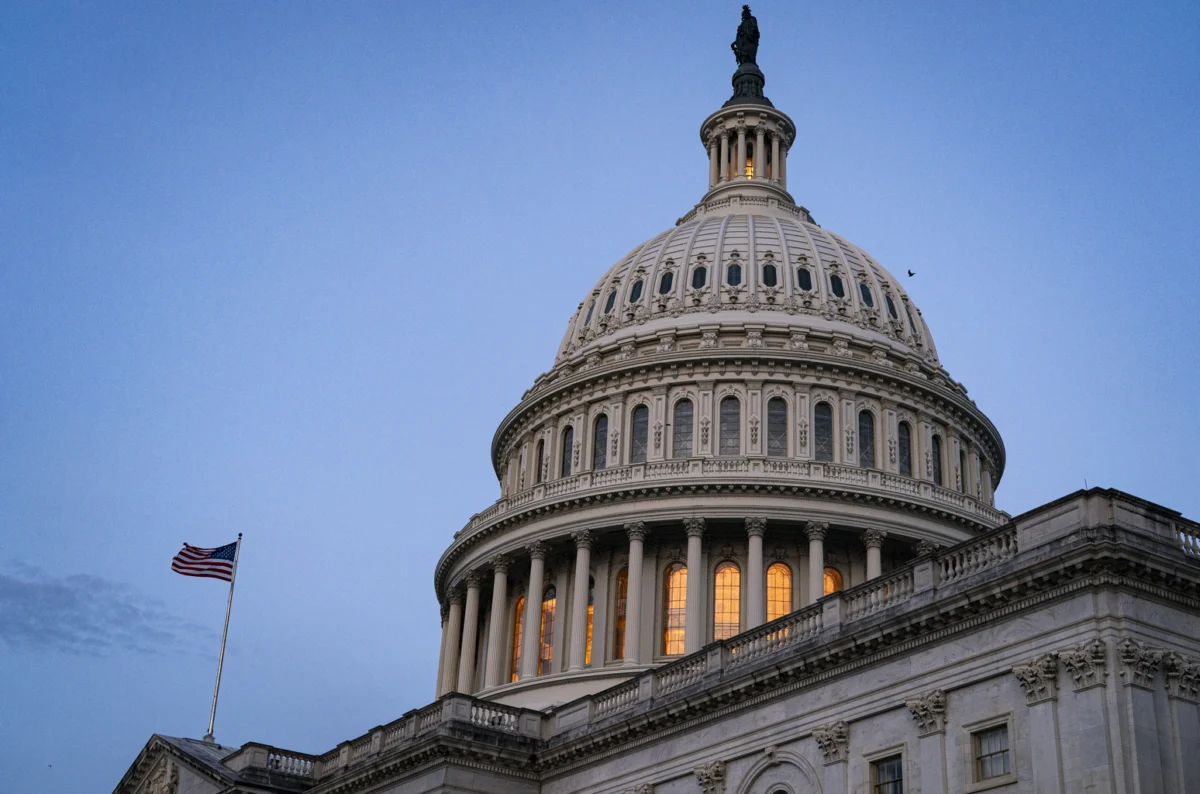
An updated version of the Nurture Originals, Foster Art, and Keep Entertainment Safe (NO FAKES) Act was reintroduced in both the U.S. House of Representatives and Senate on Wednesday, May 20, 2026, marking a pivotal moment in the legislative battle against digital deepfakes. This latest iteration of the bill arrives with a robust and expanded coalition of support, encompassing not only a vast array of music industry stakeholders but also major technology companies that had previously expressed reservations or maintained neutrality. The bipartisan effort aims to establish crucial federal rights protecting individuals from the unauthorized use of their likeness through artificial intelligence-generated "digital replicas."
The Rising Threat of Digital Replicas and the Need for Federal Legislation
The landscape of digital content has been irrevocably altered by the rapid advancements in generative artificial intelligence. These sophisticated technologies can create highly convincing "digital replicas" – deepfakes – of individuals’ voices, images, and performances, often indistinguishable from the real thing. While offering creative potential, these tools have also opened a Pandora’s Box of challenges, ranging from identity theft and defamation to the unauthorized commercial exploitation of artists’ personas. For the music industry, this threat is particularly acute, as AI can generate songs featuring uncanny vocal likenesses of famous singers or create fraudulent video content, eroding artists’ control over their identity and intellectual property.
Currently, protection against such misuse is fragmented and inadequate. Artists primarily rely on state-level "right of publicity" laws, which vary widely in their scope and enforcement. Some states, like Tennessee, have taken proactive steps, updating their laws to address AI-specific concerns through measures such as the Ensuring Likeness Voice and Image Security (ELVIS) Act. However, this patchwork of regulations creates significant gaps, leaving many individuals vulnerable and platforms facing a complex compliance environment across different jurisdictions. The NO FAKES Act seeks to unify these protections under a comprehensive federal framework, establishing a baseline standard for all citizens across the United States.
A Chronology of Legislative Effort
The journey of the NO FAKES Act through Congress has been an evolving response to the accelerating pace of AI development. The concept for federal legislation against digital replicas first emerged as a draft bill in 2023, signaling early concerns within policy circles about the nascent deepfake technology. This initial proposal laid the groundwork for a more formal legislative push.

In the summer of 2024, the first official version of the NO FAKES Act was formally introduced to the Senate. This marked the bill’s initial foray into the legislative process, immediately garnering significant attention and support from the music industry, which had already begun to experience the real-world impact of AI-generated content. Country music icon Randy Travis, for instance, publicly co-signed the bill last year, lending a prominent artist’s voice to the growing chorus of advocates.
The bill was subsequently reintroduced in 2025, incorporating early feedback and refining its provisions. This continuous re-evaluation underscores the dynamic nature of AI technology and the legislative challenge of crafting durable and effective safeguards. The current reintroduction on May 20, 2026, represents the most comprehensive and carefully crafted version yet, reflecting extensive consultation with a broad spectrum of stakeholders. This latest iteration aims to address previous criticisms while solidifying its core mission of protecting individual likeness rights in the digital age.
A Broad and Deepening Coalition of Support
The latest reintroduction of the NO FAKES Act is distinguished by an unprecedented breadth of support, uniting traditionally disparate groups under a common cause. The music industry, which has been at the forefront of advocating for these protections, has solidified its backing. Key organizations such as the Recording Industry Association of America (RIAA), the Recording Academy, and the National Music Publishers Association (NMPA) are vocal proponents, alongside the three major music companies. Their collective endorsement highlights the existential threat deepfakes pose to artists’ livelihoods, creative control, and the integrity of their work.
Beyond these foundational entities, a vast array of other music and entertainment organizations have joined the coalition, demonstrating the industry-wide consensus. These include:
- Creative Artists Agency (CAA)
- Broadcast Music, Inc. (BMI)
- American Association of Independent Music (A2IM)
- Academy of Country Music
- Human Artistry Campaign
- Music Artists Coalition
- American Federation of Musicians (AFM)
- American Society of Composers, Authors and Publishers (ASCAP)
- SAG-AFTRA (Screen Actors Guild – American Federation of Television and Radio Artists)
- SESAC (Society of European Stage Authors and Composers)
- Songwriters of North America (SONA)
- SoundExchange
- Christian Music Trade Association
- Folk Alliance International
This extensive list underscores the unified front presented by artists, labels, publishers, and performance rights organizations, all seeking federal intervention to safeguard artistic expression and economic viability in the age of AI.
Crucially, the bill has also garnered significant support from the technology sector, a development that marks a notable shift from earlier, more cautious stances. Last year, industry giants like OpenAI, Google, and IBM announced their backing. This year, their ranks have expanded to include Spotify, a leading music streaming platform, and Getty Images, a prominent visual content provider. This growing alignment suggests a recognition within the tech community of the need for clear federal guidelines to foster responsible AI development and prevent misuse, rather than navigating a fragmented legal landscape. Their support also indicates a desire to be part of the solution, potentially influencing the framework in a way that balances protection with innovation.
Artists themselves continue to be powerful advocates. Taylor Swift, one of the world’s most influential musicians, recently underscored the urgency of this issue by reportedly applying for new trademarks specifically related to the sound of her voice and image. This strategic move is widely seen as a preemptive measure against AI-generated deepfakes, illustrating the proactive steps artists are taking to protect their unique personas and creative assets in the absence of comprehensive federal protection. Her actions, alongside Randy Travis’s earlier endorsement, provide tangible examples of the challenges artists face daily.

Addressing Criticisms and Calibrating Exceptions
While the NO FAKES Act enjoys broad support, earlier versions faced scrutiny from civil liberties advocates and some tech policy groups who raised concerns about potential overreach. Critics warned that granting individuals broad new federal rights to sue over the use of their likeness could inadvertently stifle free speech, potentially forcing online platforms to engage in excessive self-censorship to avoid legal liability. Existing state laws, by contrast, typically focus on commercial exploitation, offering a more limited scope that some argue is less prone to chilling legitimate expression.
Acknowledging these critical concerns, the authors of the latest version of the NO FAKES Act emphasize that they have meticulously addressed these pitfalls. They assert that the updated bill includes "carefully calibrated exceptions" specifically designed to ensure "open discourse" and prevent unintended consequences for legitimate forms of expression. These explicit carve-outs include:
- News Coverage: Protecting journalistic activities that involve reporting on individuals, even if digital likenesses are used for illustrative or informative purposes.
- Biopics: Safeguarding biographical works, whether film, television, or other media, that depict real individuals, ensuring creative freedom in storytelling.
- Criticism: Allowing for parodies, satire, and critical commentary that might employ digital replicas as part of protected free speech.
Furthermore, the bill includes specific protection from liability for libraries and similar educational or archival organizations, ensuring that their essential functions are not hampered by the new regulations. These provisions demonstrate an attempt to strike a delicate balance between protecting individual rights and upholding the fundamental principles of free speech and artistic expression.
Tailored Enforcement and Platform Responsibilities
A key advancement in the updated NO FAKES Act lies in its sophisticated approach to enforcement mechanisms, which are now tailored to account for the diverse operational models of various digital platforms. The bill differentiates between user-generated content platforms (like YouTube or TikTok) and more curated environments (like Spotify or Getty Images), recognizing that a one-size-fits-all approach to liability and content moderation is impractical and potentially ineffective.
For platforms that primarily host user-generated content, the bill introduces a "safe harbor" provision. This crucial protection shields these platforms from liability for a user’s unauthorized deepfake upload, provided the platform adheres to specific rules. Primarily, this means that once a platform is alerted to infringing content, it must promptly take down the material. This mechanism is designed to incentivize platforms to act swiftly on legitimate complaints without holding them liable for every piece of content uploaded by billions of users. This mirrors existing "notice and takedown" procedures found in copyright law, adapting them for the unique challenges of likeness rights.
In a move to further ensure fairness and prevent abuse, the updated bill also now explicitly allows for challenges to incorrect takedown notices. This provision is vital for preventing malicious or erroneous claims from leading to the unwarranted removal of legitimate content, thereby reinforcing the "open discourse" protections. It establishes a mechanism for content creators to dispute takedown requests, adding a layer of due process to the enforcement framework.

For curated platforms, where content is often licensed or directly uploaded by rights holders, the enforcement mechanisms may be more direct, focusing on preventing the initial upload or distribution of infringing digital replicas. The tailored approach reflects a pragmatic understanding of the digital ecosystem, aiming to create an effective and equitable system for all stakeholders.
Broader Impact and Future Implications
The reintroduction of the NO FAKES Act marks a critical juncture in the ongoing effort to regulate artificial intelligence and protect individual rights in an increasingly digital world. If passed, the bill would establish a landmark federal precedent, providing a consistent, nationwide standard of protection that transcends the current fragmented landscape of state laws. This could significantly empower artists and individuals, giving them a stronger legal recourse against the unauthorized commercial or malicious use of their digital likenesses.
The implications extend beyond the entertainment industry. A federal framework could influence the development of AI technologies, encouraging ethical design and deployment, and fostering greater transparency regarding the use of generative AI. It could also set a global precedent, as nations worldwide grapple with similar challenges posed by deepfakes and the need to balance technological innovation with personal autonomy and intellectual property rights.
However, the legislative journey is far from over. The bill must navigate committee hearings, potential amendments, and votes in both the House and Senate. Debates are likely to continue around the precise definitions of "digital replica" and "likeness," the scope of exceptions, and the balance between individual rights and technological freedom. The engagement of major tech companies suggests a willingness to collaborate, but the fine print will be crucial in determining the bill’s ultimate effectiveness and its impact on the digital economy.
The NO FAKES Act represents a proactive attempt by U.S. lawmakers to address a rapidly evolving technological threat. Its success or failure will have profound consequences for the creative industries, the future of AI governance, and the fundamental rights of individuals to control their identity in the digital age. The broad coalition supporting its reintroduction signals a collective recognition that the time for a federal solution has arrived.
Additional reporting by Bill Donahue.