Aveline Kirana
Tête à Tête has unveiled its much-anticipated 2026 season lineup, promising a vibrant tapestry of operatic innovation and artistic exploration. The season, encompassing both its renowned Mainstage productions and the expansive Opera Festival, signals a commitment to showcasing a wide spectrum of contemporary opera, from grand narratives to intimate explorations, with a particular emphasis on international partnerships and emerging voices. This year’s programming, set to captivate audiences throughout the spring and fall, underscores Tête à Tête’s position as a leading platform for the creation and presentation of new and adventurous operatic works.
Mainstage Productions: A Blend of Cultural Narratives and Artistic Vision
The 2026 Mainstage season kicks off with a significant international collaboration, "The Rain Show." This ambitious production, scheduled to run from April 20 to 25, 2026, is a testament to Tête à Tête’s dedication to fostering cross-cultural artistic dialogue. The opera is a joint venture with Baraka Opera Kenya and Across Arts, highlighting the growing interconnectedness of the global opera scene. The creative forces behind "The Rain Show" include Shaka Lwaki and Nami Shah, whose distinct artistic visions are expected to converge in a compelling narrative. While specific details regarding the opera’s thematic content remain under wraps, its partnership with organizations from Kenya and across various arts disciplines suggests a rich exploration of diverse perspectives and storytelling traditions. Such international co-productions are crucial for the development of opera, enabling the sharing of resources, talent, and cultural insights, ultimately enriching the art form for both creators and audiences. The success of such collaborations can often pave the way for future joint ventures, expanding the reach and impact of operatic productions globally.
Following the impactful opening, Tête à Tête will present "Fantasy & Fairytales" from July 3 to 6, 2026. This program promises a journey into the imaginative realms of contemporary composers, featuring works by Daniel Musashi, Lasha Kharkhelauri, Asher Joyce, Deniz Dortok, and Ruvin Meda. The production is entrusted to the directorial vision of Bill Bankes-Jones, known for his innovative staging, with Sarah Jane Booth serving as the designer, likely bringing a visually arresting aesthetic to the performance. The musical direction will be led by Michael Rosewell, a conductor respected for his nuanced interpretations of contemporary scores. "Fantasy & Fairytales" offers a platform for a diverse array of compositional styles, from the potentially whimsical to the deeply evocative, exploring the enduring power of storytelling through the operatic medium. The inclusion of multiple composers within a single program is a strategic choice by Tête à Tête, allowing audiences to experience a broader spectrum of contemporary operatic voices and thematic approaches within a concentrated timeframe. This approach not only diversifies the listening experience but also provides a valuable showcase for composers working in different aesthetic landscapes.
The Opera Festival: A Deep Dive into Contemporary Operatic Voices and Narratives
The heart of Tête à Tête’s 2026 offerings lies within its expansive Opera Festival, a concentrated period dedicated to showcasing a multitude of new and experimental operatic works. This year’s festival, running predominantly through September, is poised to be a landmark event, featuring a rich and varied program that delves into historical figures, mythological narratives, personal reflections, and cutting-edge technological themes.
The festival commences on September 8, 2026, with "Between," a performance featuring Caitlin Redding. Directed by Maria Voronkova and conducted by Pau Cadena Colell, this piece likely offers an intimate and introspective operatic experience. The focus on individual performance and a concise creative team suggests a work that prioritizes emotional depth and nuanced vocal expression.
The following day, September 9, 2026, will witness a powerful historical drama with "Eight Days – The Last Days of Mary, Queen of Scots." This opera, by Louis Mander and Louisa Peta, brings to life a pivotal moment in history, with Peta herself starring alongside actor Kieran Rayner. The opera’s subject matter, the dramatic final days of a significant historical figure, promises a narrative rich in political intrigue, personal tragedy, and emotional intensity. The collaboration between a composer and a librettist who also stars in the production can often lead to a deeply integrated and authentic portrayal of the characters and their motivations.
Also on September 9, audiences will experience the first Act of "The History of Mr Polly." This presentation offers a glimpse into a larger work, hinting at the potential for a multi-part operatic adaptation of H.G. Wells’ beloved novel, which follows the life and adventures of its titular character. The decision to present a single act suggests an interest in exploring the development of narrative arcs within contemporary opera and potentially soliciting audience feedback for future iterations.
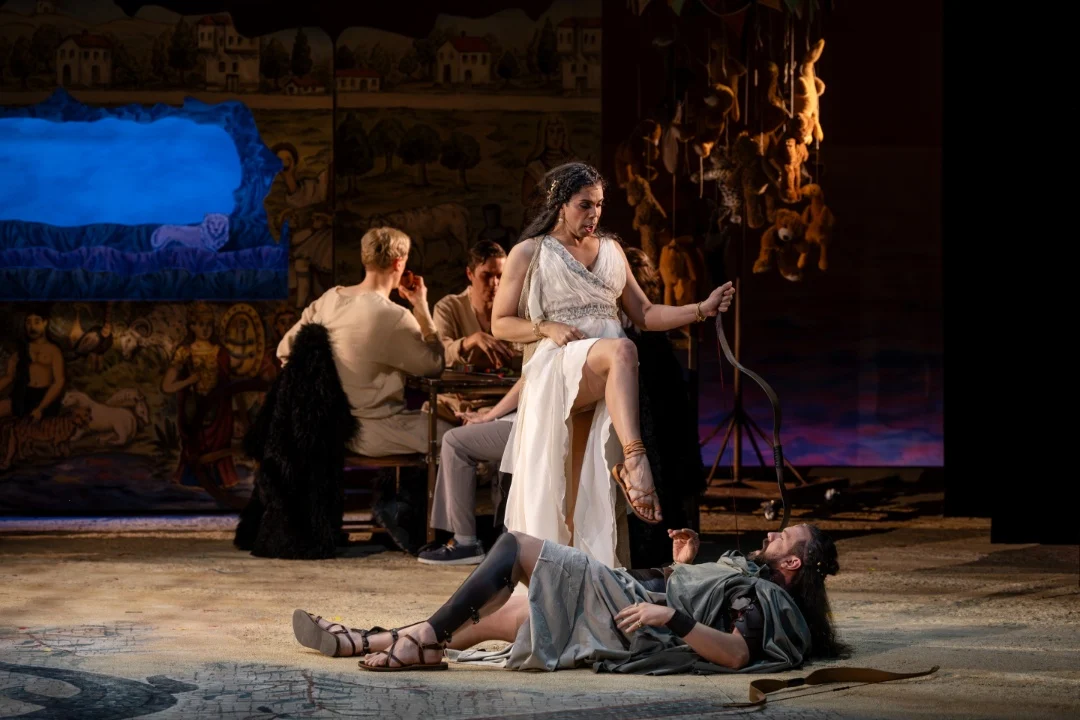
September 10, 2026, is dedicated to timeless themes with "Orpheus and Eurydice." This classic myth, a cornerstone of operatic repertoire, will undoubtedly be explored through a contemporary lens by the creators, offering a fresh interpretation of the enduring story of love, loss, and the underworld. Following this, the festival presents L’s reimagined song cycle "Frauenliebe und Leben," a work that promises to engage with Robert Schumann’s iconic song cycle through a contemporary operatic framework, potentially exploring new vocal and dramatic possibilities.
Mid-September sees a surge of diverse and intriguing works. September 11 features "The Dunwich Horror," a work that, by its title, suggests an engagement with the darker, more atmospheric side of storytelling, possibly drawing inspiration from literary horror. Alongside this, Rowan Lark’s "The Rag Animals" will be performed, offering a potentially playful or poignant exploration of its unique subject matter.
The following day, September 12, brings "The Trial of Four," the concluding installment of the "Disciples" cycle by Anna Vienna Ho. This piece, with Michael CT Lam directing, signifies the culmination of a significant thematic exploration, promising a resolved and impactful narrative within the larger cycle.
September 13 is a day of significant sonic exploration. "Making Europe Audible" by Catherine Kontz and Henri Vexby, performed by soprano Johanna Greulich, pianist Clemens Hund-Görschel, and percussionist Louisa Marxen, promises a performance that pushes the boundaries of operatic soundscapes. Simultaneously, "From the Edda" by Max Mitchell, featuring soprano Eyra Norman and pianist Alexander Wigglesworth, draws inspiration from Norse mythology, suggesting a grand and epic narrative. The simultaneous presentation of these two distinct works on the same day highlights Tête à Tête’s commitment to showcasing a wide range of musical and thematic inspirations.
The mid-point of the festival, September 15, introduces two new operas: "Of Earth and Quill 2" and "A Different Kind of Heartbreak." The presentation of new works in this manner allows audiences to experience the forefront of operatic composition and the diverse thematic concerns of contemporary creators.
September 16 delves into more intimate and culturally specific narratives. "Arlodhes a Shallott," by Matthew Thomason and Elizabeth Ellis, will be performed by soprano Elizabeth Freeborn, cellist Kath Buckler, and Thomason at the piano, suggesting a chamber opera with a focus on refined vocal and instrumental interplay. Following this, "Drevo," described as a meditative work on the folk culture of Belarus, offers a poignant exploration of heritage and tradition through the operatic form, promising a deeply resonant and culturally specific experience.
September 17 presents two distinct narratives. "Emma or Emily" is scheduled, hinting at a character-driven piece that explores identity or relationships. This is followed by the AI sci-fi opera "Androida" (or "Robots Have No Feelings"). This cutting-edge production, performed by soprano Sian Sulke, directed by Joe Austin, and featuring the Cohen Ensemble led by Jacques Cohen, tackles contemporary themes of artificial intelligence and sentience, positioning opera at the forefront of technological and philosophical discourse. The inclusion of an AI-themed opera speaks to the art form’s capacity to engage with the most pressing issues of our time, reflecting societal anxieties and aspirations.
The penultimate day of the festival, September 18, features "Fort," an opera by Joy Ingle based on a play by Tabitha Hayward, directed by Walter Hall, suggesting a narrative-driven piece rooted in theatrical tradition. This is followed by "Azovstal," a title that immediately evokes the recent and significant conflict in Ukraine, indicating a potentially powerful and politically charged operatic statement. The inclusion of such contemporary geopolitical themes underscores opera’s role as a medium for social commentary and historical reflection.
The festival culminates on September 19 with "The Breaking Point," a chamber opera cycle presented in collaboration with the Royal Academy of Music. This significant closing program features four distinct works: "Broken Ivy" by Florence Lloyd and Vivian Bayliss, "Fence Off!" by Ruben Doda and Rebekah King, "The Promise" by Ng Kwun Ho, Jerry Fryderyk, and Courtney Cousins, and "Meet The Philips" by Alessandro Mackinnon-Botti and Wilkie Robson. The extensive list of performers, including Ian Gillis, Miro Treharne, Jerry Fryderyk, Miyu Himeta, Alexander Thow, Annabel Jeanes, Kathy Macaulay, Teyfik Kamal, and Lilian Noble, along with the direction of Sophie Daneman, highlights a substantial collaborative effort. This multi-part closing event serves as a powerful showcase of emerging talent and diverse operatic voices, bringing together established institutions and new creative energy. The collaboration with the Royal Academy of Music is particularly noteworthy, signifying a commitment to nurturing the next generation of operatic talent.
The breadth of the 2026 season, from its international Mainstage productions to the eclectic and forward-thinking Opera Festival, positions Tête à Tête as a vital force in the contemporary opera landscape. The organization’s unwavering dedication to commissioning, developing, and presenting new works, coupled with its commitment to fostering international collaboration and supporting emerging artists, ensures that its programming remains both relevant and groundbreaking. As audiences prepare to engage with this diverse array of operatic experiences, Tête à Tête continues to redefine the boundaries of the art form, proving that opera remains a dynamic and evolving medium capable of reflecting and shaping our world. The sustained focus on new commissions and the festival format itself, which allows for concentrated engagement with a multitude of works, are key strategies that allow Tête à Tête to remain at the vanguard of operatic innovation.