Kholidah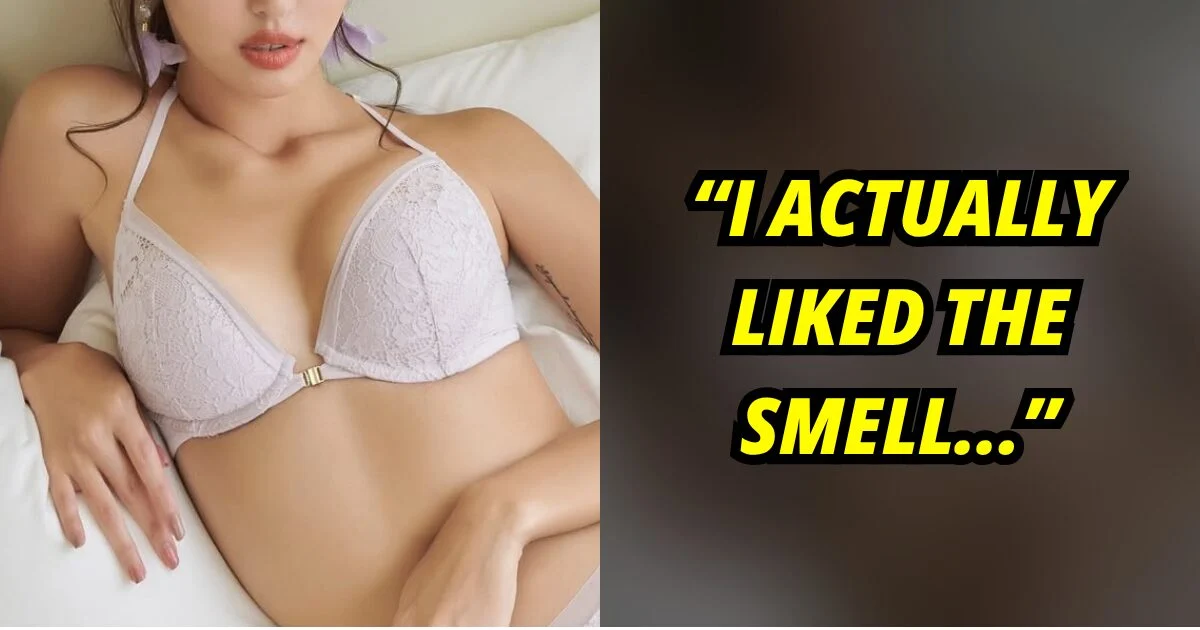
Detailed Disclosures on the Chop Chop Show
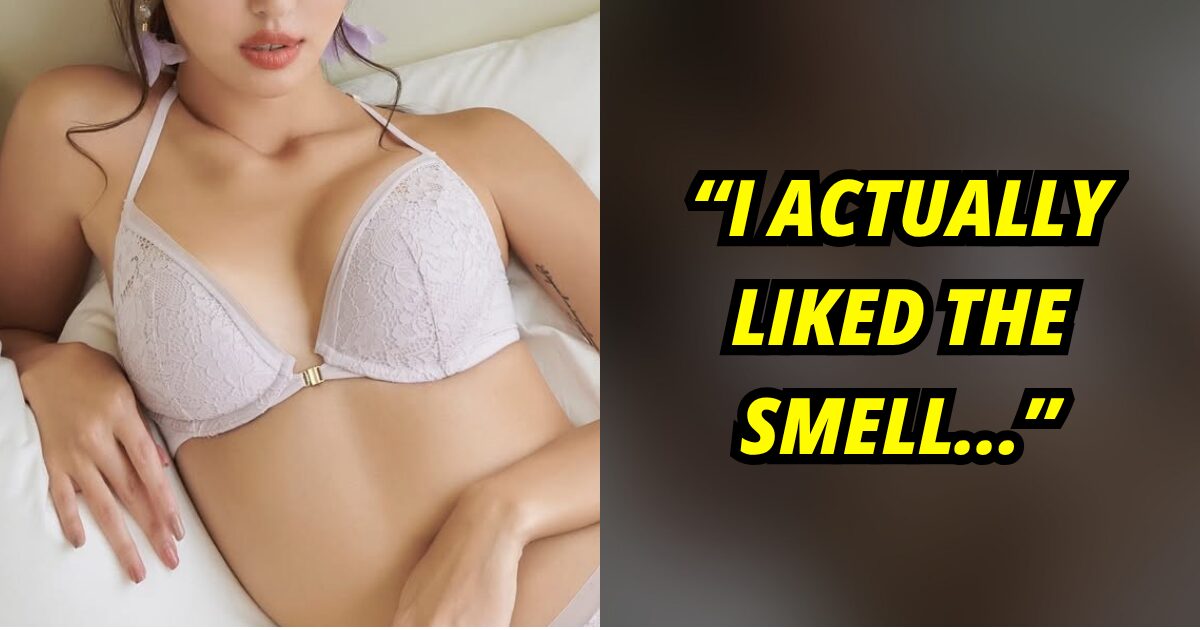
During her guest appearance on the Taiwanese variety show, Lin engaged in a transparent discussion regarding her daily routines and physiological curiosities. The most striking admission involved her ability to bypass traditional bathing for extended periods. Lin stated that her longest streak without a full shower lasted approximately one month. She explained that she did not find the experience unpleasant; rather, she developed a particular affinity for the natural scents produced by her body during this interval.
Specifically, Lin mentioned a fascination with the scent of her own scalp. She described the act of scratching her head and sniffing the residue as a satisfying habit, noting that she genuinely enjoyed the olfactory feedback. To manage basic cleanliness during these periods of water avoidance, Lin revealed a strategic reliance on modern plumbing fixtures. She explained that by using a bidet to cleanse her private areas, she could maintain a localized level of hygiene without needing to submerge her entire body or "touch water" in a traditional shower setting.
Beyond her bathing habits, Lin detailed several other behaviors that fall outside conventional social norms. These included the habit of extracting debris from her ears and depositing the resulting "balls of dirt" onto her mirror. Furthermore, she admitted to a practice known as dermatophagia, specifically the consumption of the skin from her own lips. Lin framed these actions not as lapses in hygiene, but as expressions of a profound curiosity regarding the human body and its various functions.
Contextual Background and Career Trajectory
Maze Lin’s recent comments are consistent with a career defined by challenging social taboos and embracing a highly provocative public image. Lin first gained widespread attention as a member of the variety show Blackie’s Teenage Club, but her path has been marked by several high-profile controversies. She was previously involved in legal scrutiny and was once arrested in connection with an incident categorized as public indecency. These past events have solidified her status as a polarizing figure who frequently tests the boundaries of "polite society."
Her transition to YouTube has allowed her to bypass traditional media filters, providing a platform where her "unfiltered" lifestyle attracts a significant following. In the digital space, Lin’s brand is built on radical transparency, where she often discusses topics ranging from plastic surgery and relationships to legal battles and, most recently, her hygiene quirks. This latest revelation is viewed by media analysts as an extension of her "authentic" brand, designed to resonate with an audience that prizes raw honesty over curated perfection.
Scientific and Dermatological Perspectives on Infrequent Bathing
The medical community generally advises a balanced approach to hygiene, and Lin’s admission of a month-long hiatus from showering provides a case study for discussing the dermatological impact of such habits. According to dermatological research, the human skin is home to a complex ecosystem known as the skin microbiome, consisting of bacteria, fungi, and viruses.
While daily showering with harsh soaps can strip the skin of essential oils and disrupt this microbiome, leading to dryness or eczema, total abstinence for thirty days presents a different set of challenges. Health experts note that a prolonged lack of washing can lead to the accumulation of dead skin cells, sweat, and sebum. This buildup can cause "dermatitis neglecta," a condition where dark, warty-looking patches form on the skin due to inadequate cleansing.
Furthermore, the scalp is particularly prone to the overgrowth of Malassezia, a yeast-like fungus that thrives on sebum. This can lead to seborrheic dermatitis, characterized by itching and flaking. Lin’s stated enjoyment of the "scalp smell" likely refers to the oxidation of these fats and the metabolic byproducts of bacteria, which produce a distinct musky odor. While Lin utilized a bidet for localized hygiene—a practice that helps prevent urinary tract infections and other localized issues—dermatologists argue that the rest of the body still requires periodic cleansing to manage bacterial loads in skin folds and other high-moisture areas.
Psychological Analysis of Body-Focused Repetitive Behaviors
Lin’s other habits, such as ear-cleaning rituals and eating lip skin, touch upon what psychologists classify as Body-Focused Repetitive Behaviors (BFRBs). While many people engage in minor grooming habits, the deliberate collection of ear debris on a mirror or the consumption of skin (dermatophagia) can be linked to sensory seeking or impulse control.

Psychological studies suggest that some individuals find a sense of "sensory completion" or stress relief through these actions. Lin’s encouragement for others to be "curious about their own bodies" suggests a perspective of self-exploration. However, clinicians often distinguish between healthy curiosity and behaviors that may indicate underlying anxiety or obsessive-compulsive tendencies. By normalizing these actions on a public platform, Lin challenges the "shame" often associated with such quirks, though the medical utility of such habits remains a subject of professional debate.
Comparison with Global "Non-Washing" Trends
Maze Lin is not the only public figure to spark debate over bathing frequency. In recent years, a "non-washing" or "low-wash" movement has gained traction among several Hollywood celebrities. Figures such as Ashton Kutcher, Mila Kunis, and Jake Gyllenhaal have publicly stated that they do not believe in daily full-body soaping, arguing that the body’s natural oils are beneficial for skin health.
This global shift is often driven by two factors: skin health advocacy and environmental concerns regarding water conservation. However, Lin’s admission goes significantly further than the "pits and bits" approach popularized in the West. While Western celebrities often advocate for showering every few days or using water without soap, Lin’s month-long avoidance and her specific interest in body odors represent a more extreme end of the spectrum. This highlights a cultural divergence in how hygiene and "naturalness" are performed and perceived in different media markets.
Public Reaction and Media Impact
The reaction to Lin’s statements on the Chop Chop Show has been a mixture of shock, amusement, and concern. Social media platforms in Taiwan and across Asia saw a surge in comments following the broadcast. Some fans praised Lin for her "realness" and her refusal to conform to the sanitized standards of the idol industry. These supporters argue that Lin’s transparency is a breath of fresh air in an industry often criticized for being overly manufactured.
Conversely, a significant portion of the public expressed hygiene-related concerns, with some labeling the habits as "unhygienic" or "disturbing." Critics argue that as a public figure with a large following, particularly among younger demographics on YouTube, Lin’s dismissal of standard hygiene practices could have negative implications for public health education.

Media analysts suggest that this controversy serves Lin’s career trajectory well. In the attention economy, polarizing content often generates higher engagement than conventional narratives. By sharing "gross-out" details, Lin ensures her name remains in the headlines, reinforcing her persona as the "Sexy Star" who refuses to play by the rules.
Broader Implications for the Influencer Industry
The incident involving Maze Lin underscores a growing trend in the influencer industry: the commodification of "the private self." As traditional boundaries between public and private life dissolve, influencers are increasingly sharing intimate, and sometimes controversial, details of their personal lives to maintain relevance.
This transparency creates a paradox. On one hand, it can foster a sense of community and reduce the stigma surrounding unconventional behaviors or body issues. On the other hand, it can lead to the "shock-value cycle," where personalities must continually reveal more extreme information to capture audience attention. Lin’s advocacy for "body curiosity" is a strategic move that frames her habits as a form of self-empowerment, effectively rebranding potential hygiene lapses as a journey of self-discovery.
As the digital landscape evolves, the definition of "socially acceptable" behavior continues to be rewritten by those willing to share their most private moments. Maze Lin’s month-long experiment in non-showering is more than just a quirk; it is a reflection of a media culture that increasingly values the shocking and the raw over the polished and the routine. Whether this leads to a broader shift in hygiene standards or remains a localized controversy, it has undoubtedly cemented Lin’s position as one of the most provocative voices in contemporary Taiwanese media.