Lana Akmaluna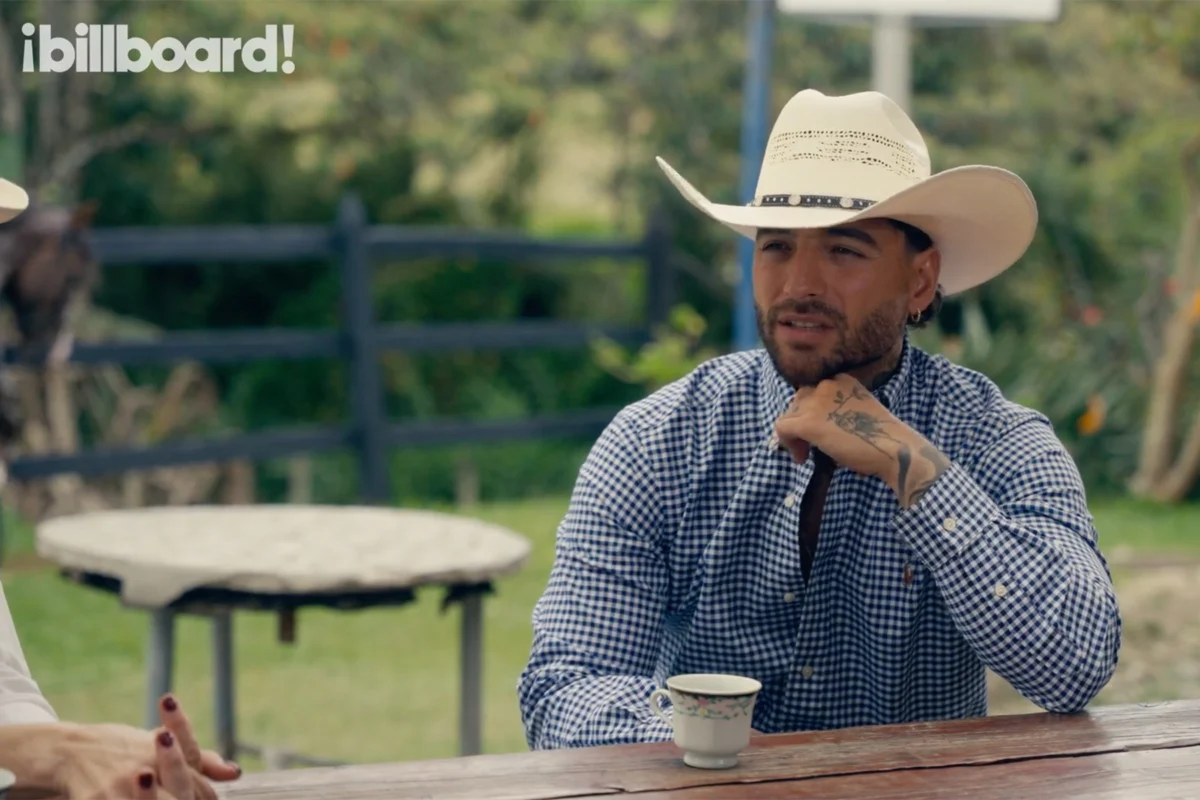
The global music icon Maluma recently hosted Billboard at his expansive estate in Medellín, Colombia, providing a rare and intimate glimpse into the personal life of an artist who has spent the last decade at the forefront of the Latin urban movement. In a wide-ranging conversation with Leila Cobo, the artist—born Juan Luis Londoño Arias—moved beyond the curated persona of "Papi Juancho" to discuss the heavy realities of mental health, the impending political shifts in his home country, and the profound transformation brought about by fatherhood. This meeting, set against the backdrop of lush tropical vegetation and the quiet routine of his rural retreat, signals a pivotal moment in the singer’s career, where the pursuit of personal peace has begun to outweigh the relentless drive for commercial dominance.
The Medellín Sanctuary and a Shift in Perspective
The choice of location for the interview was not incidental. Maluma’s estate in Medellín serves as a physical manifestation of his desire to reconnect with his roots. Throughout the interview, the artist emphasized that while his career has taken him to the world’s most prestigious stages, his stability is rooted in the Colombian soil. The setting, characterized by horseback rides and coffee breaks, stands in stark contrast to the high-octane lifestyle of a touring reggaeton star.
Maluma’s current state of mind is defined by a newfound appreciation for domesticity. He admitted that his relationship with fame has undergone a fundamental shift, stating that he now prefers the tranquility of his home over the constant noise of the public eye. This transition comes after years of maintaining a grueling schedule that saw him performing in dozens of countries annually. The artist noted that the quietude of Medellín allows him to process the "dopamine crash" that often follows the conclusion of major world tours, a phenomenon increasingly recognized by mental health professionals working within the music industry.
Mental Health and the "Dopamine Detox"
One of the most candid segments of the interview focused on the artist’s mental health journey. Maluma revealed that at the end of his last tour, he felt a sense of overwhelming exhaustion that bordered on a psychological crisis. He admitted that had he not made the conscious decision to stop and "disconnect," the consequences could have been dire.
"Life isn’t just music," he told Billboard, challenging the industry’s expectation for artists to be perpetually "on." He described the experience of living "24/7, 365" in a mindset focused on fans, autographs, and social media engagement. When that constant stream of external validation was removed, he described his brain as reacting to a loss of dopamine. To combat this, Maluma underwent a multi-month social media "detox." This period of digital silence was, according to the artist, the primary key to his recovery.
His transparency regarding burnout reflects a broader trend in the music industry. According to a study by Help Musicians, nearly 71% of touring professionals have experienced high levels of anxiety, and 68.5% have suffered from depression. By speaking openly about the need to prioritize his brain over his brand, Maluma joins a growing list of Latin artists, including J Balvin and Alejandro Sanz, who have used their platforms to destigmatize mental health struggles in the Hispanic community.
The Legacy of Yeison Jiménez and "Loco X Volver"
The interview also touched upon Maluma’s latest musical project, the album Loco X Volver, released on May 15. The album represents a stylistic evolution for the singer, blending his reggaeton foundations with traditional Colombian sounds and contemporary pop. However, the promotional cycle for the album has been tinged with sadness following the tragic death of popular Colombian singer Yeison Jiménez.
Jiménez, a rising star in the "música popular" genre, died in a plane crash in January at the age of 34. Maluma and Jiménez had collaborated on the track "Con el Corazón" for the new album, a partnership that had blossomed into a close friendship. During the interview, Maluma became visibly emotional when discussing Jiménez’s passing, noting that the two had spent months working closely together.
The loss of Jiménez underscores the fragility of life in the fast-paced entertainment world, a theme Maluma returned to several times. "Life goes by in a flash," he remarked, noting that the reality of his friend’s death still feels "unreal." The inclusion of their collaboration on Loco X Volver serves as a posthumous tribute to Jiménez’s contribution to Colombian music.
Political Concerns and the May 31 Elections
In a departure from the usually apolitical stance of many pop stars, Maluma spoke at length about the upcoming presidential elections in Colombia, scheduled for May 31. His comments were rooted in a deep-seated concern for the future of the country and a desire to see a break from the cycles of violence that have historically plagued the nation.
"My country hurts me," Maluma stated, referencing the trauma of the 1990s—a decade defined by the height of the narco-wars and systemic instability. He expressed a fervent belief in the democratic process, urging his fellow citizens to participate in the upcoming vote. While he refrained from endorsing a specific candidate, his call to action was physical and direct: he mentioned a desire to rent trucks to transport voters to polling centers to ensure high turnout.
Data from the Registraduría Nacional del Estado Civil in Colombia shows that voter turnout has historically hovered around 50-55% in presidential elections. Maluma’s intervention is seen by analysts as an attempt to mobilize a younger demographic that often feels disconnected from the political establishment. His motivation is largely personal; as he and his partner Susana Gómez prepare for the birth of their second child, he expressed a desire for his daughter, Paris, to grow up in a Colombia that does not repeat the mistakes of past generations.
The Impact of Fatherhood and Future Aspirations
The announcement that Maluma and Susana Gómez are expecting their second child has significantly influenced the artist’s worldview. Throughout the interview, he spoke about the responsibility of creating a safe and prosperous environment for the next generation. The transition from a "global idol" to a family man has prompted him to re-evaluate his priorities, leading to a more selective approach to his professional commitments.
This shift is also reflected in his business ventures. Beyond music, Maluma has expanded his portfolio into the fashion and spirits industries, often highlighting Colombian craftsmanship and resources. By diversifying his interests, he is building a legacy that extends beyond the charts, ensuring financial and personal stability that is not entirely dependent on the volatile nature of the music business.
Broader Implications for the Latin Music Industry
Maluma’s interview with Billboard serves as a case study for the evolving role of the modern Latin superstar. For decades, the industry model for crossover success required constant visibility and a relentless output of content. However, Maluma’s decision to "stop the machine" suggests that sustainability is becoming a higher priority than peak saturation.
Furthermore, his willingness to engage with sensitive political topics marks a significant shift in the cultural landscape. In many Latin American countries, artists have historically been hesitant to speak on politics for fear of alienating segments of their audience. Maluma’s plea for civic engagement, framed through the lens of fatherhood and national pride, suggests that the "new" Latin star is one who is unafraid to leverage their influence for social and political discourse.
Conclusion
As the May 31 elections approach and Loco X Volver continues to climb the charts, Maluma remains in a state of deliberate reflection. His journey from the "Pretty Boy, Dirty Boy" era to his current status as a thoughtful father and advocate for mental health mirrors the maturation of the reggaeton genre itself. By prioritizing his well-being and his family over the traditional metrics of success, Maluma is not just protecting his own future, but setting a new precedent for what it means to be a global icon in the 21st century.
The full interview, conducted in Spanish, provides further depth into these topics, offering fans a comprehensive look at the man behind the music. For now, Maluma seems content to stay in Medellín, far from the cameras and the noise, waiting for the next chapter of his life to unfold.