Mia Khoirunisa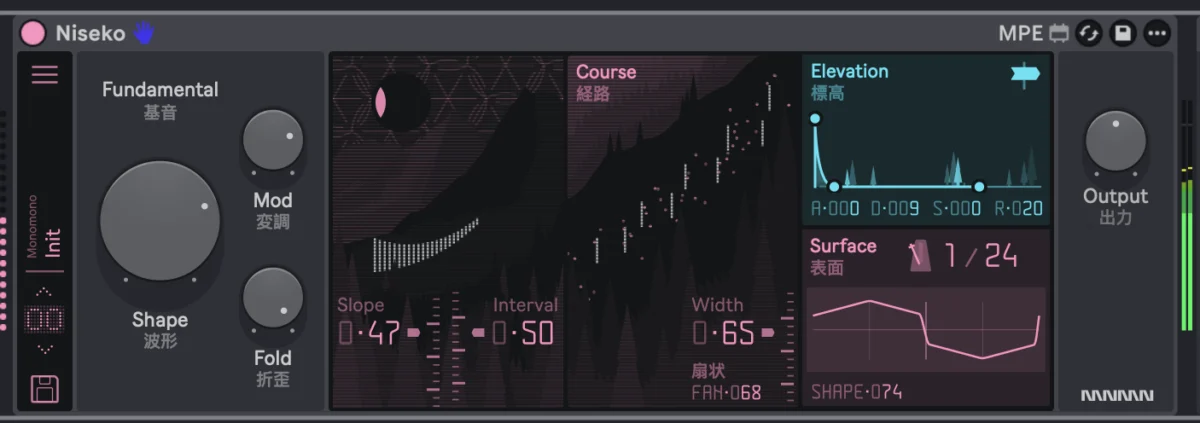
The landscape of digital audio workstations is continuously evolving, with developers pushing the boundaries of what’s possible in sound design and synthesis. Within the Ableton Live ecosystem, Max for Live has consistently served as a fertile ground for innovation, allowing for the creation of unique and powerful tools that extend the DAW’s capabilities. Monomono, a developer with a strong track record in the Max for Live community, has unveiled Niseko, an additive synthesizer that aims to redefine user interaction with this complex synthesis technique. Niseko promises to make the rich harmonic content of additive synthesis accessible and expressive, offering a compelling alternative to traditional synthesis methods.
Bridging the Past and Future of Additive Synthesis
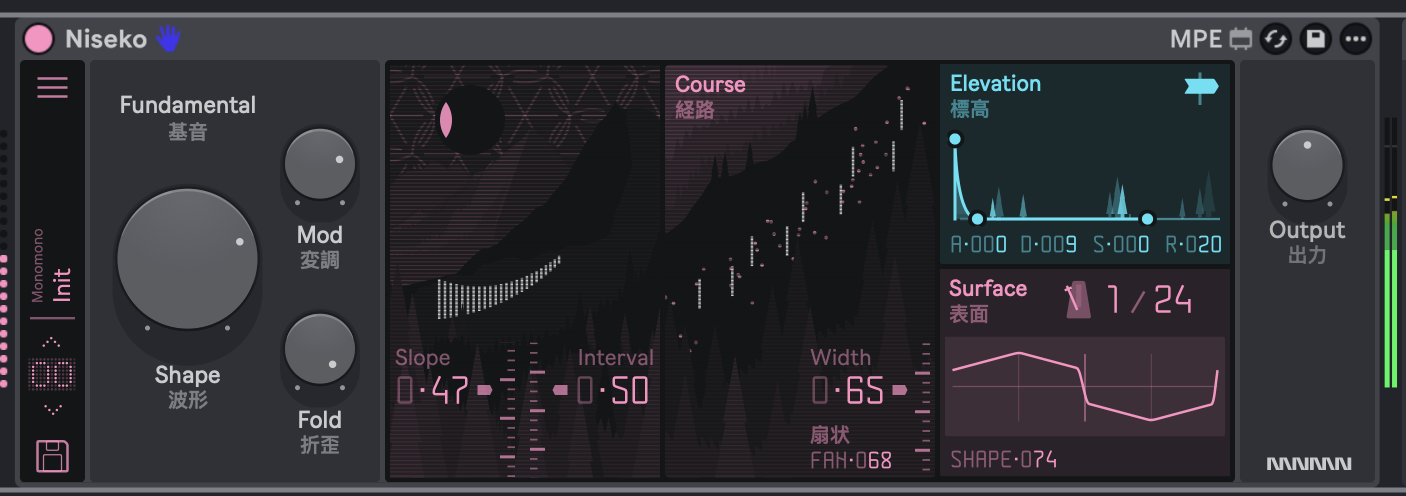
Niseko’s design philosophy appears to draw inspiration from a hypothetical fusion of vintage analog hardware and futuristic digital interfaces. The developers themselves have posited the question, "What would additive synthesis have sounded like as 1980s hardware?" Niseko seems to embody this concept, featuring elements like internally modulated parameters and 12-bit synthesis, which evoke the character of classic digital synths. This is juxtaposed with a strikingly modern and intuitive user interface. The synthesizer incorporates sophisticated modulation capabilities, including frequency modulation and wavefolding, alongside user-friendly controls for parameters such as "width" and "fan." This blend of retro sonic character and contemporary usability is a key differentiator for Niseko.
The accessibility of Niseko is further enhanced by its input capabilities, which extend beyond standard MIDI. The synthesizer is designed to integrate seamlessly with controllers like Ableton’s Push and also supports MPE (MIDI Polyphonic Expression), a technology that allows for more nuanced and expressive control over musical parameters by enabling per-note modulation. This opens up a wealth of possibilities for live performance and intricate sound sculpting, allowing musicians to imbue their performances with greater emotional depth and sonic detail.
Technical Foundation and Sonic Palette
At its core, Niseko is an additive synthesizer. Additive synthesis involves generating complex timbres by combining multiple simple waveforms, typically sine waves, at different frequencies and amplitudes. This method allows for the precise construction of harmonic content, offering unparalleled control over the sonic character of a sound. Historically, additive synthesis has been associated with complex interfaces and a steep learning curve, often found in specialized hardware or software instruments.
Niseko aims to demystify this process by providing a streamlined workflow. While the exact number of oscillators or harmonic partials Niseko utilizes is not explicitly detailed in the initial release information, its architecture suggests a robust implementation capable of generating rich and evolving textures. The inclusion of 12-bit synthesis points towards a deliberate choice to impart a certain sonic character, reminiscent of early digital synthesizers, which often possessed a unique, sometimes lo-fi or gritty, charm. This aesthetic can be highly desirable in modern sound design, adding a distinctive flavor that digital synths with higher bit depths might not achieve.
The integration of frequency modulation (FM) and wavefolding further expands Niseko’s sonic capabilities. FM synthesis is known for its ability to create metallic, bell-like, and complex digital timbres, while wavefolding can introduce harmonic richness and grit by folding the waveform back on itself. The combination of these techniques with the fundamental additive engine allows Niseko to produce a wide spectrum of sounds, from pristine and clear to aggressive and experimental. The intuitive "width" and "fan" controls likely refer to spatialization and harmonic spread, respectively, offering further control over the stereo image and the harmonic complexity of the generated sound.
Max for Live: A Platform for Innovation
Monomono’s choice to develop Niseko as a Max for Live device is significant. Max for Live is a powerful environment integrated within Ableton Live that allows users and developers to create custom instruments, audio effects, and MIDI tools. This platform has fostered a vibrant community of developers who have produced a remarkable array of innovative devices. Monomono has previously established itself as a respected contributor to this community, with a history of releasing high-quality Max for Live instruments.
Niseko’s release positions it within a growing collection of sophisticated additive synthesizers available for Ableton Live. The article mentions other notable examples, such as Rainbow Circuit’s Rift and Mellisonic’s Polyphylla. Rift is described as offering a distinct approach that complements Niseko, suggesting a focus on different aspects of additive synthesis or a unique sonic signature. Polyphylla, on the other hand, is characterized by its deeper control interface and recent updates, including automation of motion envelopes and noise parameters. This ecosystem of additive synths within Live highlights the platform’s maturity and the diverse sonic possibilities that developers are exploring.
The article also subtly critiques Ableton’s built-in Operator, noting its limited capabilities for additive synthesis. This underscores the demand for more specialized and powerful additive tools within Live, a gap that Niseko appears poised to fill. The implication is that while Live offers foundational tools, third-party Max for Live devices like Niseko provide the depth and flexibility required by demanding sound designers and producers.
User Experience and Workflow Integration
The user interface of Niseko is consistently praised for its modernity and intuitive design. In an era where synthesizers can often become overwhelming with complex menus and hidden parameters, Niseko’s emphasis on accessibility is a significant advantage. The ability to control harmonic content and modulation through a visually appealing and straightforward interface can dramatically speed up the sound design process and encourage more experimental exploration.
The integration with hardware controllers like Push and MPE support further enhances Niseko’s appeal to performers and tactile sound designers. Push, in particular, offers a hands-on experience that can bridge the gap between software and hardware, allowing for immediate manipulation of synth parameters without needing to constantly interact with a mouse and keyboard. MPE’s adoption signifies Niseko’s commitment to embracing expressive performance techniques, aligning it with the latest trends in digital music creation.
Sonic Exploration and Application
The article includes a "sound exploration sketch" video demonstrating Niseko’s capabilities. This provides concrete examples of the sounds that can be generated, showcasing its versatility across different musical contexts. The author’s approach of routing the dry output into effects chains, including a Reason Rack patch and third-party plugins from AAS and Electro-Harmonix, illustrates a common practice among producers: using a powerful synth as a foundation and then further shaping its sound with external processing. This approach highlights Niseko’s role as a flexible building block within a larger production workflow.
The demonstration of Niseko with effects like Osmium and Ripley, and the Objeq Delay 2 and MixWaves Electro-Harmonix, suggests that the synthesizer can produce sounds that benefit from the character and depth these plugins provide. This combination of a capable synth engine and thoughtful post-processing is a hallmark of professional sound design.
The Broader Impact on Ableton Live’s Sonic Arsenal
The proliferation of advanced synthesizers, particularly within the additive synthesis domain, enriches the sonic palette available to Ableton Live users. While it’s true that no single producer needs every synthesizer ever created, the availability of diverse tools like Niseko, Rift, and Polyphylla serves a crucial purpose: inspiration. Each instrument, with its unique architecture and interface, offers a different pathway into sound design, potentially sparking new creative ideas and leading to the discovery of novel sonic territories.
Monomono’s Niseko stands out as a potentially best-in-class additive tool within Live, even earning a nod of admiration for Ableton itself. This suggests a high level of polish and innovation that could set a new standard for additive synthesis within the DAW. The fact that Niseko is available for both Mac and Windows ensures broad accessibility for the Ableton Live user base.
Availability and Future Considerations
Niseko is available for purchase through Isotonik Studios, a distributor known for its curated selection of high-quality audio software and plugins, particularly for Ableton Live users. The inclusion of an affiliate link in the original article indicates a standard practice of revenue sharing for product recommendations.
The continued development of sophisticated Max for Live devices like Niseko underscores the ongoing evolution of digital audio workstations. As technology advances, the lines between hardware and software continue to blur, and the demand for intuitive yet powerful creative tools grows. Niseko’s success will likely depend on its ability to consistently deliver on its promise of accessible and expressive additive synthesis, solidifying its place as a valuable asset for Ableton Live producers and sound designers. The future may also see the development of Niseko as a standalone software module, an idea that the original author expresses a desire for, indicating potential demand beyond the Live ecosystem. This could further expand its reach and impact on the broader music production community.