Aveline Kirana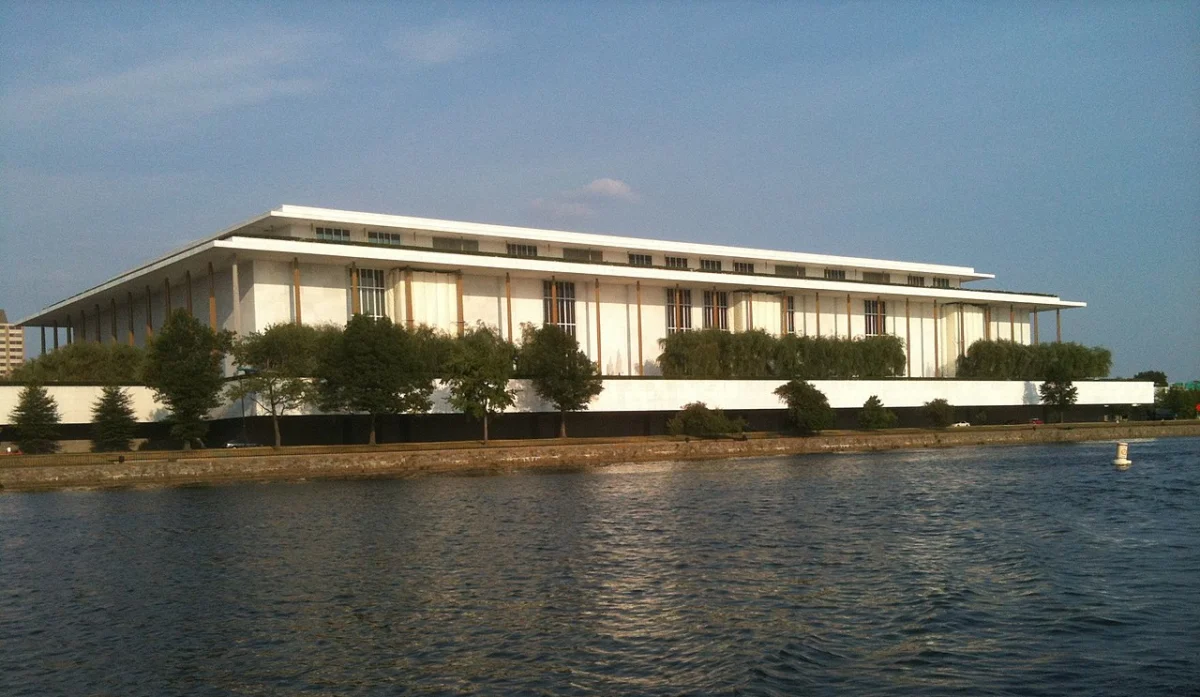
A federal judge’s decision on Friday, May 29, 2026, has restored the John F. Kennedy Center for the Performing Arts to its original designation, overturning a controversial board vote that had sought to add President Donald Trump’s name to the iconic institution. The ruling by U.S. District Judge Casey Cooper not only prohibits the addition of "Donald J. Trump" to the Center’s official name but also blocks a planned temporary closure for a multi-year renovation, citing legal violations by the Center’s board. The decision marks a significant victory for those who opposed the renaming, which had ignited widespread backlash from artists, cultural figures, and the Kennedy family itself.
Judicial Intervention Halts Renaming and Renovation Plans
Judge Cooper’s ruling unequivocally stated that the Kennedy Center’s charter, established by Congress, designates it solely as a memorial to President John F. Kennedy. "The law establishing the Center makes crystal clear that the Center is to be named for President Kennedy, and it cannot bear any other formal name or public memorial based on the Board’s unilateral say-so," the judge wrote in his decision. He further emphasized the legislative authority over the Center’s naming, asserting, "Congress gave the Kennedy Center its name, and only Congress can change it." This legal interpretation directly challenges the board’s assertion of authority to alter the institution’s foundational identity.
The court’s order extends beyond the naming convention, mandating the immediate removal of any signage bearing Donald J. Trump’s name and requiring an update to the Center’s official website to reflect the ruling. Furthermore, the judge’s injunction against the planned temporary closure for renovations underscores the severity of the legal breaches identified. The board’s attempt to link the renovation closure with the renaming initiative appears to have been viewed by the court as part of a broader, unlawful overreach.
A Timeline of Controversy: From Board Vote to Judicial Reversal
The controversy began to escalate several months prior to the judge’s ruling, in December 2025, when the Kennedy Center’s Board of Trustees, reportedly influenced by a "Trump installed board," voted unanimously to rename the institution "The Donald J. Trump and The John F. Kennedy Memorial Center for the Performing Arts." This decision was publicly announced with a statement from spokeswoman Roma Daravi, who claimed the unanimous vote recognized the current Chairman’s role in saving the institution from "financial ruin and physical destruction." Daravi’s statement also asserted that the "new Trump Kennedy Center reflects the unequivocal bipartisan support for America’s cultural center for generations to come," a claim that proved to be a stark miscalculation of public and artistic sentiment.
The announcement of the renaming immediately sparked a firestorm of criticism. Members of the Kennedy family publicly denounced the move, with Robert F. Kennedy Jr. calling it "a disgrace" and an attempt to "co-opt the legacy of my father for political purposes." Numerous performers and artistic organizations expressed their dismay, with many vowing to boycott the venue. The Washington National Opera, a prominent resident company, took the drastic step of announcing its immediate departure from the Kennedy Center, a significant blow to the institution’s programming and prestige. This exodus of artistic partners signaled the deep rift the renaming had created within the cultural landscape.
Supporting Data: Financial Health and Renovation Needs
While the board cited financial preservation as a justification for the renaming, independent analyses of the Kennedy Center’s financial standing prior to December 2025 painted a more complex picture. Publicly available financial reports for the fiscal year ending in 2024 indicated a strong rebound in earned revenue following the post-pandemic recovery, with ticket sales and venue rentals showing a steady increase. However, the Center, like many large cultural institutions, relies on a mix of public funding, private donations, and earned revenue. Reports from that period suggested that while endowment levels were substantial, ongoing operational costs and the need for significant capital improvements remained consistent challenges.
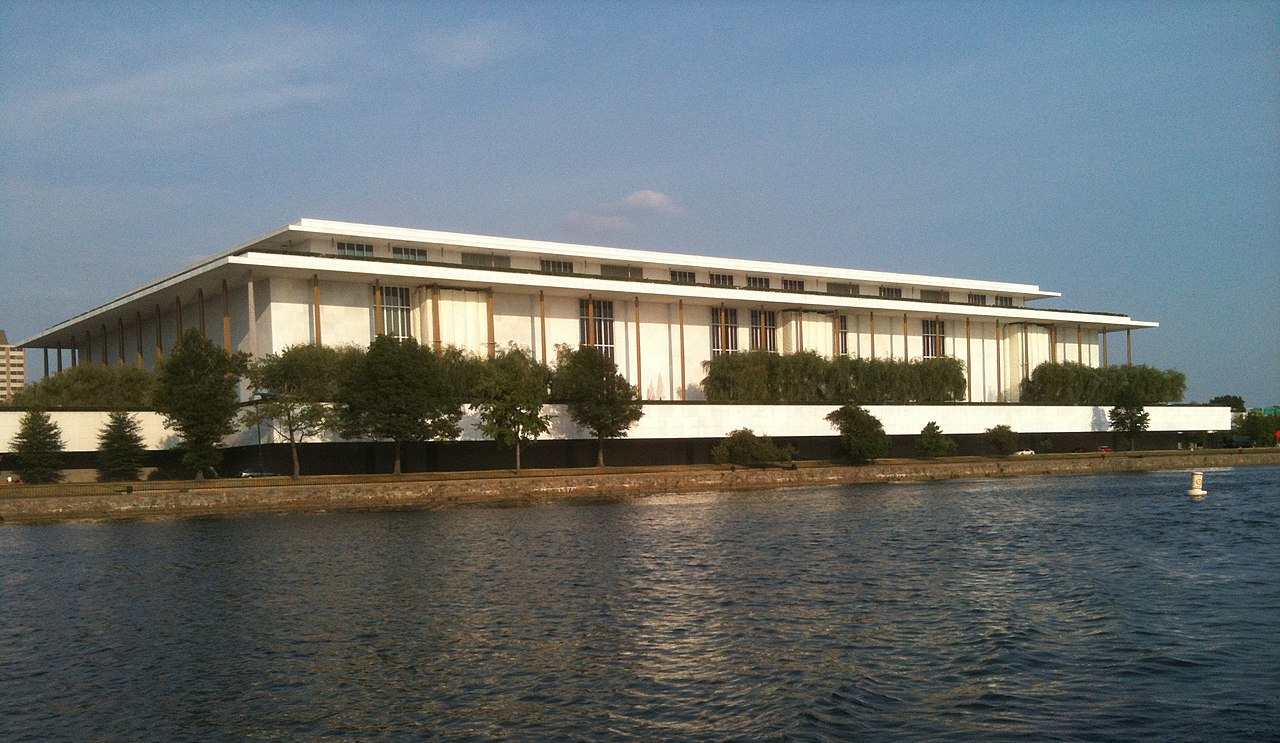
The proposed multi-year renovation was reportedly designed to address critical infrastructure needs, including upgrades to seating, acoustics, and backstage facilities across its various theaters. Estimates for such comprehensive renovations in major performing arts centers can easily run into the hundreds of millions of dollars. The board’s assertion that the renaming was instrumental in securing funding for these renovations, or that it was a direct response to imminent financial "ruin," has been contested by critics who argue that such a drastic measure was unnecessary and politically motivated. The legal challenge likely highlighted the lack of transparency and proper due diligence in the board’s decision-making process regarding both the renaming and the renovation funding strategy.
Official Responses and Broader Implications
Following the judge’s ruling, reactions have been swift. Advocates for the preservation of the Kennedy Center’s original identity expressed relief and satisfaction. A statement from the National Performing Arts Alliance, a coalition of cultural organizations, hailed the decision as a "victory for artistic integrity and public trust." The statement emphasized that "cultural institutions should remain apolitical and serve as unifying forces, rather than becoming instruments of partisan agendas."
Conversely, the Trump campaign issued a terse statement expressing disappointment with the ruling, labeling it as "politically motivated" and vowing to explore all legal options. The future of the proposed renovations remains uncertain, with the board now needing to reassess its strategy for funding and executing essential upgrades without the controversial renaming initiative.
The implications of this judicial intervention extend beyond the immediate dispute. It serves as a stark reminder of the legal and ethical boundaries governing public institutions and the importance of respecting legislative intent. The case underscores the potential legal ramifications of politically charged decisions made by governing boards, particularly when those decisions appear to disregard established laws and public consensus.
The ruling also highlights the fragility of an institution’s identity when it becomes entangled in political discourse. The Kennedy Center, a symbol of American arts and culture, found itself at the center of a national debate about legacy, patriotism, and the role of public figures in national monuments. The judge’s decision reaffirms that the naming of such significant cultural landmarks is a matter of public trust and legislative purview, not solely the prerogative of a board, regardless of its composition or perceived authority.
As the Kennedy Center navigates the aftermath of this ruling, the focus is expected to shift back to its core mission: fostering artistic excellence and serving as a beacon for the performing arts in the United States. The challenge now lies in rebuilding trust with artists, audiences, and the broader public, and ensuring that its future endeavors are guided by principles of inclusivity, artistic integrity, and respect for its foundational legacy. The temporary reprieve from the renaming controversy may allow the institution to address its operational and infrastructural needs without the divisive shadow of political appropriation, potentially paving the way for a more unified and artistically robust future.