Kholidah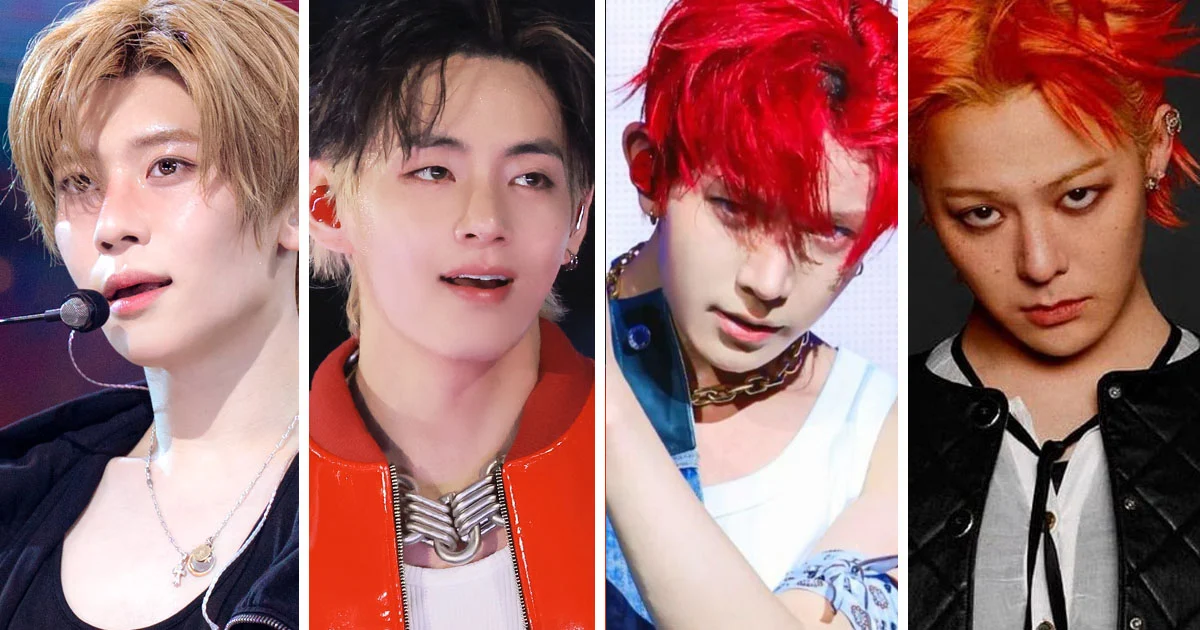
The landscape of the global music industry has undergone a seismic shift with the rise of South Korean pop music, commonly known as K-pop, where the traditional metrics of talent—vocal range and dance technicality—are increasingly supplemented by a more ephemeral quality known as aura. This phenomenon has culminated in the launch of a new international poll designed to crown the Aura Farming King, a title that seeks to quantify the intangible charisma and commanding presence of the industry’s most influential male idols. As the competition opens to a shortlist of over ten premier artists, the initiative underscores the growing importance of "aura" as a form of aesthetic and social capital in the modern entertainment era.
The term aura farming, a piece of contemporary internet slang that has found a permanent home within K-pop discourse, refers to the ability of an individual to consistently project an air of confidence, sophistication, and magnetic mystery. Unlike traditional popularity polls that may focus solely on visual beauty or vocal prowess, this specific categorization prioritizes how an idol carries themselves in various environments, including high-fashion events, live performances, and candid public appearances. The ongoing poll serves as a barometer for current fan sentiment and provides insight into which artists are successfully navigating the transition from musical performers to global cultural icons.
The Socio-Cultural Origins of Aura in the K-Pop Industry
The concept of "aura" in the context of Korean entertainment is not entirely new, but its formalization as a competitive metric is a recent development. Historically, K-pop idols were marketed through the "Gurae" or "Idol Image" system, which emphasized approachability, politeness, and a sanitized perfection. However, as the Hallyu Wave expanded into Western markets, the demand for a more distinct, individualistic "it factor" began to take precedence. This shift mirrors the evolution of the industry from the highly structured Second Generation (e.g., BIGBANG, EXO) to the more globally integrated Fourth and Fifth Generations.
In the contemporary era, an idol’s aura is often synonymous with their "stage presence." This includes their ability to maintain facial expressions that tell a story, their movement through space during a choreography, and their interaction with the camera. Industry analysts suggest that aura has become a vital component of "Brand Reputation," a monthly metric tracked by the Korea Institute of Corporate Reputation. High scores in these rankings often correlate with an idol’s perceived aura, which in turn influences their desirability for luxury brand ambassadorships and international endorsements.
Chronology of Fan Engagement and Voting Evolution
The methodology of determining the industry’s top performers has evolved significantly over the past two decades. In the early 2000s, fan engagement was largely restricted to domestic fan cafes and SMS voting for weekly music programs like M Countdown or Inkigayo. By the 2010s, the rise of Twitter (now X) and Instagram allowed for a more decentralized and international form of recognition.
The current poll for the Aura Farming King represents the latest stage in this chronology, where digital platforms leverage global connectivity to crown winners based on qualitative traits. This specific poll follows a series of high-profile international fashion weeks in Paris and Milan, where K-pop idols were noted for their significant impact on Earned Media Value (EMV). The timeline of these events suggests that the "aura" being voted upon is frequently tied to the idols’ recent appearances as representatives of houses such as Celine, Louis Vuitton, and Versace.
Supporting Data: The Impact of Visual Presence on Market Value
Data from various market research firms indicates that the perceived "aura" of an idol translates directly into economic impact. According to a 2023 report by Launchmetrics, K-pop stars accounted for a substantial percentage of the total EMV generated during global fashion weeks. For instance, when an idol with a high "aura" rating attends a show, the social media engagement can exceed that of traditional Hollywood celebrities by up to 300%.
Furthermore, the "aura" metric is often reflected in the sell-out power of specific artists. Products associated with idols who are perceived to have a strong, effortless charisma often see a "sold-out" status within minutes of an endorsement announcement. This data suggests that the Aura Farming King poll is more than a popularity contest; it is a reflection of consumer trust and the power of personal branding. Digital engagement statistics for the current poll indicate participation from over 100 countries, highlighting the borderless nature of K-pop fandom.
Profiles of Key Contenders and Industry Implications
The shortlist for the title of Aura Farming King includes a diverse array of talent, each representing a different facet of modern charisma. While the specific names in the poll represent the pinnacle of the industry, several archetypes have emerged as frontrunners.
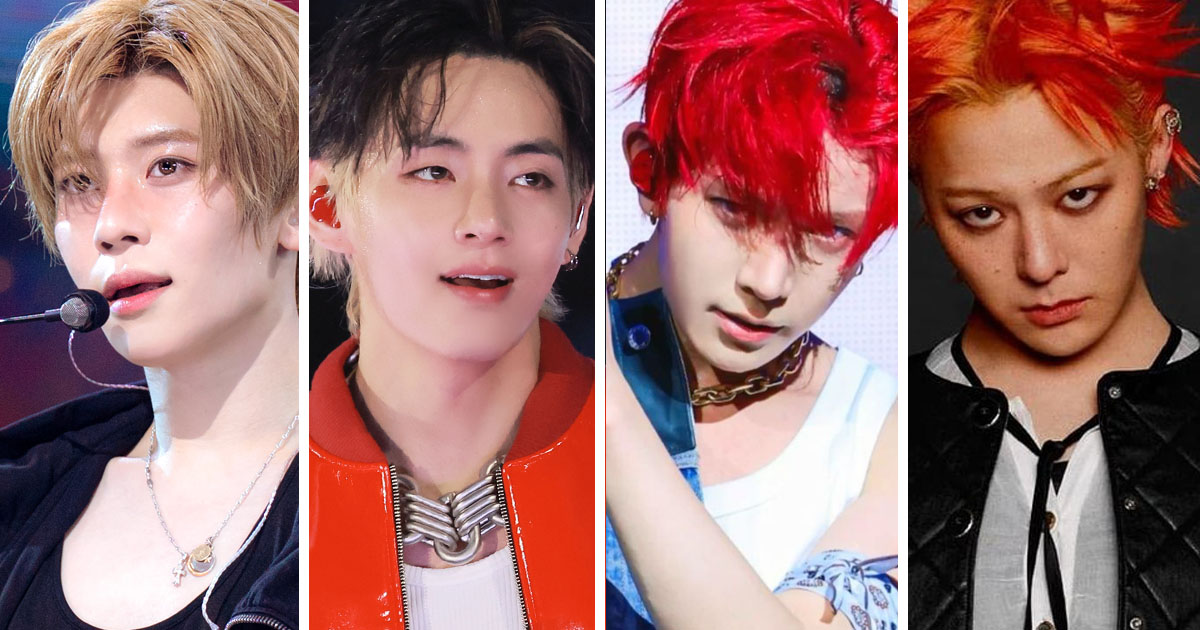
First, there are the "Veterans of Presence," such as members of BTS and EXO. These artists have spent over a decade refining their public personas, moving from the energetic youthfulness of their debuts to a more refined, sophisticated aura that commands respect in any room. Their inclusion in the poll is a testament to the longevity of charisma and how it matures over time.
Second, the "Performance Powerhouses," including members of Stray Kids and ATEEZ, represent a more intense form of aura. These idols are frequently cited for their "demon-like" stage presence—a term used by fans to describe the total immersion and intensity they bring to their performances. Their aura is built on technical skill and the raw energy of their live shows.
Finally, the "Fashion Icons" of the newer generations represent the intersection of music and high aesthetics. These idols have mastered the art of the "visual narrative," using their clothing, posture, and gaze to project a specific image. The implications of this for the industry are profound; agencies are now investing more heavily in "image training" and "concept development" to ensure their artists possess the necessary aura to compete on a global stage.
Official Responses and Fandom Dynamics
While major entertainment agencies such as HYBE, SM, JYP, and YG rarely issue official statements regarding unofficial fan polls, the internal industry response is often visible through the strategic shifts in how these idols are presented. Agencies frequently monitor these polls to gauge which aspects of an idol’s persona are resonating most with the public. If an idol is consistently praised for their "effortless charisma," future marketing campaigns are likely to lean into that specific trait.
Fandoms, on the other hand, view these polls as a critical tool for advocacy. In the competitive world of K-pop, securing a title like Aura Farming King serves as "social proof" that can be used to promote the idol to a wider audience. The psychological aspect of these polls involves a collective effort to validate the artist’s hard work and intrinsic qualities. Social media reactions to the poll have been characterized by a mix of competitive fervor and analytical discussion, with fans sharing "aura-heavy" clips and photos to support their chosen candidate.
Analysis of Broader Implications for the Global Entertainment Industry
The rise of the "aura" metric signifies a broader trend in global entertainment where the "vibe" or "aesthetic" of a celebrity is as important as their tangible output. In an age of short-form content like TikTok and Instagram Reels, the ability to capture an audience’s attention in a matter of seconds is paramount. An idol with a strong aura can achieve this through a single look or a specific gait, making them highly efficient "content drivers" in the digital economy.
Moreover, the Aura Farming King poll highlights the democratization of celebrity status. By allowing fans to define and vote on a trait as subjective as aura, the industry is moving away from top-down star-making toward a more collaborative process between artists, agencies, and consumers. This shift has implications for how future stars will be scouted and trained; the "it factor" is no longer just a bonus but a fundamental requirement for global success.
Conclusion: The Future of Aesthetic Capital in K-Pop
As the poll continues to gather votes from around the world, the search for the Aura Farming King remains a focal point of discussion within the Hallyu community. The results will likely serve as a benchmark for the next wave of K-pop marketing, emphasizing the need for artists to develop a unique and commanding presence that transcends language barriers.
In the final analysis, "aura" is the ultimate expression of an artist’s brand. It is the sum total of their confidence, their style, and their ability to connect with an audience on a visceral level. Whether the title goes to a seasoned veteran or a rising star, the competition underscores a fundamental truth about the modern entertainment landscape: in a world saturated with content, the ability to command a room without saying a word is the most valuable currency an artist can possess. The crowning of the Aura Farming King will not only celebrate an individual’s charisma but will also signal the continued evolution of K-pop as a sophisticated, multi-dimensional cultural force.