Johan Budi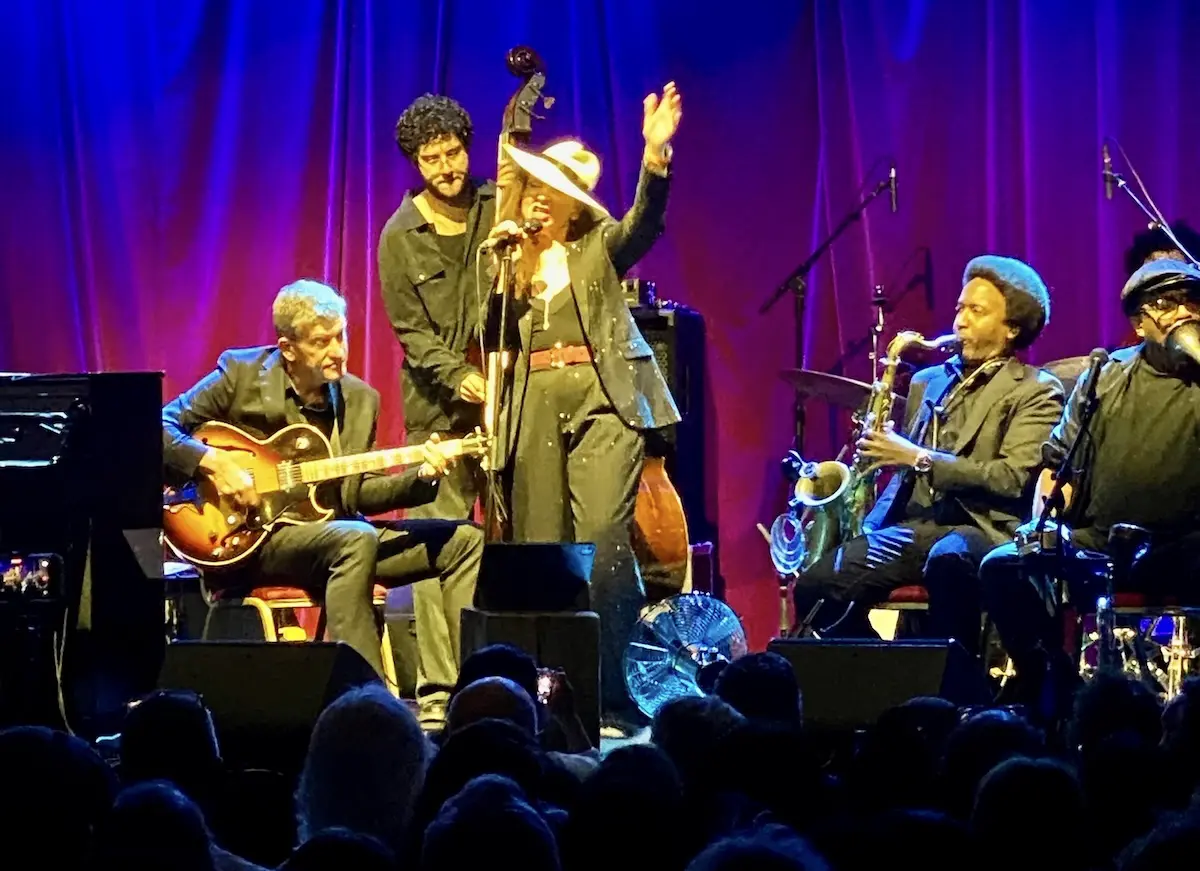
The live performance of Judith Owen and her ensemble, The Callers, at London’s Bush Hall on June 1, 2016, marked a significant milestone in the artist’s recent touring cycle, signaling a successful transition from intimate club settings to larger, historic concert venues. This appearance followed a previous engagement at the Pizza Express Jazz Club in Holborn less than four months prior, showcasing Owen’s ability to command an audience four times the size of her previous London booking. Despite the challenges posed by a regional heatwave and a shift in venue geography from Central to West London, the event drew a capacity crowd, underscoring the artist’s growing momentum within the contemporary jazz and rhythm-and-blues circuits.
The transition from the 100-seat Pizza Express to the 400-seat Bush Hall represented a strategic expansion for Owen. Located on Uxbridge Road, Bush Hall is a venue noted for its Edwardian architecture and acoustic properties, often serving as a mid-sized stepping stone for artists moving toward major theater tours. The move was seen by industry observers as a test of Owen’s draw, particularly given the unseasonable weather conditions that historically impact indoor event attendance in the United Kingdom.
Personnel Adjustments and Ensemble Dynamics
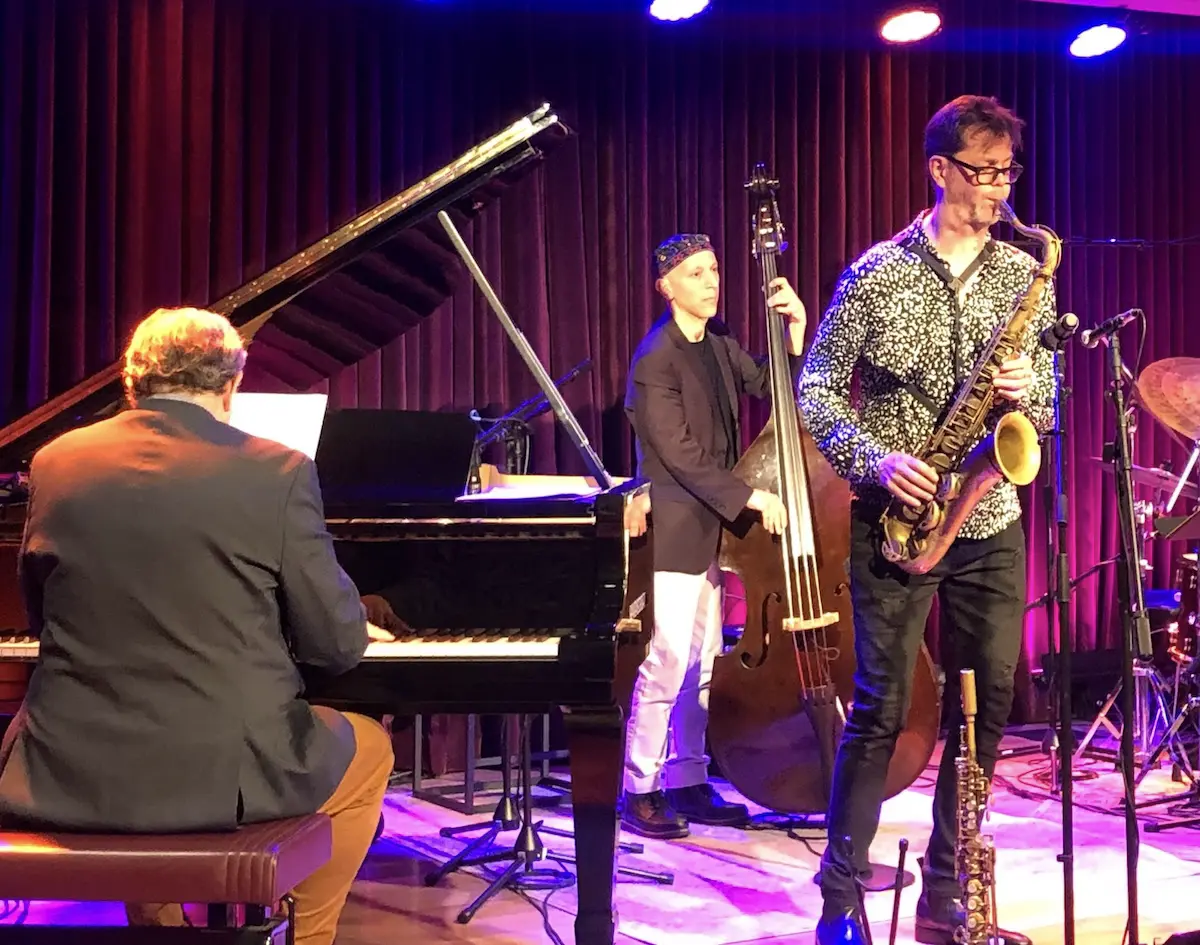
The Callers, an ensemble composed primarily of musicians hailing from New Orleans, Louisiana, underwent minor but impactful personnel changes for this leg of the tour. While the core of the group remained consistent with previous performances, the rhythm section saw the introduction of Pedro Segundo on drums, replacing Jamison Ross. The ensemble was further augmented by the addition of Dave Blenkhorn on guitar, adding a new layer of harmonic texture to the arrangements.
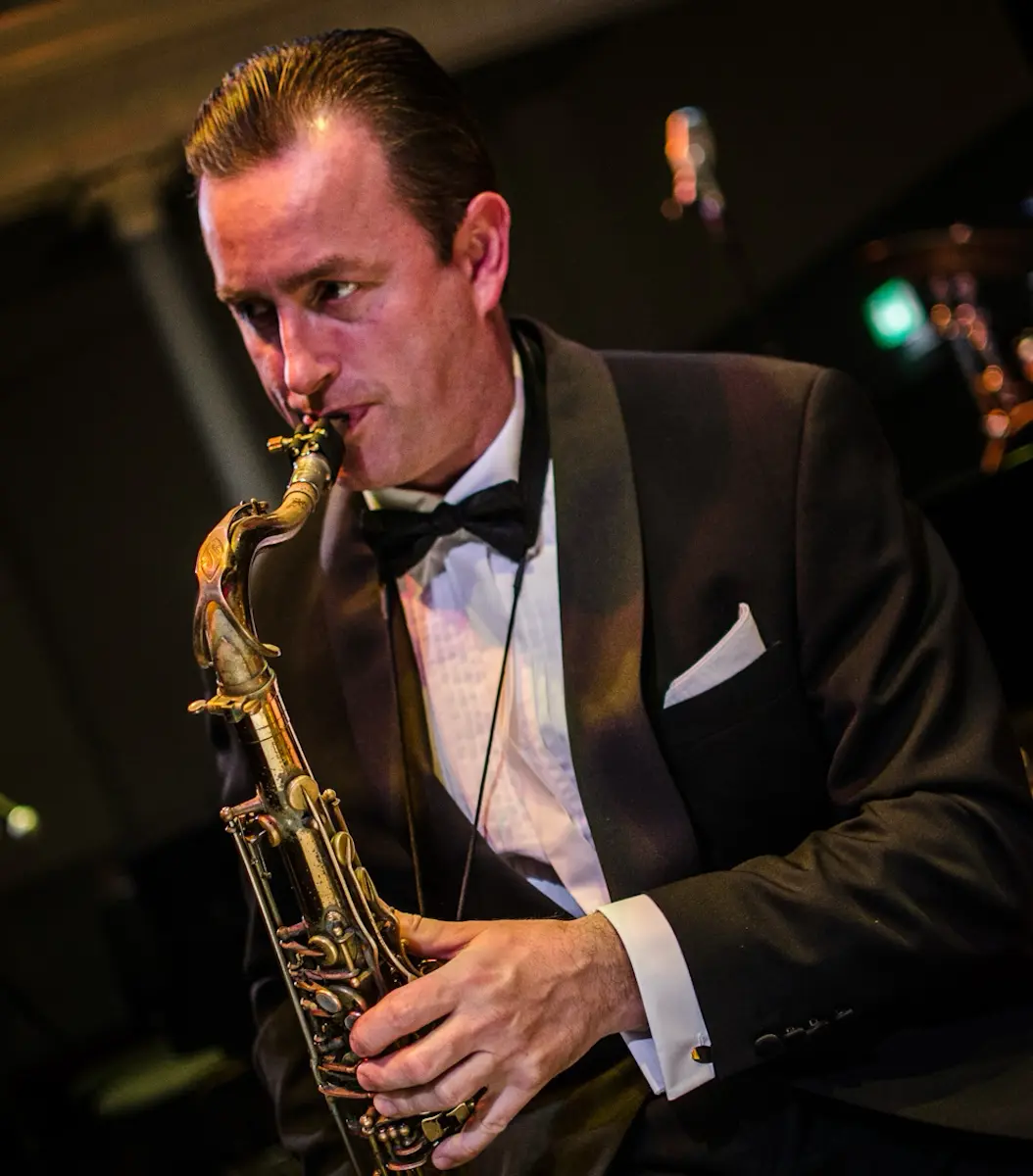
The remaining members of the front line and rhythm section included David Torkanowsky on piano, Lex Warshawsky on bass, Kevin Louis on trumpet, and Ricardo Pascal on tenor saxophone. This group of musicians, deeply rooted in the New Orleans tradition, provided a sophisticated backdrop for Owen’s vocal delivery. The synergy between the New Orleans-based instrumentalists and Owen, a Welsh-born singer-songwriter, highlights a unique transatlantic collaboration that blends traditional jazz sensibilities with contemporary songwriting.
Musical analysts point to the importance of the New Orleans influence in Owen’s current repertoire. The city’s distinct "second line" rhythms and brass-heavy arrangements have become a hallmark of her live sound. The inclusion of Torkanowsky, a veteran of the New Orleans music scene, ensures an authentic execution of these styles, while the horn section provides the necessary punch for the more blues-oriented numbers in the setlist.
Performance Chronology and Setlist Evolution
The evening commenced with a notable display of audience enthusiasm, with a queue forming well before the scheduled door-opening time. Reports from the venue indicated that attendees had traveled from as far as Chester to attend the performance, suggesting a dedicated fan base that extends beyond the immediate London metropolitan area.
Upon taking the stage, Owen and The Callers were met with an immediate standing ovation, a rare occurrence for a headlining act prior to the commencement of the musical program. The setlist was a curated mix of original compositions and reimagined covers, many of which had been refined during the earlier Pizza Express residency.
- Opening Numbers: The performance began with high-energy arrangements that encouraged immediate audience participation. By the second song, Owen had successfully engaged the crowd in rhythmic accompaniment, a feat usually reserved for the latter half of a jazz performance.
- Featured Originals: Key tracks such as "Blossoms" and "To Your Door" were performed with the full weight of the six-piece ensemble. These pieces showcased Owen’s ability to weave personal narratives into a jazz-pop framework.
- Reimagined Classics: The middle of the set featured Owen’s distinctive takes on well-known standards and pop hits. Her renditions of Bobby Timmons’ "Moanin’," Robert Palmer’s "Addicted To Love," and the Screamin’ Jay Hawkins classic "I Put A Spell On You" were highlights of the evening. These covers are noted for their departure from the original arrangements, often slowed down or infused with a sultry, blues-inflected jazz sensibility.
- Instrumental Variation: Mid-way through the first set, Owen shifted to the piano, demonstrating her proficiency as a multi-instrumentalist. A minimalist arrangement of "Blue Skies," featuring only bass, guitar, piano, and voice, provided a momentary contrast to the fuller ensemble sound, highlighting the nuances of her vocal range.
Demographic Data and Audience Composition
A notable aspect of the Bush Hall performance was the diverse demographic makeup of the audience. Observers noted a wide spectrum of ages, ranging from late teens to older generations, as well as a significant mix of ethnic backgrounds. This broad appeal is relatively uncommon in the traditional jazz genre, which often skews toward an older demographic.
The ability to attract a diverse crowd is attributed to Owen’s genre-blurring style. By incorporating elements of folk, pop, and rhythm and blues into her jazz foundation, she appeals to a wider audience than a purist jazz artist might. The "Crowd Pleaser Absolute" (C.P.A.) designation, an informal industry term used to describe artists with high engagement metrics, was applied to Owen following the event’s success.
The presence of repeat attendees—individuals who had seen the show in February and returned for the June performance—indicates high "stickiness" in Owen’s marketing and performance strategy. This loyalty is a critical metric for promoters looking to scale artists into larger venues like the Royal Albert Hall or international festival circuits.
Contextual Analysis: The New Orleans Connection
The success of the Bush Hall performance can be partially analyzed through the lens of the "New Orleans Brand" in the UK music market. New Orleans music has historically enjoyed a prestigious reputation in Britain, but Owen’s approach modernizes this connection. Rather than presenting a "museum piece" of Dixieland or traditional jazz, she uses the New Orleans musicians to provide a gritty, soulful foundation for contemporary lyrics.
The logistical feat of touring a six-piece ensemble of international musicians is substantial. The consistency of the lineup, despite the minor change in the drum chair, allows for a level of musical telepathy that is often missing in "pick-up" bands. This stability is reflected in the tight execution of eight-bar breaks and improvisational sections, which were met with spontaneous applause throughout the night.
Broader Implications and Future Trajectory
The June 1 performance serves as a precursor to Owen’s broader UK and European engagements. Following the London date, the tour moved to Cardiff on June 4, a performance that was confirmed as a sell-out prior to the band’s arrival. The cultural exchange between the New Orleans aesthetic and Welsh heritage (Owen’s own background) has been a point of interest for critics, often described as a "Gumbo meets Lava Bread" fusion.
The implications for Owen’s career trajectory are positive. Successfully filling a 400-seat venue during a heatwave suggests that her brand is resilient to external factors. From a business perspective, the increase in venue capacity and the diversity of the audience provide a strong case for increased investment in her future recording projects and larger-scale international tours.
Furthermore, the performance at Bush Hall reinforces the venue’s status as a critical node in the London music scene for artists transitioning from "emerging" to "established." The venue’s ability to host a high-fidelity jazz performance while maintaining a rock-and-roll atmosphere contributes to the unique energy observed during Owen’s set.
In conclusion, Judith Owen and The Callers have demonstrated that the appetite for sophisticated, ensemble-driven jazz remains strong in the UK. By combining world-class musicianship from New Orleans with a versatile repertoire and a charismatic stage presence, Owen has solidified her position as a significant figure in the contemporary jazz-pop landscape. The success of the London residency and the subsequent sell-out in Cardiff point toward a continued upward trend for the artist and her ensemble.