Kholidah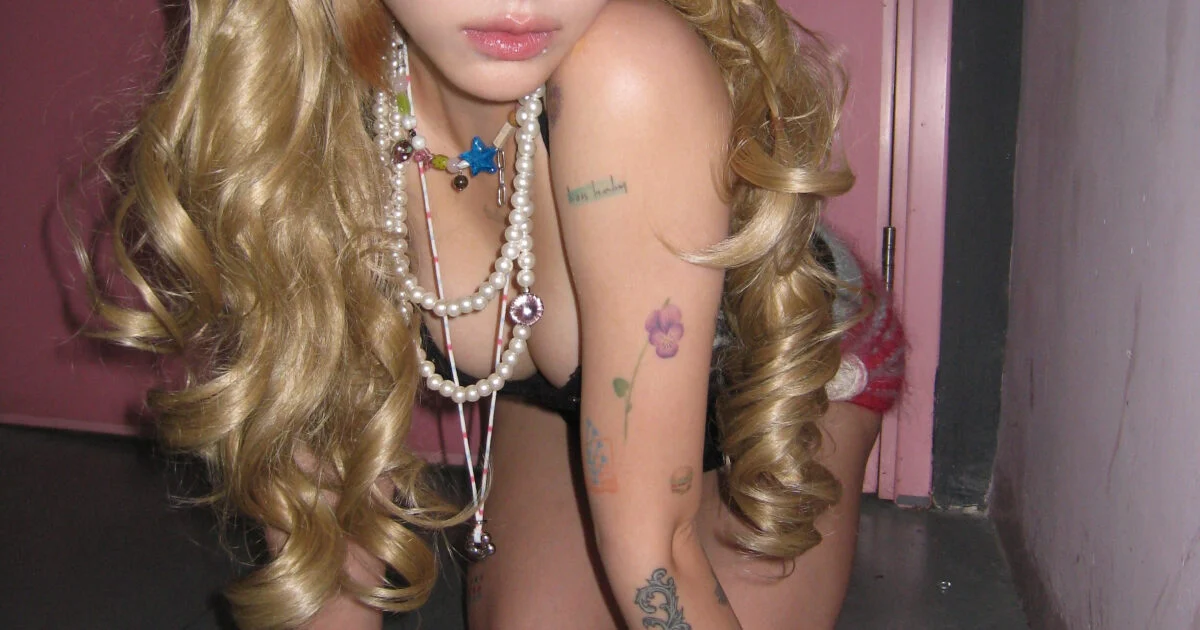
On September 26, 2026, former AOA member and solo artist Jimin captured significant public and media attention following a series of social media updates documenting her Chuseok holiday excursion in Hong Kong. The artist, known for her distinctive stage presence and evolving aesthetic, utilized her platform to share a curated set of images that showcased both her current fashion sensibilities and her characteristic experimental approach to visual content. The imagery, which quickly circulated across various digital platforms, underscored the continued relevance of K-pop idols in the global fashion sphere, even as they transition from group-based activities to independent career paths.
Contextualizing the Chuseok Holiday in Contemporary K-Pop
Chuseok, often referred to as the Korean equivalent of Thanksgiving, is one of the most significant traditional holidays in Korea. Traditionally, it is a time for family reunions, ancestral rites, and the consumption of seasonal foods. However, for K-pop artists, the holiday has increasingly become a period for personal reflection, brief international travel, and curated social media engagement.
In recent years, the industry has seen a shift in how idols spend this downtime. While historically artists were expected to prioritize domestic family commitments, modern talent management strategies now often facilitate international travel for personal branding opportunities. Jimin’s decision to celebrate the holiday in Hong Kong—a global fashion hub—aligns with a broader trend of idols leveraging travel to cultivate a high-fashion, worldly image that resonates with a globalized fan base.
Visual Analysis and Fashion Choices
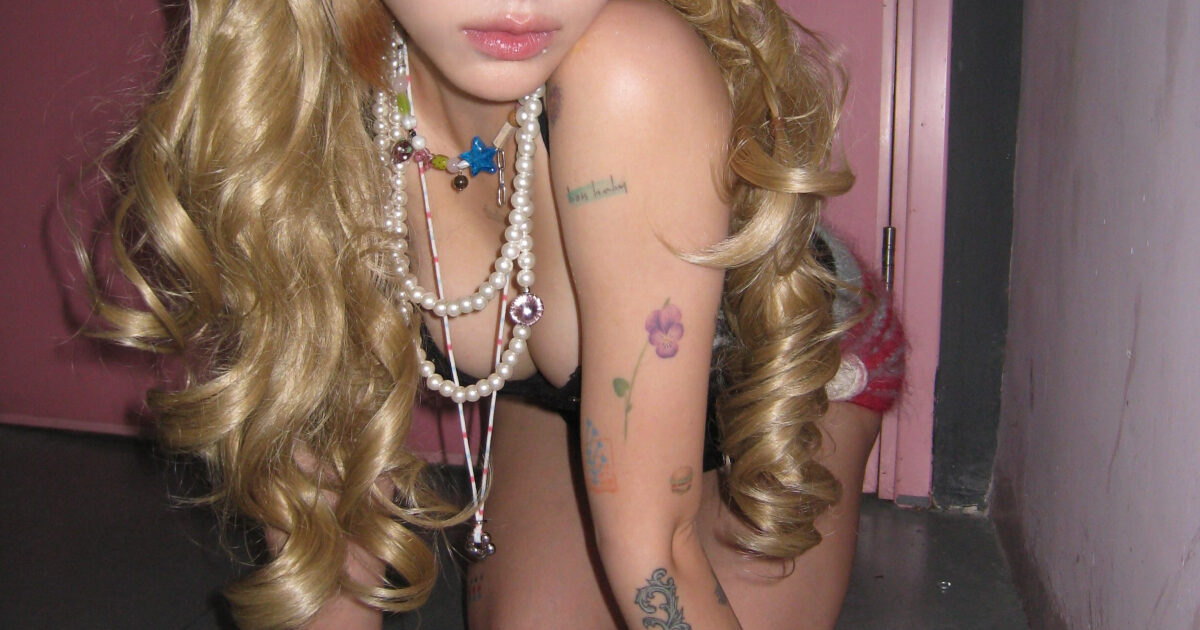
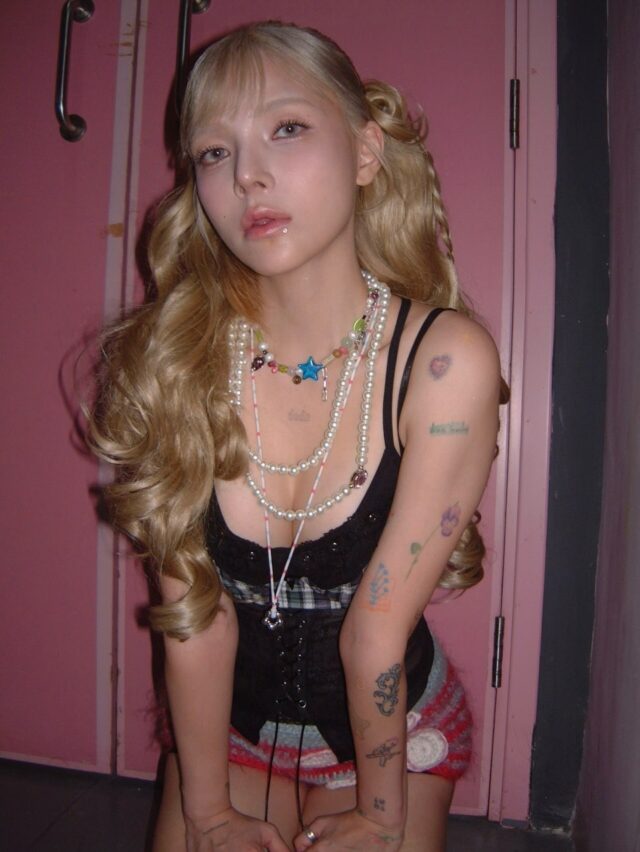
The series of photographs uploaded by Jimin featured a cohesive, edgy aesthetic. The artist was captured in a black top paired with short knit bottoms, a choice that reflects current trends in minimalist but textured streetwear. Her styling was defined by a deliberate juxtaposition of elements: the youthful, playful tone of her blonde wavy hair—tied into dual side-styles—contrasted with the more mature and sophisticated layering of multiple pearl necklaces and ornate rings.
Furthermore, the inclusion of visible arm tattoos added a layer of personal branding that deviates from the more conservative styling often enforced during the earlier years of her career with AOA. By showcasing these tattoos in a high-fashion context, Jimin is part of a growing cohort of Korean celebrities who are normalizing body art as a legitimate component of personal expression rather than a deviation from professional standards. The decision to shoot in diverse urban locations, including a notable sequence in front of a contrasting pink door, served to highlight her ability to adapt to different visual environments, maintaining a consistent, unique "vibe" despite varying backdrops.

Chronology of Jimin’s Career Evolution
To understand the current public reception of Jimin’s styling, it is necessary to examine her career trajectory. Jimin rose to prominence as the leader and primary rapper of the girl group AOA, which debuted in 2012 under FNC Entertainment. Throughout the mid-2010s, AOA solidified its status as one of the most recognizable groups in the industry, characterized by a series of commercially successful singles.
Jimin’s personal brand during the group’s peak was centered on her sharp rapping skills and a "tough" stage persona, which contrasted with the group’s more conventional feminine concepts. Following her departure from AOA and a period of hiatus, her return to the industry as a solo artist has been marked by a deliberate departure from the idol-group mold. Her solo work has focused on more intimate, experimental music, and her public image has undergone a parallel transformation. The Hong Kong photo series serves as a case study in this transition: she is no longer bound by the rigid stylistic requirements of a group concept, allowing her to lean into more avant-garde and personalized fashion choices.
The Role of Social Media in Idol Branding
Social media platforms, particularly Instagram, have become the primary vehicles for maintaining relevance in the post-pandemic K-pop landscape. For an artist like Jimin, these platforms serve as a direct line of communication with fans, bypassing traditional media gatekeepers. The engagement levels on her Chuseok photos suggest that her core audience remains highly invested in her aesthetic choices.
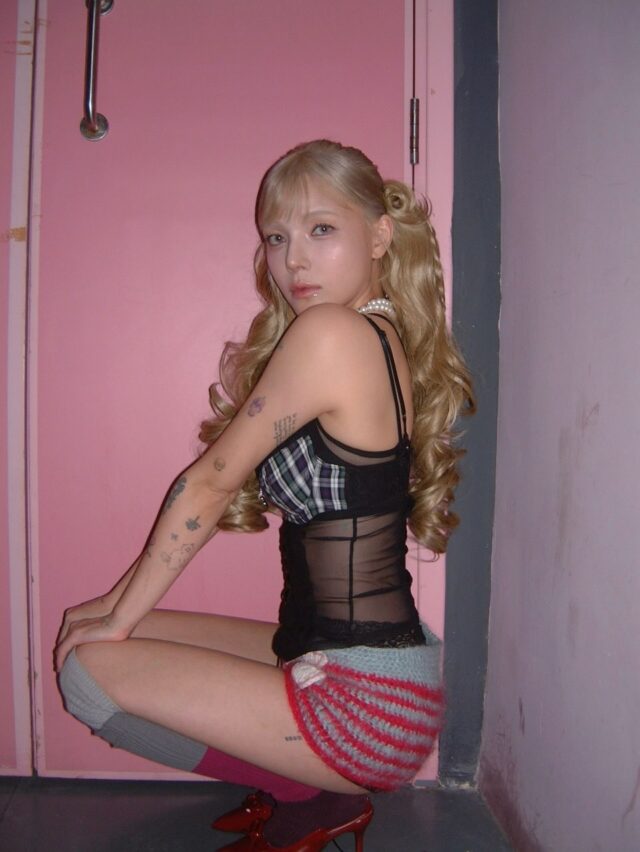
From a sociological perspective, the "bold poses" noted in the initial reports are significant. In the context of Korean entertainment, where idols are often encouraged to maintain a "polite" or "guarded" image, the adoption of unconventional, slightly rebellious, or high-fashion-editorial-style posing acts as a signal of agency. It communicates that the artist is in control of her image and is no longer operating under the restrictive image-making processes common in early-career idol training.
Analytical Implications: Fashion and Identity
The fashion industry has recognized the influence of K-pop stars for some time, with many idols serving as global ambassadors for luxury brands. While Jimin’s recent posts may not be tied to a formal sponsorship deal, they illustrate the standard of "lifestyle marketing" that has become essential for modern celebrities. The layering of pearls and the specific choice of knit textures reflect an awareness of high-end editorial standards.
Furthermore, the choice of Hong Kong as a backdrop is strategically sound. Hong Kong remains a critical cultural touchpoint in Asia, representing a blend of traditional Chinese culture and colonial-era urban development, which provides a rich visual texture for photography. By placing herself in this environment, Jimin elevates the "holiday photo" genre to the status of professional street-style photography.
Industry and Public Reaction
While official statements from talent agencies regarding personal holiday photos are rare, the resonance of these images can be measured through secondary market indicators: fan engagement metrics, media pickup, and influence on retail trends. Historically, when high-profile K-pop figures adopt specific styling—such as the layering of pearl jewelry—it frequently leads to an uptick in demand for similar accessories among younger demographics in South Korea and abroad.
Industry observers note that the shift toward "authentic" expression is a key driver for long-term career sustainability for solo artists. By opting for an aesthetic that feels more representative of her personal growth rather than a pre-packaged idol concept, Jimin effectively strengthens the parasocial bond with her fanbase. This bond is built on the perception that the artist is living a life that is both aspirational and relatable.
Broader Impact on the K-Pop Landscape
The trajectory of Jimin’s solo career mirrors the broader maturation of the K-pop industry. As the first and second generations of idols transition into their 30s, the industry is seeing a shift in what is considered "appropriate" or "successful" for a pop star. The focus is moving away from purely performance-based metrics toward a model that encompasses lifestyle curation, fashion influence, and independent artistic voice.

This evolution is not without its challenges. Artists who deviate from the "ideal" idol image often face scrutiny from more traditionalist sectors of the public. However, the overwhelmingly positive engagement with Jimin’s recent content suggests that the modern fan base is increasingly supportive of, and indeed demanding, a more nuanced and personal representation of their favorite artists.
Conclusion: A New Era of Agency
The images shared from Hong Kong represent more than just a holiday update; they are a manifestation of an artist who has successfully navigated the transition from group member to individual brand. By utilizing bold styling, challenging conventional posing standards, and leveraging her social media platform to curate a high-fashion narrative, Jimin continues to occupy a distinct space in the competitive landscape of Korean entertainment.
As she continues her journey as a solo artist, the public can expect further explorations of this aesthetic. Her ability to pivot between different visual identities—ranging from the playful to the sophisticated—will remain a core component of her appeal. In an industry that often prioritizes consistency, Jimin’s willingness to experiment serves as a reminder that the most enduring artists are those who evolve alongside their audience, refusing to be defined by the limitations of their past. The Hong Kong holiday, while brief, serves as a significant milestone in this ongoing process of self-definition, signaling to the industry that Jimin is fully in control of her creative and public-facing trajectory.