Lana Akmaluna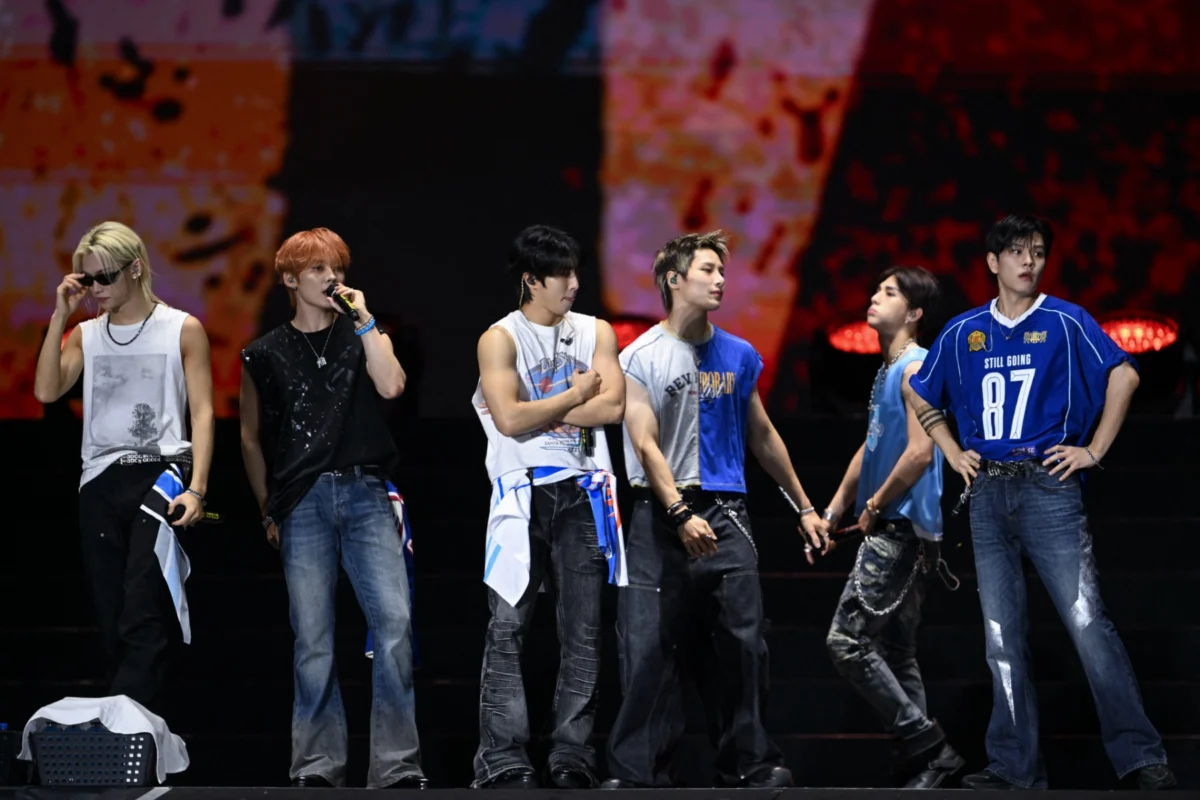
The intersection of international diplomacy and the global Hallyu wave took an unexpected turn in Mexico City this week, culminating in a public clarification from Mexican President Claudia Sheinbaum regarding a reported meeting between her administration and the South Korean K-pop supergroup Stray Kids. The events unfolded against the backdrop of an official state visit by South Korean President Lee Jae Myung, highlighting the increasingly prominent role that cultural exports and soft power play in contemporary bilateral relations between Mexico and South Korea.
Official State Visit and Bilateral Agenda
The diplomatic engagements began as part of a high-profile state visit by South Korean President Lee Jae Myung to Mexico. The core diplomatic agenda at the National Palace in Mexico City was designed to foster robust economic cooperation, with primary focuses on international trade, bilateral investments, and the continuous expansion of South Korean cultural content throughout Latin America.
President Sheinbaum had initially previewed the visit during her routine morning press conference on Thursday, September 24. Addressing reporters, she confirmed that members of Stray Kids were scheduled to participate in the high-level diplomatic proceedings at the presidential headquarters. In her remarks, Sheinbaum drew comparisons to the legendary K-pop group BTS, who had engaged in similar state-level recognition earlier in the year, characterizing Stray Kids as a younger cohort in the global phenomenon of K-pop.
However, the anticipated rendezvous at the National Palace did not materialize as initially announced. By Thursday afternoon, subsequent reports and official acknowledgments revealed a mix-up in the scheduling and expectations. President Sheinbaum later clarified that she had operated under the assumption that the members of Stray Kids would personally accompany President Lee Jae Myung during his official arrival at the presidential residence, a misunderstanding that quickly drew intense media scrutiny from both domestic outlets and international entertainment press.
Chronology of Events
The unfolding narrative captivated fans—collectively known as STAY—and political analysts alike over a span of several days:
- May 2026: Global K-pop giants BTS visited Mexico City, greeting tens of thousands of fans from the balconies of the National Palace and highlighting the massive demographic reach of South Korean music in Latin America.
- September 12, 2026: Stray Kids performed a high-energy set during the final week of the Rock in Rio music festival at the Rio 2016 Olympic Park in Rio de Janeiro, Brazil, cementing their status as a dominant touring force in Latin America.
- September 24, 2026 (Morning): President Claudia Sheinbaum announced during her daily press conference that Stray Kids were expected to attend the bilateral meetings at the National Palace alongside South Korean President Lee Jae Myung.
- September 24, 2026 (Later): President Sheinbaum publicly clarified the scheduling confusion, admitting she had incorrectly anticipated that the group would accompany the South Korean head of state directly into the presidential headquarters.
- September 25–26, 2026: Stray Kids are scheduled to perform two consecutive arena shows at the Estadio GNP Seguros in Mexico City as part of their ongoing international touring schedule.
Socioeconomic Impact and Cultural Diplomacy
The confusion surrounding the presidential visit underscores the profound influence of the "Korean Wave," or Hallyu, in Latin America. President Sheinbaum emphasized during her briefings that the widespread success of South Korean music, cinema, and television has served as a powerful bridge connecting Mexican and Korean youth.
In a tangible gesture of cultural outreach tied to the group’s presence in the capital, the Mexican government announced plans to distribute ten complimentary tickets to children from low-income families. These tickets for the Friday concert at Estadio GNP Seguros were channeled through the National System for Integral Family Development (DIF), ensuring that youth who might otherwise be priced out of major international entertainment events could experience the performance firsthand. When queried by press regarding the feasibility of a large-scale, free public concert in Mexico City’s historic Zócalo—similar to previous high-profile public gatherings hosted in the country’s primary public square—the administration maintained an open stance, leaving logistical possibilities open for future consideration.
Precedents in Mexico-Korea Relations
The diplomatic mix-up follows a series of notable interactions between the Mexican federal government and the South Korean entertainment sector. Earlier in the year, high demand and complex ticketing procedures for BTS concerts at the same venue, Estadio GNP Seguros, sparked significant consumer controversy. The situation prompted the Mexican government to intervene formally, demanding increased transparency from Ticketmaster Mexico regarding ticket sales and allocation processes. Furthermore, President Sheinbaum had previously addressed a direct letter to South Korean leadership requesting expanded tour dates and concert accessibility for Mexican fans.
Concurrently, major entertainment conglomerates are formalizing their physical and operational footprint in the region. HYBE, the South Korean entertainment powerhouse managing premier acts including BTS and various other global artists, has initiated local operations in Mexico. This structural expansion includes establishing proprietary infrastructure, specialized localized teams, and talent development initiatives tailored to Latin American markets, signaling a long-term commitment to integrating the region into the global entertainment supply chain.
Broader Implications for Entertainment and Statecraft
The incident highlights a growing trend wherein pop culture icons are frequently integrated into traditional state diplomacy. As entertainment conglomerates expand their operational reach into Latin America, artists increasingly function as cultural ambassadors, facilitating trade discussions and fostering international goodwill.
While the anticipated National Palace appearance did not occur as initially broadcast, the episode ultimately served to amplify the visibility of Stray Kids’ current tour stop in Mexico City. With back-to-back performances at Estadio GNP Seguros drawing massive crowds, the group continues to demonstrate the formidable commercial viability and cultural resonance of K-pop in Latin America, ensuring that the dialogue between government bodies and the entertainment industry will remain robust for the foreseeable future.