 Indra Aziz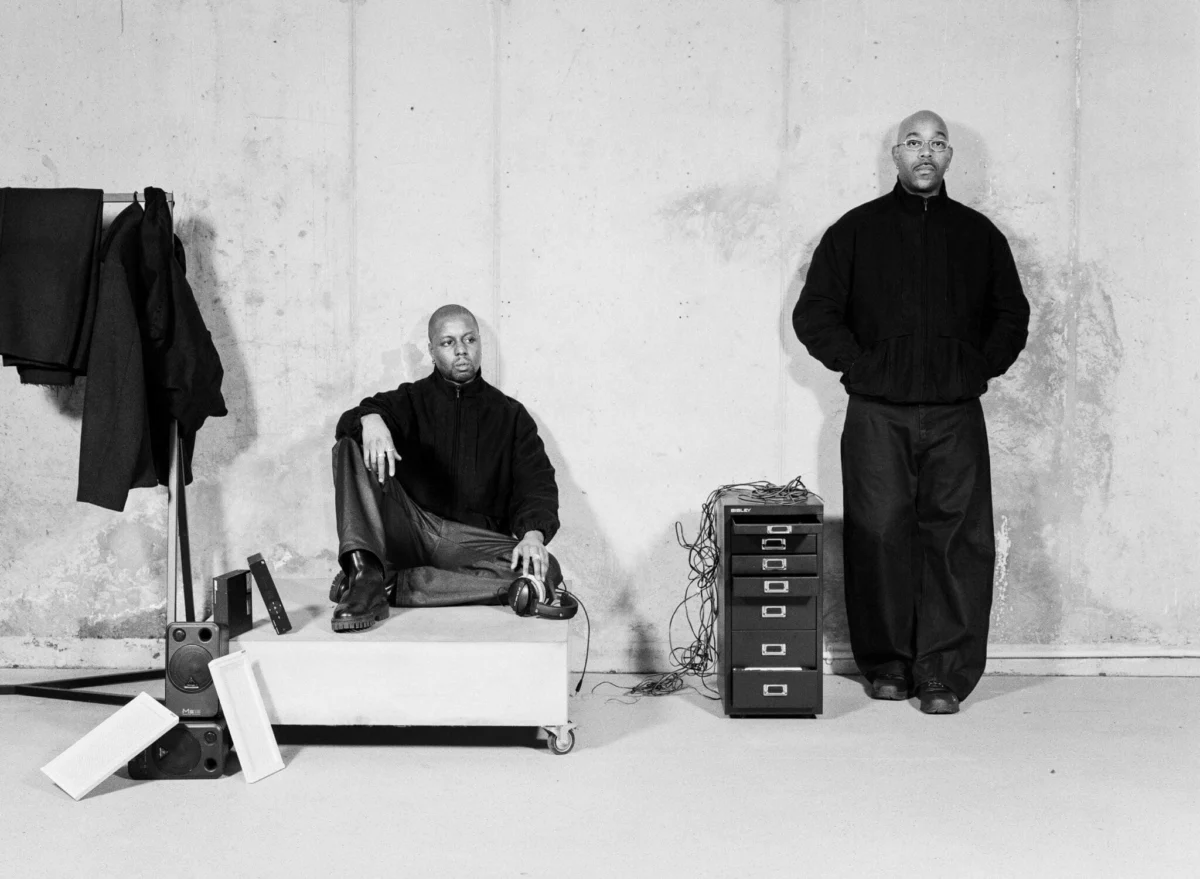
Manchester/Berlin-based electronic duo Space Afrika, comprising Joshua Tarelle Reid and Joshua Inyang, has unveiled their latest single, "MLN," a compelling track that showcases a significant evolution in their sonic identity. Released today, "MLN" serves as a potent preview of their forthcoming LP, "Quiet Storm," slated for release on September 25th via Dais Records. This new offering marks a departure from the duo’s earlier industrial-noir soundscapes, embracing a more emotionally resonant and collaboratively driven artistic direction.
A Tapestry of Sound and Collaboration
"MLN" is characterized by its rich and intricate sonic architecture. The track masterfully interweaves rugged, "grizzled" guitar passages with a lush, string-laden symphony. This dynamic interplay creates a captivating textural landscape, providing a fertile ground for the filtered, fluttering vocals of British-Nigerian artist Tony Njoku. Njoku’s distinctive voice adds an ethereal and introspective layer, enhancing the track’s emotional depth.
The single’s emphasis on collaboration is a central theme, as evidenced by the diverse roster of contributing artists. Gabriel Evans lends his talents to the guitar and lead bass, providing a foundational rhythmic and melodic anchor. PIKE, a drummer from London, delivers a nuanced and dynamic percussive performance. Adding further depth and complexity, GB (Gustav B) from Copenhagen contributes on keys and strings, weaving intricate melodic lines and harmonic textures throughout the composition. This collective approach underscores Space Afrika’s commitment to a co-creative process, allowing a multitude of artistic voices to converge within their vision.
Reflecting on Identity and Artistic Evolution
Joshua Tarelle Reid elaborated on the conceptual underpinnings of "MLN" and the broader artistic direction of "Quiet Storm." He stated, "We challenged ourselves and our own notions of identity, around class and diaspora, and how that is represented across musical genres. We wanted to show the characteristics of our project through the people we chose to work with." This statement highlights a conscious effort to explore themes of belonging, heritage, and the multifaceted nature of identity through their music. The selection of collaborators, each with their unique backgrounds and artistic expressions, becomes a deliberate act of sonic storytelling, reflecting the complexities of diaspora and cultural intersectionality.
Joshua Inyang further articulated the duo’s artistic philosophy, emphasizing authenticity and emotional honesty. "We’ve stayed true to ourselves. It’s music from the heart. It’s music that has a particular rawness to it, but we’ve articulated that in a more modern classic structure, there’s a much more critical pronunciation of techniques," Inyang remarked. He continued, "It’s a collaborative record because there is always strength and love in collaboration. But with that, we were able to focus more strongly on our personal identity." This dual emphasis on collaborative strength and individual artistic focus suggests a mature understanding of how shared creative endeavors can paradoxically lead to a deeper self-discovery and a more refined personal artistic voice. The "modern classic structure" and "critical pronunciation of techniques" hint at a sophisticated approach to composition and production, balancing raw emotion with technical precision.
"Quiet Storm": A Cathartic Suite of Abstraction
"MLN" serves as a compelling indicator of the thematic and sonic territory explored on "Quiet Storm." The forthcoming LP is described as a "moving suite of cathartic abstraction," signifying a departure from the more rigid, industrial frameworks of their previous works. Space Afrika is moving towards a more fluid and emotionally expansive sound, embedding their "coming-of-age story" within a series of evocative sonic explorations.
Thematically, the songs on "Quiet Storm" are said to allude to spirituality and the human condition. They delve into the inherent tensions that exist within individuals and society, such as the delicate balance between boldness and softness, the relentless pursuit of ambition, and the persistent presence of inner demons. This introspective and philosophical approach suggests an album that is both deeply personal and universally relatable, offering listeners a space for reflection and emotional processing. The album’s title, "Quiet Storm," itself evokes a sense of powerful, internal forces brewing beneath a calm surface, mirroring the complex emotional landscapes the duo aims to explore.
Visualizing the Sound: An Experimental Film
Complementing the release of "MLN" is a four-minute experimental film directed by Tony Helal. Shot at the historic Musikbrauerei in Berlin, the film offers a visual interpretation of the track’s sonic and emotional dimensions. The choice of location, a former brewery, likely imbues the film with a sense of history, industrial decay, and urban resilience, elements that may resonate with Space Afrika’s sonic aesthetic. The collaboration with Helal further reinforces the duo’s commitment to multidisciplinary artistic expression, extending their narrative beyond auditory experience into the visual realm. The film is available for viewing alongside the single, providing an immersive experience for fans.
Chronology and Release Details
The release of "MLN" marks a significant milestone in Space Afrika’s artistic journey. The track acts as the first prominent offering from "Quiet Storm," building anticipation for the full album.
- Present Day: Release of the new single "MLN" by Space Afrika.
- September 25th: Scheduled release date for the full LP "Quiet Storm" via Dais Records.
- Past Works: Space Afrika previously established their sonic identity through albums that leaned towards industrial-noir frameworks, setting the stage for their current evolution.
Broader Implications and Artistic Significance
The shift in Space Afrika’s artistic direction, as exemplified by "MLN" and the impending "Quiet Storm" album, signifies a growing trend among artists to move beyond genre confines and explore more personal and thematic depths. In an era where sonic experimentation is increasingly valued, their embrace of collaboration and introspection positions them as artists at the forefront of contemporary electronic music. The emphasis on themes of identity, class, and diaspora also resonates with broader societal conversations, making their music not only an artistic endeavor but also a form of cultural commentary.
The successful integration of diverse instrumentalists and vocalists like Tony Njoku, Gabriel Evans, PIKE, and GB demonstrates a sophisticated understanding of how to harness individual talents to create a cohesive and powerful artistic statement. This collaborative model is increasingly recognized as a source of innovation and richness in the music industry, fostering cross-pollination of ideas and breaking down traditional silos.
The visual component, the experimental film, further enhances the impact of "MLN" by providing a complementary artistic experience. This integration of visual and auditory elements is a hallmark of modern artistic presentation, appealing to a wider audience and offering a more profound engagement with the artist’s work.
Space Afrika’s evolution from their earlier sound to the more emotionally charged and collaborative approach of "MLN" and "Quiet Storm" suggests a mature and ambitious artistic trajectory. The duo’s willingness to confront complex themes of identity and the human condition, while simultaneously pushing the boundaries of their sonic palette, positions them as vital voices in the contemporary music landscape. The upcoming release of "Quiet Storm" is therefore highly anticipated, promising a deeply resonant and artistically significant body of work.
The photo credit for the single’s promotional material is attributed to Timon Benson, highlighting the collaborative network that supports Space Afrika’s artistic endeavors.