
 Muhammad Ibadurrohman
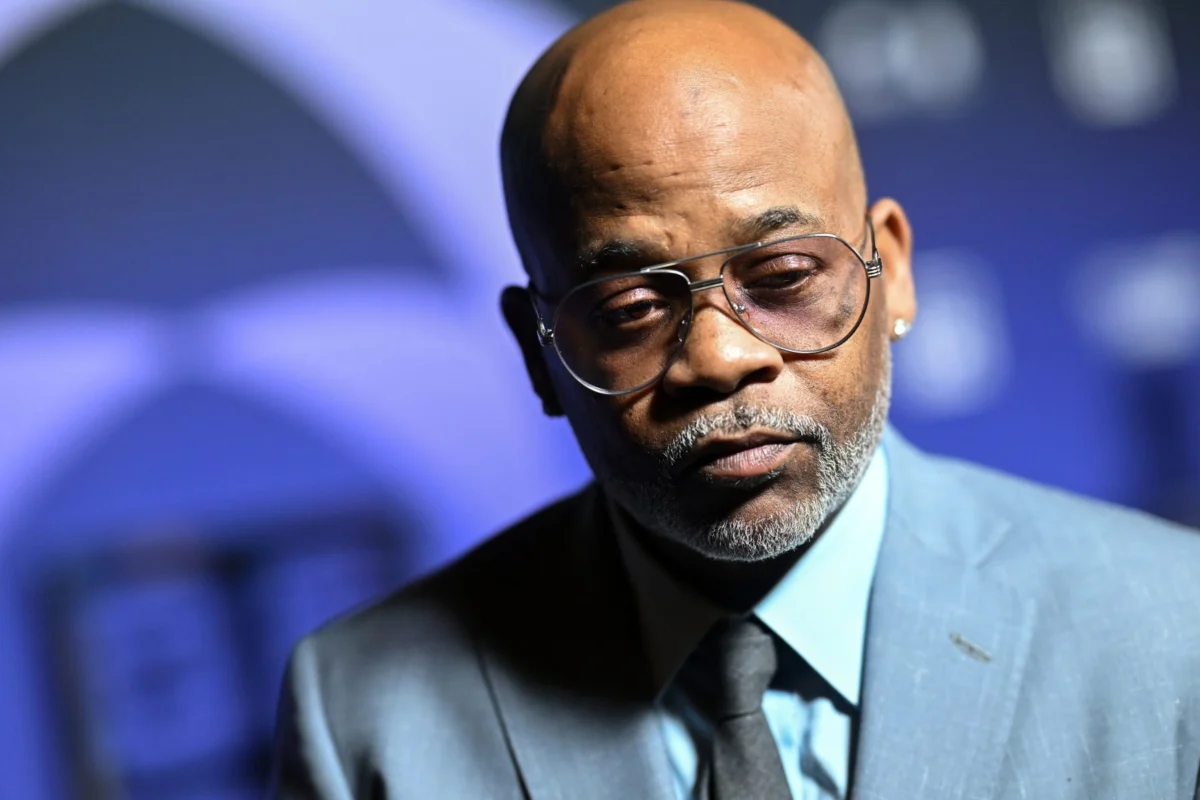
The intellectual property rights to the life story of hip-hop mogul and Roc-A-Fella co-founder Damon Dash have been sold to Everlasting Films for $550,000. This transaction, finalized following a court-ordered auction earlier this month, represents a pivotal development in the ongoing Chapter 7 bankruptcy proceedings concerning Dash’s personal finances. According to court filings submitted on Wednesday, October 21, the proceeds from this sale are earmarked for the partial satisfaction of a staggering $25 million debt portfolio, which includes significant tax liabilities and outstanding civil judgments.
The acquisition by Everlasting Films grants the production company exclusive commercial rights to Dash’s life story, encompassing his name, voice, image, and likeness. Furthermore, the deal includes a comprehensive archive of approximately 100 hours of footage dating back to 1990, as well as the rights to a motion picture project currently in development regarding the history of Roc-A-Fella Records. This sale marks another chapter in the liquidation of assets that began in late 2024, when the bankruptcy trustee moved to auction off Dash’s remaining equity in his former record label to address mounting financial pressures.
A Chronology of Financial Decline
The path to this liquidation began in earnest in September 2024, when Damon Dash filed for Chapter 7 bankruptcy protection. At the time of the filing, the disparity between his assets and his liabilities painted a stark picture of his financial standing. While Dash reported owning minimal personal property—including clothing, jewelry, and firearms valued at approximately $4,250—his debt obligations were reported to be in excess of $25.3 million.
The breakdown of these debts highlights a complex web of legal and tax-related obligations. The largest portion, roughly $19 million, is owed to state and federal tax authorities across New York, New Jersey, and California. Beyond the tax authorities, Dash’s financial burden is compounded by a $5 million judgment awarded to filmmaker Josh Webber, stemming from a legal dispute involving copyright infringement and defamation. Additionally, the filing noted roughly $600,000 in outstanding child support payments.
The auction process, overseen by a court-appointed trustee, was designed to systematically dismantle and monetize the debtor’s estate. In the preceding year, Dash’s one-third interest in Roc-A-Fella Records—the label he co-founded in 1994 alongside Shawn “Jay-Z” Carter and Kareem “Biggs” Burke—was auctioned off to address tax debts. That particular sale was notable for its inclusion of royalties from Jay-Z’s debut studio album, Reasonable Doubt, a cornerstone of 1990s hip-hop history.
The Mechanics of the Sale
Everlasting Films emerged as the successful bidder after a competitive process that included at least one other participant, identified in court documents as Doug Peters. The $550,000 bid provides a modest injection of capital into the bankruptcy estate. In a Chapter 7 liquidation, the primary objective of the trustee is to collect all non-exempt assets, sell them, and distribute the proceeds to creditors in accordance with the priority set by the bankruptcy code.
The inclusion of the 100-hour archive and the ongoing movie project suggests that Everlasting Films intends to leverage the cultural significance of the Roc-A-Fella era. By acquiring the rights to his life story, the company effectively gains the power to produce authorized documentaries, biopics, or other media projects that utilize Dash’s personal narrative. However, the deal explicitly excludes any remaining ownership stake in the Roc-A-Fella entity itself, as those assets were stripped from his portfolio in previous rounds of legal maneuvering.
Legal and Industry Implications
The bankruptcy of a high-profile cultural figure like Damon Dash serves as a case study in the risks associated with intellectual property management and the complexities of personal liability in the entertainment industry. For creditors, the auction provides a tangible, albeit fractional, recovery of the funds owed. For the broader industry, the sale underscores the increasing market value of “life rights” as a distinct asset class in the era of streaming and documentary-driven media.

Legal experts note that such sales are not uncommon in high-stakes bankruptcy cases. When an individual’s primary assets consist of their reputation, brand, and historical archives, those items become the primary currency for debt repayment. The court-appointed trustee’s decision to move forward with the auction reflects the reality that Dash’s potential future earnings or projects are now essentially owned by the creditors until the debt is satisfied or discharged.
While attorneys for both Dash and Everlasting Films remained silent regarding the specifics of the transition on Thursday, October 22, the implications for the future of the Roc-A-Fella legacy are significant. The narrative of one of hip-hop’s most influential labels will now be subject to the creative and commercial control of an outside entity, effectively distancing the founder from the storytelling process of his own life’s work.
Broader Context of the Bankruptcy Estate
The total debt of $25.3 million represents a significant hurdle for a "fresh start," which is the ultimate goal of the Chapter 7 process. In this legal framework, the debtor is granted relief from personal liability for most dischargeable debts. However, certain obligations—such as tax debts and child support payments—are often treated with higher priority and are more difficult to extinguish.
The court’s ongoing monitoring of the case remains critical. The trustee continues to scrutinize the estate to ensure that no assets have been shielded from the liquidation process. The sale of the life rights to Everlasting Films is considered a "final" step regarding this specific category of intangible property. As the process continues, the court will likely review the disbursement of the $550,000 to determine how the funds will be allocated among the various claimants, including the tax authorities and private creditors like Josh Webber.
Public and Professional Reaction
The news of the sale has prompted reactions from industry analysts who have followed Dash’s legal trajectory over the past decade. The transition of the Roc-A-Fella historical rights into the hands of a private film company highlights the fragility of legacy ownership in the music business. Industry observers have pointed out that while the dollar figure of $550,000 might seem small compared to the $25 million debt, it represents the current market valuation of a complex, potentially litigious, and historical intellectual property portfolio.
As the case moves toward its final stages, the focus will shift from the liquidation of physical and intangible assets to the final accounting of the estate. The "fresh start" promised by the bankruptcy court is contingent upon the full disclosure and cooperation of the debtor, a factor that has been a point of contention in various motions throughout the duration of the case.
For now, the story of Damon Dash’s life—from the boardrooms of Roc-A-Fella to the courtrooms of the bankruptcy system—is effectively being "packaged" for future consumption. Whether this leads to a new wave of content exploring the internal dynamics of the label remains to be seen, but the sale marks a definitive shift in who holds the pen to write the final chapter of the Roc-A-Fella story.
Future Outlook
As the dust settles on the auction, the stakeholders involved—including the bankruptcy trustee, the creditors, and Everlasting Films—are preparing for the next phase of the process. The trustee must now account for the sale and finalize the distribution plan, while Everlasting Films begins the task of assessing the material it has acquired.
The case of Damon Dash continues to serve as a stark reminder of the financial volatility inherent in the entertainment sector. For a figure who helped build a multi-million dollar brand from the ground up, the loss of his own life rights to satisfy debts represents a total dissolution of his personal business empire. As the court processes the final filings in this matter, the focus will remain on the efficacy of the liquidation in providing a sustainable outcome for all involved parties, marking the end of a long and contentious period of financial and legal upheaval for the former media mogul.