Lana Akmaluna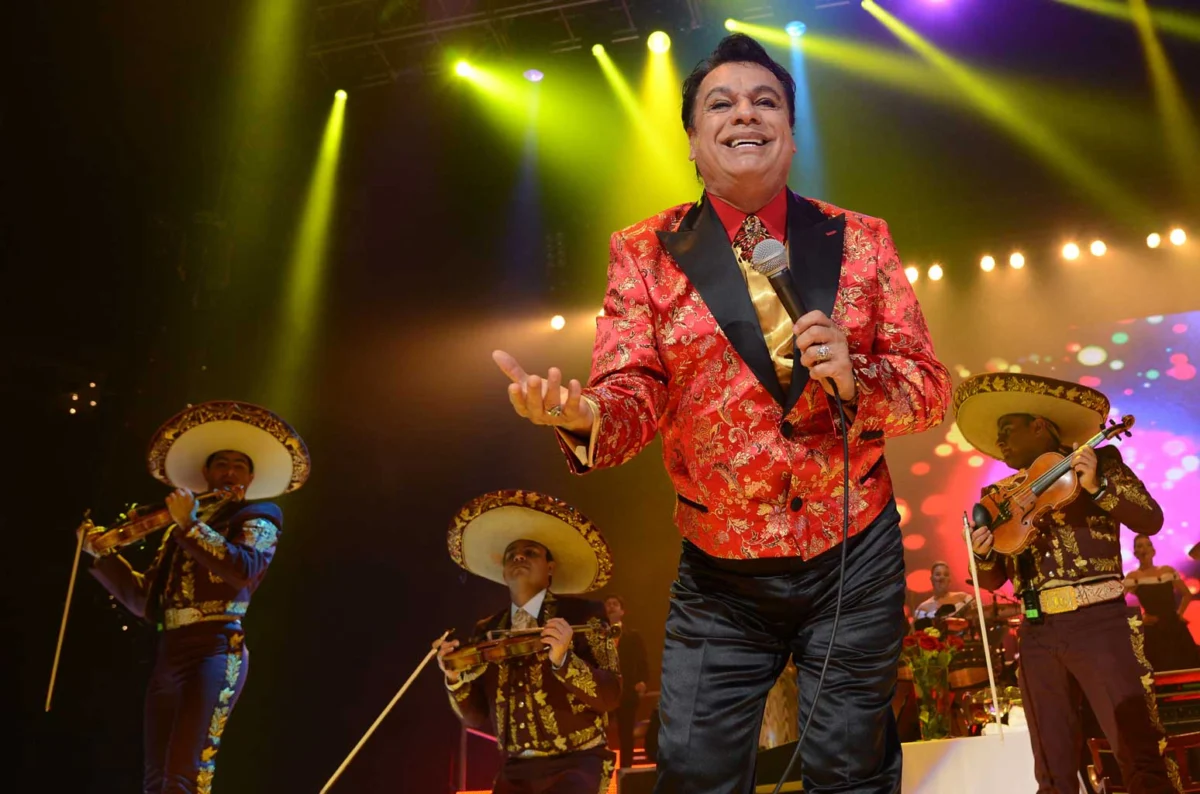
The 2026 FIFA World Cup, a historic tournament co-hosted by the United States, Canada, and Mexico, has transcended the boundaries of sport to become a profound cultural milestone. While the action on the pitch captivated global audiences, a parallel phenomenon emerged in the streets of Mexico City and across digital platforms. Mexican fans, long regarded as some of the most passionate in the world, have redefined the tournament’s atmosphere through a curated selection of musical anthems. These songs, ranging from decades-old classics to modern compositions, have bypassed the official FIFA soundtracks to become the organic voice of a nation. As the tournament progressed, the massive gatherings at the Ángel de la Independencia—Mexico’s iconic monument to sovereignty—served as the epicenter for a celebration that was as much about musical heritage as it was about football.
The Organic Rise of Unofficial Anthems
In the digital age, the "official" song of a sporting event often struggles to capture the authentic sentiment of the host population. During the 2026 World Cup, this disconnect was solved by the fans themselves. Through social media platforms such as TikTok, Instagram, and X (formerly Twitter), a specific set of tracks began to dominate the narrative. These songs were not part of any corporate marketing strategy; rather, they were chosen by the people to accompany their highlights, celebrations, and even the moments of heartbreak following Mexico’s exit from the tournament.
The selection of these songs highlights a unique intersection of nostalgia and contemporary pride. Interestingly, the most viral tracks were not new releases. Four of the five primary anthems that defined the Mexican World Cup experience were released over thirty years ago. This longevity speaks to the deep-seated cultural relevance of regional Mexican music and the enduring legacy of the country’s most celebrated performers.
A Profile of the Viral Classics
The five songs that became the "soundtrack of the summer" for Mexico represent different facets of the national identity.
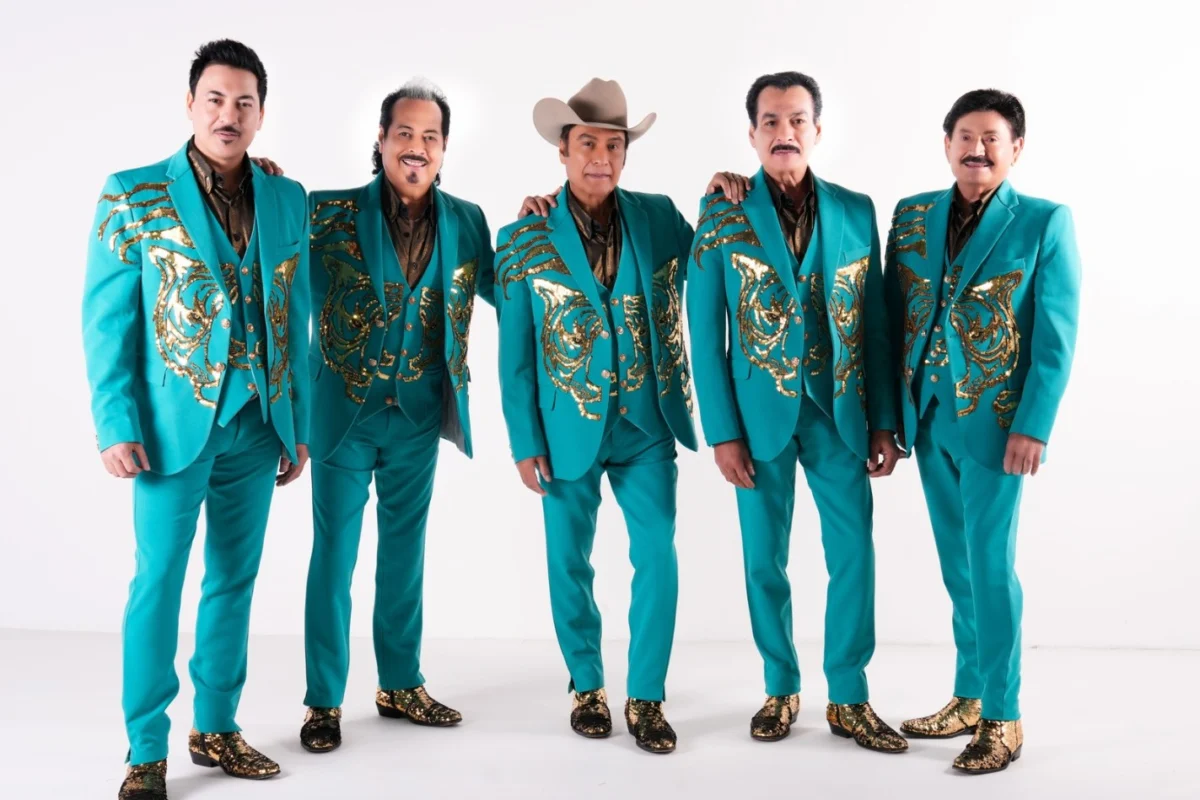
1. "La Chona" by Los Tucanes de Tijuana (1995)
Originally released in the mid-1990s, "La Chona" has long been a staple of Mexican celebrations. Its infectious rhythm and narrative lyrics about a woman who loves to dance made it an inevitable choice for the jubilant crowds at the Ángel de la Independencia. During the 2026 tournament, the song saw a massive resurgence in global streaming, as international visitors joined locals in the "La Chona Challenge," a dance trend that has persisted for years but found new life on the world stage.
2. "Payaso de Rodeo" by Caballo Dorado (1997)
Known for its complex, fast-paced line dance, "Payaso de Rodeo" became a symbol of unity during the group stages. Videos of thousands of fans performing the synchronized dance in public squares across Mexico City went viral globally, showcasing the discipline and joy of the Mexican fanbase. The song’s ability to coordinate large crowds made it a favorite for pre-match festivities.
3. "El Sonidito" by Hechizeros Band (2009)
While the prompt notes the prevalence of older tracks, "El Sonidito" represents the high-energy, "tecnobanda" style that fuels stadium energy. Its repetitive, horn-driven melody is synonymous with rapid-fire celebration. During the 2026 World Cup, it was frequently used in social media clips to denote the frantic excitement of a Mexican goal.
4. "Hasta Que Te Conocí" by Juan Gabriel (1986)
Representing the emotional soul of the country, the late Juan Gabriel’s masterpiece "Hasta Que Te Conocí" provided the melodic backdrop for the more sentimental moments of the tournament. As one of Mexico’s most beloved singer-songwriters, "El Divo de Juárez" remains a towering figure in the national consciousness. The song’s inclusion in the viral top five underscores the Mexican fan’s tendency to blend sporting fervor with deep, dramatic emotion.
5. "Esto es México" by Coray (2026)
The outlier in this list is "Esto es México," a contemporary track by the artist Coray. Written specifically to coincide with the sporting event, the song captures the essence of the "Tricolor" spirit. With lyrics such as "They never back down on the field / Here we play with honor / Let the whole stadium roar / When the Tricolor shouts," the song provided a modern rallying cry. Unlike the older classics, Coray’s track was designed for the moment, and its success was immediate.
The "Coray" Phenomenon and Presidential Endorsement
The success of "Esto es México" serves as a case study in modern viral marketing. Within weeks of its release, the music video on YouTube amassed over 5.7 million views. Its popularity was not limited to the youth; it permeated the highest levels of the Mexican government. President Claudia Sheinbaum publicly recognized the song, naming it one of her personal favorites and citing its lyrics as a perfect reflection of the national character.
This endorsement from the presidency further solidified the song’s status. In a political climate where national unity is a frequent theme, the song provided a non-partisan anthem that celebrated the resilience and passion of the Mexican people. Analysts suggest that the song’s success was due to its ability to mirror the traditional values found in the older hits while utilizing modern production and distribution channels.
Timeline of the 2026 Campaign and Musical Peaks
The musical frenzy followed a clear timeline correlated with the performance of the Mexican National Team (El Tri).
- June 11, 2026: The opening match of the World Cup. "Esto es México" enters the Top 50 charts in Mexico as fans prepare for the inaugural festivities.
- June 20–28, 2026: During the group stages, "La Chona" and "Payaso de Rodeo" dominate social media as Mexico secures vital points to advance. The Ángel de la Independencia sees nightly gatherings exceeding 50,000 people.
- July 1, 2026: As Mexico prepares for the Round of 16, Juan Gabriel’s "Hasta Que Te Conocí" begins to trend as fans reflect on the stakes of the knockout phase.
- July 5, 2026: The climactic moment of Mexico’s tournament. Facing England in the Round of 16, the Mexican team fought a grueling battle. Despite a spirited performance, Mexico lost 3–2. In the aftermath, the viral songs shifted from celebratory to reflective, serving as a comfort to a grieving but proud nation.
Data and Social Media Metrics
The "organic" nature of these viral hits is supported by streaming data. During the month of June 2026, Spotify and Apple Music reported a 300% increase in domestic streams for the catalog of Los Tucanes de Tijuana and Juan Gabriel. Specifically, "La Chona" saw a significant uptick in international markets, including the UK and Germany, as visiting fans took the "sound of Mexico" back to their home countries.
On YouTube, the search term "Mexican World Cup songs" was dominated by fan-made compilations featuring the five tracks mentioned above, rather than official FIFA-sanctioned content. This shift indicates a broader trend in consumer behavior where authenticity and cultural heritage are valued over polished, corporate-sponsored media.
The Symbolic Importance of the Ángel de la Independencia
The physical space where these songs were most frequently heard was the Ángel de la Independencia. Located on the Paseo de la Reforma, the monument is the traditional site for Mexican football celebrations. However, in 2026, the scale was unprecedented.
For the residents of Mexico City and the thousands of tourists who descended upon the capital, the monument became an open-air concert hall. The spontaneous choir of thousands singing "Hasta Que Te Conocí" after the final whistle against England remains one of the most poignant images of the tournament. It demonstrated that while the team’s participation ended on July 5, the cultural impact of the event would endure.
Broader Impact and Cultural Implications
The viral success of these five songs has several long-term implications for the Mexican music industry and the country’s "soft power" on the global stage.
First, it reaffirms the dominance of regional Mexican music. At a time when the global music market is increasingly homogenized, the fact that 30-year-old ranchera and norteño-influenced tracks can go viral globally suggests a robust appetite for culturally specific sounds.
Second, the success of Coray’s "Esto es México" provides a blueprint for contemporary artists. By tapping into national sentiment and the "Tricolor" identity, new artists can find a massive audience without relying solely on traditional radio or label support.
Finally, the 2026 World Cup proved that Mexico’s greatest export is its "alegría" (joy). Even in defeat, the music remained. The loss to England was a sporting setback, but the cultural victory was evident in the way the world watched, listened, and danced along with Mexico. The "unofficial" anthems of the 2026 World Cup have now been etched into the collective memory of the nation, ensuring that the spirit of the tournament will live on in playlists and public squares for years to come.