Reynand Wu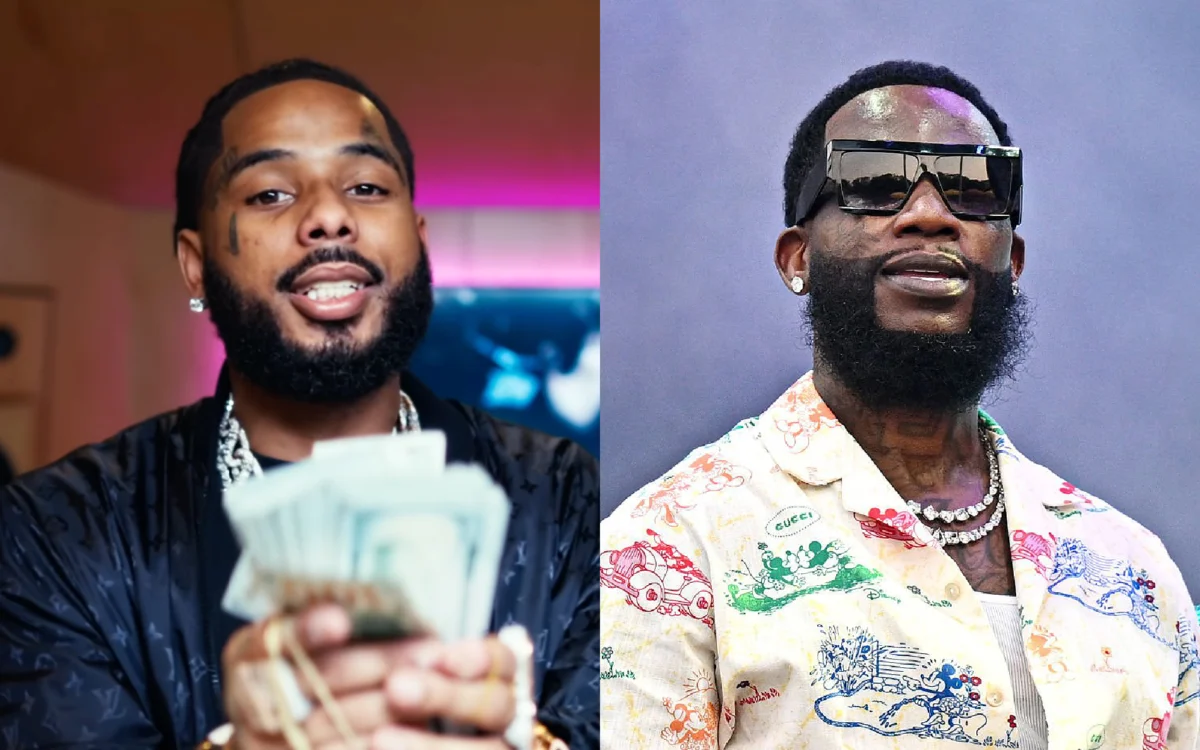
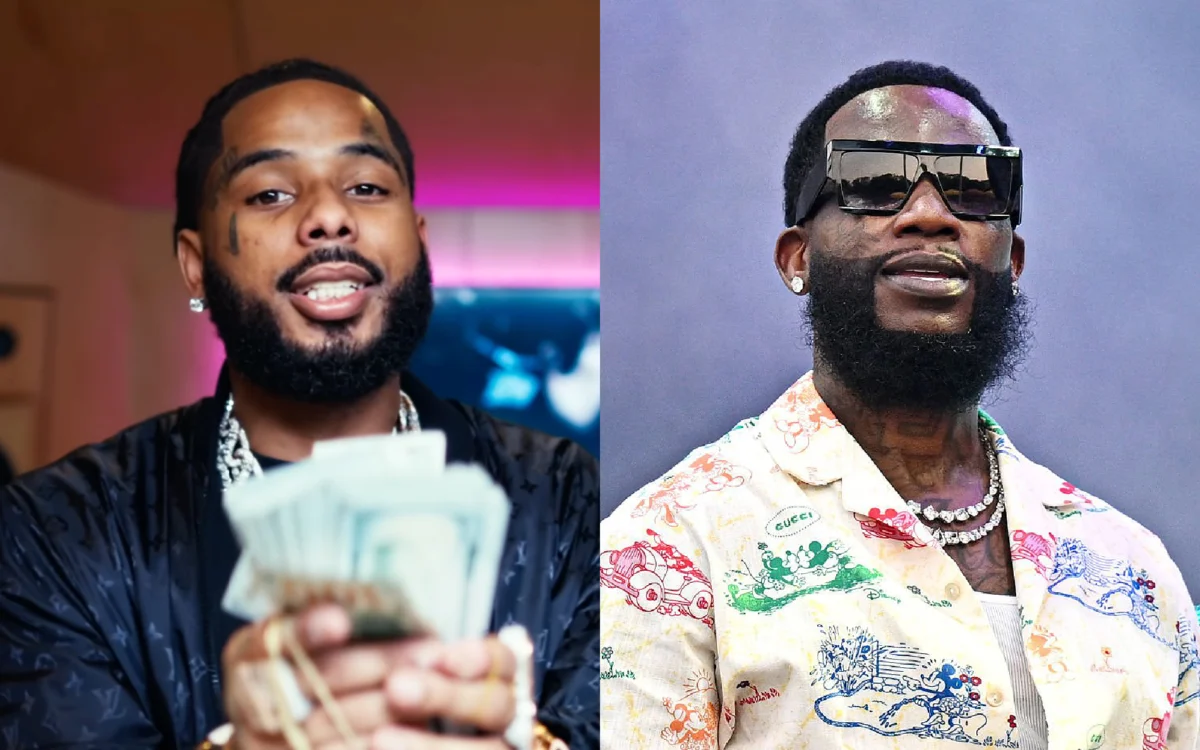
Memphis rapper Pooh Shiesty, whose real name is Lontrell Williams Jr., has been taken into federal custody alongside his father, Lontrell Williams Sr., and fellow artist Big30, facing serious allegations of armed robbery and kidnapping. The charges stem from an incident earlier this year, on January 10, 2026, in Dallas, Texas, where they are accused of violently confronting prominent hip-hop mogul Gucci Mane and two other music industry professionals. This high-profile arrest involves a total of eight defendants, with a ninth suspect currently at large, and marks a significant development in a case that could see those convicted facing sentences of up to life imprisonment.
Breaking News: Federal Charges Filed Against Pooh Shiesty and Associates
The Department of Justice confirmed the arrests this week, detailing an elaborate and allegedly premeditated scheme that unfolded within a Dallas recording studio. The core accusation revolves around the forceful termination of Pooh Shiesty’s contract with Gucci Mane’s 1017 Records, coupled with the armed robbery of valuable personal effects from all three victims. The severity of the charges—including kidnapping, armed robbery, and potential federal firearms offenses—underscores the gravity of the situation, placing a spotlight on the often-turbulent intersection of music, money, and power within the entertainment industry. The federal involvement highlights the interstate nature of the alleged crimes and the significant resources dedicated to investigating and prosecuting such offenses.
The Alleged Incident: A High-Stakes Contract Dispute
The narrative provided by the Department of Justice paints a vivid picture of a meeting intended to resolve contractual disputes that allegedly escalated into a violent confrontation.
The Setup and Execution
According to federal prosecutors, the incident was meticulously planned. On January 10, Pooh Shiesty orchestrated a meeting with Gucci Mane, identified in court documents by his legal name Radric Delantic Davis, and two other music industry figures, referred to by the initials M.M. and B.P. The purpose of this meeting, as alleged, was to discuss and finalize the terms of Pooh Shiesty’s existing contract with 1017 Records, a label founded and headed by Gucci Mane. The chosen venue was a recording studio in Dallas, a seemingly innocuous location that quickly transformed into the scene of a terrifying ordeal.
Upon the arrival of Gucci Mane and his associates at the studio, Shiesty and his co-conspirators allegedly initiated what the Department of Justice has termed a "coordinated armed takeover." This phrase suggests a synchronized and pre-arranged action by the group to assert dominance and achieve their objectives through force. Pooh Shiesty himself is accused of being a central figure in this alleged assault, reportedly brandishing an AK-style pistol. This specific detail about the weapon underscores the extreme level of threat perceived by the victims and the seriousness with which federal authorities view the alleged use of such a high-powered firearm in the commission of a crime.
The immediate objective, as per the allegations, was to compel Gucci Mane to sign contract termination paperwork. This suggests a direct attempt to extricate Pooh Shiesty from his recording deal with 1017 Records by coercive means. The act of forcing a signature at gunpoint elevates the incident beyond a simple contract dispute, transforming it into an alleged act of extortion and kidnapping, which carries severe legal penalties.
Escalation and Theft
Beyond the forced contract signing, the alleged perpetrators are accused of engaging in extensive robbery. Pooh Shiesty is specifically implicated in the theft of Gucci Mane’s personal valuables, including his wedding ring, a high-value watch, earrings, and a quantity of cash. This suggests a dual motive: resolving the contract dispute through illegal means and also enriching themselves through theft.
The other defendants, including Pooh Shiesty’s father Lontrell Williams Sr. and fellow rapper Big30, reportedly played equally critical roles in the alleged crime. They are accused of brandishing their own firearms, creating an intimidating atmosphere, and proceeding to rob the other two victims, M.M. and B.P., of their own high-value possessions. These stolen items reportedly included Rolex watches, various pieces of jewelry, additional cash, and other expensive personal articles.
Big30, whose real name has not been fully disclosed in initial federal statements but is widely known as one of Shiesty’s close collaborators, is specifically accused of barricading the studio door with his body. This action effectively trapped the victims inside, preventing any escape attempts and further cementing the charges of kidnapping and unlawful confinement. The level of violence escalated further, with authorities reporting that M.M. was choked to near unconsciousness during the incident. This detail highlights the extreme physical danger faced by the victims and adds another layer of gravity to the charges, potentially leading to aggravated assault or similar enhancements in the federal indictment.
The Defendants and Their Connections
The arrests have cast a shadow over the careers of the involved artists, particularly Pooh Shiesty, who had been on a trajectory of rising stardom.
Pooh Shiesty’s Rise and Prior Legal Encounters
Lontrell Williams Jr., known professionally as Pooh Shiesty, emerged from Memphis, Tennessee, to become a prominent figure in the trap music scene. His distinctive flow and street-oriented lyrics quickly garnered attention, leading to his signing with Gucci Mane’s 1017 Records, an imprint under Atlantic Records. His breakthrough came with hits like "Back In Blood" featuring Lil Durk, which propelled him to national recognition and solidified his position as one of the genre’s most promising new artists. His career, however, has been punctuated by legal troubles.
Crucially, at the time of the alleged Dallas incident in January 2026, Pooh Shiesty was already on home confinement. This arrangement was a condition of his release following a previous firearms conspiracy conviction in Florida. He had reportedly been released from federal prison in October 2025, having served approximately four years behind bars for that prior offense. The alleged commission of new federal crimes while on supervised release or home confinement significantly exacerbates his current legal predicament, potentially leading to violations of his prior release terms and additional penalties. Such a violation could result in the remainder of his previous sentence being reimposed, in addition to any new sentences for the current charges.
The involvement of his father, Lontrell Williams Sr., and fellow rapper Big30 further complicates the narrative. Big30 is another Memphis-based artist who gained recognition through his collaborations with Pooh Shiesty, often appearing on tracks and in music videos. Their arrests suggest a close-knit group operating together, extending beyond mere professional association into alleged criminal enterprise.
The Role of 1017 Records
Gucci Mane’s 1017 Records has been a significant force in hip-hop, known for discovering and nurturing talent, particularly from the South. The label, founded by Gucci Mane (Radric Delantic Davis), has launched the careers of numerous artists, becoming synonymous with a certain brand of authentic street rap. The alleged incident, centered around a contract dispute, highlights the intense pressures and high stakes involved in artist-label relationships, particularly when significant sums of money and career trajectories are at play. While contractual disagreements are common in the music industry, their alleged resolution through armed force and kidnapping represents an extreme and alarming deviation from standard business practices, casting a shadow over the label and its operations, even though Gucci Mane is presented as a victim in this case. The implications for artist management and safety within the industry could be profound.
The Federal Investigation: Unraveling the Evidence
Federal authorities mounted a comprehensive investigation, meticulously piecing together evidence to identify and apprehend the suspects. The Department of Justice highlighted several key pieces of evidence that were instrumental in securing the arrests and federal charges.
Crucial Evidence: Digital Footprints and Physical Traces
Investigators reportedly utilized a combination of traditional forensic techniques and modern digital forensics to build their case. Fingerprints collected from the scene were likely cross-referenced with federal databases, potentially linking specific individuals to the Dallas studio. Rental car records would have provided a paper trail, indicating who rented vehicles used to travel to and from the crime scene, and perhaps how many individuals were involved in the logistics of the alleged plot. This type of evidence is often crucial in establishing the presence of defendants at a specific location and time.
Perhaps most compellingly, the Department of Justice cited social media posts shared by the suspects just hours after the alleged incident. These posts reportedly displayed items that were later identified as having been stolen from Gucci Mane and the other victims. In the digital age, social media has increasingly become a double-edged sword for criminal suspects, often providing investigators with invaluable, self-incriminating evidence. Posting images of stolen high-value items—such as designer watches, jewelry, or large sums of cash—shortly after a robbery can serve as powerful circumstantial evidence, linking individuals directly to the proceeds of a crime and, by extension, to the crime itself. This digital footprint can corroborate eyewitness accounts, physical evidence, and even help establish a timeline of events. The immediate display of alleged stolen goods suggests either a brazen disregard for legal consequences or a fundamental misjudgment of the reach of law enforcement.
The aggregation of these diverse pieces of evidence—from physical traces like fingerprints to transactional data from rental car companies and public digital declarations on social media—allowed federal authorities to construct a robust case, leading to the identification and subsequent apprehension of the eight defendants.
Legal Ramifications and Potential Sentences
The federal charges against Pooh Shiesty, his father, Big30, and their co-defendants carry extremely severe penalties, reflecting the serious nature of the alleged crimes.
Severity of Federal Charges
The charges of armed robbery and kidnapping under federal law are not to be underestimated. Federal kidnapping statutes, particularly those involving interstate travel or commerce, carry potential sentences of up to life imprisonment. When a firearm is used in the commission of these violent felonies, additional mandatory minimum sentences can be imposed, further increasing the potential time behind bars. For instance, federal law imposes significant penalties for using a firearm during a violent crime, often mandating consecutive sentences that run in addition to the sentence for the underlying offense.
Given that Pooh Shiesty was already on home confinement for a previous firearms conspiracy conviction, any new conviction for federal firearms offenses or violent crimes would almost certainly trigger a violation of his supervised release. This could lead to the revocation of his previous release and the imposition of the remaining portion of his prior sentence, in addition to any new sentence. This layering of penalties means the defendants are facing an exceptionally difficult legal battle.
The Path Forward: Legal Proceedings
Following their arrests, the defendants would typically undergo an initial appearance in federal court, where they would be formally charged and advised of their rights. A bail hearing would then determine if they are eligible for release pending trial, though in federal cases involving violent crimes and flight risk, bail can be high or denied altogether. A federal grand jury would then review the evidence presented by prosecutors and decide whether to issue a formal indictment, which officially initiates the trial process.
Defense attorneys for the accused are expected to mount a vigorous defense, likely challenging the prosecution’s evidence, disputing the intent of the alleged actions, and questioning the credibility of witnesses. The legal proceedings will involve extensive discovery, motion practice, and potentially plea negotiations. If no plea agreement is reached, the case would proceed to a federal jury trial, where the burden would be on the prosecution to prove guilt beyond a reasonable doubt. The high stakes involved mean that both the defense and prosecution will invest significant resources in the case.
Broader Industry Implications and Unanswered Questions
The alleged incident and subsequent arrests send ripples throughout the music industry, raising questions about artist safety, contractual disputes, and the consequences of criminal activity.
This case serves as a stark reminder of the potential dangers and severe repercussions that can arise from attempting to resolve business disputes through illegal and violent means. The music industry, particularly hip-hop, has a history intertwined with legal troubles, but allegations of kidnapping and armed robbery at gunpoint against a label head are particularly shocking. It highlights the vulnerability of individuals, even those with significant stature like Gucci Mane, when confronted with organized criminal acts.
For Pooh Shiesty, Big30, and their co-defendants, the immediate future is fraught with legal uncertainty. Their careers, which rely heavily on public image and freedom, face severe disruption, if not outright termination. Even if acquitted, the lengthy and costly legal process will undoubtedly take a toll. For Gucci Mane and 1017 Records, the incident underscores the need for enhanced security and more robust mechanisms for dispute resolution within contractual agreements.
As of the current reports, neither Pooh Shiesty, Big30, nor Gucci Mane have issued public statements regarding the charges. This silence is typical in the early stages of a federal criminal investigation, as legal counsel generally advises against public commentary that could prejudice the case. The Department of Justice, however, has made its stance clear through its press release and the federal charges brought against the group. The coming months will likely reveal more details as the legal process unfolds, shedding further light on the alleged events of January 10, 2026, and their far-reaching implications for all involved. The industry will be watching closely to see how this high-stakes legal drama ultimately plays out.