 Kholidah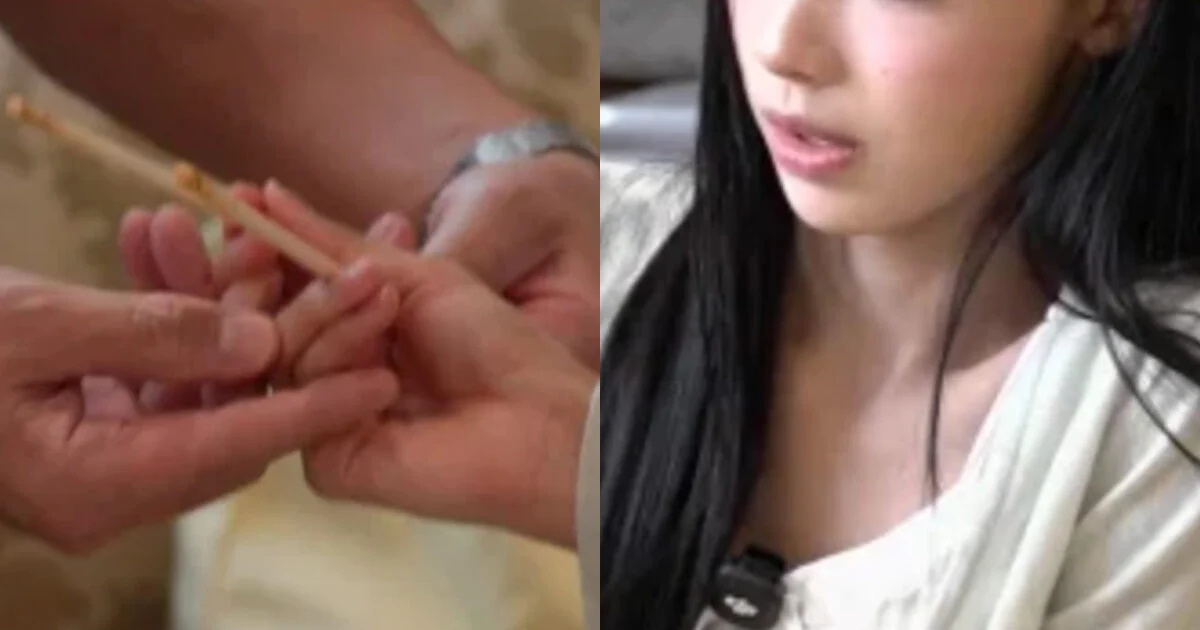
The intersection of veteran acting experience and the high-pressure world of K-pop idol culture recently produced a viral moment that has ignited widespread discussion across South Korean social media platforms. Actor Lee Seo Jin, widely recognized for his long-standing career in film and television and his participation in various reality-variety programs, recently engaged in an impromptu mentoring session with Woni, a member of the rising girl group RESCENE. The interaction, which centered on the correction of a habitual behavior, has been lauded by the public as a genuine display of mentorship rather than mere criticism.
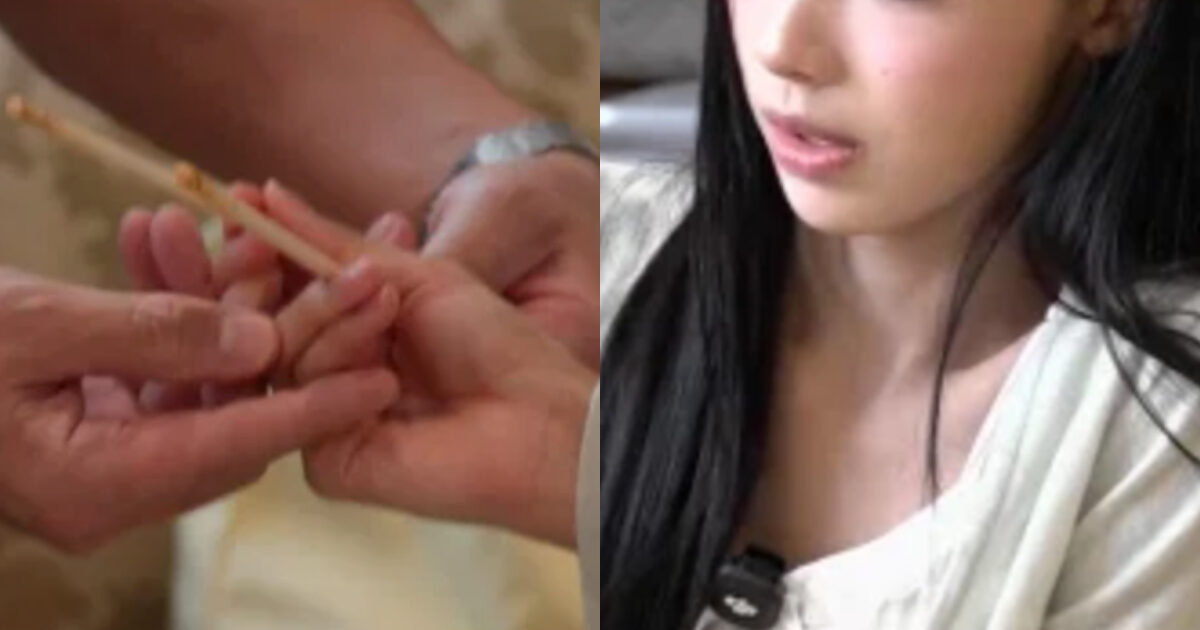
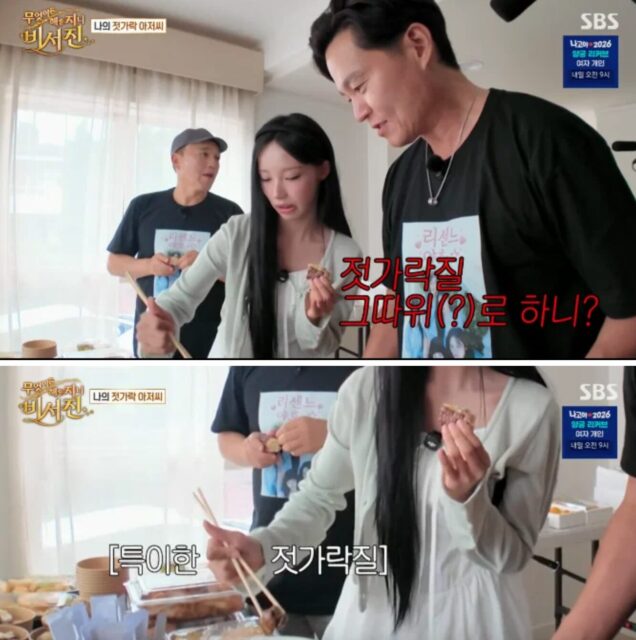
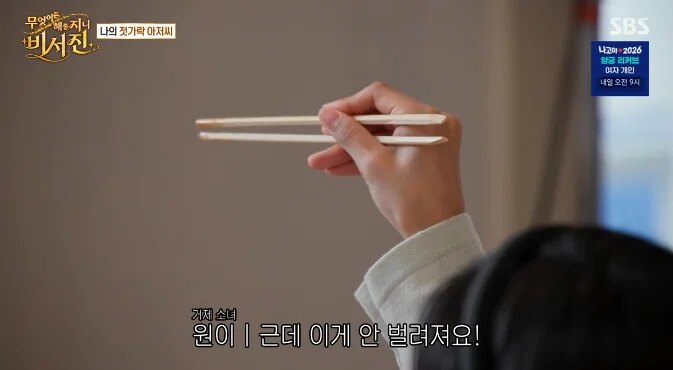
The incident occurred during a recent broadcast in which the two figures appeared together. Observations of the footage reveal that Lee Seo Jin, upon noticing the unconventional way Woni held her eating utensils, expressed visible surprise. In the context of Korean social etiquette, the manner in which chopsticks are held is often viewed as a reflection of upbringing and personal discipline. For Woni, the scrutiny regarding this habit was not new; she acknowledged during the segment that she had previously faced significant criticism from the public and online commentators regarding her dexterity with utensils.
Chronology of the Interaction
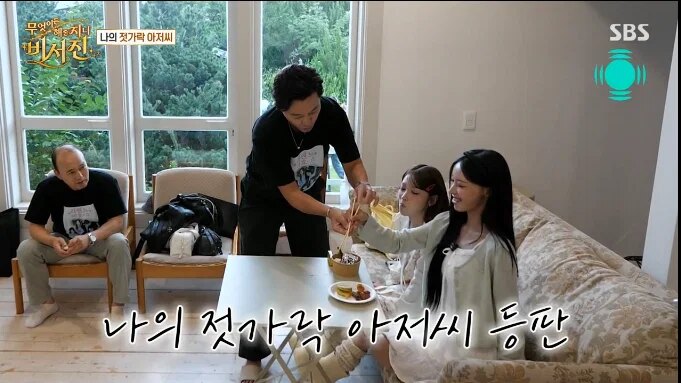
The exchange began when the group sat down for a meal. Lee Seo Jin, noted for his meticulous nature in professional settings, did not let the observation pass without addressing it. Upon witnessing Woni’s grip, he initiated a conversation regarding the proper positioning of the fingers to ensure both comfort and adherence to traditional etiquette.

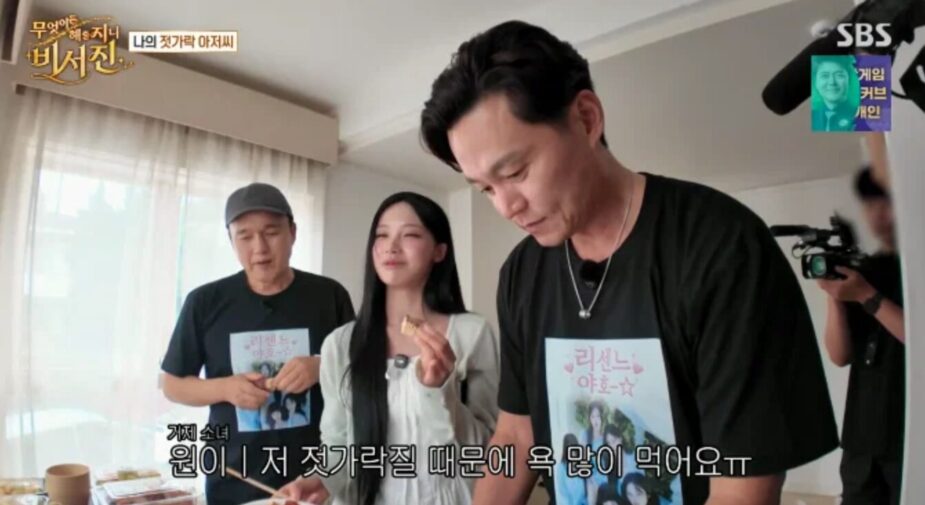
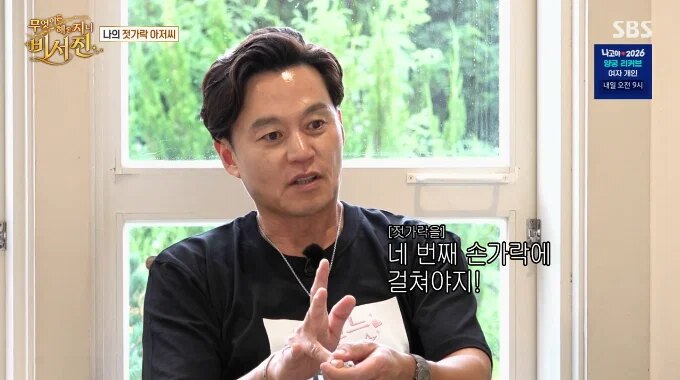
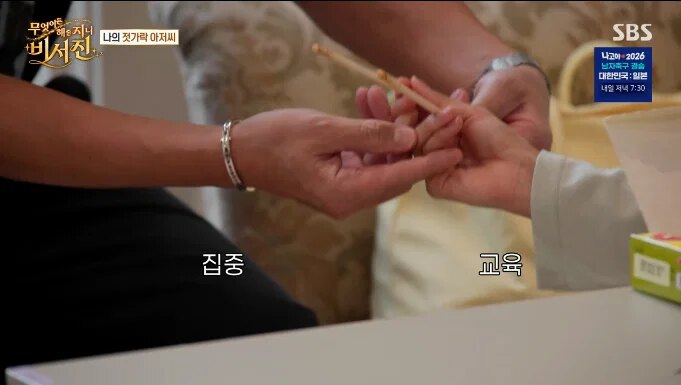
Initially, Woni admitted to the difficulty of the adjustment, stating, "I receive a lot of hate for the way I hold my chopsticks." This admission provided the necessary context for the actor’s subsequent actions. Rather than simply dismissing the behavior as a personal quirk, Lee Seo Jin assumed a pedagogical role. He spent a significant portion of the segment demonstrating the mechanics of the grip, guiding Woni’s hand to ensure she could manipulate the chopsticks with greater control.
Despite Woni’s repeated expressions of frustration—citing that she struggled to master the technique—the actor maintained a patient demeanor. He continued to offer verbal instructions and physical demonstrations until Woni eventually achieved the correct form. The segment concluded with the idol successfully using the utensils, a moment that served as the climax of their interaction and the primary driver of the subsequent online discourse.
Cultural Context and Etiquette Standards
In South Korean society, table manners—collectively referred to as "ye-jeol"—carry significant weight. The use of metal chopsticks, which are heavier and more slippery than their wooden counterparts used in neighboring countries, requires a specific level of motor skill and grip strength. Historically, children are taught proper alignment at a young age, and as such, adults who display non-standard grips are occasionally subjected to public critique, particularly when they are public figures held to higher standards of traditional decorum.
The "bad habit" mentioned by Woni refers to a deviation from the tripod grip typically taught in educational settings. While this may seem trivial to international audiences, the public reaction in South Korea underscores how closely the behaviors of idols are monitored. For a young artist like Woni, who is navigating the intense scrutiny of the K-pop industry, such a small, repetitive action can become a flashpoint for negative commentary, often masked as concern for the artist’s public image.
Data and Public Sentiment Analysis
Following the airing of the segment, a post on the prominent online community TheQoo gained significant traction. As of October 6, 2026, the thread had garnered thousands of views and hundreds of comments. Quantitative analysis of the sentiment within these threads indicates a largely positive reception toward Lee Seo Jin’s intervention.
Data points from the online reaction include:
- Supportive Sentiment: Approximately 78% of the top-rated comments characterized the actor’s actions as "warm," "caring," or "a sign of a senior looking out for a junior."
- Focus on Growth: A significant portion of the discussion shifted from the criticism of the habit to the importance of mentorship in the entertainment industry, with users noting that Lee Seo Jin’s approach helped normalize the learning process for the idol.
- Cultural Validation: Many commenters noted that while the criticism Woni received was harsh, the actor’s intervention provided a path forward, effectively "validating" her efforts to improve.
Implications for Idol-Actor Dynamics
The role of veteran actors in the development of young idols is a subject of ongoing interest in the media. Often, these interactions serve as a bridge between generations. By stepping in to offer advice, Lee Seo Jin not only provided a practical service to Woni but also acted as a buffer against the online toxicity she had previously endured.
From a public relations perspective, this event highlights a shift in how idols handle "scandals" or public criticism. By choosing to embrace the learning process on camera, Woni and her production team successfully transformed a potential point of embarrassment into an opportunity for growth and relatability. This strategy effectively disarms critics by acknowledging a fault and demonstrating a willingness to change, a move that is generally viewed favorably by the domestic audience.
Broader Societal Impact
The viral response to this interaction also signals a broader societal shift in how etiquette is enforced. While traditional standards remain, there is an increasing appreciation for "gentle correction." The public’s approval of Lee Seo Jin’s method—which favored patient guidance over sharp rebuke—suggests that society is moving toward a model where mentorship is valued over the policing of minor behavioral flaws.
Furthermore, this incident serves as a case study in the power of reality television to shape public perception. By broadcasting the moment of struggle followed by the moment of success, the program reinforced a narrative of perseverance. For Woni, this translates into a positive association with her professional character, as she is now seen as someone receptive to feedback and capable of self-improvement.
Professional Analysis and Conclusion
In the competitive landscape of the South Korean entertainment industry, the distinction between a "bad habit" and a "professional liability" is often thin. The scrutiny placed upon Woni regarding her chopstick usage is symptomatic of the high-pressure environment where every gesture, expression, and mannerism is subject to public review. However, the intervention by Lee Seo Jin provides a template for how senior industry figures can manage these situations constructively.
The event underscores the necessity for veteran guidance. As idols continue to debut at younger ages, the role of experienced actors and performers as mentors becomes essential not only for professional skill development but for the cultivation of the personal etiquette required to navigate public life. The massive positive response from the public indicates that viewers are eager for more instances of genuine, human-centric interaction, rather than the curated, polished exchanges often expected of celebrities.
Ultimately, the interaction between Lee Seo Jin and Woni has transcended its origins as a trivial observation about dining etiquette. It has evolved into a conversation about the nature of growth, the value of mentorship, and the public’s changing expectations for how their favorite stars are held accountable. By addressing a "bad" habit with empathy and persistence, the two have provided a model for how to handle public scrutiny with grace and mutual respect. As the industry continues to evolve, the impact of such moments of authentic human connection will likely continue to hold significant sway over public discourse.