Kholidah
The intersection of artist management, social media transparency, and fandom culture has reached a new point of contention following a series of controversial posts by the CEO of GRIFFIN Entertainment, the agency representing SHINee’s leader, Onew. The incident, which unfolded in the early morning hours, involved a now-deleted Instagram Story that appeared to address internal fandom conflicts and impending legal actions. While the intention was ostensibly to protect the artist, the timing and execution of the communication have sparked a polarized debate among K-pop enthusiasts and industry observers, highlighting the delicate balance required when managing high-profile idols in the digital age.
The Sequence of Events: A Late-Night Digital Disturbance
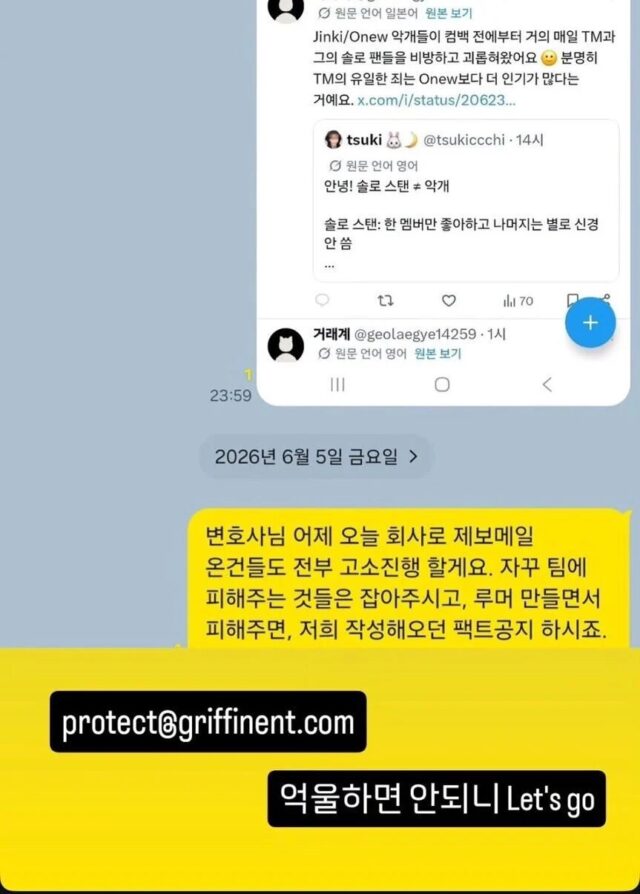
On the day of a highly anticipated SHINee group concert—a time usually reserved for celebration and unity among the "SHINee World" fandom—the CEO of GRIFFIN Entertainment took to his personal Instagram account to share a series of internal communications. The posts included a screenshot of a KakaoTalk conversation between the CEO and a legal representative, identified as "Attorney."
The core of the controversy centered on a specific post from X (formerly Twitter) that was shared within the KakaoTalk chat. This X post alleged that malicious fans of Onew had been disparaging fellow SHINee member Taemin and his supporters. The quoted post claimed that Onew fans had been "bashing" Taemin since before his solo comeback, adding a inflammatory remark that "the only sin Taemin has is being more popular than Onew."
In response to this tip-off, the CEO’s instructions to his attorney were explicit. He directed the legal team to proceed with legal action based on tip-off emails received over a 48-hour period. Furthermore, the CEO instructed the attorney to continue monitoring those who "harm the team" and suggested the release of a "fact notice" that the agency had been preparing if rumors continued to cause damage. The Instagram Story was punctuated with a caption that read, "We shouldn’t feel wronged, so let’s go," signaling a proactive, albeit aggressive, stance against online defamation.
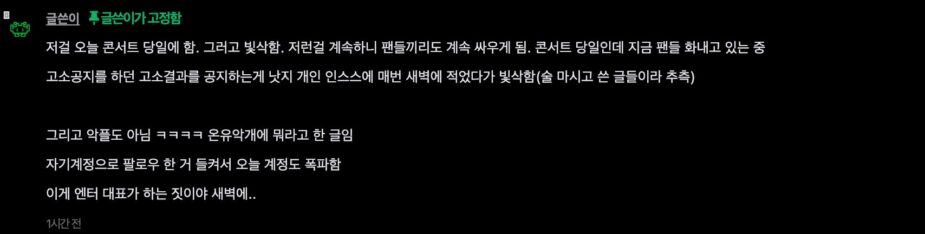
However, the post was deleted shortly after it was uploaded. The rapid removal did not prevent fans from capturing screenshots, which quickly circulated across various online communities, including the popular Korean forum theqoo, leading to widespread criticism and defense of the CEO’s actions.

Contextualizing the Conflict: Onew’s Career Transition and GRIFFIN Entertainment
To understand the weight of this incident, one must look at the recent professional trajectory of Onew (Lee Jin-ki). After nearly two decades under the management of SM Entertainment, Onew, along with fellow member Taemin, opted not to renew his individual contract for solo activities with the industry giant in early 2024. While both remain integral members of SHINee for group activities under SM Entertainment, their solo careers are now managed independently.
Onew became the first artist to sign with GRIFFIN Entertainment, a newly established agency. This transition was seen as a fresh start for the veteran idol, who had recently returned from a health-related hiatus. For a new agency, establishing a reputation for artist protection is a priority; however, the methods employed by the CEO have raised questions about professional standards. The decision to use a personal social media account to broadcast legal strategies—rather than an official corporate channel—is a departure from the standard operating procedures of established K-pop powerhouses like SM, HYBE, or JYP Entertainment.
Fandom Dynamics: The Rise of the "Solo Stan" and Internal Friction
The controversy is deeply rooted in the "solo stan" (fans who support only one member of a group) culture that often plagues multi-member K-pop groups. In the case of SHINee, a group known for its longevity and perceived internal harmony, the emergence of vocal "akgaes" (malicious individual fans) has created friction.

The X post highlighted by the CEO touched a nerve by comparing the popularity of Onew and Taemin. In the K-pop ecosystem, popularity metrics are often used as weapons in fan wars. By acknowledging a post that disparaged Onew’s popularity relative to Taemin, the CEO inadvertently validated the comparison, which many fans found unprofessional.
The backlash from the fandom generally falls into two categories. One segment of the fandom argues that the CEO’s actions were "unprofessional" and "reckless." They contend that posting internal legal discussions on the day of a SHINee group concert was divisive. Critics argued that such actions distract from the group’s collective achievements and fuel the very "solo stan" wars the agency claims to be fighting. Some fans even speculated, given the late-hour timing and the abrupt deletion, that the posts might have been made impulsively or under the influence.
Conversely, another segment of the fandom has defended the CEO, praising his willingness to take a hardline stance against malicious commenters. These supporters argue that Onew has been the target of unfair rumors and online bullying for years, and that a "protective" CEO is exactly what the artist needs in this new chapter of his career. For these fans, the "unfiltered" nature of the post was a refreshing sign of an agency that is truly "on the artist’s side."
Legal Implications and Industry Standards
The CEO’s mention of a "fact notice" and "legal action" refers to South Korea’s strict defamation laws. Under the Information and Communications Network Act, individuals can be prosecuted for spreading both false and true information if it is deemed to have damaged someone’s reputation.
Typically, K-pop agencies handle these matters through formal, sternly worded announcements on official platforms. These notices usually state that the agency is "monitoring malicious posts" and "collecting evidence" without showing the "behind-the-scenes" mechanics of the legal process. By sharing a screenshot of a KakaoTalk message, the GRIFFIN CEO bypassed the corporate veil, a move that some industry analysts suggest could complicate legal proceedings or provide "malicious commenters" with insights into the agency’s legal strategy.
Furthermore, the CEO was reportedly "caught" following certain accounts from his personal handle, which he subsequently deleted. This has added to the narrative that the agency’s leadership may be too closely involved in the minutiae of social media discourse, potentially at the expense of high-level strategic management.

Chronology of the Controversy
- Early Morning (KST): The CEO of GRIFFIN Entertainment posts a screenshot of a KakaoTalk chat with an attorney to his Instagram Story.
- Immediate Reaction: Fans capture the story, noting the inclusion of an X post that compares Onew and Taemin’s popularity.
- Deletion: The CEO deletes the Instagram Story and eventually deactivates or deletes his personal account following a surge in notifications and scrutiny.
- Fandom Explosion: Discussion threads on theqoo and other platforms reach thousands of comments within hours.
- Concert Context: The incident occurs during the window of SHINee’s encore concert series, a period of high visibility for all members.
- Aftermath: Divided opinions continue to circulate, with "Solo Stan" tensions reaching a peak on social media platforms.
Broader Impact on Agency-Artist Relations
This incident serves as a case study for the challenges faced by boutique or "start-up" agencies in the K-pop industry. While these agencies offer more personalized attention to their artists, they often lack the robust PR and legal filters that larger corporations possess. For Onew, an artist whose image is built on kindness and professionalism, the aggressive and somewhat chaotic social media presence of his agency’s head could be seen as a liability.
The "divided response" mentioned in initial reports reflects a growing fatigue within K-pop fandoms regarding how agencies handle internal group dynamics. When an agency head appears to take sides or acknowledges internal fandom "ranking" (even if to defend their artist), it can permanently damage the "OT5" (support for all five members) sentiment that keeps veteran groups like SHINee viable.
Conclusion: The Need for Professional Boundaries
As the K-pop industry continues to evolve, the role of the "celebrity CEO" has become more prominent. However, the GRIFFIN Entertainment incident suggests that a clear boundary between personal expression and corporate communication is vital. While the impulse to protect Onew from malicious actors is commendable, the execution of that protection requires a level of decorum that respects the artist’s legacy and the group’s collective brand.
Moving forward, the industry will likely watch GRIFFIN Entertainment closely to see if they transition to more traditional, professional communication methods. For the fans, the hope remains that the focus will return to the music and the performances, rather than the digital friction between management and the online community. The legal actions promised by the CEO may still proceed, but the "court of public opinion" has already delivered a complex verdict on the methods used to announce them.