 Aveline Kirana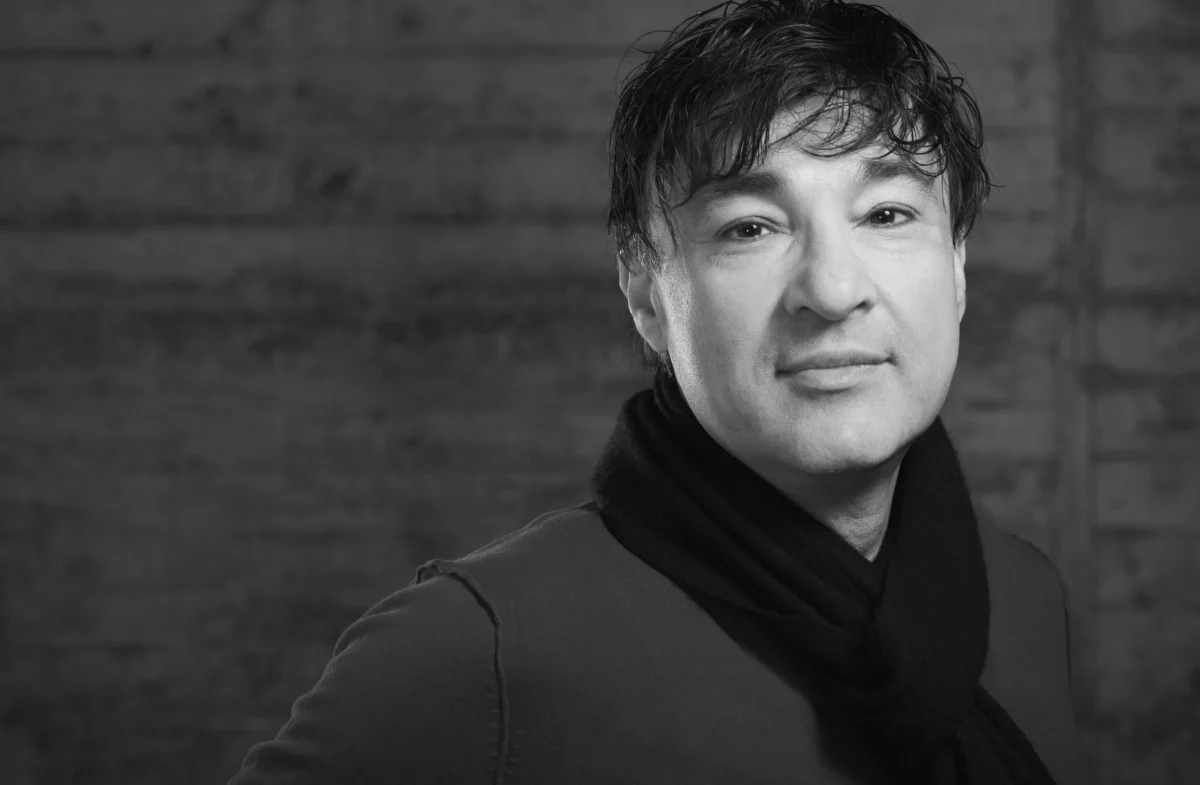
The international opera community is mourning the loss of Motti Kastón, a distinguished baritone whose career spanned over three decades and bridged the gap between the demanding stages of the Metropolitan Opera and the esteemed ensemble of the Stuttgart State Opera. Kastón passed away on September 30 at the age of 64, marking the end of a life defined by vocal versatility, technical precision, and a profound commitment to the collaborative nature of the operatic arts. His passing has triggered an outpouring of tributes from colleagues and institutions alike, highlighting the significant void his absence leaves within the German and international opera scenes.
A Chronology of a Storied Career
Born in Tel Aviv in 1961, Motti Kastón’s journey into the world of professional opera began with a rigorous academic and practical foundation. His transition from an aspiring vocalist to a globally recognized talent was accelerated by his acceptance into the prestigious Metropolitan Opera’s Lindemann Young Artist Development Program in New York. This incubator for operatic talent provided him the platform to hone his craft under the guidance of world-class mentors.
Kastón’s professional breakthrough occurred in 1989 when he made his debut at the Metropolitan Opera in Rossini’s Il barbiere di Siviglia. This performance served as a harbinger of a career defined by his affinity for the bel canto repertoire and the works of the great masters. Shortly thereafter, his international reputation was solidified when he emerged victorious at the Pavarotti Competition in Philadelphia, a distinction that opened doors to major houses across North America and Europe.
In 1991, Kastón joined the Stuttgart State Opera, an institution where he would remain a fixture for the remainder of his career. His tenure in Stuttgart was marked by an extraordinary range of roles, reflecting his ability to navigate the nuances of both Italian and Germanic operatic traditions. In recognition of his sustained contribution to the cultural life of the region, he was awarded the honorary title of "Württembergischer Kammersänger" in 2006, a prestigious designation bestowed upon artists of exceptional merit in the German-speaking world.
Artistic Range and Performance History
Kastón’s repertoire was defined by its breadth. During his tenure at the Stuttgart State Opera, he portrayed a vast array of characters, showcasing his capacity for both dramatic intensity and lyrical grace. His notable roles in Stuttgart included the titular role in Monteverdi’s L’incoronazione di Poppea, the complex lead in Verdi’s Don Carlo, and the nuanced characters of Marcello in La Bohème and Figaro in Il barbiere di Siviglia. He also demonstrated his comfort with the romantic and Wagnerian canon through his portrayal of Donner in Das Rheingold and his recurring work in Tannhäuser.
Beyond his home base in Stuttgart, Kastón was a sought-after guest artist. His international presence was bolstered by high-profile engagements, including the title role in L’Orfeo at the Opéra national de Montpellier, Enrico in Lucia di Lammermoor with the Houston Grand Opera, and repeated appearances as Wolfram in Tannhäuser and Marcello in La Bohème at both the Metropolitan Opera and the Semperoper in Dresden. These appearances underscored a career that was as geographically expansive as it was artistically deep, establishing him as a staple of the global operatic circuit during the 1990s and early 2000s.
Colleagues Remember a Kindred Spirit
The loss of Motti Kastón is felt acutely by the Stuttgart State Opera, where he served as a member of the soloist ensemble for over thirty years. Kammersängerin Helene Schneiderman, speaking on behalf of the ensemble, offered a poignant reflection on his character: "Motti will always hold a special place in our hearts. He was a man not only with a beautiful voice but also a beautiful soul. I will never forget the many wonderful and amusing moments we shared, and especially his distinctive sense of humor. Motti, we miss you already!"
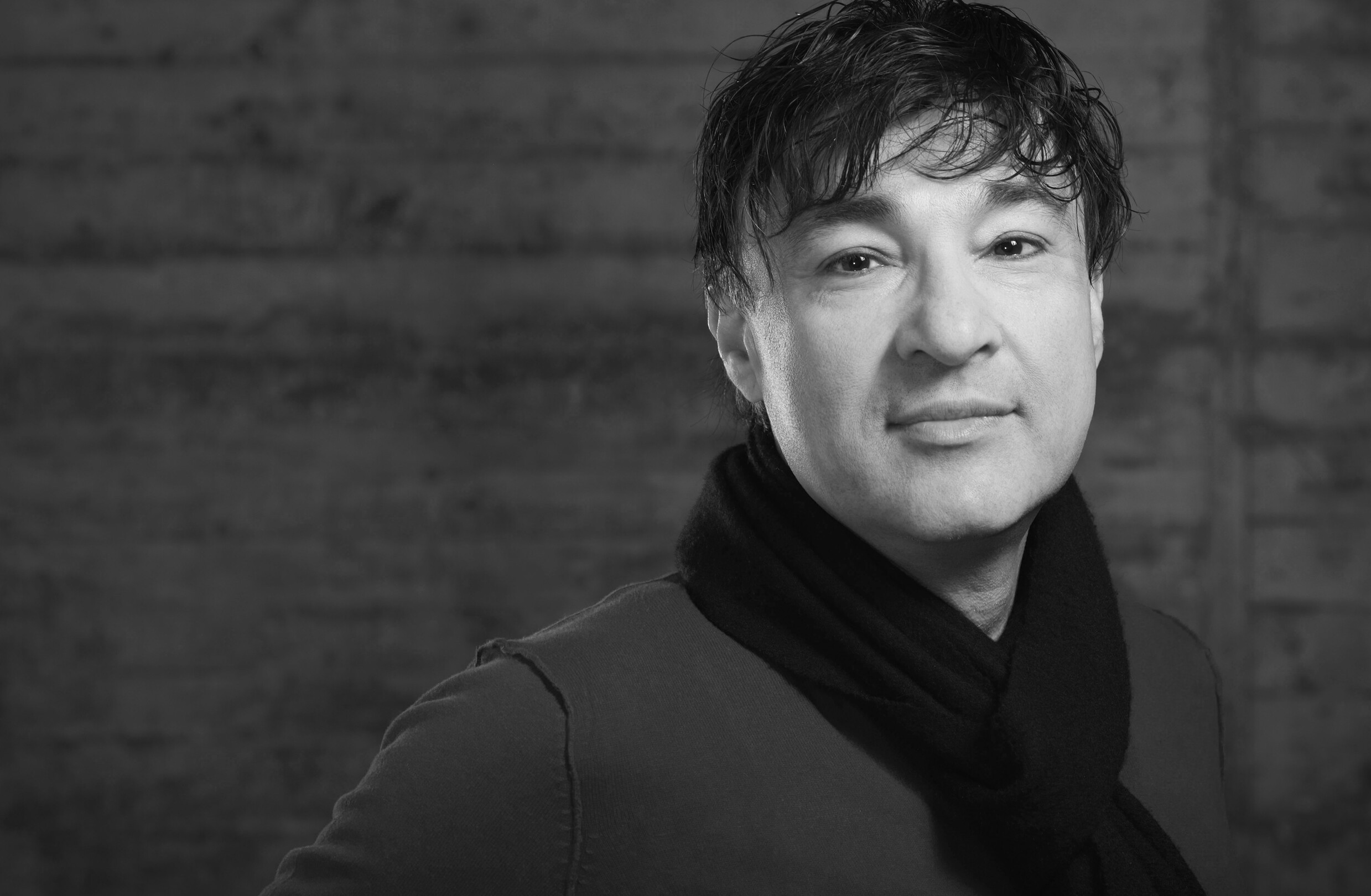
Such sentiments reflect the high esteem in which he was held by his peers. In an industry often defined by intense pressure and high-stakes performance, Kastón was noted for maintaining a collegial atmosphere, balancing his professional intensity with a warmth that endeared him to technical staff, fellow soloists, and directors. His colleagues often pointed to his ability to remain grounded despite his significant accolades, attributing his success as much to his personality as to his technical vocal capabilities.
The Significance of the Ensemble System
Kastón’s long-term commitment to the Stuttgart State Opera highlights the importance of the European ensemble system, a model that differs significantly from the project-based freelance model prevalent in many parts of the world. By dedicating himself to a single house for over three decades, Kastón became an institutional pillar. This stability allowed for a deep artistic evolution; audiences in Stuttgart were able to witness the progression of his voice and interpretation across a wide spectrum of roles over the course of his lifetime.
The "Württembergischer Kammersänger" title is not merely an honorary gesture; it represents a formal recognition of the artist’s role in sustaining the cultural integrity of the state theater. For performers like Kastón, this status brings with it a responsibility to act as a mentor to younger artists, a role he fulfilled throughout his later years. His influence on the next generation of singers, particularly those coming through the training programs associated with the Stuttgart ensemble, is considered a significant part of his enduring legacy.
Analysis of a Changing Operatic Landscape
The passing of an artist of Kastón’s generation serves as a reflective moment for the opera world. He belonged to an era where vocal training and the development of the "long-form" career—characterized by years of growth within ensemble settings—were the standard. As the industry moves toward more digital, ephemeral, and project-oriented structures, the loss of a figure like Kastón emphasizes the importance of institutional memory and the deep, sustained artistic bonds that define the traditional opera house.
Furthermore, his death at 64, while still active in the field, prompts a conversation regarding the health and well-being of touring artists and ensemble members. The demands of performing, international travel, and the physical toll of operatic singing are considerable. Kastón’s ability to sustain his career at such a high level for so long is a testament to his technical mastery and his discipline, which allowed him to transition through the varying demands of his roles over the decades.
Legacy and Future Tributes
While the immediate shock of his passing continues to resonate, the long-term impact of Motti Kastón’s work remains preserved in the recordings and the memories of the audiences who witnessed his performances. Institutions that hosted him, particularly the Stuttgart State Opera and the Metropolitan Opera, are expected to honor his memory in upcoming seasons. Such tributes are common in the industry, often taking the form of memorial performances or dedicated performances of the works he most frequented.
For those who knew him, Kastón was more than a baritone; he was a standard-bearer for a specific approach to music-making—one that prioritized emotional truth and collaboration. As the curtains close on a life of service to the arts, his contributions to the repertoire of Verdi, Rossini, and Monteverdi will remain a reference point for future generations of singers. His life stands as a reminder of the enduring power of the human voice to connect, transcend borders, and leave a lasting impression on the collective cultural consciousness. The silence left in his wake is profound, but the legacy of his voice and his humanity persists as a permanent fixture in the history of the operatic stage.