Aveline Kirana
The Royal Ballet and Opera (RBO), a cornerstone of the United Kingdom’s performing arts scene, has announced a significant restructuring that will see 64 roles eliminated from its workforce. This decision, aimed at bolstering the institution’s long-term financial sustainability, represents approximately 5% of its current staff complement of 1,169 individuals. While the majority of these reductions are anticipated to arise from unfilled vacancies, voluntary departures, and natural staff turnover, nine compulsory redundancies are also slated to occur. The RBO has been engaged in extensive consultations with BECTU, the entertainment union representing many of its staff, throughout this challenging process.
Strategic Realignment for Financial Resilience
In a statement released by an RBO spokesperson, the organization emphasized that this strategic decision is driven by a proactive approach to ensuring its continued viability. "We are focusing our resources on areas of greatest impact, including artistic work, audience growth, and investment in our sites," the spokesperson explained. "It is imperative that we act now to remain sustainable, and this requires difficult but necessary decisions. While our current financial position is sound, we must anticipate future challenges and build a more resilient operational model." This forward-looking perspective underscores a commitment to safeguarding the RBO’s artistic output and its physical infrastructure for future generations.
The RBO’s move to streamline its operations comes at a time when many major arts organizations globally are grappling with evolving funding landscapes and the economic aftershocks of recent years. The arts sector, in particular, has demonstrated a profound vulnerability to economic downturns and shifts in public and private funding. For an institution of the RBO’s stature, with its extensive operational costs and commitment to world-class artistic production, proactive financial management is not merely prudent but essential for its survival and continued artistic excellence.
Engagement with BECTU and Impact on Visitor Experience
Throughout the consultation period, the RBO has maintained open dialogue with BECTU. While agreements have been reached across most departments, discussions are ongoing concerning the visitor experience division, which encompasses front-of-house and box-office staff. Proposed changes within this area include an increased reliance on volunteers to assist ushers and a shift in scheduling and salary arrangements from weekly to monthly cycles. These adjustments are projected to result in a reduction of over 4,000 front-of-house shifts annually.
Significantly, front-of-house staff are not expected to be subject to compulsory redundancy. However, the possibility of a recruitment freeze being implemented within this department remains. Jenny Tingle, national secretary for BECTU, acknowledged the union’s efforts to mitigate the impact of these changes on its members. "Our primary objective throughout these discussions has been to minimize the detrimental effects on our members," Tingle stated. "We have worked collaboratively with the RBO to explore all avenues to achieve this, and while the situation remains challenging, we are committed to supporting our members through this period of transition."
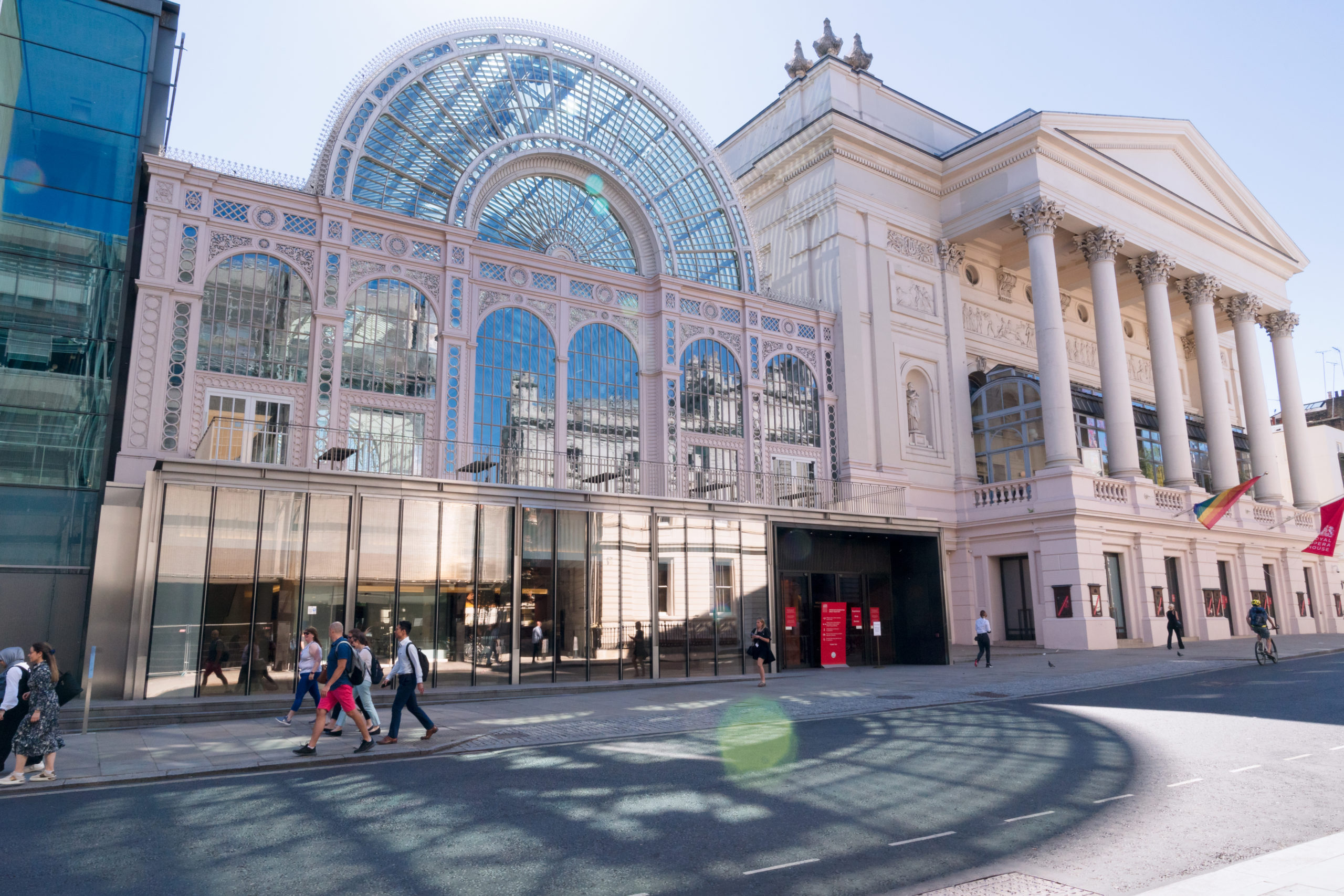
The proposed shift to monthly pay cycles, while potentially offering administrative efficiencies for the RBO, could present challenges for staff accustomed to weekly remuneration, particularly concerning budgeting and personal financial planning. The RBO’s commitment to avoiding compulsory redundancies for front-of-house staff is a positive indicator, but the potential for a recruitment freeze warrants close monitoring to ensure adequate staffing levels are maintained to deliver the high-quality visitor experience expected at Covent Garden.
Historical Context and Preceding Warnings
This round of redundancies is not without precedent. It follows a warning issued approximately a year ago by the RBO’s chief commercial officer, who highlighted the potential threat to the organization’s operations without increased investment in its Covent Garden home. This earlier statement served as an early indicator of the financial pressures the institution was beginning to face, emphasizing the critical need for robust financial planning and adequate resource allocation to sustain its ambitious artistic programs and the upkeep of its iconic venue. The current restructuring can be viewed as a direct response to those articulated concerns.
The RBO’s financial considerations are emblematic of broader challenges within the British opera and ballet landscape. Several prominent organizations have recently experienced significant funding pressures. The Welsh National Opera and Glyndebourne, for instance, have seen reductions in their Arts Council England funding in recent years. The English National Opera (ENO) has endured a prolonged and severe funding crisis, which has led to substantial cuts to its orchestra and chorus, the resignation of its Music Director, Martyn Brabbins, and ultimately necessitated a strategic partnership with Greater Manchester to secure its future. These parallel situations underscore a systemic issue within the sector, where escalating operational costs and fluctuating funding streams necessitate difficult strategic decisions for even the most established arts institutions.
Broader Implications for the Arts Sector
The RBO’s decision to implement role reductions sends a clear signal about the precarious financial realities facing large-scale performing arts organizations. While the RBO’s stated aim is to enhance long-term sustainability, the impact of such cuts can extend beyond the immediate workforce. Reduced staffing levels, particularly in areas like visitor experience, could potentially affect the overall patron engagement and the seamless execution of performances. Furthermore, the compulsory redundancies, though limited in number, represent a significant blow to the individuals affected and highlight the human cost of financial austerity in the arts.
The RBO’s strategic focus on artistic output, audience growth, and site investment suggests a deliberate effort to reorient its priorities towards revenue generation and enhanced public engagement. This approach aligns with a growing trend in the arts sector, where organizations are increasingly expected to demonstrate commercial viability and broad societal impact to secure funding from both public and private sources. The success of this strategy will likely depend on the RBO’s ability to innovate in its programming, attract new audiences, and optimize its operational efficiency without compromising the artistic integrity and quality that have defined it.
The current situation at the RBO, mirrored by challenges faced by other major British opera companies, raises pertinent questions about the future funding models for the arts in the UK. The reliance on public funding, while crucial, has proven insufficient to insulate these institutions from economic volatility. The RBO’s proactive measures, though difficult, may serve as a case study for other organizations navigating similar financial headwinds. The coming years will be critical in determining the RBO’s ability to emerge from this period of restructuring stronger and more resilient, continuing its legacy as a global leader in ballet and opera. The ongoing dialogue with BECTU will be vital in ensuring that the transition is managed with as much consideration and support for the affected staff as possible. The industry will be watching closely to see how these strategic adjustments translate into tangible improvements in financial health and continued artistic excellence.