Aveline Kirana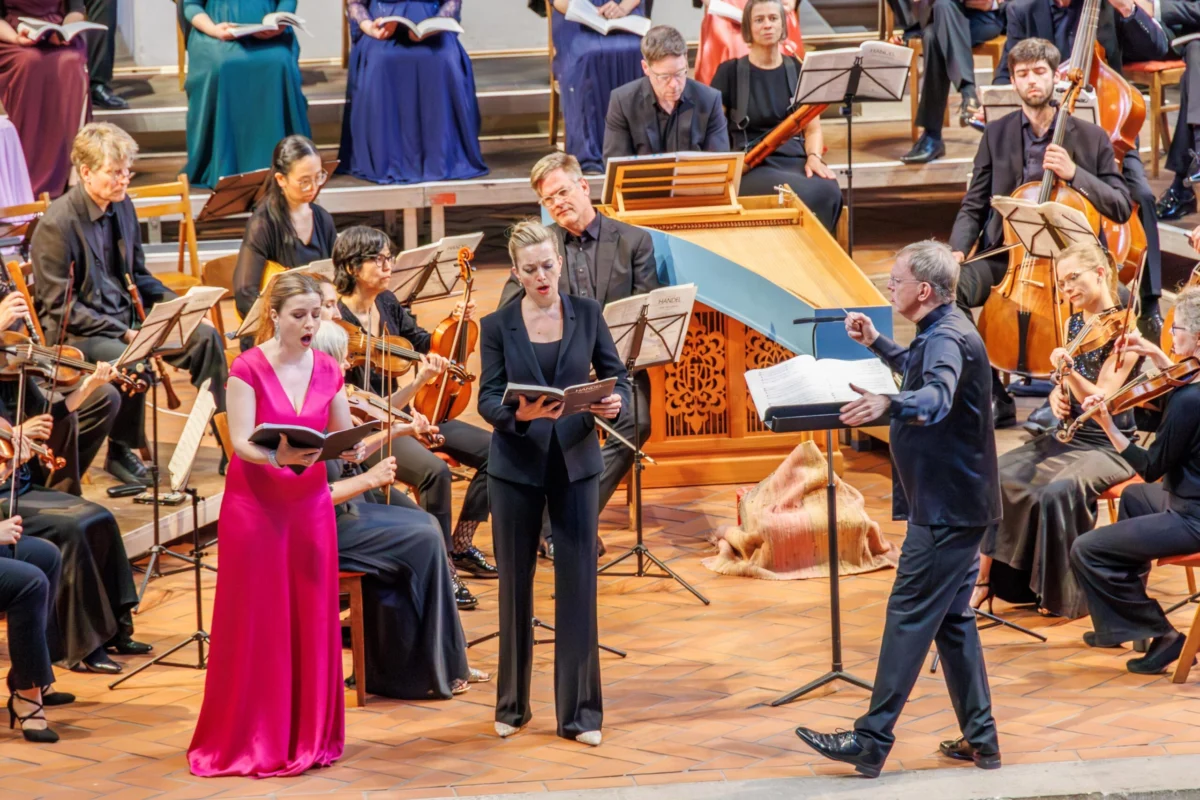
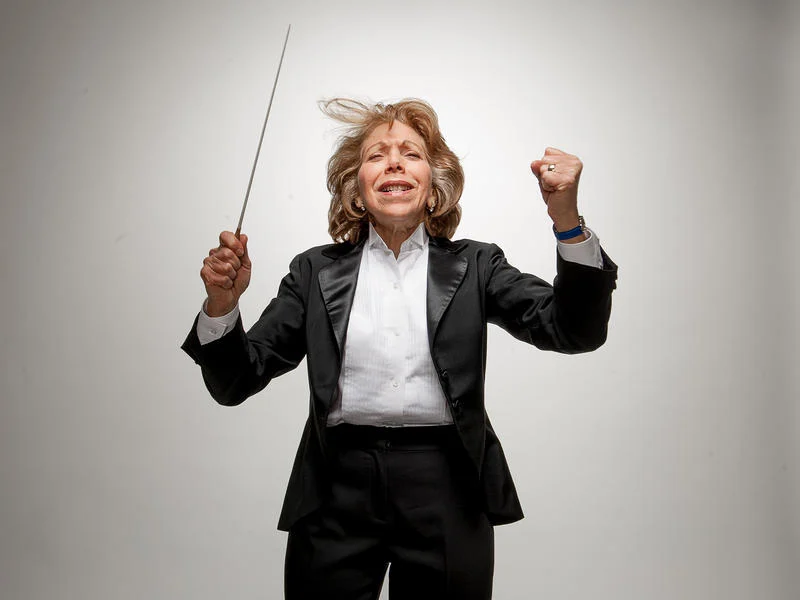
Written in the immediate aftermath of the Jacobite rising of 1745-46, George Frideric Handel’s oratorio Judas Maccabaeus was conceived as a powerful piece of propaganda, designed to celebrate the Duke of Cumberland’s decisive victory at the Battle of Culloden on April 16, 1746. The work, premiered in London on April 1, 1747, at the Covent Garden Theatre, was intended to bolster public morale and solidify support for the Hanoverian monarchy, drawing parallels between the biblical victory of Judas Maccabaeus over the Seleucid Empire and Cumberland’s suppression of the Jacobite rebellion. However, under the baton of conductor Holger Speck, with the period instrument ensemble Les Favorites and the Vocalensemble Rastatt, this recent performance transcended its origins, skillfully navigating away from a purely martial interpretation to reveal the oratorio’s profound capacity for exploring multi-layered human drama. Speck’s judicious selection of soloists and his nuanced direction fostered a performance characterized by a refined, highly structured network of musical and emotional connections, demonstrating the enduring power of Handel’s score when approached with sensitivity and intellectual rigor.
A Masterful Opening and Somber Reflections
The evening commenced with an Overture that immediately set a tone of exceptional quality. Defined by a remarkable dynamic control, the instrumentalists of Les Favorites evoked a sense of French grandeur and refined taste, a stylistic hallmark of the Baroque era that hinted at the sophistication Handel often employed, even in works with martial undertones. This carefully crafted introduction seamlessly transitioned into the chorus, "Mourn, ye afflicted children." Here, the Vocalensemble Rastatt delivered a performance of profound gravitas, achieving a beautifully balanced and somber timbre that underscored the oratorio’s exploration of suffering and loss, a theme deeply resonant with the recent conflicts.
The emotional weight of this lament was further amplified by Olivia Vermeulen’s rendition of the Israelitish Man. Her mezzo-soprano voice, imbued with a melancholic gravity, navigated the recitatives with a subtle yet palpable sense of sorrow. The intimacy of the performance was enhanced by the delicate texture of a chest organ, which provided a restrained yet resonant accompaniment. This deliberate restraint served to heighten the impact of the subsequent duet with Suzanne Jerosme, performing as the Israelitish Woman. The contrasting vocal lines, characterized by fierce dotted figures and a highly charged momentum, collided with the solid foundation of the bass string section. This interplay generated a genuine psychological tension, illustrating the personal cost of conflict and the deep emotional responses to oppression.
The Agony and Ecstasy of Liberty
The humanizing impulse within the performance reached a peak during Vermeulen’s rendition of the aria "Tis liberty, dear liberty alone." Employing an exceptionally flexible voice, Vermeulen engaged in a profound dialogue with the ensemble’s echoing phrases. She transformed this movement into a compelling micro-drama, her performance resonating not merely as a political statement but as a deeply personal and almost pastoral plea for freedom, evoking images of natural liberty and inherent rights. This interpretation moved beyond the historical context of the Jacobite rising to touch upon universal human aspirations for autonomy and self-determination.
Suzanne Jerosme, as the Israelitish Woman, provided a brilliant counterpoint to Vermeulen’s introspection. Her silken voice found moments of incandescent brilliance within the oratorio’s most operatic arias. In "From mighty kings he took the spoil," Jerosme navigated a melodic line that subtly evoked Handel’s earlier operatic fragments, showcasing his mastery of vocal ornamentation and dramatic expression. The serene elegance of the aria’s A-section was powerfully disrupted by the middle section, where an energetic basso continuo drove a stark and intense contrast, underscoring the dramatic shifts in the narrative.
Similarly, in the aria "Come, ever-smiling liberty," the music transitioned from an initially sublime, celestial dialogue with a solo cello into a joyful and triumphant reprise. Backed by the full ensemble, Jerosme unleashed a cascade of incredible embellishments, elevating the movement into a vibrant and exhilarating episode. The instrumental ensemble, Les Favorites, proved adept at translating Handel’s rhetorical text-painting into vivid theatrical action. A striking example occurred in the recitative "O let eternal honours crown his name." When Jerosme sang of a warrior roaring "like a lion," the cello unleashed a sudden, visceral growl that sent an electrifying jolt through the hall, a moment of pure dramatic verve that perfectly captured the textual imagery.
Anchors of Heroism and Counsel
As the titular hero, Judas Maccabaeus, tenor Thomas Hobbs provided a robust and heroic anchor for the performance. He commanded the stage with a masculine power that resonated through his vocal delivery. His rapid, articulation-perfect coloratura in "Call forth thy pow’rs" demonstrated technical prowess, but it was in the martial calls of "Sound an alarm!" and "With honour let desert be crown’d" that his performance reached its zenith. Propelled by the powerful string playing, the rich trumpet sounds, and the blazing brass of Les Favorites, Hobbs delivered a high-tension performance. His voice, possessing a rich metallic ring, successfully conveyed a sense of dynastic majesty, a quality inherent in the work’s original commission, but here it felt earned through vocal strength and dramatic conviction.
Providing a magisterial counterweight to Judas was baritone Matthias Winckhler as Simon. His stately accompanied recitative led into a rendition of "Arm, arm, ye brave!" that stood out for its compelling dance-like rhythm and joyful determination. The tempo built with an exhilarating speed, seamlessly flowing into the subsequent chorus, a testament to Speck’s astute pacing and the ensemble’s unified energy. Winckhler’s portrayal offered a grounded, strategic voice that complemented Hobbs’s more overt heroism.
Devotion and Exaltation
The oratorio’s third part featured the impressive talents of young countertenor Jaro Kirchgessner. In the solemn aria "Father of heav’n," Kirchgessner displayed a fine control of breath and a nearly princely pleading tone that captured the ultimate expression of religious devotion. His performance was marked by a profound sincerity, conveying the spiritual underpinnings of the narrative. Later, in the jubilant "Sing unto God," Kirchgessner stepped forward as a soloist to ignite the chorus. His magnificent melisma soared over the festive brass, a powerful and uplifting moment that showcased his vocal agility and his ability to inspire collective exultation.
The Grand Climax: Unity and Hope
The grand finale of Judas Maccabaeus served as a powerful demonstration of the Vocalensemble Rastatt’s cumulative choral capacity. The iconic chorus "See, the conqu’ring hero comes!" was meticulously layered and executed. The horn parts, opening the movement, sliced through the high chorus with brilliant sonic radiance, followed by a pristine, high female semi-chorus, before the entry of the full chorus reached a thundering zenith. This controlled build-up created a palpable sense of anticipation and ultimate triumph.
Following the tranquil, blessed mood of the duet "O lovely peace," which offered a moment of respite and reflection, the final chorus, "Rejoice, O Judah," united the entire ensemble in a grand gesture of magnificent power. The performance concluded with a sense of profound resolution, as if the music had transcended its historical origins and the weighty symbolism of Jerusalem, to find a more universal, simply human expression of joy and peace.
Context and Implication
Handel’s Judas Maccabaeus, born from a specific historical moment of political upheaval and royalist triumph, has, over centuries, demonstrated its ability to resonate with broader themes of struggle, liberation, and the human spirit. The performance by Speck, Les Favorites, and the Vocalensemble Rastatt underscored this evolution. By prioritizing the emotional depth and dramatic nuances of the score over a purely celebratory or militaristic interpretation, they offered a compelling argument for the enduring relevance of Handel’s oratorios as complex explorations of human experience.
The 1745-46 Jacobite rising, led by Charles Edward Stuart (Bonnie Prince Charlie), posed a significant threat to the British throne. The rebellion, fueled by Catholic and Jacobite loyalties, gained initial momentum but was ultimately crushed by government forces under the Duke of Cumberland, son of King George II. The Battle of Culloden was particularly brutal, cementing Cumberland’s reputation, which earned him the moniker "The Butcher." Handel, a loyal subject of the Hanoverian crown and a beneficiary of royal patronage, was quick to capitalize on this victory. The oratorio’s initial reception was overwhelmingly positive, with the "See, the conqu’ring hero comes!" chorus becoming an instant patriotic anthem, often performed separately at public celebrations.
However, the performance by Speck and his collaborators suggests a contemporary re-evaluation of the work. In an era where the narratives of conflict are often complex and multifaceted, focusing on the human drama within Judas Maccabaeus offers a more profound and lasting engagement with Handel’s genius. The ensemble’s success in weaving together individual vocal performances with the collective power of the chorus, all guided by a conductor’s sensitive hand, highlights the collaborative nature of artistic interpretation and its potential to imbue historical works with fresh meaning. The implications extend beyond this single performance; it indicates a growing trend in Baroque music performance to seek out the inherent dramatic and emotional truths within the scores, rather than adhering to rigid, historically prescribed interpretations. This approach allows audiences to connect with the music on a deeper, more personal level, recognizing the universal themes of courage, sacrifice, and the enduring human desire for freedom that lie at the heart of Handel’s masterpiece, regardless of its specific historical commission. The performance served as a powerful reminder that great art, even when born of specific political circumstances, possesses the capacity to transcend its origins and speak to the timeless aspects of the human condition.