Lana Akmaluna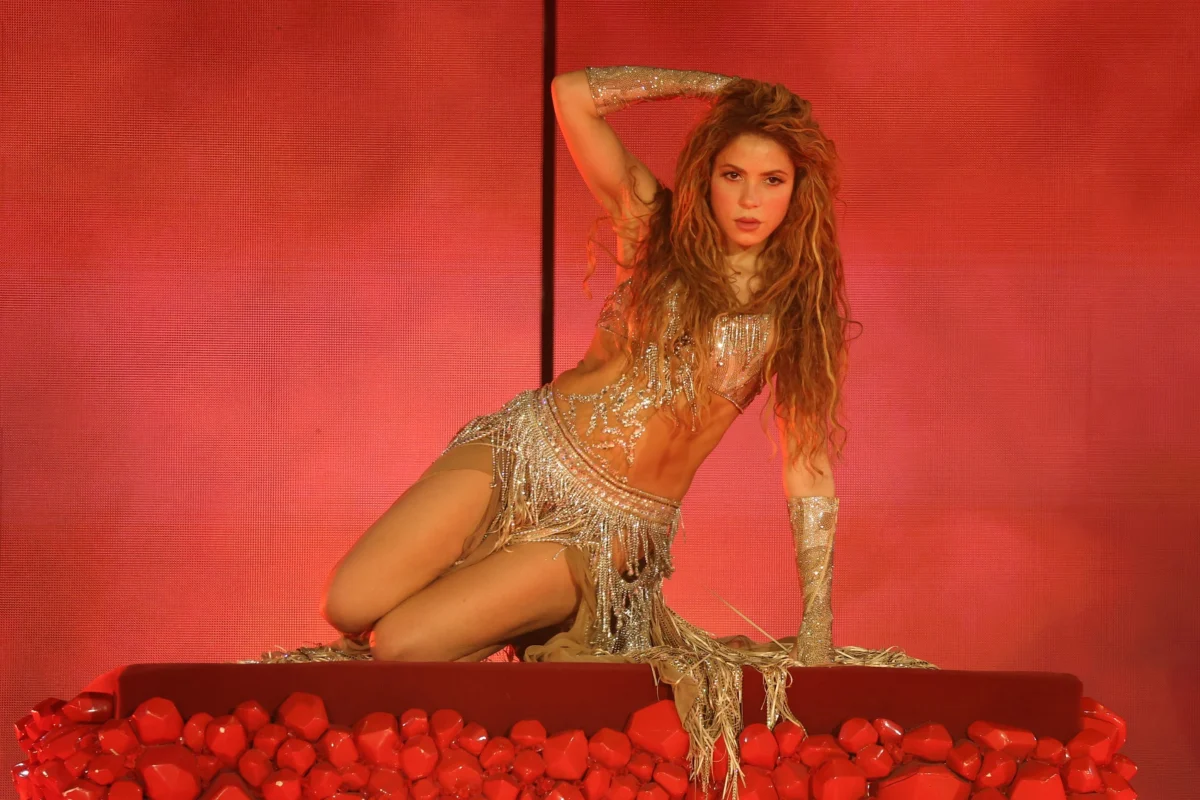
The 2026 FIFA World Cup is poised to redefine the intersection of global sport and entertainment, with Colombian superstar Shakira at the center of this cultural evolution. In an announcement that has sent ripples through both the music and sporting industries, it has been confirmed that Shakira will not only lead the tournament’s musical identity with its official anthem but will also make history as a co-headliner for the first-ever World Cup final halftime show. This landmark performance, scheduled for July 19, 2026, at MetLife Stadium in East Rutherford, New Jersey, will see the "Hips Don’t Lie" singer share the stage with pop icon Madonna and global K-pop sensations BTS, marking a significant shift in how FIFA approaches its championship ceremonies.
The inclusion of a dedicated halftime show during the final match represents a departure from traditional FIFA protocols, drawing clear inspiration from the high-production spectacles seen during the NFL’s Super Bowl. By securing three of the most influential acts in modern music history—representing Latin America, the United States, and Asia—FIFA signals an intent to capture a truly universal audience. Shakira, who has become synonymous with the World Cup over the past two decades, described the upcoming event as a pivotal moment for global cohesion. In a recent cover story with People, she emphasized the importance of the tournament’s timing, stating that the event will be "all about bringing people together in this very sensitive moment in time, socially and politically."
The Evolution of the 2026 Anthem: Dai Dai and Global Collaboration
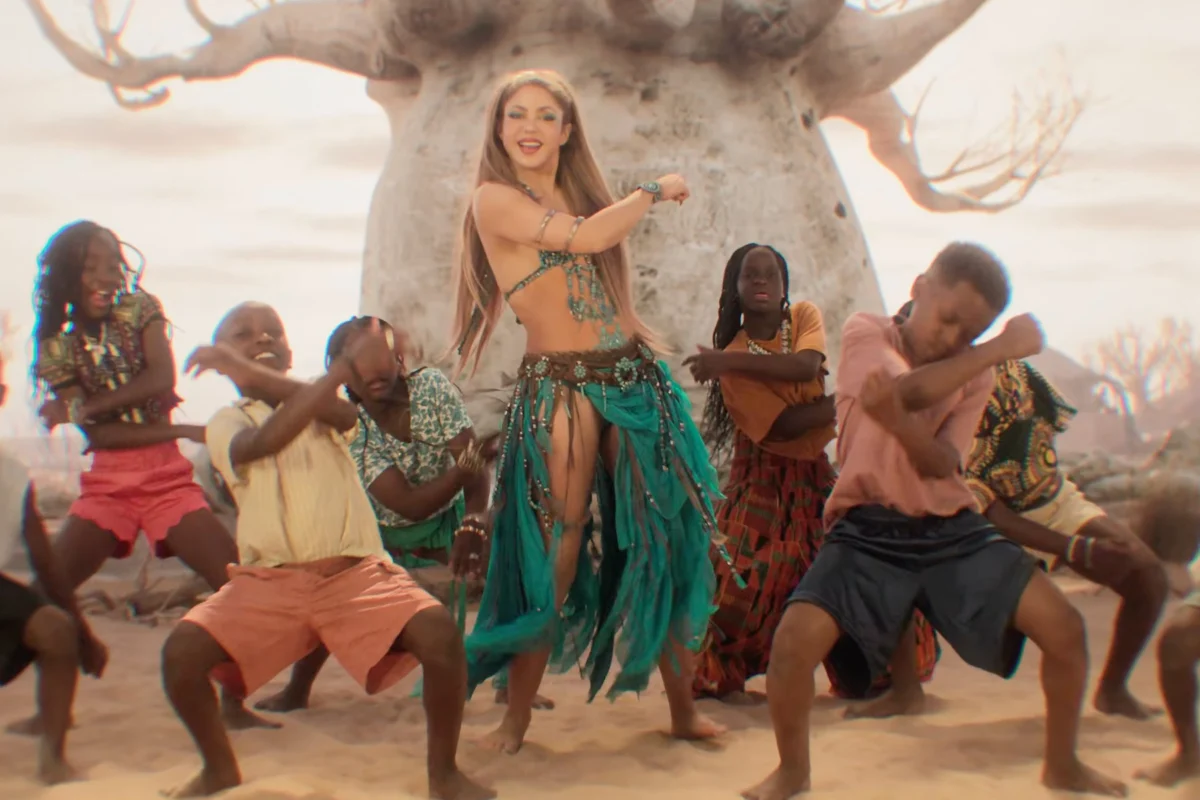
Central to Shakira’s involvement in the 2026 cycle is the release of the official anthem, "Dai Dai." Released in May, the track features a collaboration with Nigerian pioneer Burna Boy, a move that bridges the gap between Latin American reggaetón and West African Afrobeats. The song is a sophisticated tapestry of genres, blending dance-pop sensibilities with world beats and traditional rhythmic structures. The choice of Burna Boy as a collaborator underscores the growing global dominance of the Afrobeats genre and reflects the diverse, tri-nation hosting of the 2026 tournament by the United States, Canada, and Mexico.
"Dai Dai" serves as more than just a promotional tool; it is a philanthropic vehicle. In a move that aligns with modern corporate social responsibility trends, 100 percent of the song’s royalties are being donated to the FIFA Global Citizen Education Fund. This initiative is designed to provide comprehensive education and soccer-related resources to underprivileged children across the globe. Shakira, a long-time advocate for early childhood education through her own Barefoot Foundation (Pies Descalzos), noted that the song carries a message of resilience. "It’s a message for every child who’s been told that their dream is too big," she told People. "And to remind us that every champion started out as a kid who perhaps went through hardship and struggles, but there was someone that believed in them, and that’s why they didn’t give up."
Historical Context: Shakira’s Unbreakable Bond with FIFA
Shakira’s appointment for the 2026 anthem marks the second time she has been officially tapped by FIFA for a lead tournament song, following the monumental success of 2010’s "Waka Waka (This Time for Africa)." While she also contributed "La La La (Brazil 2014)" for the tournament in South America, "Waka Waka" remains the gold standard for sporting anthems. According to Billboard data, "Waka Waka" peaked at No. 2 on the Hot Latin Songs, Latin Airplay, and Latin Pop Airplay charts. On the Billboard Hot 100, it reached No. 38, demonstrating significant crossover appeal in the English-speaking market. Most impressively, the track spent 42 weeks at No. 1 on the Latin Digital Song Sales chart, making it the longest-leading title of Shakira’s storied career.
The singer’s history with the World Cup began even earlier, with a performance of "Hips Don’t Lie (Bamboo Version)" at the 2006 final in Berlin. This twenty-year association has cemented her status as the "Queen of the World Cup," a title she embraces with personal passion. "I have this connection with [soccer] that seems unbreakable," she remarked, reflecting on a career that has seen her perform at three different World Cup closing ceremonies (2006, 2010, and 2014).

The Strategic Significance of the Halftime Trio
The selection of Madonna and BTS to join Shakira at MetLife Stadium is a calculated move to maximize viewership across multiple demographics. Madonna, often cited as the "Queen of Pop," brings a legacy of boundary-pushing performances and a massive Western fan base. Her involvement ensures that the halftime show will carry the weight of a major cultural event. Conversely, the inclusion of BTS—the first K-pop act to headline a FIFA final—targets the younger, digitally savvy Gen Z audience and the massive Asian market.
The 2026 World Cup is already historic for its scale; it will be the first tournament to feature 48 teams, up from the traditional 32, and will be played across 16 cities in three countries. Industry analysts suggest that a halftime show of this magnitude is a strategic attempt to monetize the "dead air" of the mid-game break, potentially generating hundreds of millions of dollars in additional advertising revenue and streaming engagement. For BTS, the 2026 performance will coincide with their full return to the global stage following the completion of their mandatory military service in South Korea, making it one of the most anticipated live appearances of the decade.
Venue and Logistics: The Road to MetLife Stadium
MetLife Stadium, the venue for the July 19 final, is no stranger to massive events. With a seating capacity exceeding 82,000, it has hosted Super Bowls, WrestleMania, and numerous sold-out concert residencies. However, transforming a soccer pitch into a world-class concert stage within the strictly allotted 15-minute halftime window presents a logistical challenge unprecedented in FIFA history.
FIFA officials have reportedly been in consultations with producers who have handled Super Bowl halftime shows to ensure the transition is seamless and does not affect the quality of the pitch for the second half of the championship match. The "sensitive moment" Shakira referenced likely pertains to the geopolitical tensions and social divisions currently felt worldwide. By staging a show that features an American legend, a Latin American icon, and a South Korean phenomenon, FIFA aims to utilize the "soft power" of music to promote a message of international solidarity.
Economic and Cultural Implications
The broader implications of Shakira’s 2026 involvement extend into the realms of tourism and digital consumption. Anthems like "Dai Dai" are designed to go viral on platforms such as TikTok and Instagram, driving engagement long before the first whistle blows. The partnership with Global Citizen further elevates the tournament’s profile, shifting the narrative from mere athletic competition to global social advocacy.
From a commercial standpoint, Shakira’s return to the FIFA stage is expected to boost her streaming numbers significantly. In previous World Cup years, her catalog has seen spikes of over 200% in global plays. With the addition of Burna Boy’s audience and the combined "Army" of BTS fans, "Dai Dai" is projected to be one of the most-streamed songs of 2026.
As the countdown to the 2026 FIFA World Cup continues, the focus remains on how these musical titans will harmonize their distinct styles. Shakira’s ability to weave together diverse cultural threads has been the hallmark of her career. Whether through the Afrobeats-infused rhythms of "Dai Dai" or the upcoming high-octane halftime show at MetLife, the Colombian artist is set to prove once again that music and sport possess a unique, shared language capable of transcending borders. For fans and players alike, the 2026 tournament promises to be a sensory experience that honors the tradition of the "beautiful game" while embracing the future of global entertainment.