Aveline Kirana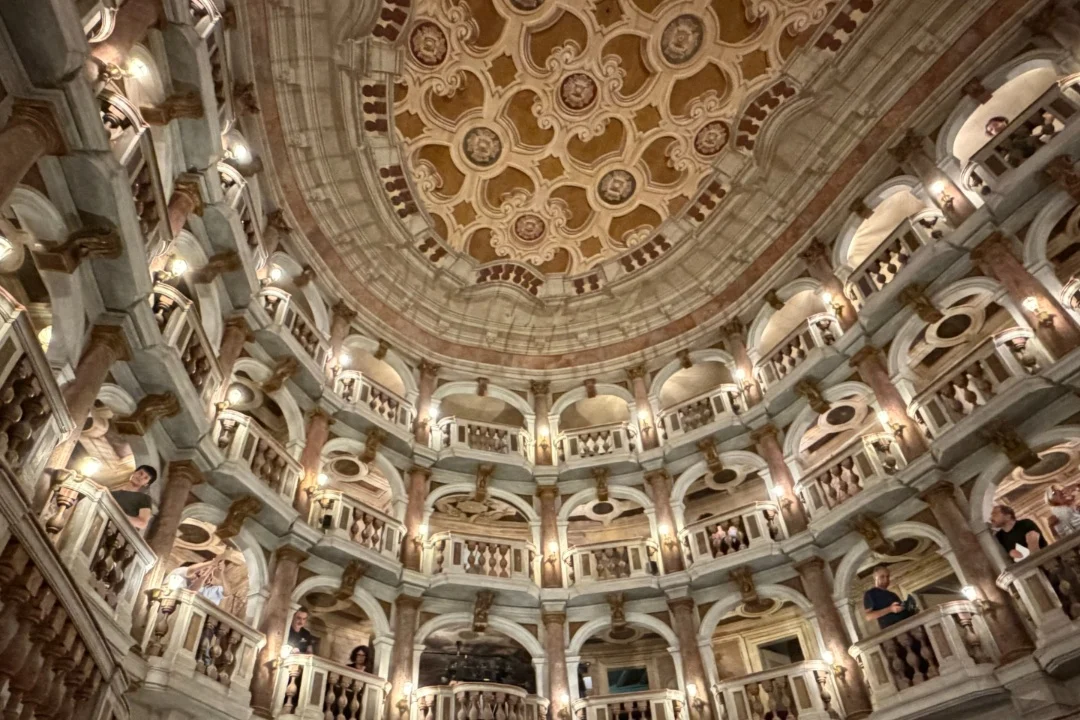
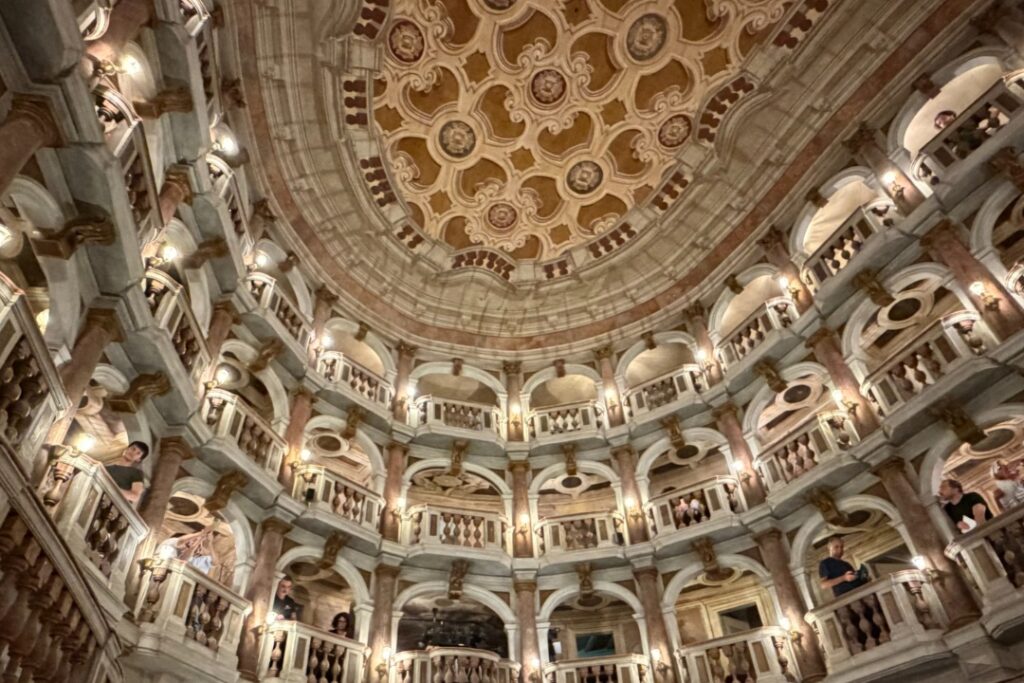
The annual Monteverdi Festival commenced its 2026 season with a performance steeped in history and artistic brilliance, gracing the magnificent 18th-century Teatro Bibiena di Mantova. This iconic venue, also known as the Scientific Theater of Mantua, holds a special place in musical history as the site of a nearly 14-year-old Wolfgang Amadeus Mozart’s first Italian concert, accompanied by his father. The theater’s unique architectural design, conceived by Antonio Galli da Bibiena, was originally intended for scientific discourse, featuring a distinctive bell-shaped auditorium and tiered boxes adorned with monochrome frescos. These elements, coupled with a prominent statue of a Mantuan humanist, contribute to an atmosphere that is both intellectually stimulating and aesthetically captivating. The ingeniously designed stage area, with its rear platform and adaptable box seating, allows for either an intimate audience experience or expanded performance space, proving particularly advantageous for the grand scale of the evening’s program. The Teatro Bibiena’s acoustics, further enhanced by the carefully positioned curtains within the boxes, contribute to a remarkably clear and resonant sound, reminiscent of a world-class symphony hall, with the high, bell-shaped ceiling expertly amplifying the warmth and richness of the musical timbre.
This year’s festival program, presented by Michele Pasotti and the acclaimed La Fonte Musica orchestra and choir, alongside a stellar cast of soloists, was widely anticipated to be a highlight of the cultural calendar. The ensemble featured mezzo-soprano Luciana Mancini as Dido, baritone Mauro Borgioni as Aeneas, soprano Carlotta Colombo as Belinda, and countertenor Alex Potter as the Sorceress. Their collective performance was lauded as the "jewel of this year’s festival," a testament to the artistic caliber and thematic depth of the chosen repertoire.
A Prelude of Storm and Majesty: Matthew Locke’s "The Instrumental Musick Used in The Tempest"
The evening’s sonic journey began with a masterful rendition of instrumental music by Matthew Locke, drawn from his compositions for Shakespeare’s iconic play, "The Tempest." This selection served as a profound and insightful prelude to the main opera, Henry Purcell’s "Dido and Aeneas." Michele Pasotti’s decision to open with Locke’s evocative soundscapes was a strategic choice, effectively setting a dramatic and foreboding tone that seamlessly transitioned into the operatic narrative.
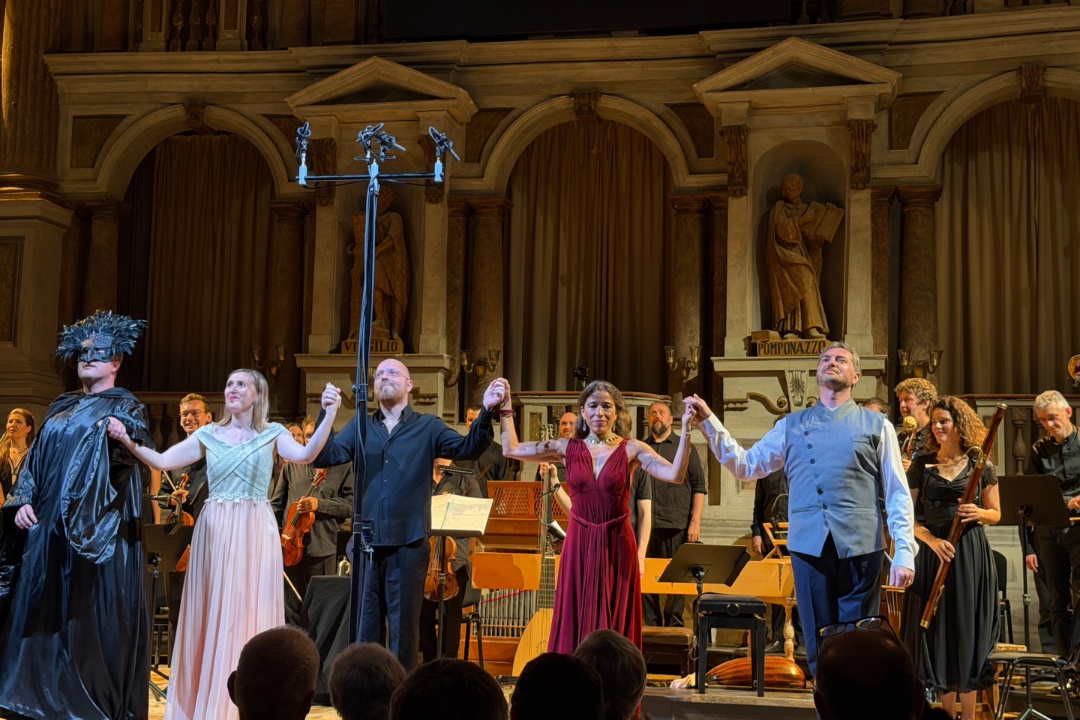
The ensemble performed "The First Musick" (Introduction, Galliard, and Gavot) and "The Second Musick" (Saraband, Lilk, and Curtain Tune) with a mounting intensity. The performance was particularly striking as the musicians captured the tempestuous fury of the sea, their playing imbued with a palpable fervor. A dramatic effect was further amplified by the use of a large sheet of metal suspended at the rear of the stage. As a member of the choir struck this instrument, it produced a thunderous wave of sound, vividly simulating the roar of a storm.
The instrumentalists of La Fonte Musica who contributed to this powerful opening were: Stefano Barneschi, Ayako Watanabe, and Lathika Vithanage on first violin; Gabriele Pro and Anna Maddalena Ghielmi on second violin; Gianni de Rosa and Efix Puleo on viol; Vanni Moretto on bass violin; Riccardo Coelati Rama on violone; Federica Bianchi on harpsichord and organ; Giulia Genini on dulciana and flute; and Michele Pasotti himself, featuring Stan Geudens on theorbo. The precision and passion of these musicians laid a robust foundation for the emotional arc of the evening.
The Enduring Tragedy of "Dido and Aeneas"
Following the tempestuous prelude, the stage shifted to the tragic grandeur of Henry Purcell’s 17th-century opera, "Dido and Aeneas." This semi-staged production delved into the timeless story of love, betrayal, and loss, drawing from Nahum Tate’s libretto, which itself was based on the fourth book of Virgil’s "Aeneid." The historical context of "Dido and Aeneas" is complex; the original manuscript has not survived, and contemporary performances often rely on reconstructions. The version presented at the Monteverdi Festival utilized a manuscript from Tatton Park, meticulously copied by Philip Hayes. As Pasotti noted in his program, Hayes was a dedicated Purcell enthusiast who sought to preserve the composer’s original musical language, a commitment that aligns with the festival’s dedication to historical performance practices. This approach stands in contrast to other versions that have been significantly altered to suit more modern tastes.
The opera commenced with Act I, "The Palace," immediately following Locke’s C minor instrumental music. Soprano Carlotta Colombo, as Belinda, delivered the opening lines, "Shake the cloud from off your brow," with remarkable clarity and energy. Her vocal agility was a standout feature, supported by a solid technique that allowed her high notes to soar effortlessly. The chorus provided excellent vocal support, adding depth and resonance to her performance.
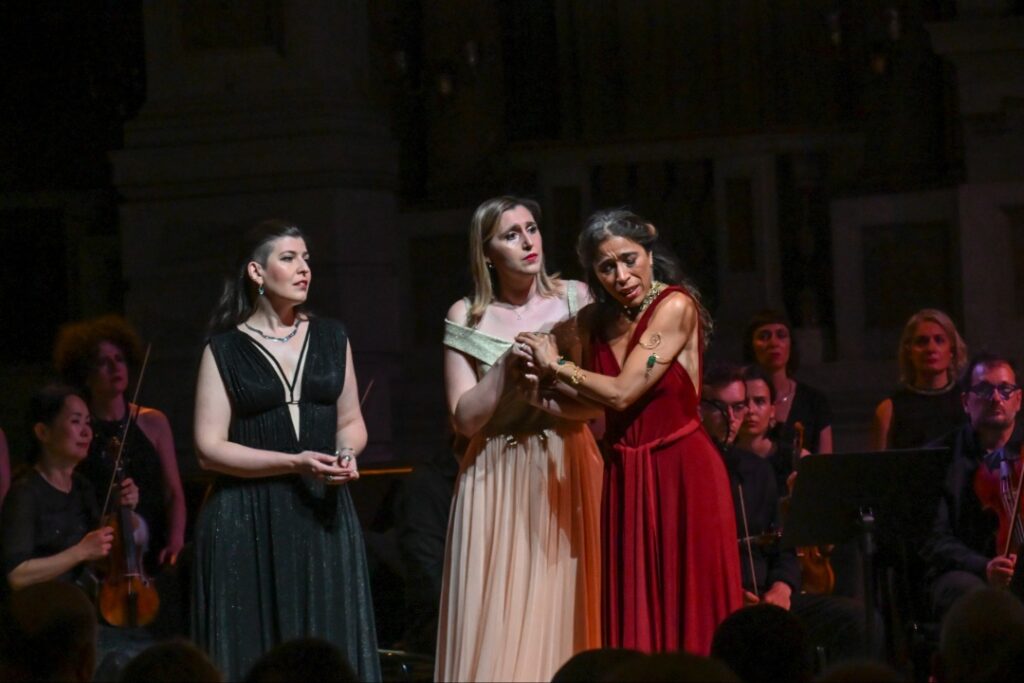
Luciana Mancini, embodying the tragic Queen Dido, conveyed profound sorrow in her rendition of the aria "Ah! Belinda I am prest." Mancini’s voice possessed a dark, lamenting quality, and her acting was deeply imbued with the character’s pain. A particularly poignant moment occurred during "Grief increases by concealing," where Mancini, Colombo, and the chorus united in a powerful expression of solidarity surrounding Dido’s hidden anguish.
The ensemble then performed an instrumental version of "Fear no danger to ensue" with a spirit of joy and lightness, showcasing the virtuosity of the orchestra. Giulia Genini’s flute solo during this piece was particularly exquisite, adding a delicate melodic layer.
Baritone Mauro Borgioni made his entrance as Aeneas during "See our royal guest appears," met by the chorus’s spirited response in "Cupid only throws the dart." The interplay of their voices within the acoustically rich hall was delightful, demonstrating the perfect acoustics of the Teatro Bibiena. Borgioni’s baritone timbre proved an ideal match for Purcell’s score in his aria "If not for mine for Empire’s sake." His voice resonated with comfort and openness, and his commanding stage presence invigorated those around him, solidifying his portrayal of a noble prince.
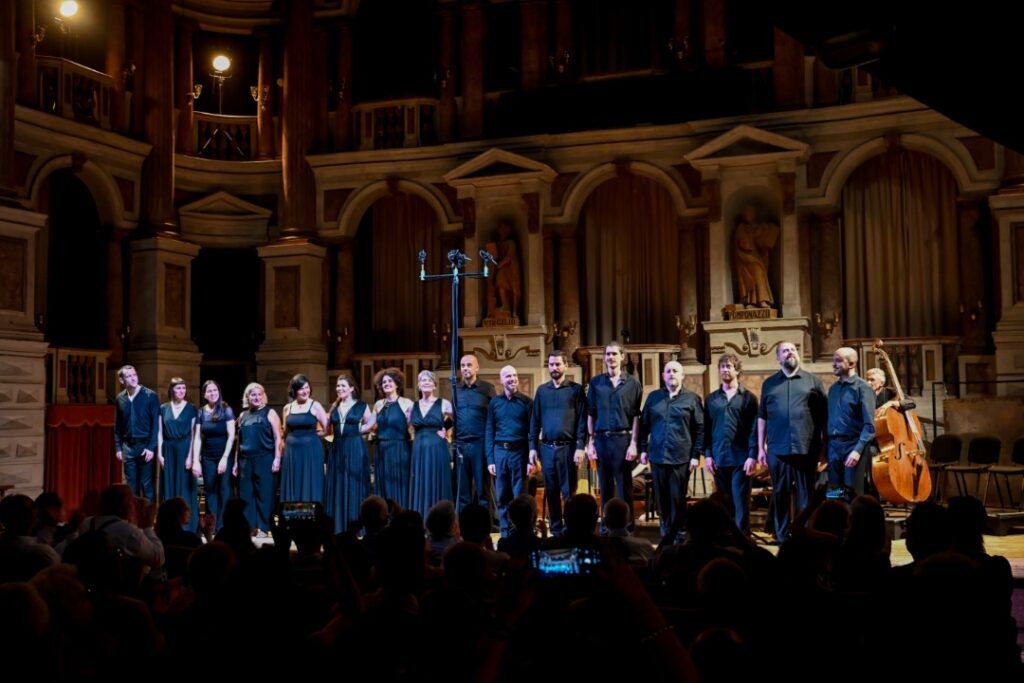
Carlotta Colombo showcased her vocal agility in the quick-paced aria "Pursue thy conquest love," maintaining a relaxed jaw and precise coloratura. The chorus shone once more in "To the hills and the vales," their diction and enthusiasm outstanding, contributing significantly to the night’s overall impact. The chorus members included sopranos Francesca Cassinari, Alena Dantcheva, Cristina Fanelli, and Anna Piroli; altos Elena Carzaniga, Giulia Beatini, Daniel Brittain, and Maria Chiara Gallo; tenors Massimo Altieri, Tom Kelly, Massimo Lombardi, and Roberto Rilievi; and basses Alessandro Ravasio, Matteo Bellotto, Renato Cadel, and Lorenzo Tosi.
Moments of Enchantment and Darkness
Countertenor Alex Potter, as the Sorceress, made a dramatic entrance clad in a long black cape and a striking feathered headdress. His performance of "Wayward sisters you that fright" was marked by precise vocal trills as he summoned his accomplices for "Harm’s our delight." Potter’s rendition of "The Queen of Carthage" aria intensified the dramatic tension, punctuated by the witches’ chilling laughter.
The witches, portrayed by Alena Dantcheva (First Witch) and Francesca Cassinari (Second Witch), delivered "But ere we this perform" with notable vocal agility and radiant voices. Their performance in "In our deep vaulted cell" marked a turning point, as their mischief escalated. The choreography cleverly utilized the theater’s unique architecture, with the witches taking over the wooden boxes behind the stage. Their long black capes were a striking visual element in the dim light as they swayed rhythmically, creating an atmosphere of palpable intrigue and brewing magic.
Carlotta Colombo’s performance as Belinda reached a pinnacle in her aria "Thanks to these lonesome vales," a moment described as her crowning achievement. The duet "Oft she visits this loved mountain," performed by Mancini and La Fonte Musica, was a sublime display of harmonic bliss, with the strings section delivering particularly exquisite passages.
Mauro Borgioni’s voice rang out gloriously in "Behold upon my bending spear," with the chorus masterfully following his lead. Supporting roles were also commendably executed: Fanelli as a Spirit, Altieri as Sailor, and Piroli as Second Woman all delivered strong performances. "Come away fellow sailors" offered a brief, gentle respite from the dramatic intensity.
The performance built towards its climax with "See see the flags," featuring Potter, Dantcheva, and Cassinari in a scene of witching wonderment, culminating in their final witch dance, "Destruction’s our delight."
Dido’s Lament and a Memorable Finale
The opera reached its emotional apex with Dido’s descent into despair. Mancini’s rendition of "But death alas I cannot shun" powerfully conveyed Dido’s acceptance of her fate. Her final and perhaps most famous arias, "Thy hand Belinda when I am laid" and "When I am laid in earth (Dido’s Lament)," were deeply moving highlights of the performance.
The final scene saw the chorus, clad in their long black capes, slowly process onto the platform, each holding a single lit candle. As they sang "With drooping wings Cupids come," the flickering candlelight cast long shadows, and their slow, deliberate movements created a suspended moment in time. This tableau, with its fusion of intimate candlelight, the evocative music of La Fonte Musica, and the historical grandeur of the Teatro Bibiena, provided an unforgettable and deeply resonant conclusion to the performance. The reviewer expressed that "there really is nothing like live singing," and that this experience would be cherished forever, a testament to the power of live opera in a historically significant setting. The collective effort of all involved, from musicians and soloists to the technical crew and stagehands, contributed to an "unforgettable night," earning a resounding "Bravi tutti!"