Aveline Kirana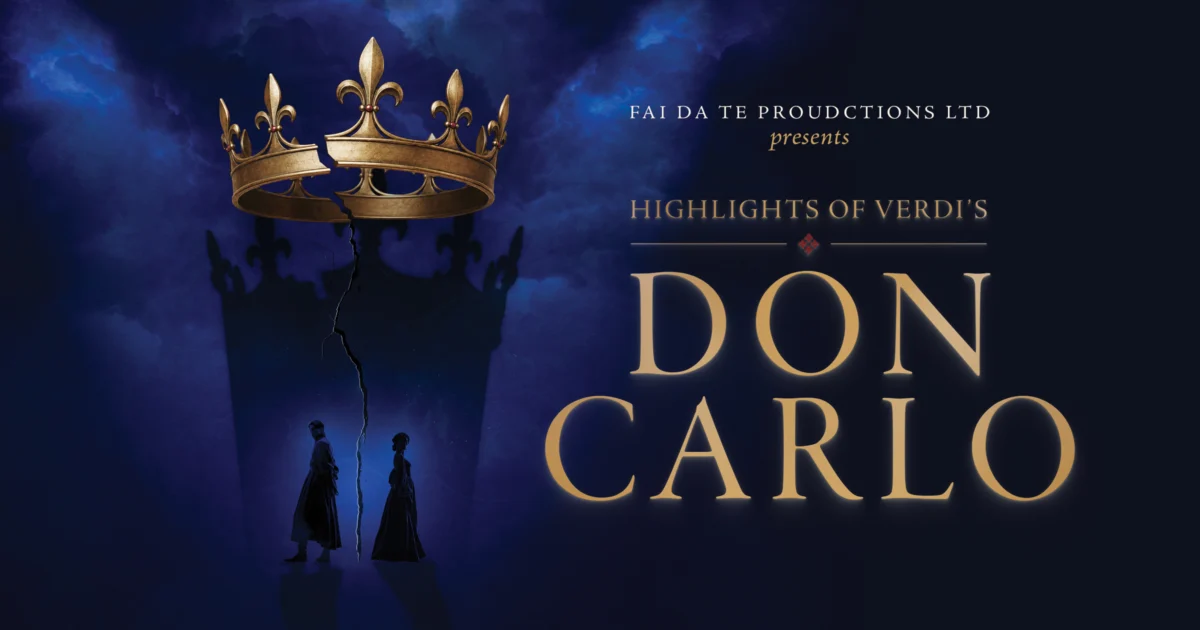
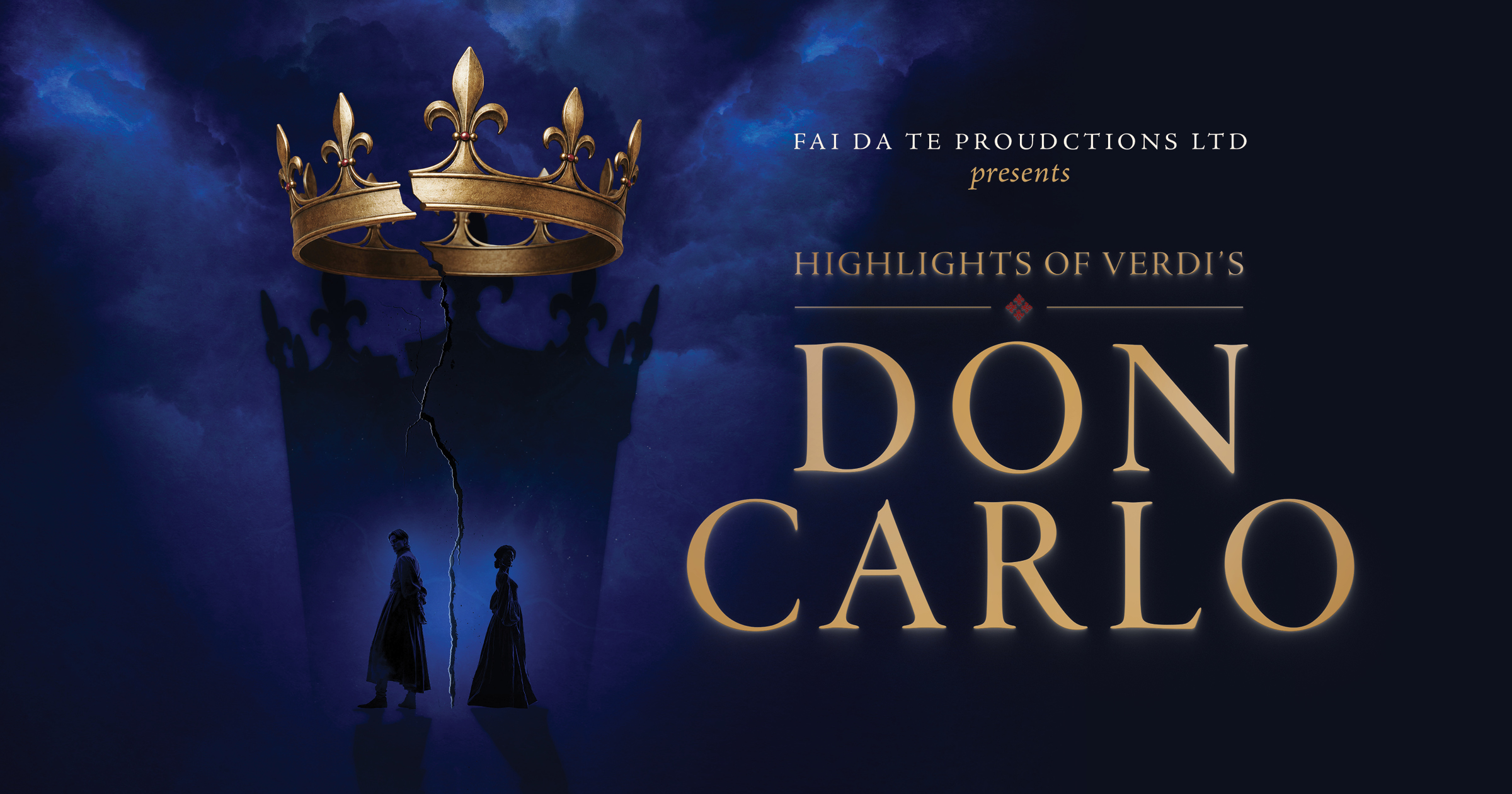
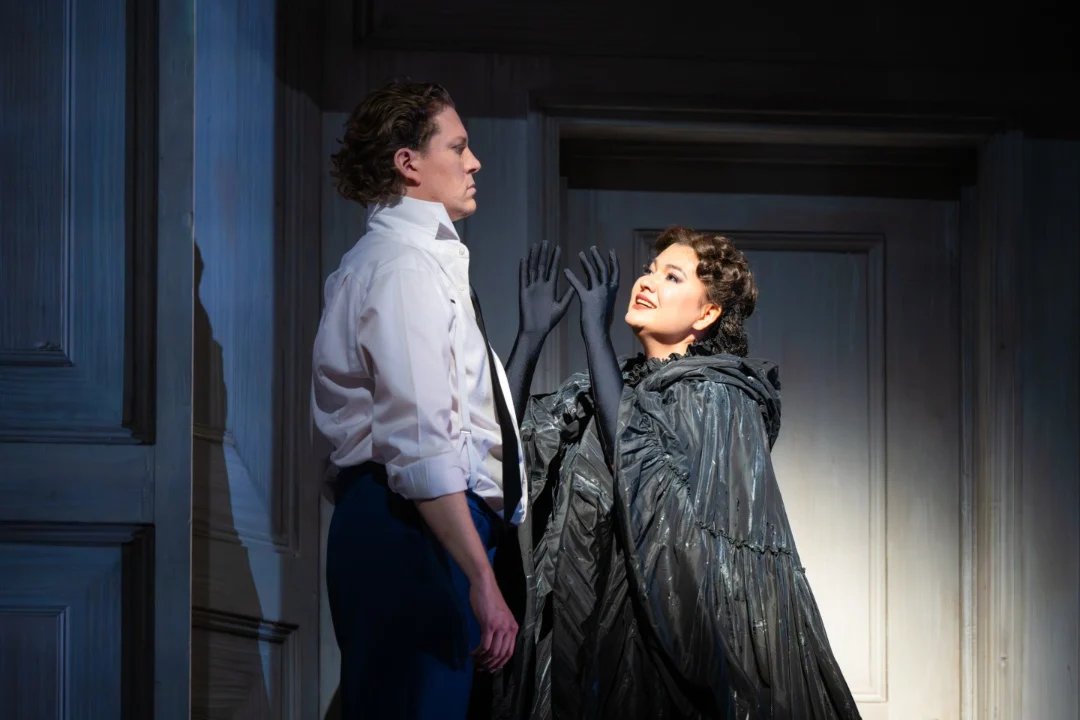
This highly anticipated showcase at the esteemed Cadogan Hall in London represents a significant undertaking for Fai Da Te Productions, as it aims to condense one of Giuseppe Verdi’s most structurally complex and emotionally demanding masterpieces into a focused, high-intensity concert format. The production will utilize the 1886 Modena version of the opera, a critical edition that remains the gold standard for many contemporary companies due to its refined pacing and the omission of the sprawling Fontainebleau act, which often complicates the narrative trajectory of the original five-act French version.
The Cast and Artistic Ensemble
The production boasts a lineup of established vocalists known for their versatility in the Italian repertoire. Tenor Gwyn Hughes Jones, recognized for his robust projection and nuanced phrasing, is slated to inhabit the title role of Don Carlo. His performance will be complemented by the dramatic presence of soprano Elizabeth Llewellyn, who takes on the role of Elisabeth de Valois. Llewellyn, frequently lauded for her rich timbre and command of the Verdian line, brings a depth of experience that is essential for the character’s evolution from an innocent princess to a conflicted, mournful queen.
The supporting cast is equally robust, featuring bass David Soar as the imposing King Filippo II, baritone Patrick Alexander Keefe as the noble Rodrigo, and mezzo-soprano Anna Werle as the volatile Princess Eboli. The integration of students from the Royal Conservatoire of Scotland into the chorus provides a unique pedagogical dimension to the event, offering emerging artists the opportunity to perform alongside seasoned professionals on a world-class stage. The musical foundation will be provided by an ensemble drawn from the Glyndebourne Sinfonia, an orchestra with a storied history of performing Verdi with precision and stylistic integrity.
The ensemble will be led by conductor Matthew Kofi Waldren. Waldren’s recent critical successes, most notably his commanding leadership of Puccini’s La Fanciulla del West at Opera Holland Park, suggest a directorial approach that prioritizes dramatic urgency and orchestral clarity. His involvement serves as a signal that the production intends to maintain a high degree of musical sophistication despite the abbreviated nature of the concert.
Chronology and Performance Details
The performance is scheduled for a single evening on November 24, 2026. The concert will run for a duration of two hours and 45 minutes, inclusive of an interval. This structure is designed to isolate the most pivotal moments of the opera—the internal political struggles, the existential angst of the Spanish crown, and the tragic intersections of personal duty and public mandate.
The selection of the 1886 Modena version is a deliberate artistic choice. Historically, Verdi revised Don Carlo multiple times following its 1867 Paris premiere. The 1886 iteration serves as a synthesis of his mature compositional style, stripping away excessive ballet and secondary subplots to hone in on the core psychological conflict between father and son. By presenting this version, Fai Da Te Productions is catering to an audience that values both the historical authenticity of the score and the narrative efficiency required in a concert setting.
Contextual Background: The Significance of Don Carlo
Don Carlo is often cited by musicologists as the pinnacle of Verdi’s mid-to-late period, a bridge between the grandiosity of his earlier operas and the psychological intimacy of his final masterpieces, Otello and Falstaff. The opera is notoriously difficult to stage due to its immense length and the sheer number of soloists required to carry the narrative.
For many modern opera companies, a full-scale staging of Don Carlo is a logistical and financial burden. Consequently, the "highlights" format has become an increasingly popular way to keep the work in the public consciousness. By isolating the most significant arias, duets, and ensemble pieces, Fai Da Te Productions allows the audience to experience the intellectual density of the score without the potential pacing issues associated with a five-hour full production.
Fact-Based Analysis of Market Implications
The decision to host this performance at Cadogan Hall indicates a strategic positioning within the London classical music scene. Cadogan Hall, known for its intimate acoustics and proximity to the center of the city’s cultural hub, is an ideal venue for an operatic concert. It allows for a more immediate connection between the singers and the audience than a larger, cavernous opera house might permit.
From a commercial standpoint, the production reflects a growing trend in the industry: the rise of independent, boutique production houses. As traditional, state-funded opera houses face increasing budgetary constraints and the pressure to fill seats, smaller production companies are finding success by focusing on high-quality, targeted performances of repertoire that is typically reserved for major houses. By pooling resources from the Royal Conservatoire of Scotland and the Glyndebourne Sinfonia, Fai Da Te Productions is effectively demonstrating how inter-institutional collaboration can sustain large-scale artistic projects.
Anticipating the Audience Experience
Industry observers suggest that the success of such a production rests on the conductor’s ability to weave disparate highlights into a cohesive emotional arc. Unlike a full opera where the momentum is built through gradual scene development, a concert highlights format relies heavily on the intensity of each individual set piece.
The casting of Patrick Alexander Keefe as Rodrigo, the Marquise of Posa, is particularly vital. As the moral conscience of the opera, his interplay with Gwyn Hughes Jones will set the tone for the entire evening. Similarly, the inclusion of Anna Werle as Eboli provides the necessary vocal and dramatic contrast to Llewellyn’s Elisabeth. The audience can expect a focus on the "big moments"—specifically the Act 2 duet between Carlo and Rodrigo, the haunting "O don fatale" for Eboli, and the climactic confrontations between King Filippo and the Grand Inquisitor, should the production include those essential sequences.
Broader Impact on the Operatic Landscape
The decision to showcase students from the Royal Conservatoire of Scotland alongside established artists like Jones and Llewellyn is a strategic move that addresses a broader concern within the industry: the transition of emerging talent into the professional sphere. By providing a platform at Cadogan Hall, Fai Da Te Productions is essentially acting as a bridge for the next generation of operatic performers.
Furthermore, this concert serves as a case study for the sustainability of independent opera. In an era where digital content often competes with live performance, the draw of a live, high-stakes concert experience remains potent. By stripping the opera of its elaborate sets and period-accurate costuming—often the most expensive aspects of a production—the focus shifts entirely to the vocal prowess of the cast and the precision of the orchestra. This "back-to-basics" approach often finds favor with critics and purists who prioritize the integrity of the score above the spectacle of modern stage design.
Conclusion and Expectations
As November 2026 approaches, the expectations for this performance remain high. The combination of an iconic Verdian score, a respected cast, and the acoustic precision of Cadogan Hall positions the event as a highlight of the late-2026 London classical calendar. For attendees, the performance will offer a rare opportunity to witness one of the most intellectually challenging operas in the canon, rendered with the clarity and focus that only a curated selection can provide.
Whether this model of production—collaborative, condensed, and focused—becomes a permanent fixture for Fai Da Te Productions remains to be seen. However, given the current trends in European opera, it is highly probable that the success of this event will be measured not just in ticket sales, but in the critical reception of its musical execution and the seamless integration of its diverse ensemble of performers. The performance stands as a testament to the enduring power of Verdi’s music, proving that even when condensed, the tragedy of the Spanish crown remains a compelling subject for the modern stage.



![Watch Carl Cox spotlight his favourite disco records ahead of Louie Vega b2b set at [UNVRS] Ibiza](https://empire-music.net/wp-content/uploads/2026/09/watch-carl-cox-spotlight-his-favourite-disco-records-ahead-of-louie-vega-b2b-set-at-unvrs-ibiza.webp)